
THB/USD36.48
THB/EUR39.72
BTC/THB2,461,800
Gold/THB83,420
Hua Hin+32°C, Mainly clear
AQI48 · Good

Travel Hub

Travel

An editorial archive for arrival planning, relocation logistics, insurance readiness, and practical movement around Hua Hin and greater Thailand.

Bangkok Airport to Hua Hin: Every Transfer Option Compared (2026)
Travel

Bangkok Airport to Hua Hin: Every Transfer Option Compared (2026)

Why Flying into Bangkok Doesn't Mean You're Close to Hua Hin You land at Suvarnabhumi Airport, exhausted from a 12-hour flight, and type "Hua Hin" into Google Maps. The app cheerfully tells you it's a 3-hour drive. What it doesn't tell you

Ananas Editorial · Editorial Team · 12 min read

Hua Hin After Dark: Nightlife, Bars, and Evening Entertainment

Travel

Hua Hin After Dark: Nightlife, Bars, and Evening Entertainment

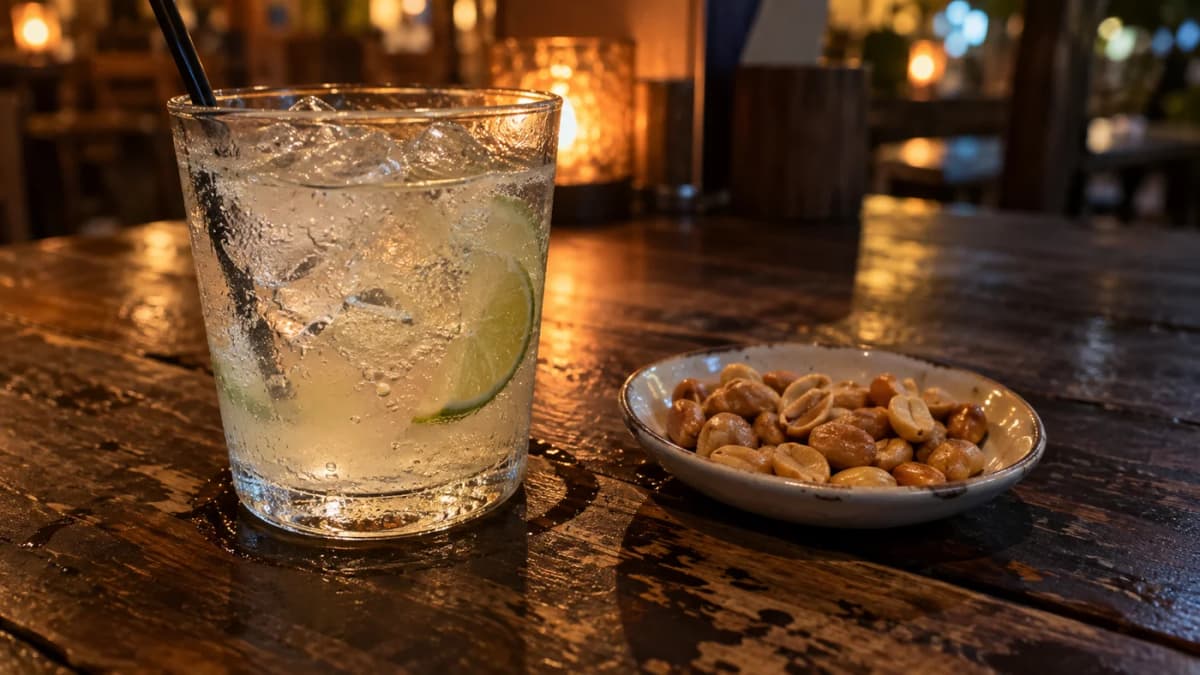
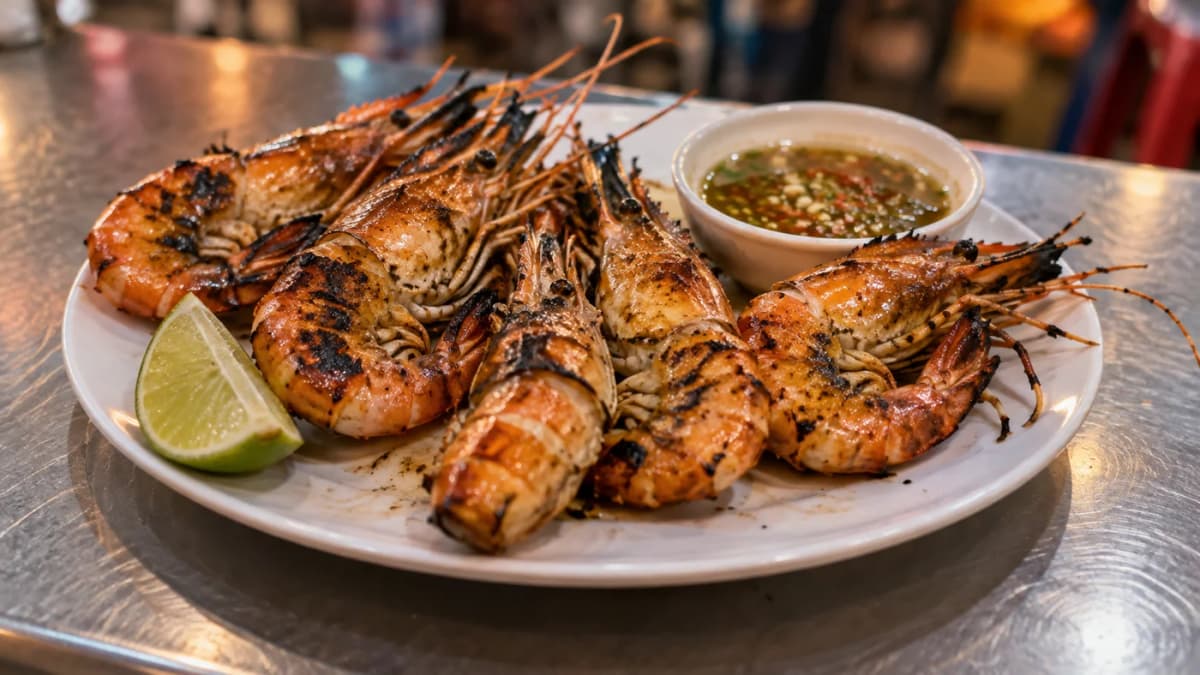
The Night Market That Started It All Dechanuchit Road transforms every evening into something unrecognizable. The daytime sleepy provincial street becomes a 300-meter corridor of sizzling woks, flickering lanterns, and the kind of chaos that only Thai markets can pull off without looking organized. This is Hua Hin Night Market — the original reason anyone stayed past sunset — and it's still the beating heart of the city's evening rhythm. The market runs nightly from roughly 6:00 PM to midnight, though the real action peaks between 7:30 and 10:00. Grilled seafood dominates the northern end, where whole fish sizzle on charcoal and prawns the size of your fist get shucked on the spot. Move south and the food gets more adventurous — roti with condensed milk, coconut ice cream served in actual coconut shells, and papaya salad pounded in front of you with the kind of force that suggests the cook has personal issues with the papaya . But here's what most travel guides won't tell you: the market's real value isn't the food. It's the people-watching. Thai families stroll hand-in-hand, elderly expats grab their nightly pad thai from the same vendor they've patronized for a decade, and backpackers photograph everything like they're documenting an archaeological dig. The market is free, no admission, and the best show in town costs nothing more than a 30-baht bottle of Chang. Soi 94: The Strip Nobody Publishes in Travel Guides Walk south from the night market along Phetkasem Road and turn onto Soi 94 — and you'll find the nightlife area that Hua Hin politely pretends doesn't exist in its tourism brochures. This narrow soi packs more bars per square meter than anywhere else in the city, and the vibe shifts dramatically depending on which end you enter. The northern stretch caters primarily to long-stay expats and returning visitors. Think open-air bars with plastic chairs, Thai pop music drifting from speakers that have seen better decades, and beer prices that haven't changed since 2019 — expect 80-100 baht for a large Chang or Leo. The bartenders know regulars by name, and the conversation flows in a mixture of broken Thai, accented English, and the universal language of someone buying the next round. The southern end gets louder, more tourist-oriented, and considerably more... let's call it "social." Several go-go bars operate here, alongside regular sports bars showing Premier League matches at volumes that make conversation optional. It's not Pattala — nothing in Hua Hin is — but it's the closest thing the city has to a genuine bar crawl destination. The important thing is knowing what you're walking into. Stick to the bars that match your comfort level, and you'll have zero problems. Cocktail Culture: The Rooftop Renaissance Hua Hin's rooftop bar scene has exploded in the last two years, driven by a wave of boutique hotels and upscale restaurants that figured out what Bangkok discovered a decade ago: alcohol tastes better when you're looking down at something . SO/ Sofitel's Hi-SO rooftop bar sits twelve stories above the city, serving craft cocktails with ocean views that make the 350-baht price tag feel like charity. The sunset slot — roughly 5:30 to 7:00 PM — fills up fast, so book ahead or accept the reality of bar seats facing the parking lot. The menu leans French-Thai fusion, and the wine list is surprisingly competent for a beach town. The InterContinental's Baan Ingorn takes a different approach: open-air, beachfront, and deliberately low-key. The cocktails here cost more (400-500 baht range), but the setting — fire pits, bamboo ceilings, and the Gulf of Thailand as your backdrop — justifies the markup. This is where Hua Hin's newer expat crowd comes to impress visitors, and the people-watching matches the cocktail quality. Hua Hin Brewing Company on Dechanuchit Road offers something the rooftops can't: actual craft beer brewed on-site. The amber ale and wheat beer are solid, the food is pub-grade (burgers, fish and chips, nothing revolutionary), and the atmosphere skews younger — digital nomads with laptops during the day, social drinkers at night. A pint runs 180-220 baht, which is borderline reasonable for craft beer in Thailand. The Live Music Question (And Why It's Complicated) Every expat in Hua Hin has an opinion about live music, and most of them are wrong . The city's live music scene is simultaneously better and worse than you'd expect — better because there are more venues than five years ago, worse because "live music" in Thailand often means a karaoke machine with someone singing over the backing track while tourists record it on their phones. If you're new to the expat lifestyle in Hua Hin , the music scene will feel familiar — part community gathering, part background noise. The exceptions exist. Jazz Pit on Soi 94 hosts genuine live jazz on Friday and Saturday nights, drawing local musicians who actually know their instruments. The room fits maybe 40 people, the drinks are cheap, and the music is good enough that you'll forget you're in a beach town and not a Bangkok jazz club. Arrive by 8:30 PM or accept standing room. Cicada Market — the weekend art and food market on Khao Takiab Road — features live acoustic sets and Thai indie bands on its outdoor stage. The market runs Friday through Sunday evenings, and the music is free with admission (usually under 100 baht). It's family-friendly, the food is better than the night market, and the art vendors sell genuinely interesting local crafts alongside the usual tourist junk. For the rest? You'll encounter cover bands playing "Hotel California" at volume levels that suggest they're trying to destroy it, Thai pop singers whose appeal is cultural rather than musical, and the occasional genuine talent performing to an audience of three expats and a confused tourist. The key is managing expectations : Hua Hin's live music is charming, not professional. Once you accept that, it becomes oddly enjoyable. Beach Bars and Sunset Spots: Where the Ocean Does the Work The beach bars along Hua Hin's main beach operate on a simple business model: put chairs on the sand, serve cold drinks, and let the sunset do the heavy lifting. It works, and it's been working since the 1920s when Thai royalty first turned this fishing village into a resort town. Bubba's Bar near the Hilton is the expat favorite — a no-frills beachfront spot where the Singha flows, the chairs face west, and the sunset show happens like clockwork between 6:15 and 6:45 PM year-round. The food is basic (fried rice, grilled squid, tom yum), but nobody comes here for culinary innovation. They come for the ritual: cold beer, warm sand, and the sky turning orange while someone's kid builds a castle that the tide will claim in an hour. The Beach Club at Hua Hin Marriott takes the opposite approach: daybeds, bottle service, and a DJ spinning deep house while staff in matching uniforms pretend this is Ibiza. It's expensive by Hua Hin standards (cocktails 350-450 baht, daybed minimum 2,000 baht), but the production value is real. The sound system actually works, the AC cabanas exist for a reason (May heat is no joke), and the crowd skews younger — Thai families celebrating, digital nomads splurging, and the occasional influencer doing content that will get 200 likes. Sunee's Beach Bar — a tiny, barely-noticeable shack near Soi 112 — represents the other end of the spectrum. No music, no signage, no website. Just a wooden counter, plastic chairs, and a woman named Sunee who serves the coldest Leo in the city for 60 baht. It's the kind of place that TripAdvisor will never list, and that's exactly why it's perfect. The Night Market That Isn't the Night Market: Plearn Wan Plearn Wan — which roughly translates to "have fun" — is a retro-themed night market styled after a 1950s Thai village. It sounds gimmicky. It is gimmicky. And it's also one of the most enjoyable evening experiences in Hua Hin. The market sits on a plot of land near Khao Takiab, open Thursday through Sunday evenings. The architecture is deliberately vintage: wooden shophouses, hand-painted signs, and a general aesthetic that screams "Thai version of a theme park." The food stalls serve classic Thai dishes in a setting that makes eating grilled pork on a stick feel like time travel. The live music here is the real draw — acoustic acts playing Thai classics and Western covers , the sound mixing with the evening breeze in a way that makes even mediocre performers sound decent. The market also hosts occasional cultural events: traditional dance performances, Thai boxing demonstrations, and the occasional fire show that exists purely because tourists expect fire shows in Southeast Asia. Entry is usually free , though special event nights sometimes charge 50-100 baht. The market gets crowded after 7:30 PM, so arrive early if you want to eat without waiting 20 minutes for a table. Plearn Wan isn't authentic — it's a curated experience designed to feel authentic — but it's done well enough that the distinction stops mattering after your second beer. Soi 88: The Local's Alternative If Soi 94 is the tourist strip and the night market is the family destination, Soi 88 is where locals and long-term expats actually go. This soi — officially Soi Hua Hin 88 — runs perpendicular to Phetkasem Road and hosts a cluster of bars, restaurants, and one genuinely excellent whisky bar that most visitors never find. Whiskey & Wine on Soi 88 — the name says it all — has a selection of single malt Scotch that would embarrass some London bars. The owner, a Scottish expat named Malcolm who's been in Hua Hin since 2012, stocks everything from Glenfiddich 12 to rare Japanese whiskies, and his prices are fair by international standards. A pour of Yamazaki 12 runs about 350 baht — roughly what you'd pay in Tokyo, and absurdly cheap compared to importing it yourself. The rest of Soi 88 offers a mix of sports bars, Thai-style open-air restaurants, and the occasional massage parlor that doubles as a late-night gathering spot. The street food here is better than the night market — the khao man gai (chicken rice) at the corner stall near the soi entrance is worth a trip in itself, and the moo ping (grilled pork skewers) sold by the woman who sets up her cart at 5 PM sharp has a line by 6:30. Thailand's Drinking Laws: What You Actually Need to Know Thailand's alcohol laws are simultaneously strict and completely unenforced, which creates a confusing situation for newcomers. Here's what matters: Legal drinking age is 20. Enforcement varies wildly — beach bars rarely check IDs, upscale venues sometimes do. If you look under 30, carry your passport. Sale hours: Alcohol cannot legally be sold between 2:00 AM and 11:00 AM. In practice, 7-Elevens stop selling at midnight, and bars close between 1:00 and 2:00 AM depending on the venue and how much the owner likes the local police. Beer prices in Hua Hin: Large bottle (630ml) at a bar: 80-150 baht. At 7-Eleven: 45-55 baht. At a restaurant: 60-100 baht. The markup at tourist bars is higher but still absurdly cheap by Western standards. Drunk driving: Thailand's drink-driving laws got significantly tougher in 2024 , with blood alcohol limits lowered to 0.05% and penalties that now include jail time for repeat o ffenders. The police checkpoint on Phetkasem Road between Soi 88 and Soi 94 is active most weekend nights. Don't risk it — Grab rides from Hua Hin center to anywhere in the city rarely exceed 150 baht. Weekend vs Weekday: Two Completely Different Cities Hua Hin's nightlife operates on a dual personality schedule that catches first-timers off guard. Weekday evenings are quiet — the night market runs, a handful of bars stay open, and the general atmosphere is "retired couple watching Netflix." The city feels like what it actually is: a provincial beach town where most people go to sleep early. Weekends — especially Friday and Saturday — transform the city. Bangkok day-trippers flood in, hotels hit near-capacity, and the nightlife venues that were half-empty on Wednesday suddenly have lines. The night market gets twice as crowded, Cicada Market opens, and the bar scene on Soi 94 operates at full capacity. The sweet spot? Thursday nights. The weekend crowd hasn't arrived yet, the venues are starting to warm up, and you get the energy of a weekend evening without the crowds. It's a hack that long-term expats discovered years ago, and the fewer people who know about it, the better it stays. The Verdict: Hua Hin After Dark Isn't Pattala, and That's the Point People come to Hua Hin expecting Pattala-style nightlife and leave disappointed. That's a mistake in expectations, not a flaw in the city. Hua Hin's evening scene is low-key, local, and deliberately unpolished — a place where you can eat exceptional seafood for 300 baht, drink cold beer on the beach for 100 baht, and listen to live music that's charming rather than professional. It fits perfectly with what you'd discover in Hua Hin's seasonal rhythm — the city transforms with the weather, and evenings are always the best part. The city doesn't need a club scene. It doesn't need neon signs and cover charges and bouncers checking guest lists. What it has — a night market that feeds thousands nightly, rooftop bars with genuine views, beach bars that let the ocean do the entertainment, and a bar culture built on regulars rather than one-night visitors — is exactly what makes it work. For expats and long-stay visitors , the appeal is obvious: you can have a full evening out for under 1,000 baht ($28), walk home safely, and wake up without the regret that comes from a 4 AM hotel room service order. For tourists expecting Bangkok energy, Hua Hin's nightlife will feel sleepy. For everyone else, it feels like exactly enough. Your Evening Cheat Sheet Best sunset spot: Bubba's Bar (free chairs, 80-baht beer, guaranteed sunset) Best cocktail bar: SO/ Sofitel Hi-SO (350-500 baht, ocean views, book ahead) Best live music: Jazz Pit on Soi 94 (Friday/Saturday, arrive by 8:30 PM) Best food: Hua Hin Night Market (Dechanuchit Road, 6 PM-midnight) Best-kept secret: Sunee's Beach Bar (Soi 112, no website, 60-baht beer) Best weekend activity: Cicada Market (Friday-Sunday, under 100 baht entry) Best for craft beer: Hua Hin Brewing Company (180-220 baht/pint, Dechanuchit Road) Best whisky: Whiskey & Wine on Soi 88 (Scottish owner, serious selection) Best night overall: Thursday — weekend energy without weekend crowds Budget for a full evening out: 800-1,200 baht ($22-34) including food, drinks, and transport

Ananas Editorial · 13 min read

Hua Hin Golf Guide: Courses, Costs, and Community

Travel

Hua Hin Golf Guide: Courses, Costs, and Community

David Chen had played golf in 14 countries before he retired to Hua Hin in 2024. Within six months, he'd joined two golf clubs, played 47 rounds, and spent less on annual memberships than he'd spent on a single weekend at Pebble Beach. "I came for the beaches," he told me over post-round Singha beers at Banyan's clubhouse. "I stayed for the golf." Hua Hin isn't just another beach town with a golf course bolted on. It's one of Southeast Asia's most concentrated golf destinations, with five championship-quality courses within a 30-minute drive, year-round playability, and green fees that would make a Florida club manager weep. Whether you're a scratch golfer or a weekend hacker who loses more balls than he finds, Hua Hin has something that'll keep you coming back. The Golf Scene: What You're Actually Working With Hua Hin sits in Prachuap Khiri Khan province, about 200 kilometers south of Bangkok along the Gulf of Thailand. The region's geography — flat coastal plains rising into the Tenasserim Hills — creates ideal conditions for golf course design. You get ocean breezes that keep things cool, dramatic mountain backdrops that make every hole Instagram-worthy, and enough variety in terrain to keep things interesting. The golf scene here exploded in the early 2000s when international developers recognized what locals had known for decades: this stretch of coast gets about 10% of Bangkok's rainfall, has temperatures that hover between 25°C and 35°C year-round, and offers views that rival anything in Bali or Phuket — at half the price. Course Holes Designer Green Fee (Visitor) Best For Banyan Golf Club 18 Banyan Tree 2,800-3,500 THB ($80-100) Premium experience, tournament play Black Mountain Golf Club 27 Phil Ryan / BRS 2,200-2,800 THB ($63-80) International standard, multiple loops Springfield Royal Country Club 27 Jack Nicklaus 2,000-2,500 THB ($57-71) Nicklaus design, great practice facilities Royal Hua Hin Golf Course 18 A.L. Campbell 700-1,200 THB ($20-34) History, budget-friendly, central location Breeze Hill Golf Club 18 Local 800-1,200 THB ($23-34) Value, relaxed atmosphere, practice Banyan Golf Club: The Crown Jewel If Hua Hin's golf scene has a flagship, it's Banyan. Opened in 2008 and designed by Banyan Tree's in-house team, this 18-hole championship course consistently ranks among Thailand's top five. The routing takes you through rubber plantations, along ridgelines with ocean views, and across valleys where silence is broken only by bird calls and the occasional muffled "fore." The standout feature is the conditioning. Banyan's greens are Bermuda 328, maintained to a speed that's fast enough to challenge without being punitive. The fairways are firm and well-drained — crucial during monsoon season when other courses turn into mud baths. The club employs a full-time agronomist, which is the kind of detail that separates a good course from a great one. Membership runs about 600,000 THB ($17,000) for a standard individual membership, with annual dues around 48,000 THB ($1,370). For visitors, the walkable rate is 2,800 THB ($80) on weekdays and 3,500 THB ($100) on weekends. Caddie and cart add another 1,000-1,200 THB ($29-34). That's roughly what you'd pay for a mediocre municipal course in the United States. What makes Banyan worth the premium is the complete package: locker rooms that feel like a five-star hotel, a restaurant serving everything from Thai classics to Western comfort food, and a practice facility that includes a 350-yard driving range, short game area, and two putting greens. The staff treats you like a member even if you're a first-time visitor. Black Mountain: The International Standard Black Mountain is the course that put Hua Hin on the international golf map. Designed by Phil Ryan and developed by the BRS group (the same team behind courses in Vietnam and Cambodia), this 27-hole facility plays like a links-meets-tropical hybrid. The front nine winds through flat terrain with strategic bunkering, while the back nine climbs into the hills for dramatic elevation changes and panoramic views. The course has hosted multiple Asian Tour events, including the Black Mountain Masters, which gives you some sense of the challenge level. The signature hole is the par-3 16th, a 180-yard carry over a natural water feature with the mountains as a backdrop. It's the kind of hole that makes you pull out your phone before you pull out your club. Black Mountain's pricing sits in the mid-range: 2,200 THB ($63) for weekday visitors, 2,800 THB ($80) on weekends. The club offers 9-hole, 18-hole, and 27-hole options, which is useful if you're short on time or energy. The academy here is one of the best in the region, with PGA-certified instructors and a TrackMan-equipped fitting studio. Membership at Black Mountain is more accessible than Banyan, starting around 350,000 THB ($10,000) for a 10-year term. Annual dues run about 30,000 THB ($860). For expats who plan to play regularly, the break-even point against visitor rates comes at roughly 40 rounds per year. Springfield Royal: The Nicklaus Factor Springfield Royal Country Club is the course that Jack Nicklaus built, and it carries the unmistakable DNA of his design philosophy. Wide fairways that reward placement over power, greens that are large enough to hold approach shots but subtle enough to punish poor reads, and a routing that makes you think about club selection on every tee box. The course opened in 1993 and has matured beautifully. The original tree plantings have grown into mature canopies that frame fairways and provide shade on the walk between holes. The conditioning is solid if not spectacular — greens are smooth but not lightning fast, fairways are consistent but can get a bit shaggy in the rough during wet season. Springfield's real advantage is its location. It's the closest championship course to Hua Hin's main beach strip, about a 15-minute drive from most hotels. The club also offers condominium units around the course, which is how many expats combine housing with golf. Units start around 3 million THB ($86,000) for a one-bedroom, with the added benefit of unlimited golf included in the condo association fee. Visitor rates are competitive: 2,000 THB ($57) weekdays, 2,500 THB ($71) weekends. The club doesn't push the premium experience angle like Banyan or Black Mountain, but it delivers a solid, enjoyable round at a reasonable price. Royal Hua Hin: Thailand's Historic First Royal Hua Hin Golf Course holds a distinction that no other course in the region can claim: it's Thailand's first 18-hole course, opened in 1924 during the reign of King Rama VI. The course was originally designed by A.L. Campbell, a Scottish engineer, and it retains the classic links-influenced layout that was popular in that era. The course sits right in the heart of Hua Hin, adjacent to the railway station and within walking distance of the beach. This central location means you can play a morning round and still make it to the Cicada Market for dinner without breaking a sweat. The trade-off is that the course feels a bit cramped by modern standards — holes are relatively short, and the terrain lacks the dramatic features of Banyan or Black Mountain. But that's also the charm. Royal Hua Hin is a throwback to a simpler era of golf, where the focus is on shot-making rather than power. The par-4 7th, a dogleg left that threads between mature trees, is a perfect example. You can't muscle your way through it — you need to think your way around it. At 700-1,200 THB ($20-34) for visitors, Royal Hua Hin is the budget champion. It's also the most convenient option for tourists who don't want to arrange transportation to outlying courses. The practice facilities are basic but functional, and the clubhouse has a no-nonsense atmosphere that feels refreshingly uncommercial. The Hidden Gem: Breeze Hill Breeze Hill Golf Club doesn't get the headlines that Banyan and Black Mountain command, but regulars know it as the place where you can play 18 holes for under $35 without sacrificing course quality. The course sits about 20 minutes north of Hua Hin center, tucked into a valley with views of the surrounding hills. The layout is straightforward — no dramatic elevation changes or forced carries over water. Instead, it's a course that rewards accuracy and course management. The fairways are generous, the greens are well-maintained, and the pace of play is typically faster than the premium courses. You can complete a round in three and a half hours on a quiet day. Breeze Hill also offers the best practice facilities relative to its price point. The driving range has 30 bays with grass tees (not mats), and the short game area includes a putting green, chipping area, and a small bunker complex. For expats who want to work on their game without paying premium prices, this is the spot. What It Actually Costs: The Real Numbers Let's break down the actual cost of playing golf in Hua Hin, because the green fee is only part of the equation. Cost Item Budget (Royal Hua Hin) Mid-Range (Springfield) Premium (Banyan) Green Fee (weekday) 700 THB ($20) 2,000 THB ($57) 2,800 THB ($80) Caddie 300 THB ($9) 400 THB ($11) 400 THB ($11) Cart (optional) 600 THB ($17) 700 THB ($20) 800 THB ($23) Tips (caddie) 200 THB ($6) 300 THB ($9) 400 THB ($11) Lunch/drinks 300 THB ($9) 500 THB ($14) 800 THB ($23) Total per round 2,100 THB ($60) 3,900 THB ($111) 5,200 THB ($149) Now compare that to other popular golf destinations. A similar round at a mid-range course in Bali runs $80-120, in Phuket $70-150, and in Kuala Lumpur $50-100. Hua Hin sits at the lower end of that range while offering courses that rival anything in the region. For expats playing regularly, the math gets even better. A standard membership at Banyan (600,000 THB over 10 years + 48,000 THB annual dues) works out to about 800 THB ($23) per round if you play twice a week. That's less than most public courses in the United States. The Golf Community: More Than Just Rounds What separates Hua Hin from a pure golf destination like Pattaya or Hua Hin's own beach tourism is the community aspect. The expat golf scene here is tight-knit without being cliquish. Most clubs run regular competitions — weekly roll-ups, monthly medals, and annual tournaments that attract players from Bangkok and beyond. Banyan's Men's Golf Society meets every Wednesday and Saturday, with a mix of expats, Thai members, and visiting players. The format varies — stableford, match play, scramble — and the post-round lunch is as much a part of the event as the golf itself. Black Mountain has a similar setup, with a Friday afternoon 9-hole league that's become surprisingly competitive. For newcomers, the best entry point is usually the informal groups that gather at Royal Hua Hin. The club doesn't have the corporate feel of the premium courses, and the regulars are genuinely welcoming to strangers. Show up on a Saturday morning, introduce yourself at the pro shop, and you'll likely be paired with a group within 15 minutes. The golf-and-social scene extends beyond the courses. Several restaurants in Hua Hin cater specifically to the golf crowd — places like Soi 94's "19th Hole" and the Banyan Club's grill room. These spots are where deals get discussed, friendships form, and the occasional golf argument gets settled over Chang beer. When to Play: Season, Weather, and Strategy Hua Hin's golf season is essentially year-round, but there are nuances worth understanding. The cool season (November-February) is peak time: temperatures hover around 25-30°C, humidity drops, and the courses are at their best. This is when visitor rates are highest and weekend tee times fill up quickly. The hot season (March-May) brings temperatures above 35°C, which makes afternoon golf borderline uncomfortable. Most regulars play early morning — tee times before 7:30 AM are golden during this period. The upside is that courses are quieter, and you can often walk on without a reservation. Monsoon season (June-October) gets a bad reputation, but it's mostly undeserved. Yes, it rains — usually in the afternoon for an hour or two. Morning rounds are typically dry, and the courses are lush and green. Green fees often drop by 20-30% during this period, and you'll have the place to yourself most days. The smart play for expats is to join a club during low season (June-September) when membership fees are often negotiable. Banyan, in particular, has been known to offer 15-20% discounts on annual dues for new members who join during quieter months. The Verdict: Is Hua Hin Worth It for Golf? For expats and long-stay visitors, the answer is an unqualified yes. The combination of course quality, affordability, community, and convenience makes Hua Hin one of the best value propositions in Asian golf. You're not just buying green fees — you're buying into a lifestyle that includes year-round playability, a welcoming community, and proximity to beaches, restaurants, and Bangkok. For short-term visitors, the calculation is different. If golf is your primary reason for visiting Thailand, you might find more variety in Phuket or Pattaya. But if you're coming to Hua Hin for the beaches and want to play a few rounds while you're here, you won't be disappointed. Royal Hua Hin offers a cheap, charming introduction, and Banyan delivers a world-class experience without the world-class price tag. The one thing Hua Hin golf doesn't have is pretension. These aren't courses where you need to dress a certain way or know the right people. Show up, play golf, have a beer, go home. That simplicity is exactly what keeps people like David Chen coming back. For more on the full cost of living in Hua Hin , including how golf fits into a monthly budget, or check out our guide to the best beaches in Hua Hin for your post-round recovery spot. Frequently Asked Questions Do I need a handicap certificate to play at Hua Hin courses? Most courses don't require a handicap certificate for casual play. However, some competitions and premium courses may ask for proof of handicap if you want to enter tournaments. Having a recognized handicap (from your home club or an app like Grint or SwingU) is useful but not essential. Can I rent golf clubs at the courses? Yes, all major courses in Hua Hin offer rental clubs. Banyan and Black Mountain have modern sets from major brands (TaylorMade, Callaway, Titleist), typically costing 1,000-1,500 THB ($29-43) for a full set. Royal Hua Hin and Breeze Hill have older rental sets at lower prices. What's the dress code? All courses require collared shirts and proper golf shoes. Shorts are acceptable at most clubs, but they should be knee-length or shorter. Jeans, tank tops, and flip-flops are universally forbidden. The premium courses are slightly stricter — Banyan prefers long trousers for visitors, though it's not enforced rigidly. Is it worth bringing my own clubs? If you're staying more than two weeks and plan to play regularly, yes. The cost of a golf bag on most airlines is $50-100 each way, which pays for itself after 3-4 rounds versus rental fees. Many expats ship their clubs via DHL or FedEx when they move to Hua Hin permanently. Are there women-only tee times or ladies' days? Some clubs offer ladies' days with reduced rates — Banyan has a Thursday ladies' event, and Springfield runs a Tuesday morning women's group. The courses are generally welcoming to female golfers, though the expat golf scene skews heavily male. How do I get to the courses without a car? Most courses offer shuttle service from major hotels — book when you reserve your tee time. Grab (Southeast Asia's Uber) works well for getting to and from courses, though return trips from outlying courses like Black Mountain can take 20-30 minutes. Several expats organize carpool groups through WhatsApp and LINE.

Ananas Editor Team · 14 min read

Hua Hin Weather Guide: Surviving Monsoon, Heat, and Humidity

Travel

Hua Hin Weather Guide: Surviving Monsoon, Heat, and Humidity

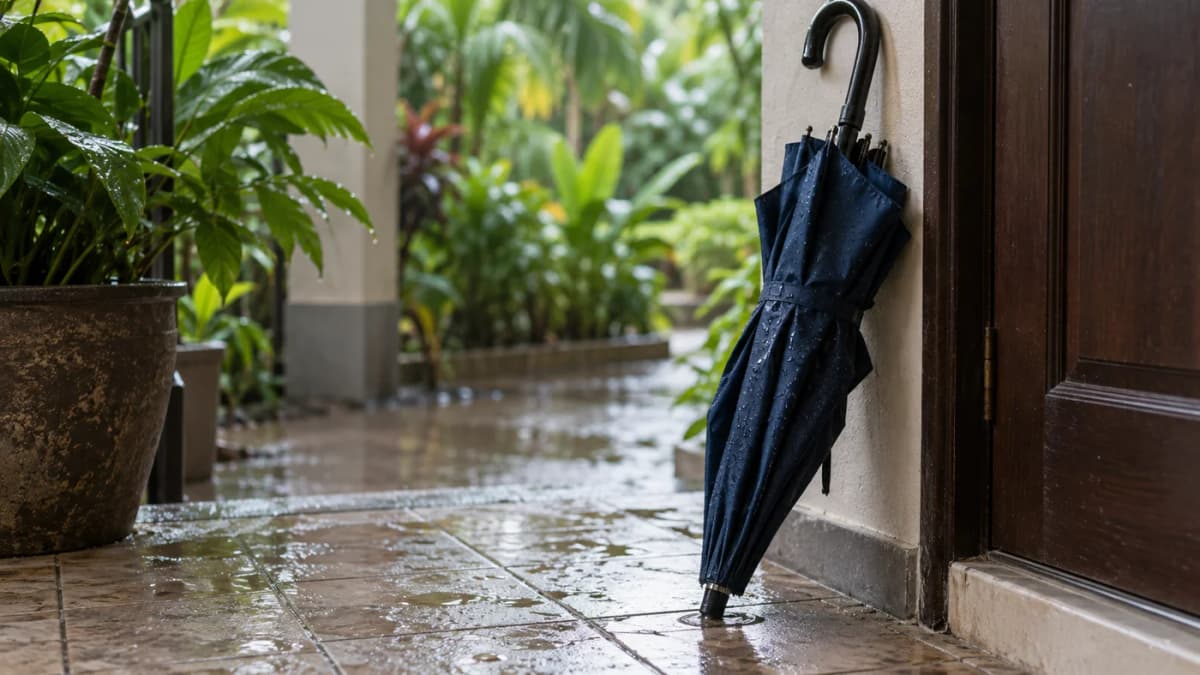
The first time you experience monsoon season in Hua Hin, you'll think the sky is falling It starts with a breeze. Then the palm trees bend. Then the rain — not a gentle shower but a wall of water that hits the ground like a shower turned to maximum. Within minutes, the street outside your condo is a river. Within thirty minutes, it's over. The sun comes back out, the steam rises from the asphalt, and you're left wondering what just happened. Welcome to Hua Hin's weather. It's dramatic, it's unpredictable, and if you don't understand it, it'll ruin your first three months. Hua Hin's climate is tropical monsoon — hot, humid, and divided into three distinct seasons that each demand a different strategy. This guide breaks down what each season actually feels like, when to visit, what to pack, and how to survive the months that make other expats question their life choices. The Three Seasons: Hot, Wet, and Perfect Hua Hin doesn't have four seasons. It has three: Hot Season (March-May): Temperatures hit 35-40°C. Humidity climbs to 80-90%. The sun is relentless. April is the hottest month — and the most uncomfortable. This is when many expats leave for cooler climates. The saving grace: sea breezes in the evening and air conditioning everywhere. Wet Season (June-October): Rain falls almost daily, usually in the afternoon. Heavy downpours lasting 1-3 hours, followed by clearing skies. Total rainfall: 100-200mm per month. The upside: fewer tourists, lower prices, lush green landscapes. The downside: flooding in low-lying areas, humidity that never drops below 75%, and the occasional tropical storm. Cool Season (November-February): The golden months. Temperatures drop to 25-30°C. Humidity falls to 60-70%. Clear skies, comfortable mornings, perfect beach weather. This is when Hua Hin is at its best — and when property prices and hotel rates are at their highest. Month-by-Month Weather Breakdown January: Cool season. 24-30°C. Perfect beach weather. The best month to visit. Book early — hotels fill up. February: Cool season continues. 25-31°C. Slightly warmer than January. Still excellent weather. March: Transition to hot season. 27-33°C. Humidity rising. Still manageable but getting warmer. April: Peak hot season. 28-36°C. The hottest month. Songkran (Thai New Year) in mid-April — water fights everywhere. Fun but exhausting. May: Late hot season. 28-35°C. First rains arrive. Pre-monsoon showers — brief but intense. June: Wet season begins. 27-32°C. Daily afternoon rain. Humidity 80%+. Outdoor activities need backup plans. July: Full monsoon. 27-31°C. Heaviest rain months. Occasional flooding in low areas. Beach swimming can be dangerous (rough seas). August: Peak wet season. 27-31°C. Continued heavy rain. Lowest tourist numbers. Best hotel deals of the year. September: Wet season. 27-31°C. Rain starts to ease. Still humid but less intense downpours. October: Late wet season. 27-31°C. Rain tapering off. End-of-season sales on everything. November: Cool season begins. 24-30°C. Humidity drops. Clear skies return. Best time to visit. December: Cool season. 23-29°C. The most comfortable month. Christmas and New Year celebrations. Peak tourist season. Surviving the Monsoon: Practical Tips 1. Timing is everything. Monsoon rain typically falls between 2-6 PM. Plan outdoor activities for mornings. Keep rain gear in your bag at all times — a compact umbrella and a light rain jacket. 2. Flooding is real. Low-lying areas flood regularly during heavy rain. Avoid parking in flood-prone zones. Know which roads flood first (Soi 88, parts of Phetkasem Road). Some condo buildings have flood barriers — check before renting. 3. Humidity management. Dehumidifiers are essential for bedrooms. Air conditioning helps but creates condensation. Keep closet doors slightly open. Use moisture-absorbing packets in drawers. Buy silica gel in bulk. 4. Mold prevention. The combination of humidity and heat creates perfect mold conditions. Clean bathroom grout monthly. Use anti-mold spray on walls. Keep bathroom doors open when not in use. Check behind furniture regularly. 5. Transportation. Scooter riding in heavy rain is dangerous — wet roads, poor visibility, flooding. If you must ride, slow down dramatically and wear a rain jacket. Many expats switch to Grab during monsoon season. 6. Beach safety. The sea gets rough during monsoon. Rip currents are stronger. Swimming at unguarded beaches is risky. Hua Hin's main beach is generally safe, but always check conditions before swimming. The Heat Season: April-May Survival Guide April is the month that breaks newcomers. Temperatures hit 36-40°C. Humidity stays above 85%. Walking outside feels like opening an oven. Here's how to survive: Morning routine: Wake early (5-6 AM). Exercise, errands, outdoor activities — all before 10 AM. After 10 AM, stay indoors or near water. Hydration: Drink 3-4 liters of water daily. Coconut water from street vendors is excellent for electrolytes. Avoid alcohol during peak heat — it dehydrates faster. Clothing: Lightweight, loose-fitting, light-colored clothing. Cotton and linen. Avoid dark colors — they absorb heat. A wide-brimmed hat is essential. Air conditioning: Your electricity bill will spike. Budget an extra 2,000-3,000 THB per month for AC costs — see our cost of living guide for full utility breakdowns. Set it to 26-27°C — lower settings waste money without much comfort gain. Songkran: Thai New Year (April 13-15) is the world's biggest water fight. It's fun but chaotic. Expect to get soaked everywhere. Protect your electronics in waterproof bags. Embrace it — fighting the water is pointless. Cool Season: Why Everyone Loves November-February The cool season is Hua Hin at its best. 25-30°C temperatures, clear skies, low humidity, and a gentle breeze off the Gulf of Thailand. This is when the town comes alive — restaurants fill up, the beach is busy but not crowded, and the expat community hosts most of its events. What to expect: - Perfect beach weather: warm enough to swim, cool enough to walk - Morning temperatures around 23-25°C — ideal for outdoor exercise - Evening temperatures around 24-26°C — comfortable for outdoor dining - Almost no rain — maybe 2-3 light showers the entire season - Peak tourist season — book accommodations early - Higher prices for hotels and restaurants The downside: It's crowded. The beach has more tourists. Restaurants require reservations. Property prices are higher. If you live here, it's both the best and busiest time of year. What to Pack for Each Season Cool Season (Nov-Feb): - Light layers for mornings and evenings - Swimsuit, sunscreen, hat - Light jacket for air-conditioned spaces - Comfortable walking shoes Hot Season (Mar-May): - Lightweight, breathable clothing - Wide-brimmed hat - High SPF sunscreen (50+) - Reusable water bottle - Portable fan - Light rain jacket (pre-monsoon showers) Wet Season (Jun-Oct): - Compact umbrella (always carry) - Rain jacket or poncho - Waterproof bag for electronics - Quick-dry clothing - Anti-mold spray for home - Dehumidifier for bedroom Year-round essentials: - Sunscreen (UV is strong even on cloudy days) - Insect repellent (mosquitoes peak during wet season) - Comfortable sandals (streets flood, shoes get wet) - Light cardigan (restaurants blast AC) Weather Myths That Catch Newcomers Off Guard Myth 1: "It rains all day during monsoon." Wrong. Rain typically falls in 1-3 hour bursts, usually in the afternoon. Mornings are usually clear. You can plan activities around the rain. Myth 2: "Cool season means you need a jacket." Partially true. Mornings can be cool (23°C) but afternoons are still warm (30°C). A light layer is fine — heavy jackets are overkill. Myth 3: "Hot season is unbearable." It's uncomfortable but manageable with air conditioning and proper hydration. Millions of people live through it every year. You adapt faster than you think. Myth 4: "The beach is unusable during wet season." Beach swimming is generally safe during monsoon — just avoid rough days and check local conditions. The sea is warmer during wet season, which some people prefer. Myth 5: "Hua Hin is hotter than Bangkok." Actually slightly cooler — the sea breeze moderates temperatures. Bangkok's concrete jungle traps heat. Hua Hin's coastal location helps. The Honest Bottom Line Hua Hin's weather is tropical — hot, humid, and dramatic. The cool season (November-February) is genuinely perfect. The hot season (March-May) is uncomfortable but survivable. The wet season (June-October) is wet but not a disaster if you plan around it. The key to enjoying Hua Hin year-round is understanding the rhythm: mornings for activities, afternoons for rest (or rain), evenings for socializing. Once you internalize this pattern, the weather stops being an obstacle and becomes part of the lifestyle. And here's something nobody tells you: after a year in Hua Hin, you stop noticing the heat. Your body adapts. The 35°C that felt unbearable in April feels normal by June. The monsoon rain that terrified you in July becomes background noise by August. You become tropical. And that's when Hua Hin stops being a place you're visiting and becomes the place you live.

Ananas Editor Team · 8 min read

Day Trips from Hua Hin: Sam Roi Yot, Cha-Am, and Beyond

Travel

Day Trips from Hua Hin: Sam Roi Yot, Cha-Am, and Beyond

The problem with staying in one place As we covered in our guide to Hua Hin's beaches , the town has everything a beach town should have — long stretches of sand, night markets, golf courses, and a growing food scene. But after a few weeks, even the best beach starts to feel routine. The same morning walk, the same coffee shop, the same sunset spot. That's not a flaw in Hua Hin — it's a reminder that the best Thai experiences often happen outside the city limits. The good news: Hua Hin sits in one of Thailand's most geographically diverse corridors. Within a two-hour drive, you can reach limestone karst mountains, hidden caves with centuries-old Buddha statues, fishing villages that haven't changed in decades, and beaches that make Hua Hin's main strip look crowded. The trick is knowing which trips are worth the drive and which ones are overhyped. Here's our honest breakdown — distances, costs, what to expect, and what to skip. Sam Roi Yot: The Crown Jewel Within 45 Minutes Distance: 40 km south (45-60 minutes by car) Cost: 400 THB national park entry + transport + food = roughly 800-1,200 THB per person Best for: Hiking, photography, empty beaches, cave exploration Khao Sam Roi Yot — "Mountain with 300 Peaks" — is the day trip that locals recommend first and tourists somehow still miss. The national park covers 98 square kilometers of dramatic limestone mountains, mangrove forests, and coastal wetlands. It looks like someone dropped Halong Bay into southern Thailand. The highlight is Phraya Nakhon Cave , a massive cavern with two openings that let sunlight pour in from above. Inside sits a royal pavilion built for King Chulalongkorn in 1890. The hike up takes about 45 minutes on a steep but manageable trail. When the morning light hits the pavilion, it's one of the most photogenic spots in the entire region. Go before 10 AM — by noon, the light is harsh and the heat is punishing. Beyond the cave, the park has several empty beaches that require a short boat ride or a longer hike. Laem Sala Beach is accessible by boat from the park headquarters and offers a stretch of sand that rarely has more than a dozen people on it. Bring your own food — there's one small restaurant near the beach, but it closes early. The park's mangrove boardwalk is another underrated gem. A 30-minute walk through dense mangrove forest, watching mudskippers and crabs in the water below. It's quiet, shaded, and feels like a different world from Hua Hin's busy streets. Cha-Am: The Seafood Capital Nobody Talks About Distance: 25 km north (30-40 minutes by car) Cost: 200-500 THB for a full seafood lunch + transport = 500-800 THB total Best for: Seafood, quiet beach vibes, local markets Cha-Am is Hua Hin's quieter neighbor — less developed, less touristy, and significantly cheaper. The beach is narrower and less dramatic, but the food scene is what makes it worth the trip. This is where Hua Hin's restaurant owners go when they want fresh seafood at honest prices. The main strip along Phetkasem Road has a dozen seafood restaurants with tanks out front. Point at what you want, they cook it. A whole grilled fish, a plate of prawns, som tum, rice, and two beers will run you about 400-600 THB for two people. In Hua Hin, the same meal would cost 800-1,200 THB at a tourist-oriented restaurant. If you're coming from Bangkok, check our transport comparison guide for the best way to reach Hua Hin. For something more local, drive past the main beach area toward the fishing village at the north end. Here, the restaurants are literally on the sand, the fish comes from boats that morning, and the prices are the lowest you'll find on the entire gulf coast. Don't expect English menus — point at what looks good and trust the cook. Cha-Am also has a small but charming Cicada Market on weekends — art, handmade goods, live music, and street food. It's smaller and lesscommercialized than Hua Hin's Night Market, which is exactly the point. Petchaburi: Caves, History, and Thailand's Best Palm Sugar Distance: 30 km north (35-45 minutes by car) Cost: Free to 100 THB entry + transport + food = 400-700 THB total Best for: History buffs, cave exploration, local sweets, photography Petchaburi is one of Thailand's oldest cities, with a history stretching back to the 8th century. Most Hua Hin visitors drive right past it on the way to Bangkok, which is a mistake. The city has over 60 documented caves, a royal palace, and some of the best palm sugar production in the country. Khao Luang Cave is the main attraction — a massive limestone cavern filled with stalactites, stalagmites, and hundreds of Buddha statues placed by kings over centuries. Sunlight streams through holes in the ceiling, illuminating the statues in ways that feel almost theatrical. The cave is free to enter, rarely crowded, and genuinely impressive. It's the kind of place that makes you wonder why it isn't more famous. The Phra Nakhon Khiri Historical Park (known locally as Khao Wang) sits on a hilltop overlooking the city. Built by King Mongkut in 1860, it's a mix of Thai, Chinese, and European architectural styles. The views from the top are worth the climb, and the museum inside provides context on Petchaburi's royal history. For something unique, visit the Palm Sugar Village in Khao Yai sub-district. Local families have been making palm sugar for generations, using traditional methods that haven't changed in a century. You can watch the process, taste different grades of sugar, and buy directly from producers at prices that would be impossible in tourist shops. The Floating Markets: Tha Kha and Amphawa Distance: 70-80 km (1.5-2 hours by car) Cost: 500-1,000 THB total including transport and food Best for: Photography, local food, cultural immersion The famous Damnoen Saduak floating market is a tourist trap — overpriced, overcrowded, and nothing like what floating markets used to be. Skip it. Instead, head to Tha Kha Floating Market or Amphawa Floating Market , both of which offer a more authentic experience. Tha Kha operates only on the 2nd and 7th days of the waxing and waning moon, which means it's only open about 8 days per month. When it's on, it's magical — elderly vendors in wooden boats selling coconut sugar, tropical fruits, and home-cooked dishes. No Instagram influencers, no selfie sticks, just a market that's been running the same way for generations. Amphawa is bigger and more accessible, operating every Friday through Sunday evenings. The canal fills with food boats as the sun sets, and the waterfront restaurants serve some of the best grilled river prawns in central Thailand. Arrive before 4 PM to find parking. Pran Buri: The Quiet Alternative to Hua Hin Distance: 25 km south (30-40 minutes by car) Cost: 300-600 THB total Best for: Empty beaches, mangrove kayaking, peace and quiet If Hua Hin's beach feels too busy and Sam Roi Yot feels too remote, Pran Buri is the middle ground. The beaches here — particularly Pak Nam Pran and Pranburi Beach — are long, clean, and almost empty on weekdays. The water is calmer than Hua Hin's, making it better for swimming. The Pranburi Mangrove Forest Center offers kayaking through dense mangrove channels. It's a two-hour guided tour that costs about 500 THB per person and includes a stop at a small island for swimming. The guides are local fishermen who know every channel and every bird species in the area. For lunch, drive to the fishing village at Pak Nam Pran. The restaurants here serve seafood that was swimming an hour ago, at prices that make Hua Hin look overpriced. A full seafood spread for two people: 400-600 THB. Comparison: Which Day Trip Is Right for You? Destination Distance Best For Cost/Person Crowd Level Sam Roi Yot 45 min Hiking, caves, photography 800-1,200 THB Low-Medium Cha-Am 30 min Seafood, quiet beach 500-800 THB Low Petchaburi 40 min History, caves, palm sugar 400-700 THB Low Floating Markets 1.5-2 hrs Food, culture, photography 500-1,000 THB Medium Pran Buri 35 min Beaches, kayaking, seafood 300-600 THB Very Low Transport: How to Actually Get There The most flexible option is renting a car or scooter. Car rental from Hua Hin runs 800-1,200 THB per day, and gives you complete freedom to explore at your own pace. Scooter rental is 200-300 THB per day — cheaper, but only if you're comfortable riding in Thai traffic. If you prefer not to drive, songthaews (shared pickup trucks) run from Hua Hin to Cha-Am and Pran Buri for 20-40 THB. They're slow, crowded, and have no fixed schedule — you flag them down on the main road. For Sam Roi Yot and Petchaburi, a private driver or taxi is more practical. Negotiate a round-trip price upfront — expect 1,500-2,500 THB for a full day with multiple stops. Grab works in Hua Hin but gets spotty for destinations outside the city. For day trips beyond Cha-Am, don't rely on it. Book a driver through your hotel or a local agency instead. The Verdict: Which Trip First? If you only have one day, Sam Roi Yot is the clear winner. It has the most dramatic scenery, the best hiking, and enough variety to fill an entire day. If you're a food person, Cha-Am for lunch is a no-brainer — combine it with a morning at Sam Roi Yot for the perfect day. For history and culture, Petchaburi delivers more than most people expect. And if you just want a quiet beach day without Hua Hin's crowds, Pran Buri is your answer. The beauty of these day trips is that they're all close enough to combine. A Saturday at Sam Roi Yot in the morning, Cha-Am for lunch, and back to Hua Hin by sunset — that's a perfect day for under 1,500 THB per person. And if you're here long enough, you'll eventually make it to all five. Each one reveals a different side of this region that most tourists never see.

Hua Hin Food Guide: Where Locals Actually Eat (2026)

Travel

Hua Hin Food Guide: Where Locals Actually Eat (2026)

The Best Restaurants in Hua Hin Aren't on Google Maps Every food guide to Hua Hin sends you to the same three places: a beachfront seafood restaurant with English menus and 300-baht shrimp, a night-market stall with a line of tourists, and a rooftop bar that charges Bangkok prices for mediocre pad thai. They're wrong — or at least, they're incomplete. The food that makes Hua Hin worth living in isn't on the tourist trail. It's in a shophouse on a soi you'd never walk down, at a market stall that's been there for thirty years, or at a restaurant where the owner speaks zero English but the som tam is the best you'll ever taste. This guide is about finding that food — the kind the locals eat, the kind that doesn't appear in TripAdvisor's top ten, and the kind that costs a fraction of what the beachfront places charge. The Food Scene: What You're Working With Hua Hin's food scene splits into three distinct layers. The first is the tourist layer: beachfront restaurants, night-market stalls with English signs, and hotel dining rooms. The food is fine — sometimes good — but the prices are inflated 30-50% above local rates and the portions are calibrated for foreigners who eat less rice. The second layer is the Thai middle-class layer: air-conditioned restaurants with Thai menus, proper service, and prices that reflect Hua Hin's status as a weekend getaway for Bangkok's wealthy. The third layer — the one this guide focuses on — is the local layer: street stalls, market vendors, family-run shophouses, and the handful of restaurants that Thai residents actually frequent. Layer Price Range (per dish) Quality Authenticity English Tourist 150-400 THB Good Low Full Thai Middle-Class 80-200 THB Very Good Medium Partial Local 30-100 THB Excellent High None The local layer is where the real value lives. A plate of khao man gai (chicken rice) from a street vendor costs 40-50 baht. The same dish at a tourist restaurant costs 150-200 baht. The street version is often better — the vendor has been making it for twenty years, the chicken is poached fresh that morning, and the sauce is made from scratch. The math is simple: eating local saves you 60-70% on every meal, and the food is more authentic. The trade-off is navigation — you need to know where to go, what to order, and how to point at things when the menu is in Thai only. The Morning Market: Where Hua Hin Eats Breakfast Hua Hin's morning market (talat nat) runs from 5am to 10am along Dechanuchit Road, near the railway station. This isn't a tourist market — it's where local families buy their daily food. The market splits into sections: fresh produce on one side, prepared foods on the other, and a seafood section that's worth visiting even if you're not cooking. The breakfast options here are exceptional and cost almost nothing. What to eat: Jok (rice porridge) with pork and a soft egg costs 30-35 baht. Khanom krok (coconut pancakes) from the vendor near the entrance costs 20 baht for a bag. Pa tong go (Thai doughnuts) dipped in condensed milk is 15 baht. The congee stalls near the back serve the best breakfast in Hua Hin — thick, creamy rice porridge with fresh ginger, white pepper, and crispy garlic. Point at what looks good, pay with small bills, eat standing up. Total breakfast cost: 50-80 baht. Pro tip: The market is busiest from 6-8am. Arrive before 7am for the best selection and shortest lines. Most stalls close by 10am — this isn't an all-day operation. Night Market Reality: What's Actually Worth Eating Hua Hin's night market on Dechanuchit Road is the town's most visible food scene — and the most misleading. The main strip is 80% tourist-oriented: identical stalls selling identical pad thai, identical mango sticky rice, and identical fresh-fruit shakes at identical prices. The food isn't bad, but it's not where locals eat, and the prices are inflated for the location. The real night-market food is on the side streets and the southern end of the market, where the tourist foot traffic thins out. What's worth buying on the main strip: Fresh fruit shakes (50-60 baht) are genuinely good — the fruit is fresh and the portions are large. Grilled seafood skewers (30-50 baht each) are decent if you pick the stalls with the longest Thai queues. The coconut ice cream (40 baht) is better than it looks. What to skip: Pad thai from the tourist-facing stalls — it's sweet, overcooked, and costs 100-150 baht instead of the 40-50 baht you'd pay at a local stall. Any stall with a photo menu in English and Thai. Any stall where the cook is standing idle — if nobody's eating there, there's a reason. Where the locals actually eat: Walk south past the main market area toward the intersection with Petchkasem Road. The stalls here serve Thai office workers and families — the food is better, cheaper, and more varied. Look for the stalls with plastic stools and no English signs. The som tam (green papaya salad) stalls in this area are legitimate — the vendors make it to order, the chilies are real, and the price is 40-60 baht. The Soi System: Hua Hin's Hidden Restaurants Hua Hin's sois (side streets) are where the best restaurants hide. The main beach road and Petchkasem Road have the tourist spots, but the sois branching off them contain family-run restaurants that have been serving locals for decades. The problem is discoverability — most of these places have no English signage, no Google listing, and no menu you can read. Here's what we've found: Soi 94 area: Several excellent Thai-Chinese seafood restaurants cluster near the northern end. Look for the places with tanks of live fish and crabs outside — point at what you want, they cook it. A whole steamed fish costs 150-250 baht depending on size. The weekend guide covers this area in detail. Soi 61-67: The "local food soi" — a string of shophouse restaurants serving Isaan (northeastern Thai) food. Som tam, larb, gai yang, and sticky rice are the staples. A full Isaan meal for two people costs 150-200 baht. The food is spicy — properly spicy, not tourist-spicy. If you can't handle heat, ask for "mai phet" (not spicy) and they'll adjust. Near the railway station: The area around Hua Hin Railway Station has several old-school Thai restaurants that haven't changed their menus in decades. The khao mok gai (Thai biryani) at the corner shop is 50 baht and better than any restaurant version. The boat noodles (kuay teow reua) nearby are 15-20 baht per small bowl — order five and you've had a meal for 75-100 baht. The Seafood Question: Fresh, But at What Price? Hua Hin is a fishing town, and the seafood is genuinely fresh. But "fresh" doesn't mean "expensive" — unless you're eating at the tourist-facing seafood restaurants along the beach road, where a single lobster can cost 800-1,200 baht. The local seafood experience is different: simpler preparation, lower prices, and better quality. The key is knowing where the fishing boats actually land and where the locals buy their fish. The morning fish market: Behind the main morning market, a smaller fish market operates from 5-8am. This is where restaurants buy their daily catch. You can buy directly: a kilogram of fresh squid is 100-150 baht, a whole fish is 60-120 baht depending on species and size. If you're cooking at home , this is where you shop. Local seafood restaurants: The best seafood in Hua Hin isn't on the beach — it's in the shophouses behind Petchkasem Road. These restaurants buy from the morning market, cook simply (steamed, grilled, or fried with garlic), and charge local prices. A whole steamed sea bass with lime and chili is 200-300 baht. A plate of stir-fried morning glory with shrimp is 80-100 baht. A seafood platter for two — fish, squid, prawns, vegetables — costs 400-600 baht. Compare that to the beachfront restaurants charging 1,500-2,500 baht for similar spreads. International Food: The Expats' Favorites Hua Hin's international food scene has grown significantly in the past five years. The expat community — which our community guide covers in depth — has created demand for Western, Japanese, Korean, and Indian restaurants. The quality varies wildly, and the prices are generally higher than local food. Here's what's worth your money: Japanese: Two or three decent Japanese restaurants exist in Hua Hin, concentrated near the Khao Takiab area. Sushi and sashimi are priced at 200-400 baht per plate — reasonable for the quality. The ramen shops are less convincing — Thai cooks making Japanese food always adjust the flavors to local tastes, which means sweeter broth and softer noodles than you'd find in Tokyo. Italian: Several Italian restaurants have opened to serve the expat and tourist crowd. Pizza is 200-350 baht, pasta 150-250 baht. The best ones use proper ingredients imported from Bangkok. The worst ones use processed cheese and pre-made sauce. Look for the places where Italian expats actually eat — they're the quality filter. Indian: Hua Hin has three or four Indian restaurants, mostly near the main beach road. The food ranges from acceptable to good, with prices at 100-200 baht per dish. The naan bread is generally excellent — made fresh in a tandoor. The curries are adapted for Thai palates, which means less cumin and more sweetness than you'd find in Delhi. The expat breakfast problem: Real Western breakfast — eggs, bacon, toast, coffee — is surprisingly hard to find at local prices. Most Western breakfast options are in hotels and cafes charging 200-400 baht per person. The local alternative is the morning market (50-80 baht) or 7-Eleven (30-50 baht). There's no cheap, good Western breakfast in Hua Hin — it's the one meal where the tourist premium is unavoidable. The Price Guide: What Things Actually Cost Understanding food prices in Hua Hin requires knowing the difference between local, tourist, and international pricing. Here's the real breakdown: Food Item Local Price Tourist Price International Price Khao man gai (chicken rice) 40-50 THB 150-200 THB — Pad thai 40-50 THB 100-150 THB — Som tam (papaya salad) 40-60 THB 80-120 THB — Khao mok gai (biryani) 50-60 THB 120-150 THB — Boat noodles (per bowl) 15-20 THB 40-60 THB — Grilled fish (whole) 150-250 THB 400-600 THB — Pizza (Margherita) — — 200-350 THB Sushi plate — — 200-400 THB Coffee (cafe) 30-50 THB 80-120 THB 120-180 THB Fresh fruit shake 30-40 THB 50-70 THB — The pattern is consistent: local food costs 30-50% of tourist prices for the same or better quality. International food adds another premium on top. A daily food budget of 300-400 baht per person is comfortable eating local; 600-800 baht mixes local and tourist spots; 1,000+ baht means you're eating mostly at tourist and international restaurants. The Language Barrier: How to Order When You Can't Read the Menu The biggest obstacle to eating local in Hua Hin is language. Most local restaurants have Thai-only menus — or no menus at all. Here's how to navigate: The pointing method: Stand outside, look at what other people are eating, point at the dish you want, and hold up fingers for quantity. This works 90% of the time. Thai people are patient with this approach, and most vendors expect it from foreigners. The photo method: Keep photos on your phone of dishes you want to eat. Show the photo to the vendor. This is more reliable than pointing because it shows exactly what you want — Thai dishes have many variations. Essential Thai food phrases: "Aroy mak" (very delicious) gets you goodwill. "Mai phet" (not spicy) prevents culinary disasters. "Tao rai?" (how much?) prevents overcharging. "Op lai" (check please) ends the meal. Four phrases, and you can eat anywhere in Hua Hin. The Google Translate trick: Download the Thai language pack for Google Translate before you arrive. The camera feature can translate Thai menus in real-time — point your phone at the menu and it overlays English text. It's not perfect, but it gets you 80% of the way there. This is the single most useful tool for eating local in Hua Hin. The Verdict: Eat Like a Local, Save Like a Local Hua Hin's food scene is excellent — but only if you know where to look. The tourist restaurants are overpriced and underwhelming. The night market is mostly noise. The real food is in the markets, the sois, and the shophouses where Thai families have been eating for decades. Learning to navigate this food scene saves you money, improves your meals, and connects you to the town in a way that eating at the beachfront never will. The practical approach: start with the morning market for breakfast. Eat lunch at local shophouse restaurants on the sois. Cook dinner at home with ingredients from the fish market. Save the night market for the fruit shakes and grilled skewers. Reserve international restaurants for when you genuinely crave something from home. A month of eating this way will cost you roughly 10,000-12,000 baht — about the same as two weeks of eating at tourist restaurants. And the food will be better. The bottom line: Hua Hin rewards curiosity. The best meals in this town are the ones you stumble onto — the stall with the line of Thai office workers, the shophouse with the handwritten menu, the market vendor who's been making the same dish for thirty years. Finding them is the adventure. Eating them is the reward.

Hua Hin Beaches Ranked: From Quiet Coves to Surf Spots (2026)

Travel

Hua Hin Beaches Ranked: From Quiet Coves to Surf Spots (2026)

The Sound of Hua Hin's Beaches Changes Every Kilometer At 6am, the northern stretch near Soi 94 is silent except for waves and the occasional jogger. By 9am, the main Hua Hin Beach road is a wall of noise — vendors shouting, tuk-tuks honking, and tourists negotiating jet-ski prices. Drive fifteen minutes south to Khao Tao and the ocean sounds different again: calmer, softer, almost apologetic. Hua Hin's coastline stretches roughly 20 kilometers from Cha-am in the north to Pranburi in the south, and each section has its own personality, its own crowd, and its own set of trade-offs. This isn't a "best beach in Thailand" list — it's a practical ranking of every beach segment along the Hua Hin coast, sorted by what actually matters to people who live here, visit regularly, or are deciding where to base themselves. The Beach Map: What You're Working With Hua Hin's coastline faces west-southwest into the Gulf of Thailand, which means sunsets are spectacular and morning shade is common. The beach itself is sandy throughout — no rocky coves, no cliff-backed inlets — but the width, crowds, cleanliness, and vibe change dramatically over short distances. Here's the overview: Beach Segment Position Length Vibe Best For Avoid If Hua Hin Main Beach City Center ~5km Busy, touristy, commercial Convenience, people-watching You want quiet or clean water Hua Hin North (Soi 94-112) North of center ~4km Growing, quieter, local Morning walks, value You want beach amenities Khao Takiab / Nong Kae 5km south ~3km Expat-friendly, scenic Sunsets, expat community You need central facilities Suan Son Pradiphat 8km south ~2km Quiet, military-adjacent, local Solitude, authentic feel You want restaurants nearby Khao Tao 10km south ~3km Village, calm, residential Families, long-term stays You want nightlife or convenience Pranburi Beach 20km south ~5km Rural, undeveloped, wild Nature lovers, solitude You need any urban amenity Cha-am Beach 25km north ~8km Budget, local Thai, wide sand Budget travelers, wide open space You want expat infrastructure Hua Hin Main Beach: The Tourist Trap That's Also Convenient The main beach — roughly from the railway station south to Soi 88 — is what most people picture when they hear "Hua Hin." It's long, flat, and backed by hotels, restaurants, and the infamous beach road traffic. The sand is fine and golden, the water is warm year-round (27-29°C), and the sunsets are genuinely impressive. But here's the truth: the water quality here is the worst on the coast. A 2024 Pollution Control Department report rated central Hua Hin waters "fair" — meaning safe for swimming but not exactly pristine. After heavy rains, runoff from the town turns the near-shore water murky brown for a day or two. The beach chairs cost 50-100 baht per day. Jet-ski operators are aggressive — not dangerous, but persistent. Horse rides are available (200-300 baht for 15 minutes), and the horses occasionally leave deposits in the sand that nobody cleans up. The real advantage of the main beach is logistics: you're steps from 7-Eleven, restaurants, pharmacies, and every hotel in town. For a quick swim between errands, it works. For a contemplative morning on the sand, look elsewhere. Hua Hin North (Soi 94-112): The Underrated Morning Beach The stretch north of Soi 94 is where the local joggers go. At 6am, you'll see more Thai retirees doing tai chi than tourists building sandcastles. The beach is narrower here — maybe 15-20 meters at low tide — but the sand is cleaner, the water is clearer, and the development is lower-rise. This area is still transforming: a few years ago it was mostly empty lots and fishing boats. Now there are new condo projects, boutique hotels, and a growing number of cafes catering to the remote-work crowd. The trade-off is simple: fewer amenities. You won't find beach-chair vendors here, and the nearest proper restaurant is a 10-minute walk inland. But if you're the type who brings a towel, a book, and a bottle of water, this stretch delivers. The sunrises facing east over the hills are spectacular, and the evening light on the water rivals anything further south. Khao Takiab Beach: Where Expat Life Meets the Sea Khao Takiab — the beach at the base of the hill that marks Hua Hin's southern boundary — is the default answer when expats ask "where should I go to the beach?" The hill itself is home to a Buddhist temple and a troop of monkeys, and the beach below curves gently southward toward Suan Son. The sand is slightly coarser than the main beach, but the water is noticeably cleaner. Sunsets from this beach are the best in Hua Hin — the hill frames the western sky perfectly, and the golden hour light is worth the drive alone. The Hua Hin Hilton (now Sofitel) and several other resorts line this stretch, which means beach-chair service is available (100-200 baht) and there are restaurants within walking distance. The monkey hill adds entertainment value, though the monkeys themselves can be aggressive if you're carrying food. The beach is popular with Thai families on weekends but relatively quiet on weekdays. For expats living in the Khao Takiab neighborhood — which our neighborhoods guide ranks highly for community — this is the backyard beach. Suan Son Pradiphat: The Beach Nobody Knows About Suan Son — officially Suan Son Pradiphat Beach — sits between Khao Takiab and Khao Tao, hidden behind a line of casuarina trees. "Suan Son" means "pine garden," and the trees give the beach a sheltered, almost secret quality. The sand is fine and pale, the water is clean, and the crowd is mostly local Thai families and the occasional expat who's figured out this spot exists. There's almost no commercial development here — a few small food stalls, no beach chairs, no jet skis, no horses. The railway line runs just inland, and you can hear the occasional train passing. It's not glamorous, but it's the closest thing to a "natural" beach experience within Hua Hin's boundaries. The water quality here rates "good" in most surveys, better than the main beach. For expats watching their budget , this beach is free, clean, and uncrowded. Khao Tao Beach: The Family Beach That's Actually Worth It Khao Tao — the beach village 10 kilometers south of central Hua Hin — is where families go when they want a proper beach day without the chaos. The beach curves around a small bay, protected by a rocky headland to the south. The water is calmer here than further north, the sand is clean, and the village has just enough restaurants and shops to be convenient without being overwhelming. A few fishing boats still operate from this beach, adding to the authentic village atmosphere. The standout feature is the water clarity. Khao Tao consistently rates "good to excellent" in water quality surveys, thanks to its distance from urban runoff and the natural curve of the bay. The beach is wider than Hua Hin main beach — maybe 30-40 meters at low tide — and the sunset views are exceptional. The downside is distance: you need a car or motorbike, and the nearest 7-Eleven is a 10-minute drive back toward town. For families with kids who want to spend a full day on clean sand with calm water, Khao Tao is the obvious choice. Pranburi Beach: The Wild South Twenty kilometers south of Hua Hin, Pranburi Beach is the coastline's untamed frontier. The beach stretches for five kilometers along a largely undeveloped shore, backed by casuarina trees and scrubland. The sand is coarser than Hua Hin's — more golden-brown than pale — and the water is clean but can be rough, especially during the southwest monsoon (May-October). There's virtually no commercial development: a few beachside seafood restaurants, some eco-resorts set back from the shore, and that's about it. Pranburi is popular with kitesurfers and windsurfers who come for the consistent onshore winds, and with Thai weekenders who want a beach barbecue without the tourist infrastructure. The Sam Roi Yot National Park begins just south of Pranburi, and the limestone karsts visible from the beach add dramatic scenery that Hua Hin's flat coastline lacks. The trade-off is total self-sufficiency: bring food, water, shade, and entertainment. There's no beach service, no rescue station, and the nearest hospital is 30 minutes north. Cha-am Beach: The Budget Alternative Cha-am, 25 kilometers north of Hua Hin, is what Hua Hin was 30 years ago: wide, undeveloped, and cheap. The beach is massive — eight kilometers of fine sand — and the water is clean, protected by the same headland that shelters Hua Hin. The town itself is distinctly local: Thai seafood restaurants, no international chains, no upscale shopping, and a fraction of Hua Hin's prices. A beach-chair rental here costs 30-50 baht, a plate of seafood 80-150 baht, and a hotel room 500-1,500 baht per night. Cha-am's problem is connectivity. The transport options from Bangkok are similar to Hua Hin, but once you're there, you're dependent on local transport or your own wheels. The beach scene is overwhelmingly Thai — foreign tourists are the exception, not the rule. For budget retirees, long-stay visitors who want solitude, or anyone who finds Hua Hin "too developed," Cha-am is a legitimate alternative. Just don't expect expat infrastructure, coworking spaces, or English menus. The Water Quality Truth: What Nobody Tells You Hua Hin's beach water quality is a mixed bag. The Pollution Control Department's 2024 coastal water quality report rated the Gulf of Thailand waters off central Hua Hin as "good to fair" — meaning generally safe for swimming but with periodic contamination after heavy rainfall. Here's the reality: Beach Water Quality Rating Best Time to Swim Worst Conditions Main Beach Fair November-April (dry season) After rain, murky for 1-2 days Hua Hin North Good November-April Monsoon surge, rare Khao Takiab Good Year-round Heavy monsoon days Suan Son Good Year-round Almost never Khao Tao Excellent Year-round Rare rough surf Pranburi Good November-April Southwest monsoon rough seas Cha-am Good Year-round Heavy rain runoff The pattern is simple: the further south you go, the cleaner the water. Khao Tao and Suan Son are consistently the cleanest because they're furthest from urban runoff. The main beach suffers because storm drains empty directly into the Gulf at several points along the shore. A sustainable living approach means swimming smart — mornings are best, south is cleaner, and avoiding the main beach after rain is common sense. The Seasonal Calendar: When to Hit Which Beach Hua Hin's beach season runs roughly from November to April — the dry season when the northeast monsoon brings clear skies, calm seas, and lower humidity. The wet season (May-October) brings afternoon downpours, rougher seas, and occasional jellyfish. Here's the seasonal breakdown: November-February (Peak Season): All beaches are swimmable. Water temperature 27-28°C. Main beach is crowded on weekends. Khao Tao and Pranburi are manageable. Best months for beach photography — clear light, dramatic sunsets. March-April (Hot Season): Temperatures hit 35°C+. Water is warm but calmer. Early morning beach visits are essential — by 10am, the sand is too hot to walk on barefoot. Main beach is crowded with Thai holidaymakers during Songkran (mid-April). May-August (Early Monsoon): Afternoon rain is daily. Mornings are usually clear and beautiful. Seas get rougher, especially at exposed Pranburi and Cha-am. Khao Tao's bay provides the best protection. Water clarity drops after heavy rain. September-October (Peak Monsoon): The worst months. Heavy rain, rough seas, occasional storms. The main beach is often empty. Khao Tao and Suan Son are still swimmable on calm days. Pranburi can be dangerous — no lifeguard, rough surf, no rescue infrastructure. The Verdict: Match the Beach to Your Life There is no single "best beach" in Hua Hin — just the best beach for your specific situation. Here's the decision framework: Your Priority Best Beach Why Convenience + walkability Main Beach Everything is within walking distance Morning walks + quiet Hua Hin North (Soi 94-112) Locals, no vendors, clean sand Sunset + expat community Khao Takiab Best sunset views, social scene Clean water + solitude Suan Son Lowest crowds, good water quality Family day out + calm water Khao Tao Protected bay, clean, village atmosphere Wild nature + kite/windsurf Pranburi Undeveloped, windy, dramatic scenery Budget + wide open space Cha-am Cheapest, widest beach, local Thai vibe The real advantage of living in Hua Hin — as we explained in our weekend guide — is that no beach is more than a 20-minute drive away. You don't have to choose one. The retirees who are happiest here rotate: Khao Tao for the family on Saturday, the main beach for a quick dip on Tuesday, Pranburi when they want solitude. The beach you choose says less about the sand and more about what kind of day you're having. 2027 and Beyond Hua Hin's coastline is under pressure. Condo development is creeping south along the beach road, and the Pranburi area is seeing its first large-scale resort projects. Water quality at the main beach is unlikely to improve without major infrastructure investment in storm-water management. The positive: Khao Tao and Pranburi are protected by their distance from development, and the Sam Roi Yot National Park boundary limits construction to the south. For now, Hua Hin's beaches remain its strongest asset — diverse, accessible, and free. The trick is knowing which one to pick on any given day.

Bangkok to Hua Hin: Every Transport Option Compared (2026 Prices)

Travel

Bangkok to Hua Hin: Every Transport Option Compared (2026 Prices)

The Real Cost of Getting from Bangkok to Hua Hin in 2026 Every travel blog tells you Bangkok to Hua Hin is "easy" and "cheap." What they don't tell you is that the cheapest option takes six hours, the fastest option costs ten times more, and the "VIP bus" that everyone recommends has a 40% chance of arriving two hours late. Here's what actually works in 2026 — with real prices, real schedules, and the kind of honest assessment that only comes from doing this route more times than you'd care to admit. The distance from Bangkok to Hua Hin is 196 kilometers along Highway 35 (Phetkasem Road). That's a 2.5-hour drive in perfect conditions — which means absolutely nothing because perfect conditions on this road exist roughly twice a year, usually at 3 AM on a Tuesday. Plan for 3-4 hours by car, 4-6 hours by bus, and 4-5 hours by train . The train is the most scenic. The van is the fastest door-to-door. The bus is the cheapest. And flying... well, let's talk about that too. Quick Comparison: Every Option at a Glance Option Price (2026) Duration Departure Point Best For VIP Bus 200-350 THB ($5.60-9.80) 4-5 hours Mo Chit 2 Terminal Budget travelers, no luggage Regular Bus 120-180 THB ($3.40-5.00) 4-6 hours Mo Chit 2 Terminal Ultra-budget, flexible timing Minivan 200-250 THB ($5.60-7.00) 3-4 hours Ekkamai Bus Terminal Speed, solo travelers Train (3rd class) 100-200 THB ($2.80-5.60) 4-5 hours Hua Lamphong / Krung Thep Aphiwat Scenic route, experience Train (2nd class AC) 300-500 THB ($8.40-14.00) 4-5 hours Hua Lamphong / Krung Thep Aphiwat Comfort on a budget Grab / Bolt 1,500-2,500 THB ($42-70) 2.5-3.5 hours Anywhere in Bangkok Door-to-door, groups Private transfer 2,000-3,500 THB ($56-98) 2.5-3 hours Anywhere in Bangkok Families, heavy luggage Rental car 800-1,500 THB/day ($22-42) 2.5-3 hours Airport or city Freedom, day trips Flight (Hua Hin Airport) 2,500-5,000 THB ($70-140) 1 hour Don Mueang (DMK) Time-saving, business Option 1: The VIP Bus — Cheap, Slow, Worth It If You Know the Rules The VIP bus from Mo Chit 2 Terminal is the default recommendation for budget travelers, and for good reason: at 200-350 THB ($5.60-9.80), it's almost insultingly cheap. The journey takes 4-5 hours depending on traffic, and the buses depart every 30-60 minutes from 5:00 AM to 10:00 PM. What you actually get: A reclining seat (not a bed), air conditioning that ranges from "pleasant" to "arctic depending on the driver's mood," one rest stop, and a WiFi signal that works approximately 12% of the time. The 350 THB "VIP" buses have slightly wider seats and marginally better AC. The difference is not worth the extra 150 THB. The critical detail: Mo Chit 2 Terminal is enormous and confusing. The Hua Hin buses depart from the ground floor, platforms 5-8. Buy your ticket at the counter (not from touts outside) and arrive 30 minutes early. Counter 5 is the most reliable for Hua Hin routes. Pro tip: Sit on the left side of the bus (odd-numbered seats) for the best views of the countryside. The right side faces the highway barrier for most of the journey. Option 2: The Minivan — Fastest Door-to-Door for Solo Travelers Minivans from Ekkamai Bus Terminal (Eastern Terminal) are the local's choice. They're faster than buses because they take the expressway and make fewer stops. The journey takes 3-4 hours, and the price is 200-250 THB ($5.60-7.00). The catch: Minivans leave when they're full, not on a schedule. The first van usually fills by 6:00 AM, and they run every 20-30 minutes until 8:00 PM. Weekday mornings are fastest; weekend afternoons can involve waiting 45+ minutes for a full van. Ekkamai Terminal is easier to navigate than Mo Chit. Walk to the far end of the terminal, find the Hua Hin minivan counter, pay, and wait. The vans seat 10-12 passengers, and luggage space is minimal — if you have a large suitcase, take the bus instead. Pro tip: Grab a Bolt or Grab from Ekkamai to the terminal (60-80 THB) rather than taking the BTS. The terminal is a 15-minute walk from Ekkamai BTS station, and the walk involves crossing a busy road with no crosswalk. Option 3: The Train — The Scenic Route Nobody Talks About The train from Bangkok to Hua Hin is the most underused option, and it's arguably the best. Third-class tickets cost 100-200 THB ($2.80-5.60) , the journey takes 4-5 hours, and the route passes through some of the most beautiful countryside in central Thailand. Departure stations: Trains leave from Krung Thep Aphiwat Central Terminal (the new main station) and Hua Lamphong (the old station). Check your ticket — Krung Thep Aphiwat is the modern one with better facilities, while Hua Lamphong is the historic one with more character. Schedule: There are 4-5 daily departures. The best option for most travelers is the 7:20 AM train from Krung Thep Aphiwat , arriving in Hua Hin around 11:30 AM. The 1:55 PM afternoon train is the second most popular, arriving around 6:00 PM. What to expect: Third-class trains have wooden benches, open windows (no AC), and fans that may or may not work. It's not luxury, but it's authentic. Second-class air-conditioned trains cost 300-500 THB ($8.40-14.00) and have cushioned seats, working AC, and a quieter ride. Pro tip: Bring food and water. The dining car exists but is overpriced and limited. Station vendors sell excellent street food at Hua Hin station — the khao man gai (chicken rice) at the platform stall is worth the trip alone. Option 4: Grab, Bolt, and Private Transfers — When Time Matters If you're traveling with family, arriving late, or simply value your time more than money, Grab or Bolt from Bangkok to Hua Hin costs 1,500-2,500 THB ($42-70) and takes 2.5-3.5 hours depending on traffic. The price is fixed — no negotiation, no surprises. Grab vs Bolt: Grab has more drivers and better coverage, but Bolt is usually 10-15% cheaper. For a 3-hour ride, that savings adds up to 150-375 THB. Check both apps before booking. Private transfers through hotels or services like Klook cost 2,000-3,500 THB ($56-98) but include door-to-door service, a driver who speaks English, and the ability to stop along the way. Worth it for families with kids or anyone arriving after midnight when public transport stops. The hidden cost: Bangkok traffic between 7:00-9:00 AM and 4:00-7:00 PM can double your travel time. A 2.5-hour drive becomes 5 hours during rush hour. Leave before 6:30 AM or after 8:00 PM for the fastest journey. Option 5: The Hua Hin Flight — Expensive, Fast, and Surprisingly Real Nok Air and Thai AirAsia operate daily flights from Don Mueang Airport (DMK) to Hua Hin Airport. The flight takes 55 minutes, and prices range from 2,500-5,000 THB ($70-140) depending on when you book. Is it worth it? For business travelers or anyone whose time is worth more than the 2,000 THB premium over a Grab, yes. The Hua Hin Airport is tiny — you'll be through baggage claim in 10 minutes. The airport is 5 kilometers from downtown, and a taxi to the city center costs 150-200 THB. The catch: Flights from DMK, not Suvarnabhumi (BKK). If you're arriving internationally at BKK, you'll need to transfer to DMK first, which adds 1-2 hours and 300-500 THB in taxi/metro costs. At that point, the time savings disappear. Pro tip: Book 2-3 weeks in advance for the best prices. Last-minute bookings often cost more than a Grab ride. Check both Nok Air and AirAsia — prices vary by day and time. Option 6: Rental Car — Freedom Has a Price Rental cars from Bangkok start at 800-1,500 THB ($22-42) per day through companies like Avis, Budget, or Thai Rent A Car. The drive to Hua Hin takes 2.5-3 hours via Highway 35, and the route is straightforward — follow signs for Phetchaburi/Hua Hin. The real costs: Add tollway fees (100-200 THB), fuel (300-400 THB for the round trip), and parking (100-300 THB/day in Hua Hin). A 3-day rental with driving costs roughly 4,000-7,000 THB ($112-196). Should you rent? Only if you plan to explore outside Hua Hin — day trips to Sam Roi Yot , Cha-Am, or Pranburi are significantly easier with a car. If you're staying in Hua Hin city, you don't need one — Grab and songthaews cover everything. The Route: What You'll See Along the Way The Bangkok–Hua Hin route follows Highway 35 (Phetkasem Road) , one of Thailand's oldest and most storied highways. The road passes through Nakhon Pathom (home to the tallest chedi in Thailand), Phetchaburi (known for its palm sugar and coastal views), and finally into Prachuap Khiri Khan province where Hua Hin sits. The scenery transitions from urban sprawl to rice paddies to coastal hills over the 196-kilometer journey. The most scenic stretch is the last 30 kilometers, where the road climbs through Khao Takiab and the coastline opens up to the Gulf of Thailand. Highway 35 is a two-lane road for most of its length , which means slower vehicles create bottlenecks. Truck traffic is heavy, especially at night. Overtaking requires patience and a clear view ahead. When to Travel: Timing Is Everything Best time: Leave Bangkok between 5:00-6:30 AM. You'll arrive in Hua Hin before 10:00 AM, beat all traffic, and have the entire day ahead of you. The road is empty, the air is cool, and the sunrise over the rice paddies is worth the early wake-up. Worst time: Friday evening (4:00-8:00 PM). Bangkok residents fleeing to Hua Hin for the weekend create a traffic jam that can stretch the journey to 6+ hours. Never leave Bangkok on a Friday evening unless you enjoy sitting in traffic for the price of a plane ticket. Holiday periods: Songkran (April), New Year (December), and long weekends create massive traffic. Add 2-3 hours to any estimate during these periods. The only reliable option during holidays is the train or a very early morning departure. Practical Tips That Make the Difference Luggage: If you have more than a backpack, minivans won't work. The trunk space is designed for Thai-sized luggage, not Western suitcases. Buses and private transfers handle large bags easily. Cash: Bus and minivan tickets are cash-only. ATMs are available at Mo Chit and Ekkamai terminals, but the fees are 220 THB per withdrawal. Bring cash from Bangkok. Phone: Download the Bolt app before you leave Bangkok. Internet coverage is patchy between Nakhon Pathom and Phetchaburi, and you don't want to be searching for a ride when you arrive. Accommodation pickup: Many Hua Hin hotels offer airport transfers from Hua Hin Airport (500-800 THB) or can arrange private transfers from Bangkok (2,500-3,500 THB). Ask when you book — it's often cheaper and more reliable than arranging transport yourself. The Verdict: Which Option Should You Choose? Budget solo traveler: Minivan from Ekkamai. Fast, cheap, efficient. 200 THB, 3-4 hours. Budget group: VIP bus from Mo Chit. 200-350 THB per person, everyone arrives together. Comfort seeker: Grab or Bolt. 1,500-2,500 THB total, door-to-door, no hassle. Adventure seeker: Train. 100-500 THB, scenic route, authentic experience. Time is money: Flight from DMK. 2,500-5,000 THB, 55 minutes, done. Exploring the region: Rental car. 800-1,500 THB/day, freedom to stop anywhere. For more on living costs in Hua Hin or when to visit based on weather , check our related guides. Frequently Asked Questions How much does it cost to get from Bangkok to Hua Hin? The cheapest option is the regular bus at 120-180 THB ($3.40-5.00). The most expensive is a private transfer at 2,000-3,500 THB ($56-98). Most travelers spend 200-500 THB ($5.60-14.00) on buses, minivans, or trains. How long is the bus from Bangkok to Hua Hin? The VIP bus takes 4-5 hours, including one rest stop. Regular buses can take up to 6 hours depending on stops and traffic. Minivans from Ekkamai are faster at 3-4 hours. Is there a train from Bangkok to Hua Hin? Yes. There are 4-5 daily trains from Krung Thep Aphiwat Central Terminal and Hua Lamphong. Third-class tickets cost 100-200 THB, second-class air-conditioned costs 300-500 THB. The journey takes 4-5 hours. What is the cheapest way to get from Bangkok to Hua Hin? The regular bus from Mo Chit 2 Terminal costs 120-180 THB ($3.40-5.00). Third-class train costs 100-200 THB ($2.80-5.60). Both are legitimate budget options. Can I take a Grab from Bangkok to Hua Hin? Yes. Grab and Bolt both operate this route. Prices are 1,500-2,500 THB ($42-70) for the 2.5-3.5 hour journey. The price is fixed and includes tolls. Is there a flight from Bangkok to Hua Hin? Yes. Nok Air and Thai AirAsia fly from Don Mueang Airport (DMK) to Hua Hin Airport. The flight takes 55 minutes and costs 2,500-5,000 THB ($70-140). Note: flights depart from DMK, not Suvarnabhumi (BKK). What is the best way to get from Suvarnabhumi Airport to Hua Hin? The most convenient option is a private transfer (2,500-3,500 THB) or Grab (2,000-3,000 THB). For budget travelers, take the Airport Rail Link to Phaya Thai, BTS to Mo Chit, then a bus to Hua Hin — but this adds 2+ hours and requires navigating multiple transit systems. Do I need to book bus or train tickets in advance? Bus and minivan tickets are purchased at the terminal on the day of travel — no advance booking needed. Train tickets can be booked 1-2 days in advance at the station or online via the D-Ticket website. During holidays, book train tickets early. Is it safe to travel from Bangkok to Hua Hin at night? Yes, all transport options are safe at night. The last bus departs around 10:00 PM, the last minivan around 8:00 PM, and trains run until evening. Private transfers and Grabs operate 24/7. Highway 35 is well-lit for most of its length. Can I take a motorbike from Bangkok to Hua Hin? Yes, but it's not recommended for inexperienced riders. The highway has heavy truck traffic, and the 196-kilometer journey takes 3-4 hours on a motorbike. If you're experienced and have proper gear, it's a viable option — many Thai riders do it regularly.

Hua Hin Weekend Guide: 48 Hours of Hidden Gems

Travel

Hua Hin Weekend Guide: 48 Hours of Hidden Gems

48 Hours in Hua Hin: The Itinerary That Shows You the Town Most Tourists Never See Hua Hin's tourist surface — the beach, the night market, the Cicada Market — is pleasant but predictable. What makes the town special hides in the spaces between: a family-run seafood shack on a soi that hasn't changed in 30 years, a temple where monks bless fishing boats at dawn, a permaculture farm where you can pick your own herbs for dinner, and a vintage train station where the architecture alone is worth the visit. This 48-hour itinerary is designed for people who want to experience Hua Hin like a resident, not a tourist. It's built around the rhythms of the town — early mornings, midday heat, and evening socializing — and includes places that never appear in guidebooks. Day 1: Saturday — The Local Rhythm Morning (6:00-10:00am): The Dawn Patrol 6:00am — Beach sunrise walk. Start at the Hua Hin Railway Station and walk south along the beach. The morning light is extraordinary, and the beach is empty except for fishermen and early-rising locals exercising. The walk from the railway station to Khao Takiab takes about 40 minutes and passes through the most photogenic stretch of coastline. 7:30am — Talad Rot Fai (Train Night Market area) morning market. While most tourists know the night market, the morning market adjacent to it is where locals actually shop. Fresh produce, local snacks, and the kind of authentic Thai breakfast that doesn't appear on tourist menus. Budget: THB 100-200 for a full breakfast. 9:00am — Hua Hin Railway Station. The oldest operational railway station in Thailand, built in 1911. The architecture is a blend of Thai and Victorian styles. Free to visit, excellent for photos. Arrive early to avoid tour groups. Midday (10:00am-2:00pm): The Indoor Escape 10:30am — Hua Hin Floating Market. Not the tourist trap you might expect — the newer section has actual local vendors selling handmade crafts, organic produce, and traditional Thai desserts. The boat ride through the canal is genuinely peaceful in the morning before crowds arrive. Entry: THB 200 (includes boat ride). 12:30pm — Lunch at Chatchai Market area. The old market near the railway station has some of Hua Hin's best local food at local prices. Try the kuay tiew (noodle soup) from the stall that's been operating for 40+ years. Budget: THB 60-100 per person. Afternoon (2:00-6:00pm): The Cultural Layer 2:30pm — Khao Takiab temple climb. The climb to Wat Khao Takiab takes 20-30 minutes and offers panoramic views of Hua Hin. The temple itself is active — dress respectfully (cover shoulders and knees). The monkeys are bold — secure your belongings. Free entry. 4:30pm — Hua Hin Soi 94 cafe culture. The side sois off Phetkasem Road have Hua Hin's best concentration of specialty coffee shops. Try the local roasters — several source beans from Chiang Mai and roast on-site. This is where the expat community gathers in the afternoons. Budget: THB 60-120 per coffee. Evening (6:00pm-late): The Social Layer 6:30pm — Sunset at Hua Hin Beach. The beach faces west, making sunset viewing excellent. The best spot is near Khao Takiab, where fewer tourists gather. Walk along the sand as the sun drops. 7:30pm — Dinner at Hua Hin Night Market. The official night market runs along Dechanuchit Road. Focus on the sois branching off the main strip — that's where the best local food hides. Budget: THB 200-400 per person for a full meal. 9:00pm — Cicada Market (Saturday only). Hua Hin's most atmospheric weekend market combines art, music, food, and crafts. Live music stages, local artists selling handmade goods, and a genuinely relaxed vibe. Free entry. Runs until 11pm. Day 2: Sunday — The Deeper Exploration Morning (6:00-10:00am): The Off-the-Beaten-Path 6:00am — Sam Roi Yot National Park (day trip start). Drive 45 minutes south to Phraya Nakhon Cave — the most spectacular natural site near Hua Hin. The cave contains a royal pavilion built for King Chulalongkorn, accessible via a steep climb. Go early (before 9am) to avoid heat and crowds. Entry: THB 400 for foreigners. Total trip: 3-4 hours. Alternative morning — Hua Hin Green Network beach cleanup. If you prefer to stay local, the Hua Hin Green Network organizes Saturday morning beach cleanups (check their Facebook group for times). It's the best way to meet local expats and contribute to the community. Midday (11:00am-2:00pm): The Food Deep Dive 11:30am — Pranburi Farm Direct. Drive 20 minutes south to Pranburi to visit the organic farm market. Chemical-free produce, local eggs at THB 12 each, and direct-from-farmer pricing. This is where Hua Hin's serious cooks shop. Open Saturday mornings. 1:00pm — Seafood lunch in Pranburi. The fishing village restaurants along the Pranburi River serve the freshest seafood in the region at prices 30-40% below Hua Hin. Budget: THB 200-400 per person for a seafood feast. Afternoon (3:00-6:00pm): The Nature Layer 3:00pm — Hua Hin Hills Vineyard. A genuine vineyard in a tropical setting — tours and tastings available. The grounds are beautiful for a walk, and the restaurant serves Thai-Western fusion food. Entry: THB 350 (includes tasting). 5:00pm — Khao Tao beach. The quieter alternative to Hua Hin beach, 15 minutes south. Less developed, fewer tourists, more authentic fishing village atmosphere. Good for a late afternoon swim or walk. Evening (6:00pm-late): The Farewell 6:30pm — Sunset drinks at a rooftop bar. Several hotels along the beach road offer rooftop bars with sunset views. The Peri Hotel and InterContinental both have excellent options. 8:00pm — Final dinner at a local seafood restaurant. Skip the tourist restaurants and eat where locals eat — the seafood shacks along the beach road south of Khao Takiab serve the freshest catch at the lowest prices. Budget: THB 300-500 per person. The Budget Breakdown Category Day 1 Day 2 Total Food and drink THB 600-900 THB 600-900 THB 1,200-1,800 Activities and entrance fees THB 200-500 THB 400-750 THB 600-1,250 Transport (songthaew + taxi) THB 200-400 THB 400-800 (includes Pranburi trip) THB 600-1,200 Accommodation (1 night) THB 1,500-3,000 — THB 1,500-3,000 Total THB 3,900-7,250 ($109-203) The Bottom Line: Hua Hin Rewards Curiosity Hua Hin is a town that reveals itself slowly. The beach and night market are pleasant starting points, but the real magic lies in the early morning markets, the temple climbs, the farm visits, and the local seafood shacks that don't appear on TripAdvisor. Two days is enough to scratch the surface — but the best version of Hua Hin is the one you discover by staying longer, exploring deeper, and talking to the people who call it home. For understanding how these activities fit into a longer stay, see our Cost of Living Guide . For the digital nomad angle, see our Coworking Guide .

Best Coworking Spaces in Hua Hin for Digital Nomads (2026)

Travel

Best Coworking Spaces in Hua Hin for Digital Nomads (2026)

Hua Hin Has Two Dedicated Coworking Spaces. That's Not a Failure — It's a Feature That Most Remote Workers Actually Prefer. Here's the honest truth that no digital nomad guide will tell you: Hua Hin doesn't have a coworking scene. Not in the way Chiang Mai or Bangkok does, with dedicated spaces offering fiber-backed desks, community events, and monthly memberships. What Hua Hin has is a handful of cafes that function as de facto coworking spaces, a couple of hotel-affiliated work areas, and the kind of quiet, low-distraction environment that many remote workers find more productive than any structured coworking space. The "coworking problem" in Hua Hin is real — but it's also overblown. Most digital nomads who work from Hua Hin successfully do so by building their own infrastructure: a reliable home setup, two or three go-to cafes, and a monthly gym membership that doubles as an afternoon workspace. The question isn't whether Hua Hin has good coworking spaces. The question is whether you can build a functional remote work setup in a town where coworking infrastructure is deliberately sparse. What Actually Exists: The Real Coworking Terrain As of mid-2026, Hua Hin has the following dedicated or semi-dedicated workspaces: Space Type Location Internet Price Hours The Standard Hotel coworking area Hotel workspace Khao Takiab Fiber 100+ Mbps Free for guests, day pass ~THB 500 24/7 Cicada Market creative space Event/community Near Khao Takiab Variable Free during events Weekends only Coworking cafes (various) Cafe-as-workspace Multiple locations Fiber 50-200 Mbps THB 60-150 (coffee/drink) Cafe hours (7am-6pm) Serviced apartments Long-stay accommodation Various Fiber 100+ Mbps Included in rent 24/7 The reality check: Unlike Chiang Mai (30+ dedicated coworking spaces) or Bangkok (100+), Hua Hin's coworking ecosystem is minimal. There are no WeWork locations, no Punspace-style dedicated coworking hubs, and no established coworking community infrastructure. What exists is functional but informal. The Cafe-As-Workspace Strategy The majority of remote workers in Hua Hin operate from cafes. This works better than it sounds, because Hua Hin's cafe culture has evolved to accommodate laptop workers: Cafe Type Typical Location Internet Speed Seating Comfort Noise Level Best For Specialty coffee shops Soi 94, Phetkasem Road 100-300 Mbps fiber Good (ergonomic chairs) Low-Medium Deep work, video calls Hotel cafes/lounges Beach road, Khao Takiab 100+ Mbps Excellent (lounge seating) Low Meetings, focused work Local Thai cafes Throughout city 50-100 Mbps Variable (plastic chairs common) Medium Budget work, quick sessions Restaurant cafes Beach road, night market area 50-150 Mbps Medium (booth seating) High during meals Lunch-break work The cafe strategy works because: Hua Hin's cafe owners have learned that laptop workers buy coffee, stay for hours, and return daily. The implicit social contract — buy something every 2 hours, don't take up a table during peak lunch — is well-established. Unlike in some Thai cities where cafe owners actively discourage laptop work, Hua Hin's cafes are generally welcoming. The Real Internet Situation Internet quality is the make-or-break factor for remote work, and Hua Hin's situation is better than many guides suggest but worse than Bangkok: Metric Hua Hin Bangkok Chiang Mai Average fiber speed 100-200 Mbps 300-500 Mbps 100-300 Mbps Fiber availability 70-80% of urban areas 95%+ 85-90% Mobile data (AIS/True) 4G/5G 50-150 Mbps 5G 200-500 Mbps 4G/5G 50-200 Mbps Outage frequency Low (1-2/month) Very low Low Backup options Mobile hotspot, cafe Multiple ISPs, 5G Multiple ISPs, cafe The fiber reality: Since 2023, Hua Hin has seen aggressive fiber rollout from 3BB, True, and TOT. Most condos and houses built after 2020 have fiber access. The main limitation is older buildings — pre-2018 condos may only have ADSL (10-20 Mbps), which is insufficient for video calls. Before signing a lease, verify fiber availability at the specific address. The mobile backup strategy: Every remote worker in Hua Hin should have a mobile hotspot as backup. AIS and True both offer unlimited 4G/5G plans for THB 500-700/month. When fiber goes down (rare but happens), the mobile hotspot keeps you connected. Some workers use dual SIM setups — one for calls, one for data — to ensure redundancy. The Home Office Setup: Why Most Workers Prefer It Here's the counterintuitive finding: most long-term remote workers in Hua Hin eventually abandon cafes and build home office setups. The reasons are practical: Video calls: Cafe backgrounds are unprofessional for client calls. A home setup with a clean background is essential for anyone doing regular video meetings. Noise: Even "quiet" cafes have background music, door slamming, and conversation noise that disrupts deep work. Cost: A THB 60-150 coffee every 2 hours adds up to THB 300-600/day — more than a coworking membership would cost elsewhere. Consistency: Your desk, monitor, chair, and setup stay exactly as you left them. Power: Cafe outlets are limited. A home setup with UPS backup handles Thailand's occasional power fluctuations. The typical Hua Hin remote worker setup: Item Cost (THB) Notes Condo with fiber (1BR, city center) 15,000-20,000/month Must verify fiber availability Monitor (24-27 inch, portable) 5,000-10,000 (one-time) Import from Lazada or buy at Banana IT Ergonomic chair 3,000-8,000 (one-time) Import or buy from HomePro UPS battery backup 2,000-5,000 (one-time) Essential for power fluctuations Mobile hotspot (backup) 500-700/month AIS or True unlimited 4G/5G Monthly recurring 15,500-20,700 Condo + hotspot One-time setup 10,000-23,000 Monitor + chair + UPS Compare this to a coworking membership in Chiang Mai (THB 4,000-8,000/month) plus a separate home setup — the Hua Hin approach is actually cheaper while providing more privacy and control. The Community Factor: What You Won't Find Let's be direct about what Hua Hin's coworking scene lacks: community. In Chiang Mai, coworking spaces host weekly meetups, language exchanges, pitch nights, and skill-sharing sessions. In Hua Hin, the digital nomad community exists but operates informally — through WhatsApp groups, occasional beach gatherings, and the Hua Hin Green Network's weekly activities. There's no centralized coworking community manager organizing events. This is both a weakness and a strength. The weakness: you have to actively seek out social connections rather than having them handed to you. The strength: the connections you do make tend to be deeper and more genuine, because they're based on shared interest rather than proximity to a coworking desk. Where the community actually gathers: Hua Hin Green Network — Saturday beach cleanups (30-40 regulars, mix of expats and locals) Hua Hin Football Club — Saturday kickabouts (15-20 players) Hua Hin Runners — Tuesday/Thursday 6am runs Cicada Market — Weekend evening socializing (not work, but community) Local expat WhatsApp groups — ask at any cafe for an invite The Honest Comparison: Hua Hin vs Alternatives Factor Hua Hin Chiang Mai Bangkok Dedicated coworking spaces 0-2 30+ 100+ Cafe-as-workspace culture Strong Strong Strong Fiber internet (avg speed) 100-200 Mbps 100-300 Mbps 300-500 Mbps Monthly cost (condo + food) THB 35,000-50,000 THB 25,000-40,000 THB 45,000-65,000 Nomad community size Small, informal Large, organized Large, fragmented Climate Hot, dry season Nov-Apr Cool season Nov-Feb, burning season Mar-Apr Hot, humid year-round Beach access Yes (5km beach) No No Nature/outdoor activities Good (national parks nearby) Excellent (mountains, temples) Limited Nomad Score (Nomadlist) 2.78/5 3.5/5 3.2/5 The trade-off is clear: Hua Hin sacrifices coworking infrastructure and community scale for beach access, lower cost, and quieter lifestyle. If coworking community is your top priority, Chiang Mai is better. If you want a beach-based remote work lifestyle and can build your own infrastructure, Hua Hin works. The Bottom Line: Build Your Own Setup Hua Hin's coworking "problem" is actually a filtering mechanism. The town attracts remote workers who prefer self-sufficiency over structured coworking — people who'd rather build a personalized home office than sit in a shared space with strangers. If that's you, Hua Hin delivers: affordable housing with fiber internet, a cafe culture that accommodates laptop workers, and the kind of quiet that makes deep work possible. If you need coworking community, weekly events, and a structured social calendar — look at Chiang Mai or Bangkok instead. Hua Hin isn't trying to compete with them on coworking infrastructure. It's offering something different: a beach town where you can build your own remote work life without the overhead of a coworking membership. The formula that works: sign a 6-12 month lease on a condo with verified fiber internet, set up a proper home office (monitor, chair, UPS), identify 2-3 reliable cafes for variety, get a mobile hotspot for backup, and join the informal expat community through WhatsApp groups and weekend activities. Total monthly cost: THB 35,000-50,000 for a fully functional remote work lifestyle. That's the real value proposition of Hua Hin for digital nomads — not the coworking spaces, but the freedom to build your own. For context on monthly costs, see our Cost of Living Guide . For understanding visa requirements for remote work, see the Visa Decision Matrix .

Slow Travel 2.0: The Global Shift Towards Meaningful Immersive Journeys

Travel

Slow Travel 2.0: The Global Shift Towards Meaningful Immersive Journeys

The Couple Who Trashed Their Itinerary When Elena and Marco Ricci landed in Chiang Mai last November, they had a twelve-day plan: two nights in Chiang Mai, one night in Pai, three nights in Krabi, two nights in Koh Lanta, two nights in Bangkok, and a final night near the airport. They'd booked every hotel in advance, downloaded offline maps for each destination, and created a shared Google Sheet with color-coded time slots for temples, restaurants, and Instagram spots. By day four, they'd scrapped the entire plan. "We met this couple at a night market in Chiang Mai — Thai-German, running a small ceramics studio," Elena remembers. "They invited us to a family dinner the next evening. Then they introduced us to their friend who runs a permaculture farm outside the city. We ended up staying nine nights in Chiang Mai. Never made it to Pai, Krabi, or Koh Lanta. We just... stayed." The Riscis aren't unusual. They're the leading edge of what the travel industry is calling Slow Travel 2.0 — a fundamental shift in how people experience destinations, one that's rewriting the economics of hospitality, the strategy of tourism boards, and the very definition of what a "trip" means. The original slow travel movement, born in the 1990s alongside Carlo Petrini's Slow Food revolution, advocated for longer stays, train journeys over flights, and deeper engagement with local communities. It was philosophically appealing but practically niche — a lifestyle choice for European retirees and gap-year backpackers with unlimited time and limited budgets. Slow Travel 2.0 is different. It's driven by remote work, affordable long-stay accommodation, and a post-pandemic generation of travelers who've realized that the three-night hotel hop leaves them more exhausted than when they started. This isn't about rejecting speed. It's about choosing depth. The Numbers Behind the Shift The data is unmistakable. Booking.com's 2025 Travel Predictions report found that 62% of global travelers prefer staying in one location for a week or more rather than moving between multiple destinations. Airbnb reported that stays of 28 days or longer grew 25% year-over-year in 2024, now representing 18% of all bookings. In Southeast Asia specifically, the average length of stay for international visitors increased from 7.2 nights in 2019 to 10.8 nights in 2025 — a 50% jump driven largely by digital nomads and remote workers who blend work with exploration. The economic implications are significant. A traditional tourist spending three nights in Hua Hin might allocate THB 15,000-20,000 total: THB 6,000-8,000 on a mid-range hotel, THB 3,000-4,000 on restaurants, THB 2,000-3,000 on activities, and THB 2,000-3,000 on transport. A slow traveler staying for three weeks in the same destination spends differently: THB 25,000-35,000 on monthly accommodation (a serviced apartment or long-stay rental), THB 15,000-20,000 on food (mixing street markets with occasional restaurant meals), THB 5,000-8,000 on activities, and THB 3,000-5,000 on transport. The total spend is higher — but the daily rate is dramatically lower, and the economic impact is spread across local businesses rather than concentrated in hotel chains. Metric Traditional Tourist (3 nights) Slow Traveler (3 weeks) Total spend THB 15,000-20,000 THB 48,000-68,000 Daily rate THB 5,000-6,700 THB 2,300-3,200 Accommodation type Hotel Serviced apartment / long-stay rental Food spending 70% restaurants 50% local markets, 30% restaurants, 20% home cooking Local business impact Concentrated (hotels, tour operators) Distributed (cafes, markets, coworking, shops) Carbon footprint Higher (multiple transport legs) Lower (single arrival, minimal inter-city travel) Why 2.0 Is Different from the Original The original slow travel movement was built on rejection: reject flying, reject hotels, reject guidebooks, reject speed. It was as much about what you didn't do as what you did. The philosophy, articulated in the 2009 "Manifesto for Slow Travel" published by Hidden Europe magazine, emphasized low-impact journeys, public transport, and engagement with communities along the route. It was admirable, principled, and — for most working adults — completely impractical. Slow Travel 2.0 keeps the engagement philosophy but drops the asceticism. It doesn't demand you take a train from London to Istanbul when a budget flight takes three hours. It doesn't require you to sleep in hostels or cook every meal from market ingredients. Instead, it asks a simpler question: what if you stayed longer in fewer places, worked remotely while you traveled, and built genuine relationships with the communities you visited? The enabling technology is crucial. Five years ago, staying three weeks in Hua Hin meant either booking an overpriced hotel room or finding a sketchy long-term rental through word of mouth. Today, platforms like Airbnb, Agoda, and Booking.com filter for monthly stays, serviced apartments, and co-living spaces. Coworking networks like Hub53 in Hua Hin provide reliable fiber internet for remote workers. Payment apps like PromptPay and Wise eliminate the cash-withdrawal hassle that once made extended stays impractical for foreigners. The traveler profile has shifted too. The original slow travelers were disproportionately European retirees and gap-year students with flexible schedules. The 2.0 cohort includes remote software developers, freelance designers, online teachers, content creators, and entrepreneurs who've untethered their work from geography. They're not retired — they're location-independent. And they're spending real money, just differently. The Hospitality Industry Responds Thailand's hospitality sector is scrambling to adapt. The traditional hotel model — high occupancy, short stays, premium pricing — is designed for tourists who arrive on Friday and leave on Sunday. It's structurally ill-suited to guests who want to stay for three weeks, cook some meals at home, and use the hotel more like a neighborhood base than a resort destination. The response has been bifurcated. On one end, international chains like Marriott and Hilton have launched "long-stay" programs offering 20-30% discounts for 14+ night bookings. These programs are essentially occupancy insurance: better to fill a room at a discount than leave it empty on weekday nights. On the other end, a new category of accommodation has emerged — the co-living space — designed specifically for slow travelers and digital nomads. In Hua Hin, co-living is still in its early stages, but the examples are instructive. The Peri Hotel offers "workcation" packages that bundle accommodation, coworking access, and weekly cleaning for stays of 14+ nights at 25% below rack rate. Dune Hua Hin has converted its ground floor into a shared workspace with fiber internet, free coffee, and a bookable meeting room — amenities that cost almost nothing to provide but transform the property's appeal to remote workers. Smaller operators like Anantasila Beach Resort have started offering "digital detox" packages that combine slow-travel principles with limited Wi-Fi access — targeting travelers who want to disconnect rather than work. The financial logic is sound. A 30-room boutique hotel in Hua Hin running at 65% occupancy with an average stay of 2.5 nights generates roughly THB 3.2 million monthly revenue. The same hotel with 40% of rooms booked on monthly stays at 20% discount, but running at 78% occupancy, generates THB 3.8 million — an 18% revenue increase with lower turnover costs (fewer check-ins, less housekeeping, reduced linen washing). Slow Travel in Hua Hin: The Local Dimension Hua Hin's appeal for slow travelers is unique. Unlike party islands or ultra-touristy beach towns, Hua Hin operates at a pace that naturally suits extended stays. The town has a genuine local economy — wet markets, fishing cooperatives, Thai schools, government offices — that exists independently of tourism. A slow traveler who stays for a month can develop real routines: the morning market run at Talad Hua Hin, the weekly laundry at the same shop, the evening walk along the beach where vendors recognize your face. The infrastructure supports this. Hua Hin's compact geography — roughly 5km from north to south — means everything is accessible by bicycle, motorbike, or songthaew. The coworking scene, while small, is growing: Hub53 offers fiber speeds of 500+ Mbps, and several cafes along Soi 94 have become de facto offices for digital nomads. The monthly cost of living for a slow traveler in Hua Hin — accommodation, food, transport, coworking, entertainment — runs THB 35,000-50,000, roughly one-third of what the same lifestyle costs in Bangkok and one-fifth of comparable European cities. The community dimension matters too. Hua Hin's expat community is large enough to provide social infrastructure — regular meetups, sports groups, language exchanges — but small enough that newcomers can integrate rather than retreat into expat bubbles. The Hua Hin Green Network, local volunteer organizations, and the weekend farmers market create natural touchpoints for slow travelers who want to contribute to the community they're temporarily joining. What Hua Hin lacks — and what holds back its slow-travel potential — is the co-living infrastructure that cities like Chiang Mai, Pai, and Bangkok have developed. Purpose-built co-living spaces with communal kitchens, organized social events, and flexible lease terms would unlock a segment of travelers who want the Hua Hin lifestyle but can't find the right accommodation format. The Environmental Equation Slow travel's environmental credentials are real but nuanced. The obvious benefit is reduced transport emissions: a traveler who flies once to Thailand and stays for three weeks generates a fraction of the carbon emissions of someone who makes three separate trips to three different countries in the same period. Studies by the International Council on Clean Transportation estimate that each eliminated short-haul flight saves roughly 0.25 tons of CO2 equivalent — significant when multiplied across millions of travelers. But the picture complicates on the ground. Slow travelers who settle into a destination often develop consumption patterns that mirror local residents rather than tourists. They eat locally sourced food, use public transport, and shop at neighborhood stores — all lower-impact choices than tourist consumption. However, they also use air conditioning for extended periods (a major energy draw in tropical climates), generate household waste over longer periods, and may drive increased demand for water and electricity in areas with limited infrastructure. The net assessment, according to a 2025 study by the World Travel & Tourism Council, is positive: slow travelers generate 35-45% fewer carbon emissions per trip than traditional tourists covering multiple destinations, and 15-20% fewer emissions per day of travel. The environmental case for slow travel is strongest when it replaces multiple short trips — which is increasingly what the data shows. The Criticisms and Contradictions Slow travel isn't without its problems. The most persistent criticism is gentrification: when digital nomads flood into affordable neighborhoods, they drive up rents and push out local residents. Lisbon, Barcelona, and Bali have all experienced this dynamic, and Hua Hin — with its limited housing stock and growing expat population — is not immune. The numbers are sobering. A 2025 analysis by the Thailand Development Research Institute found that long-stay foreign residents in Hua Hin have contributed to a 12-18% increase in rental prices for two-bedroom condos in the city center over the past three years. The impact is concentrated in specific neighborhoods — Hua Hin city center and Khao Takiab — where slow travelers cluster. Residents in Pranburi and Sam Roi Yot, further from the tourist core, have experienced minimal price pressure. The cultural friction is subtler but real. When a slow traveler's "authentic local experience" involves occupying a table at a neighborhood cafe for four hours with a single coffee and a laptop, the economics shift against the cafe's traditional clientele. When a co-living space's community events are conducted entirely in English, they create parallel social structures rather than integrating with the existing community. The slow travel movement's rhetoric of "living like a local" often obscures a more complicated reality: living like a local with significantly more purchasing power, different working hours, and no long-term stake in the community's future. There's also a class dimension that the slow travel discourse tends to ignore. The ability to work remotely from a Thai beach town is a privilege concentrated among educated professionals in developed economies. The "location-independent lifestyle" is enabled by wage arbitrage — earning dollars or euros while spending baht — that doesn't translate downward. When slow travel advocates celebrate the affordability of Hua Hin, they're implicitly celebrating a system where their income advantages are the destination's cost-of-living advantages for someone else. What Comes Next: The 2027 Horizon Several trends will shape slow travel's evolution over the next two years: Visa facilitation. Thailand's LTR visa, now more accessible after 2025 reforms, directly targets the slow-travel demographic. The Work-from-Thailand Professional category, with its 10-year validity and 17% flat tax rate for qualifying earners, creates a formal pathway for the digital nomads who've been operating in visa gray zones for years. If Thailand streamlines the application process — currently 2-4 months — the slow-travel segment could grow significantly. Co-living infrastructure. Purpose-built co-living spaces are expanding beyond Bangkok and Chiang Mai. Hua Hin's first dedicated co-living facility — expected to open in late 2026 — will offer monthly all-inclusive rates (accommodation, coworking, utilities, social events) starting at THB 18,000. If successful, it will prove the model for secondary beach towns across Thailand. Community integration. The most successful slow-travel operators will be those that create genuine bridges between travelers and locals. Language exchange programs, joint volunteer projects, and local business partnerships — rather than expat-only social events — will differentiate sustainable tourism from extractive tourism. Regulatory response. Municipal governments are beginning to regulate the slow-travel economy. Hua Hin's proposed EV charging mandate for new condos is a small example; the larger pattern will involve zoning rules for short-term rentals, licensing requirements for co-living spaces, and taxation of long-stay accommodation. These regulations will either formalize the slow-travel economy or drive it underground. The Bottom Line Slow Travel 2.0 isn't a trend — it's a structural shift in how people relate to places. The combination of remote work, affordable long-stay accommodation, and a generation of travelers who value depth over breadth is creating a new category of tourism that didn't exist a decade ago. For destinations like Hua Hin, the opportunity is substantial: higher total visitor spending, lower environmental impact per dollar, and a more resilient tourism economy that doesn't collapse when a single flight route is cancelled. The challenge is managing the transition. The gentrification risk is real, the cultural integration gap is wide, and the regulatory framework is lagging behind the market. But the direction is clear: the future of tourism isn't about moving faster through more places. It's about staying longer in fewer places and building something meaningful while you're there. The Riscis never made it to Krabi. They did, however, learn to make Thai ceramics, join a permaculture cooperative, and develop a friendship that outlasted their trip. That's not a failed itinerary. That's a successful one.