THB/USD36.48
THB/EUR39.72
BTC/THB2,461,800
Gold/THB83,420
Hua Hin+32°C, Mainly clear
AQI48 · Good

Category Archive

Business

Founder interviews, hospitality operations, commercial strategy, and practical market signals from the Hua Hin business landscape.

Starting a Digital Nomad Business in Thailand: Legal Structure and Tax
Business

Starting a Digital Nomad Business in Thailand: Legal Structure and Tax

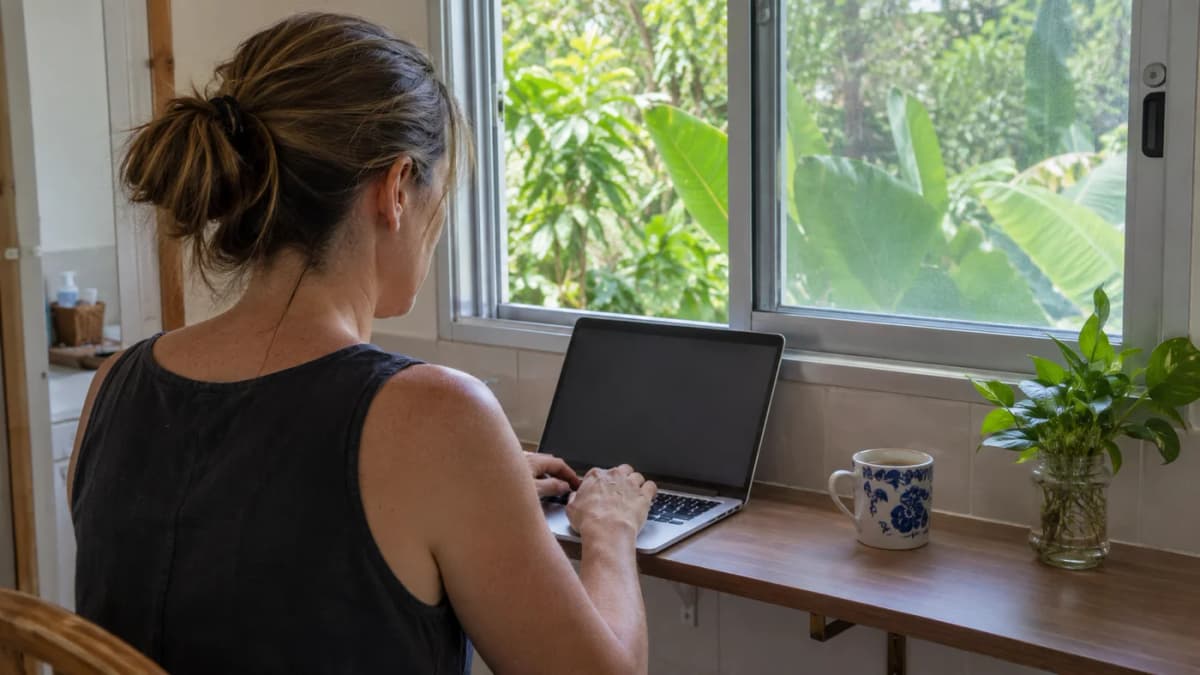
Most Digital Nomads in Thailand Are Technically Breaking the Law — Here's How to Do It Legally The legal reality is uncomfortable: if you're a digital nomad working remotely for overseas clients while living in Thailand on a tourist visa, y

Ananas Editor Team · Editors · 5 min read

How to Open a Restaurant in Hua Hin: Licenses, Costs, and Reality Check

Business

How to Open a Restaurant in Hua Hin: Licenses, Costs, and Reality Check

Opening a Restaurant in Hua Hin Requires 7 Licenses, 3 Months of Paperwork, and THB 500,000 Before You Serve Your First Customer That THB 500,000 figure isn't the build-out cost, the kitchen equipment, or the first month's rent. It's the minimum you'll spend on licensing, legal fees, and compliance before you're legally allowed to serve a single plate of food. Most aspiring restaurateurs in Hua Hin underestimate this number by half, discovering too late that the "simple restaurant" they envisioned requires health department inspections, food handler certificates, sign permits, alcohol licenses, fire safety clearance, and a company registration that satisfies the Foreign Business Act. The restaurant business in Hua Hin is booming — the town's boutique hospitality sector has grown 15% annually since 2022, and international visitors are spending more on dining experiences than ever before. But the barrier to entry is higher than it looks, and the regulatory maze catches unprepared owners off guard. This guide maps every license, every cost, and every timeline you need to navigate. The License Stack: What You Actually Need Opening a restaurant in Thailand requires a minimum of 7 distinct licenses and permits. Here's the complete list, in the order you should obtain them: # License/Permit Issuing Authority Cost Timeline Priority 1 Company Registration Department of Business Development THB 5,000-15,000 1-3 days Must be first 2 Food Establishment License Thai FDA (Food and Drug Administration) THB 2,000-5,000 2-4 weeks Before opening 3 Food Handler Certificate Local health office THB 100-500/person 1 day (exam) All staff handling food 4 Building Use Permit Local municipality THB 5,000-20,000 2-4 weeks Before construction/renovation 5 Sign Permit Local municipality THB 1,000-5,000 1-2 weeks Before installing signage 6 Alcohol License Excise Department THB 5,000-15,000 1-3 months If serving alcohol 7 Fire Safety Certificate Local fire department THB 1,000-3,000 1-2 weeks Before opening Total licensing cost: THB 15,000-63,000 — not including legal fees (THB 50,000-100,000 for a lawyer to handle the full process), company setup, or the actual build-out. Step 1: Company Registration (Week 1) Foreigners cannot directly own a restaurant in Thailand. You need a Thai company. The structure depends on your situation: Structure Foreign Ownership Annual Cost Best For Thai Limited Company 49% max (FBA rule) THB 80K-150K (accounting) Restaurants with Thai partner BOI-Promoted Company 100% possible THB 100K-200K (setup + compliance) High-investment restaurants Thai Spouse Ownership Thai spouse owns 100% THB 20K-40K (minimal) Married to Thai national The standard route: Register a Thai limited company with 51% Thai shareholding. Your Thai partner (spouse, friend, or business partner) holds majority shares. You control the business through board composition and shareholder agreements. This is the most common structure for foreign-owned restaurants in Hua Hin. Registration steps: Reserve company name at Department of Business Development (1 day) Prepare articles of association with lawyer Register company with minimum 2 directors (can be foreigners) Open company bank account Register for VAT at Revenue Department Step 2: Food Establishment License (Weeks 2-5) The Thai FDA requires every food-serving establishment to have a Food Establishment License. The process: Submit application to local health office (สำนักงานสาธารณสุขอำเภอ) Health inspector visits to verify: proper food storage, hygiene facilities, waste disposal, ventilation Receive license valid for 5 years What the inspector checks: Separate food storage areas (raw vs cooked) Proper refrigeration (below 5°C for perishables) Hand-washing stations for food handlers Waste disposal bins with lids Adequate ventilation and exhaust fans Clean water supply and drainage Step 3: Food Handler Certificates (Week 3) Every person who handles food — including the owner if they touch food — needs a Food Handler Certificate (ใบรับรองสุขภาพ). The process: Visit local health office with passport and photos Take a health screening (blood pressure, basic check) Pass a short written exam (in Thai, but basic) Receive certificate valid for 1 year Cost: THB 100-500 per person. For a restaurant with 10 staff, budget THB 1,000-5,000 total. Step 4: Building and Renovation (Weeks 2-12) Most restaurant openings in Hua Hin involve renovation of existing space. The building permit process is critical: Renovation Type Permit Required? Cost Timeline Cosmetic (paint, furniture, lighting) Usually no — 1-2 weeks Kitchen installation (exhaust, gas lines) Yes THB 10K-20K 2-4 weeks Structural changes (walls, floors, plumbing) Yes THB 10K-50K 3-6 weeks New construction Yes (full building permit) THB 20K-100K 2-4 months The renovation budget trap: Most restaurant owners in Hua Hin budget THB 300K-500K for renovation. The reality: basic kitchen equipment alone costs THB 200K-500K, exhaust and ventilation systems THB 100K-200K, furniture and fixtures THB 100K-300K. A "simple" restaurant renovation typically costs THB 800K-1.5M for a 30-50 seat establishment. Step 5: Alcohol License (If Applicable) If you plan to serve alcohol — beer, wine, cocktails — you need an alcohol license from the Excise Department. This is the most time-consuming license to obtain: Application : Submit to local Excise Department office Requirements : Company registration, building permit, food license, no criminal record for owners Timeline : 1-3 months (varies by location and season) Cost : THB 5,000-15,000 for the license itself Restrictions : Cannot sell alcohol before 11am or after midnight (some areas have stricter hours) Important: If you serve alcohol without a license, the fine is THB 10,000-50,000 per violation. Police raids on unlicensed establishments happen regularly in tourist areas. Step 6: Staff Hiring and Compliance Hiring staff for a restaurant in Hua Hin involves specific legal requirements: Requirement Details Cost Work permits for foreign staff Required for any non-Thai employee. THB 3,000/year per person. THB 3,000/year per foreign employee Thai labor law compliance Minimum wage: THB 336-370/day (depends on province). Social security contributions: 5% employer, 5% employee. Budget 10% on top of salaries Food handler certificates All food-handling staff need certificates THB 100-500/person Uniform and hygiene standards Hair nets, aprons, clean uniforms for kitchen staff THB 500-1,000/staff Typical staffing for a 30-seat restaurant: Position Count Monthly Salary (THB) Chef / Head Cook 1 25,000-40,000 Sous Chef 1 18,000-25,000 Kitchen Assistant 1-2 12,000-15,000 each Wait Staff 2-3 12,000-15,000 each Cashier / Host 1 12,000-15,000 Cleaner 1 10,000-12,000 Total Monthly Staff Cost 8-9 staff THB 110,000-160,000 The Complete Cost Breakdown Cost Category Low Estimate High Estimate Company registration + legal THB 60,000 THB 120,000 Licenses and permits THB 15,000 THB 65,000 Kitchen equipment THB 200,000 THB 500,000 Renovation and build-out THB 300,000 THB 1,500,000 Furniture and fixtures THB 100,000 THB 300,000 First 3 months rent THB 75,000 THB 300,000 Working capital (3 months staff + food) THB 400,000 THB 600,000 Marketing and launch THB 50,000 THB 150,000 TOTAL STARTUP COST THB 1,200,000 ($33,600) THB 3,035,000 ($85,000) The realistic number for a modest 30-seat restaurant in Hua Hin: THB 1.5-2M ($42,000-56,000) from licensing to opening day. A higher-end establishment with 50+ seats: THB 3-5M ($85,000-140,000). The Revenue Reality: What Restaurants Actually Earn Before investing, understand what a restaurant in Hua Hin typically earns. The market has two distinct segments: Segment Avg Meal Price Daily Covers Monthly Revenue Monthly Costs Net Profit Budget (local Thai) THB 100-150 60-100 THB 270,000-450,000 THB 200,000-350,000 THB 50,000-100,000 Mid-range (mixed) THB 200-350 40-80 THB 300,000-840,000 THB 250,000-600,000 THB 50,000-240,000 Premium (international) THB 400-800 30-60 THB 420,000-1,440,000 THB 350,000-1,000,000 THB 70,000-440,000 The seasonal factor: Hua Hin's restaurant revenue fluctuates dramatically. High season (November-February) sees 80-120% of budgeted revenue. Low season (May-August) drops to 40-60%. The annual average matters more than any single month. Budget for 8-10 months of viable revenue, not 12. Location Strategy: Where to Open Location Rent (30-50 seat) Foot Traffic Target Customer Risk Phetkasem Road (main strip) THB 25,000-50,000/mo High (passing traffic) Tourists, casual diners High rent, competition Near night market THB 20,000-40,000/mo Very High (evenings) Tourists, locals Noisy, seasonal Khao Takiab area THB 15,000-30,000/mo Medium (expat concentration) Expats, retirees Lower volume, loyal customers Soi 94 / Hua Hin Hills THB 15,000-25,000/mo Medium (digital nomads) Remote workers, brunch crowd Need strong social media Soi 88 / Railway area THB 12,000-20,000/mo Low-Medium Budget travelers, locals Low revenue potential The winning strategy: Open where your target customer already lives or visits, not where rent is cheapest. A mid-range restaurant in Khao Takiab with 60% occupancy outperforms a premium restaurant on Phetkasem Road with 40% occupancy — because the Khao Takiab customer comes weekly while the Phetkasem customer comes once. Common Mistakes (And How to Avoid Them) Mistake Cost How to Avoid Skipping the alcohol license to save time THB 10K-50K fine per violation Apply 3 months before opening — it's the slowest license Underestimating kitchen equipment costs THB 200K-500K over budget Get 3 quotes before committing; buy used for non-critical items Opening in low season 3-6 months of low revenue before high season Target opening for October/November Hiring too many staff at opening THB 100K+/month in unnecessary labor Start with minimum viable team, hire more as revenue grows No social media strategy Empty restaurant despite great food Instagram, Facebook, Google Maps presence before opening day Ignoring food cost management Profit margins shrink from 15% to 5% Track food cost weekly, aim for 30-35% of revenue The Bottom Line: Is a Restaurant in Hua Hin Worth It? The restaurant business in Hua Hin is viable but not easy. The market supports new openings — tourism is growing, the expat community is expanding, and the demand for quality dining options exceeds supply in many niches. But the barrier to entry is real: THB 1.5-3M in startup costs, 3 months of licensing, and the ongoing challenge of seasonal revenue fluctuations. The formula that works: choose a specific niche (not "another Thai restaurant"), target a defined customer base (expats, digital nomads, or specific cuisine enthusiasts), budget for 6 months of low-season revenue, and invest in social media from day one. The restaurants that fail in Hua Hin are the ones that try to be everything to everyone. The ones that succeed are the ones that do one thing well and market it relentlessly. For context on how restaurant costs fit into the broader business landscape, see our Cost of Living Guide . For understanding visa requirements for running a business, see the Visa Decision Matrix .

Ananas Editor Team · 9 min read

Hua Hin's Boutique Hospitality Boom: Small Hotels Changing the Local Economy

Business

Hua Hin's Boutique Hospitality Boom: Small Hotels Changing the Local Economy

From Fishing Nets to Four-Poster Beds Nuch Srisawat grew up watching her father haul in the day's catch on Hua Hin's main beach. Today, she checks in German architects and Tokyo creatives to her eight-room property, Aviyana Hua Hin, where fishing boats once docked. "We kept the original wooden beams from our storage shed," she says, pointing to the vaulted ceilings above a 2024-built infinity pool. "Now Instagrammers pay THB 4,500 a night to photograph them." Her story mirrors Hua Hin's quiet revolution. Where package tourists once dominated, a new breed of boutique operators are rewriting the rules. Properties like The Sea-Cret Garden Hua-Hin Hotel and U Hotel Hua Hin have converted family plots into design-forward escapes, often with fewer than 20 keys. The economics work: Nuch's occupancy hit 78% last high season—outpacing nearby chain hotels by double digits. It's a smart pivot. While Thailand's coastal property investment landscape heats up, these micro-developments sidestep the risks of large-scale resorts. "We don't compete on buffet breakfasts," Nuch laughs. "Our USP is telling guests which uncle still makes the best grilled squid." Why Hua Hin's Boutique Moment Matters Now 2026 marks a tipping point for this once-sleepy beach town. The InterContinental Hua Hin Resort's 2023 debut signaled big players' interest, but it's the 15+ boutique openings since 2022 rewriting the playbook. Unlike Phuket's party scene or Koh Samui's backpacker roots, Hua Hin attracts weekending Bangkok professionals and design-conscious regional travelers—demands that standardized chains struggle to meet. The shift reflects global trends. Post-pandemic travelers prioritize privacy (see The Peri Hotel's standalone villas) and hyper-local experiences (Ruenkanok Thaihouse Resort's cooking classes). Boutiques deliver both without the corporate feel. "Guests don't want to feel processed," says Putahracsa Hua Hin's GM. "Our check-in happens with lemongrass iced tea by the frangipani tree." Critically, these hotels create economic ripples. A Horwath HTL study shows boutique staff earn 12-18% more than chain counterparts, while sourcing 73% of supplies locally. When V Villas Hua Hin MGallery commissioned a sculptor for its lobby, it wasn't from Bangkok—it was a Prachuap Khiri Khan woodcarver. The Boutique Map: Who's Who in Hua Hin's New Guard Diversity defines this wave. At The Standard Hua Hin, retro 70s vibes draw Bangkok's fashion crowd (THB 6,500-9,000/night). Contrast with Dune Hua Hin's apartment-like quiet (THB 2,200 weekdays), popular with European remote workers. The Verona Riviera's Italian Riviera theme? A hit with Singaporean couples paying THB 8,000 for striped cabana loungers. Three standout models: Design-Forward: Sundance Dayclub's concrete-and-teak brutalism attracts architecture buffs. Maven Stylish Hotel's neon-lit lobby pulls Gen Z influencers. Heritage Plays: Baan Bayan's colonial-era teak floors host multigenerational Thai families. The Barai Hua Hin leans into Khmer temple motifs for luxury seekers. Niche Services: Anantasila Beach Resort's surf concierge books private coaches to nearby breaks. Haiyang Sand Villa Resort curates vinyl collections for each villa. Location matters less than before. While 60% cluster near Hua Hin Beach, outliers like Best Western Plus Carapace Hotel prove Cha-am's viability. The smart money's on Chopsticks Mountain—Dusit Ajara Hua Hin's leasehold residences sold out in 8 months. The Numbers: Boutiques Outperform Market Benchmarks Horwath HTL's 2026 projections reveal a split market. While mass-market (THB 2,000-4,000) hotels languish at 65% occupancy, THB 4,000+ boutiques are trending toward 85%—weekends hit 92%. The Standard's average daily rate (ADR) jumped 22% year-over-year, proving premium pricing power. Segment 2026 Occupancy Forecast ADR Range (THB) Luxury Boutique 82-87% 6,500-15,000 Design Boutique 78-83% 4,200-8,000 Budget Boutique 68-72% 2,000-3,800 Supply growth tells the story: 14 new boutiques opened 2022-2024 versus two chain flagships. Weekend dynamics drive this. "Bangkok clients book Thursday to Sunday," says a V Villas manager. "We don't need Monday-Wednesday tour groups." The Barai's spa revenue alone covers 41% of operating costs—a model impossible at 300-room properties. Why Boutiques Beat Chains in Hua Hin's New Era Hua Hin's weekend-driven rhythm favors small players. Chains like the InterContinental excel at volume, but struggle with flexibility. "We had a guest request a private Muay Thai lesson at 6 AM," laughs The Peri Hotel's owner. "Try that at a 400-key resort." Three unbeatable advantages: Hyper-Local Identity: Putahracsa's staff wear uniforms by a Hua Hin tailor. Ruenkanok's minibar stocks only Prachuap province craft beers. Design Freedom: U Hotel Hua Hin's concrete-and-glass aesthetic would give chain corporate offices hives. Guests love it. Revenue Streams: The Sea-Cret Garden sells ceramics by a local potter at 300% markup. Baan Bayan's vintage car tours book out weeks ahead. The trap? Overexpansion. "Some new owners think 'boutique' just means small," warns a Horwath analyst. "Without strong design or service, you're just an overpriced guesthouse." For now, the winners—like Nuch's Aviyana—keep it simple: "We're not a hotel," she smiles. "We're your rich friend's beach house." Local economy rewired: how boutique hotels source from fishermen, artisans, and farmers — concrete economic impact The boutique hotel boom in Hua Hin isn't just changing the hospitality landscape—it's rewiring the local economy in ways that standardized chain hotels never could. Unlike cookie-cutter resorts importing generic supplies, these smaller properties are creating hyper-local supply chains. Seafood comes directly from Pranburi fishermen, organic produce from Khao Tao farms, and handwoven textiles from Phetchaburi artisans. This procurement strategy isn't just feel-good marketing; it's creating measurable economic multipliers. Take Barai Hua Hin's partnership with local fishing cooperatives. The hotel commits to purchasing 80% of its seafood within 30km, paying premium prices for traceable catches. Similarly, Dusit Ajara sources its spa products from herbalists in Cha-am, creating steady demand for what was previously irregular income. These arrangements matter because boutique hotels typically spend 35-50% more locally than large resorts per occupied room—money that stays in the community rather than leaking to corporate suppliers. The design-forward nature of these properties also fuels creative economies. Architects commission custom furniture from Hua Hin woodworkers, while hotels like Aleenta Pranburi showcase rotating installations by Prachuap Khiri Khan artists. It's a smart ecosystem where tourism dollars flow directly to makers rather than stopping at importers. The downside? Some boutique operators complain about inconsistent quality from small producers—a tradeoff for authentic local character. The digital nomad effect: workcation demand, villa layouts, strong Wi-Fi, residential-style rooms Hua Hin's boutique hotels are cashing in on Thailand's workcation boom, with properties retrofitting spaces for digital nomads who want more than a generic coworking hub. Properties like The Standard and V Villas Hua Hin now market "residential hospitality" packages—think villas with dedicated workspaces, fiber-optic Wi-Fi, and month-long stays at 20% discounts. It's a risky pivot that's paying off: properties catering to this segment report 15-20% higher revenue per available room than traditional leisure-focused competitors. The winning formula combines privacy with productivity. Standalone villas with private pools now include soundproofed study nooks, while communal areas feature discreet power outlets and ergonomic seating. Some hotels even partner with Hua Hin's digital nomad infrastructure to offer coworking memberships as add-ons. The market's getting crowded though—newer entrants like Chiva-Som's work wellness retreats are raising the stakes with dedicated "focus pavilions" and productivity coaching. Long-stay guests (14+ nights) now account for nearly 30% of occupancy at design-forward properties, a segment that barely existed pre-pandemic. These visitors spend differently too—less on organized tours, more on local cafes and repeat dining at hotel restaurants. The trap? Overinvesting in tech that becomes obsolete. Smart operators keep IT modular while doubling down on timeless design elements that appeal to remote workers craving aesthetic backdrops for Zoom calls. Challenges: weekend volatility, Airbnb pressure, staffing, regulations — what's actually hurting Behind the Instagram-perfect facades, Hua Hin's boutique hotels face brutal operational realities. Weekend demand spikes create staffing nightmares—properties need 30% more employees on Fridays than Tuesdays, but Thailand's labor laws make flexible contracts difficult. Many owners privately admit they're running skeleton crews midweek, overworking staff before the Friday rush. It's unsustainable and leading to burnout in an already tight job market. Airbnb isn't the existential threat some claim, but it's reshaping pricing power. Private villas in Khao Tao and Cha-am undercut hotel rates by 40% for long stays, forcing boutiques to bundle services like daily cleaning and concierge access. The real pain point? Regulations. A Cha-am hotelier described spending 14 months navigating permits to convert a heritage house—time that meant missing two high seasons. Others cite arbitrary enforcement of zoning laws that favor large developers. The occupancy math looks worse than it is. While citywide rates hover around 70%, well-positioned boutiques consistently hit 80%+ by avoiding two mistakes: overbuilding (unlike Phuket) and failing to differentiate. The properties struggling most are those that copied Bali-style designs without adapting to Hua Hin's specific weekend-heavy, domestic-tourist market. Copycat concepts are getting crushed. Hua Hin vs the islands: why Phuket's 84% occupancy doesn't mean Hua Hin is losing Comparing Hua Hin to Phuket is like comparing a specialty coffee shop to a Starbucks—they serve fundamentally different markets. Phuket's 84% occupancy reflects its status as Thailand's packaged-tourism workhorse, where volume compensates for thinner margins. Hua Hin's 70% might look weaker, but boutique operators here achieve higher average daily rates ($180 vs Phuket's $155) with lower operating costs. That's why savvy investors aren't rushing to copy Phuket's overbuilt model. The key difference? Demand composition. Phuket relies on international arrivals (65% of guests), while Hua Hin's market is 70% domestic—mostly Bangkok professionals seeking quick getaways. This makes Hua Hin more resilient to global shocks but vulnerable to Thai economic dips. Smart boutique operators hedge by cultivating loyal repeat guests through memberships and exclusive events you'd never find at Phuket's mass-market resorts. Location strategy also diverges. While Phuket's luxury properties cluster around Surin and Kamala beaches, Hua Hin's successful boutiques spread across micro-markets—beachfront in Cha-am, hillside near Chopsticks Mountain, secluded in Pranburi. This geographic diversity prevents the oversaturation that's killing undifferentiated properties in Phuket's Patong area. The takeaway? Hua Hin's lower density allows for premium positioning if you pick the right niche. 2027 and beyond: investment opportunities, adaptive reuse, experience-led luxury — closing synthesis The next phase of Hua Hin's boutique boom won't be about more rooms—it'll be about smarter experiences. Adaptive reuse projects are gaining traction, with investors converting disused seafood warehouses into loft-style hotels and transforming old railway staff housing into retro-chic guesthouses. These projects win approval faster than new builds while offering authentic local character that cookie-cutter resorts can't match. Wellness remains the surest bet. Properties combining evidence-based therapies with Thai traditional medicine—like Chiva-Som's new "forest bathing" programs—command 30% price premiums. But the market's getting crowded. The next frontier? Hybrid hospitality-residential concepts where guests can transition from short stays to fractional ownership—a model Dusit Ajara is testing with its leasehold villas. The warning signs are clear: Hua Hin can't absorb unlimited boutique supply. But for operators who double down on local partnerships, leverage underutilized assets, and resist the trap of generic luxury, the rewards will be substantial. The winners will be those recognizing that in a market of weekenders and workcationers, differentiation isn't optional—it's existential.

Ananas Editor Team · 10 min read

Thailand's Green Energy Boom: Investment Opportunities in 2026

Business

Thailand's Green Energy Boom: Investment Opportunities in 2026

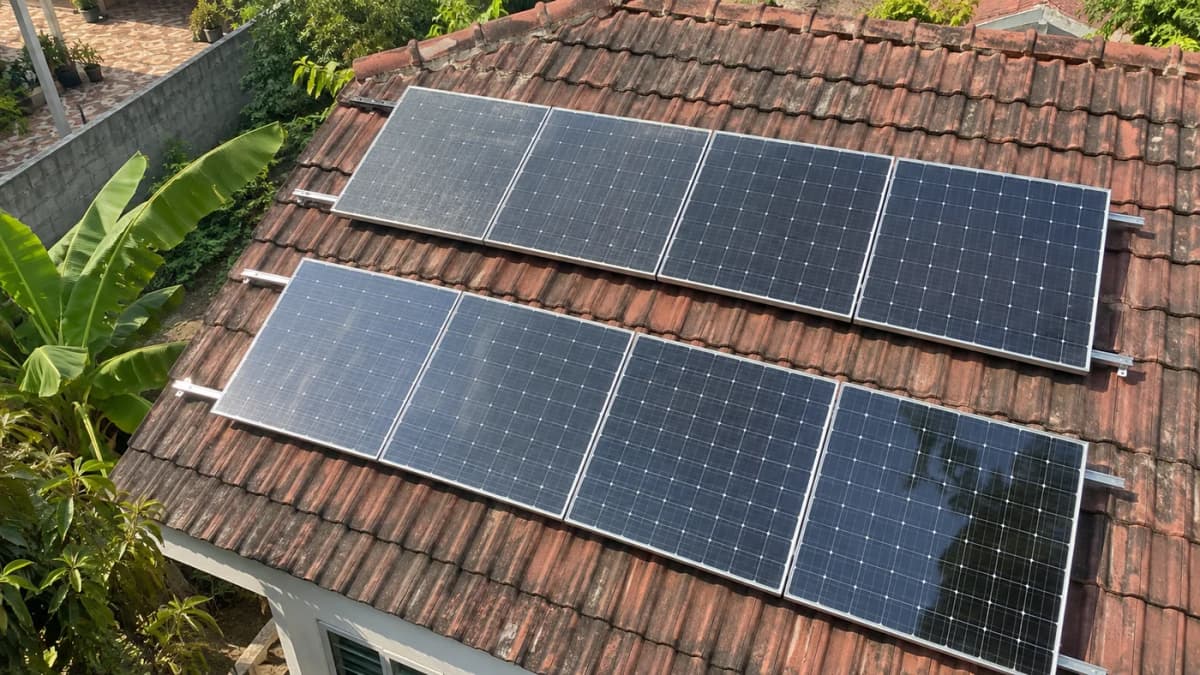
From Beach Bums to Solar Panels: A European Investor's Wake-Up Call Markus Schäfer adjusted his sunglasses as the company van sped past yet another solar farm outside Chonburi. The German private equity manager had come to Thailand expecting tropical beaches and pad thai - not endless rows of photovoltaic panels glinting under the Southeast Asian sun. "Last time I visited in 2018, this was all rice fields," he muttered, watching workers install tracking systems on a 50-acre solar array. His local fixer grinned. "Welcome to the new Thailand, khun." The Eastern Economic Corridor (EEC) tells the story better than any government brochure. Where tourists once saw only fishing boats and coconut plantations, Markus now counted seven renewable energy projects within a 20-minute drive - two floating solar farms on irrigation reservoirs, a biomass plant processing palm waste, and enough solar rooftops to power a mid-sized European town. At a 7-Eleven stop, he noticed the cashier charging her EV motorcycle from a solar canopy. "We've got 300 sunny days a year here," she shrugged when he asked about the setup. "Makes sense, no?" Thailand's energy transformation isn't just happening - it's accelerating at a pace that's caught even seasoned investors off guard. The numbers tell a stark story: renewable capacity has grown 400% since 2015, with solar leading the charge. What started as niche projects for CSR reports has become the country's fastest-growing infrastructure sector. And as Markus would learn over the next 48 hours, 2026 marks the year when Thailand's green energy ambitions shift from promising to profitable. The Numbers Don't Lie: Thailand's 2026 Energy Tipping Point Call it the perfect storm of policy, economics and geography. Thailand's draft Power Development Plan (PDP) through 2037 reads like a renewable energy shopping list: 24 gigawatts of terrestrial solar, 3 GW of floating solar, 5 GW of onshore wind, and enough battery storage to power Bangkok for eight hours. That's not some distant future - the 2026 pipeline alone includes 1,500 MW of community solar and 1,600 MW of floating solar across three major dams. For comparison, that's more solar capacity than Portugal's entire installed base. The economics finally make sense in 2026. Levelized costs for solar have dropped 62% since 2015, now sitting at THB 1.98/kWh compared to THB 2.80/kWh for new gas plants. With the government's new UGT2 green electricity rates kicking in April 2026, commercial buyers can lock in 20-year contracts at prices that undercut fossil fuels. Add in Thailand's 300+ days of annual sunshine (compared to Germany's 160), and you've got arguably the most bankable solar market in Asia outside China. But here's what smart money is watching: the ancillary opportunities. Every megawatt of solar needs 1.2-1.5 MWh of storage to smooth out intermittency. That's why Thailand's building 26 GWh of battery capacity plus 20 GWh of pumped hydro by 2030. The grid itself is getting a THB 210 billion upgrade to handle renewable inputs. And with hydrogen now officially designated as a fuel source, pioneers like PTT are already piloting ammonia co-firing at gas plants. This isn't just about solar panels anymore - it's a full-scale energy system overhaul. Solar Tsunami: How Thailand Became Southeast Asia's PV Powerhouse EGAT's control room looks more like NASA mission control than a traditional utility. Giant screens track real-time output from the 50 MWac floating solar farm at Vajiralongkorn Dam - just the first of three hydro-floating solar hybrid projects that'll total 1,600 MW by 2028. "We're not just slapping panels on water," explains project director Somchai Wongsa. "Each array is precisely tuned to complement hydro generation - solar by day, hydropower at peak demand, with smart inverters balancing the flow." The results speak for themselves: 35% higher capacity utilization versus standalone systems. Down the supply chain, companies like TSE PCL are quietly building one of the region's most diversified renewable portfolios. Their numbers tell the story: 53 projects totaling 310.86 MW under contract, with 24 already operational (73.80 MW) and 28 in development (229.06 MW). The real goldmine? Twenty-one solar projects locked into Thailand's 2022-2030 Feed-in Tariff (FiT) at THB 2.1579/kWh for 25 years. "That's basically a 12-14% IRR with government-guaranteed offtake," notes TSE's CFO. "Try finding that in European markets today." The innovation isn't just in scale, but in integration. At a pilot site in Korat, a 12 MW solar farm shares land with organic dragonfruit orchards - the panels mounted high enough for farming equipment to pass underneath. Nearby, a 45 MW project incorporates agrivoltaics, with solar trackers that adjust not just for sun position but for optimal crop shading. "We're getting 80% of normal crop yields while generating 1.8 GWh per acre annually," boasts the site manager. It's this kind of dual-use thinking that's making Thai solar projects 20-30% more land-efficient than regional competitors. Policy Windfall: Why Thailand's Green Tape Is Turning Green The "Thailand FastPass" placard on Energy Minister Pirapan's desk isn't just bureaucratic theater. Since its January 2026 launch, the expedited permitting program has slashed approval times for renewable projects from 18 months to 210 days. "We mapped every redundant signature, every pointless form," explains a ministry insider. "Now if your environmental impact study clears, you're basically guaranteed a construction permit within six months." For developers used to Vietnam's 3-year waits or Indonesia's permit labyrinths, it's a game-changer. But the real headline is Direct PPAs. After years of false starts, Thailand's Energy Regulatory Commission finally approved corporate power purchase agreements in Q4 2025. Early movers like Siam Cement Group and Central Retail have already signed deals for 1.2 GW of offsite renewables. "We're seeing 10-12 year contracts at THB 2.30-2.50/kWh," reveals a Bangkok-based energy lawyer. "That's 15% below grid parity prices with no fuel cost volatility." The kicker? Projects under 90 MW can bypass the utility entirely, dealing directly with end-users. For households and SMEs, the math got even simpler. The THB 200,000 tax deduction for rooftop solar installations has triggered a gold rush - over 90,000 systems registered since the policy launched. Combined with the new net metering rules (excess solar sells back to the grid at 75% of retail rates), payback periods have shrunk to 4-5 years. "My 25 kW system cost THB 900,000 after the tax break," says a Samut Prakan factory owner. "It covers 80% of our daytime load and cuts our bill by THB 25,000 monthly." With MEA and PEA's UGT2 green rates now live, even non-solar users can opt for 100% renewable power at a 10% premium - a no-brainer for ESG-conscious businesses. The Money Trail: Follow the THB 1 Trillion Opportunity BOI's latest investment report reads like a renewable energy love letter. As of June 2026, Thailand has approved 2,917 green energy projects worth THB 560 billion under its special incentive scheme. The breakdown is telling: 62% solar (both utility-scale and rooftop), 18% energy storage, 12% biomass/waste-to-energy, and 8% emerging tech like hydrogen and CCS. "We're seeing 30-40% IRRs on community solar projects with the new FiT rates," notes a Krungsri analyst. "That's private equity territory, but with infrastructure-grade risk profiles." The employment multiplier is equally staggering. Every 100 MW of solar creates 120-150 direct jobs during construction and 8-10 permanent O&M positions. Scale that to the 24 GW pipeline, and you're looking at 29,000+ skilled jobs - not counting manufacturing roles at new panel factories like the 5 GW facility going up in Rayong. "We can't train electricians fast enough," admits a vocational college dean in Chachoengsao. "Students used to want banking jobs. Now they're lining up for solar technician certifications." Follow the money downstream, and the opportunities multiply. The same factories building solar mounts are now supplying floating platforms for hydro-solar hybrids. Battery recyclers are popping up near major projects to handle end-of-life lithium packs. Even real estate's getting in on the action - check Bangkok's property investment landscape for warehouses retrofitted with solar canopies that double as EV charging hubs. "This isn't just about selling electrons anymore," sums up a veteran fund manager. "It's about building an entirely new industrial ecosystem." Here’s the HTML for PART 2 of "Thailand's Green Energy Boom: Investment Opportunities in 2026": 6. Where the money goes: solar, storage, grid, Direct PPAs — investor playbook Thailand's energy transition is a cash magnet in 2026, but not all sectors are equal. Solar generation dominates with 53 projects already in motion through TSE, but the real action's in floating solar. EGAT's 1,600 MW across three dams proves it's not just hype—the Vajiralongkorn 50 MWac project's performance metrics beat expectations. Industrial rooftops are another smart bet, with Double A Group and Gulf Energy's partnerships showing how C&I consumers are bypassing utility red tape. Storage's the bottleneck nobody saw coming. Thailand's got solar capacity coming online faster than batteries can balance the grid. The ADB's $350 million loan barely scratches the surface—investors who crack the storage code first will lock in ridiculous margins. Grid services are the dark horse, especially with EEC's THB 500-600 billion upgrade pipeline. Watch for companies that marry AI-driven load management with physical infrastructure. Direct PPAs are the game-changer. Data centers are sucking up capacity like vacuum cleaners, and the government knows it. The framework's still shaky (more on that later), but early movers like Gulf Energy are structuring off-take deals that'll print money once regulations solidify. Pro tip: hybrid solar-plus-storage paired with industrial decarbonization is where the smart money's hiding. 7. The players: EGAT, PTTEP, Gulf, PTT, TSE, ADB — who does what EGAT's the undisputed heavyweight, flexing with floating solar projects that put regional competitors to shame. Their dam-based installations aren't just PR—they're solving real land scarcity issues while delivering 8-12% IRRs. PTTEP's playing the long game with CCS at Arthit, but let's be real: it's a science experiment until 2028 at least. Gulf Energy's the hustler, snapping up Direct PPA opportunities before the ink's dry on policy papers. PTT and GPSC's ammonia co-firing MOU smells like desperation to stay relevant in a solar-dominated market. Meanwhile, TSE's quietly becoming the Swiss Army knife of Thai renewables—310.86 MW across 53 projects proves they've cracked the small-to-midscale deployment model. ADB's the sugar daddy keeping everything moving, but their loan terms reveal they're betting harder on Vietnam's manufacturing base. The wildcard? Regional banks. Kasikorn and SCB are structuring creative project finance deals that global players still don't fully grasp. Their local knowledge lets them underwrite risks that'd give BlackRock analysts nightmares. 8. The risks: grid bottlenecks, regulatory uncertainty, storage gap Thailand's grid is its Achilles' heel. The EEC's supposed to be the crown jewel, but try telling that to solar developers waiting 18 months for interconnection approvals. Storage isn't just underbuilt—it's being outpaced 3:1 by new solar capacity. That's a recipe for curtailment disasters once the 2027 projects come online. Regulatory whiplash is worse than most admit. The Direct PPA framework's stuck in consultation purgatory, and rooftop rules change faster than street food prices. PDP delays mean nobody knows if that biomass plant you're financing will be stranded by 2029. Hydrogen and CCS? Pure speculation plays—anyone telling you different's selling something. The hidden risk? Labor. Thailand doesn't have enough trained technicians to maintain all these solar farms, and the education pipeline's moving at bureaucratic speed. Investors better budget for German or Taiwanese contractors until local talent catches up. 9. Southeast Asia showdown: Thailand vs Vietnam, Indonesia, Malaysia — who's winning Thailand's smoking Vietnam in policy coordination—their Direct PPA and UGT2 frameworks are lightyears ahead. But Vietnam's eating their lunch in solar manufacturing, with Chinese-backed factories pumping out panels at 30% lower costs. Indonesia's got scale in geothermal, but their corporate procurement market's stuck in 2015. Malaysia's competitive where it counts—they've got better storage integration today, but Thailand's industrial demand will eclipse them by 2028. The real differentiator? Thailand's playing 4D chess with floating solar while neighbors fight over rooftop FITs. EGAT's dam projects give them grid stability others can't match, and PTT's ammonia experiments (however shaky) show they're thinking beyond electrons. But Malaysia's stealing data center clients with faster PPA approvals—a vulnerability Thailand can't afford to ignore. Indonesia's the sleeping giant no one's talking about. Once they sort out their permitting mess, their geothermal potential could reset the entire region's baseload calculus. Smart investors are hedging bets across both markets. 10. 2027 and beyond: what's coming, what to watch, closing synthesis Mark your calendars for Q2 2027—that's when Burapa CCGT's 540 MW comes online, either proving gas can coexist with renewables or becoming a stranded asset overnight. TSE's got 20 projects queued for 2027-2028 COD, but the real story's community solar finally scaling beyond pilot stages. Floating solar will double by 2028, assuming EGAT doesn't trip over its own bureaucracy. The make-or-break issue? Direct PPA final approval. If Thailand nails this, they'll lock in data center dominance for a decade. If they waffle, Malaysia's ready to pounce. Storage procurement's the other bellwether—current plans are dangerously inadequate for the solar wave coming. Final verdict: Thailand's renewables market is the region's most investable, but only for those with local partners who can navigate the regulatory minefield. Solar and storage are sure things, hydrogen's a lottery ticket, and anyone betting against floating solar hasn't seen EGAT's performance data. One thing's certain—the days of sleepy state-owned energy monopolies are over. For those navigating Thailand's evolving regulatory framework, check our guide on Thailand's drone regulations as a case study in how quickly policies can shift. Want deeper Thailand energy intelligence? Subscribe to Ananas Premium for exclusive investment reports and real-time policy alerts.

Ananas Editor Team · 12 min read

How to Register a Company in Thailand as a Foreigner: BOI vs Standard Route (2026)

Business

How to Register a Company in Thailand as a Foreigner: BOI vs Standard Route (2026)

In 2023, a British software engineer named Mark registered a Thai Limited Company in Bangkok with his Thai partner holding 51% of shares. Two years later, he discovered that changing the ownership structure to bring in a German investor required both a notarized share transfer and DBD approval — a process that took eleven weeks. His friend Priya, who launched a medical device startup under BOI promotion two months after him, hired her first foreign engineer in fourteen days. Same country, different rules, radically different outcomes. This is the central reality of company registration in Thailand: the route you choose determines everything — ownership, tax exposure, hiring flexibility, and how long you wait before opening a bank account. In 2026, two paths dominate for foreign entrepreneurs: the standard Thai Limited Company (with or without a Foreign Business License) and BOI-promoted status. Neither is universally better. Each is a tool for a specific situation. This guide breaks them down with the precision you need to choose correctly. The Legal Landscape in 2026 Thailand's corporate framework for foreigners rests on a single law: the Foreign Business Act B.E. 2542 (1999) , or FBA. It divides business activities into three lists that determine how much foreign capital can participate. List 1 includes activities entirely closed to foreigners, such as newspaper publishing, radio broadcasting, and trading in agricultural land. List 2 covers industries with national security or cultural significance, including domestic transport, fisheries, and the trade of Thai antiques; these require a Foreign Business License approved by the Cabinet. List 3 covers the largest commercial categories — retail, wholesale, food and beverage services, construction, and most professional services — which require an FBL from the Director-General of the Department of Business Development. There is a critical loophole. Companies with BOI promotion are exempt from the ownership restrictions of the FBA in their promoted activities. A BOI-promoted digital services firm can be 100% foreign-owned even though a standard digital agency would be capped at 49%. This is why the BOI route has become the default choice for technology, advanced manufacturing, medical technology, and green energy investors. Route 1: Standard Thai Limited Company The Thai Limited Company — baat sip saam (บริษัทจำกัด) — is the most common corporate vehicle. It requires a minimum of three shareholders, at least one director, a registered address, and a memorandum of association filed with the Department of Business Development (DBD). In its standard form, the company can be registered within two to four weeks if the documentation is clean. Ownership Structure For businesses on FBA List 3, foreign shareholders cannot own more than 49% of shares without an FBL. In practice, many foreign entrepreneurs work with a Thai majority partner, hold 49% themselves, and negotiate control through weighted voting rights, directorship structures, or shareholder agreements. These arrangements carry risk: Thai shareholders have formal control, and disputes over dividend distribution or strategic direction can deadlock operations. Some foreigners attempt to use nominee shareholders — Thai individuals who hold shares on paper but have no economic interest. This is explicitly illegal under Section 36 of the FBA. The DBD has increased scrutiny since 2020, and violations can result in criminal penalties, company dissolution, and a ban on future business activities in Thailand. Capital Requirements Legally, the minimum registered capital is 5 Thai Baht per share — effectively symbolic. In practice, most law firms recommend 100,000 to 500,000 THB for service businesses and 1 to 2 million THB for trading or manufacturing. If the company intends to hire a foreign director under a Non-Immigrant B visa and work permit, the capital requirement rises sharply: 2 million THB per foreign work permit, plus a minimum of four Thai employees per foreigner employed. Timeline and Costs Step Timeline Estimated Cost (THB) Reserve company name 1–3 days Free–500 File memorandum of association Same day 5,000–7,000 Statutory meeting & share allocation 1–2 weeks Legal fees apply Register with DBD 3–7 days 5,500–6,500 per 1M THB capital Tax ID & VAT registration 3–5 days No DBD fee Social security registration 1 day No fee Corporate bank account 1–3 weeks Bank-dependent Total legal and administrative costs for a straightforward registration range from 50,000 to 150,000 THB depending on whether you use a law firm or corporate services provider. Foreign Business License applications (if required) add 4–6 months and significant legal complexity. Route 2: BOI-Promoted Company The Board of Investment of Thailand (BOI) is a government agency that promotes targeted industries through tax incentives, ownership ease, and operational privileges. BOI promotion is not an industry. It is a status granted to specific projects that meet criteria in defined sectors. Promoted Activities in 2026 The BOI updates its Investment Promotion Policy periodically. In 2025–2026, priority sectors include: Smart electronics and advanced manufacturing Digital services, software development, and data centers Medical devices, biotech, and pharmaceuticals Automotive parts and electric vehicle infrastructure Green energy, waste management, and environmental technology Agricultural technology and food processing with advanced inputs Tourism technology platforms and wellness centers with digital components The complete list is maintained in the BOI Investment Promotion Guide , available from the BOI's official channels. Each activity carries specific requirements: minimum capital, technology transfer obligations, minimum R&D spending ratios, or location requirements (e.g., investment zones outside Bangkok). Ownership and Visa Benefits The most significant benefit for foreigners is unrestricted foreign ownership in the promoted activity. A BOI-promoted company can issue 100% of shares to foreign nationals and foreign legal entities. Additionally, BOI companies receive: Corporate income tax holidays of 3 to 8 years depending on the activity and location Exemption or reduction of import duties on machinery and essential materials Simplified work permit and visa processing for foreign directors, technicians, and researchers Permission to own land for industrial or operational purposes (under specific conditions) Deductible costs for infrastructure construction For tech entrepreneurs, the visa benefit alone often justifies the effort. Standard work permit processing can take 6–8 weeks; BOI-tracked applications are frequently resolved in less than two weeks. Application Process and Timeline BOI applications are not filed at the DBD. They are submitted to one of the BOI's regional offices or through the One Start One Stop Investment Center (OSOS) in Bangkok. The process includes: Pre-application consultation (1–2 weeks): BOI officers review whether your activity qualifies and advise on the specific promotion category. Formal application (2–3 months): Submission of a business plan, projected financial statements, technology description, employment plan, and environmental impact assessment if required. Due diligence and interview (1 month): BOI officers may request clarification or supplemental documents. Approval : Issuance of a Promotion Certificate with specific conditions (capital injection deadlines, hiring targets, technology transfer requirements). Company registration (2–3 weeks): The promoted entity is registered with the DBD, typically as a private limited company. Post-approval compliance : Annual reporting on operations, investment, and employment targets. Total timeline from first consultation to operational status: 3 to 6 months . Engaging a specialized BOI consultant can reduce the risk of rejection or delays and typically costs 100,000 to 500,000 THB depending on project complexity. Route 3: The Foreign Business License (FBL) For businesses that do not qualify for BOI but cannot operate within the 49% foreign ownership limit, a Foreign Business License is the remaining legal path. Applications go to the Department of Business Development, not the BOI. The DBD evaluates whether the business contributes to Thai employment, technology transfer, or export capacity. FBL applications carry higher rejection rates than BOI. The DBD typically expects to see: A clear case for why the activity requires foreign expertise not available domestically A minimum capital of 3 million THB for List 3 activities A phased plan for training Thai staff to eventually assume senior roles Proof that the business will export or generate foreign exchange For most entrepreneurs in 2026, the FBL path is slower, costlier, and less predictable than BOI. It is most commonly used by retail chains, hospitality groups, and trading companies with established operations in other countries who cannot restructure to qualify for BOI. Head-to-Head Comparison Factor Standard Thai Ltd BOI-Promoted FBL Route Foreign Ownership 49% (List 3) 100% (promoted activities) 100% (if approved) Min. Capital Typically 100K–2M THB Activity-dependent; often 1M+ 3M THB (List 3) CIT Rate 20% 0–20% (holiday period) 20% Processing Time 2–4 weeks 3–6 months 4–6 months Work Permit Speed Standard (6–8 weeks) Fast-track (1–2 weeks) Standard Land Ownership Not permitted Possible (industrial) Not permitted Annual Compliance Standard BOI reporting required Standard Best For Low-capital services, consulting Tech, manufacturing, medical Retail, hospitality, trading Regional Consideration: Hua Hin and Bangkok Where you register matters. Bangkok offers the largest talent pool, the fastest DBD processing, and the concentration of law firms and BOI consultants. For startups and tech companies, the ecosystem around Rama 9 and Asoke provides access to venture capital and co-working infrastructure. Hua Hin and coastal Prachuap Khiri Khan Province (TH-77) have traditionally been less common for corporate registration, but the trend is shifting. The government has designated several of Thailand's less industrial provinces as investment promotion zones where BOI projects receive additional tax holidays or lower capital requirements. If your business does not require a Bangkok address for client access, registering in a provincial zone can reduce operational costs and extend tax benefits. Practical note: Foreign-owned companies registered in Bangkok can operate branch offices or service locations in Hua Hin without re-registering. The corporate address determines jurisdiction for DBD and BOI filings, not where employees physically work. Common Mistakes Foreign Entrepreneurs Make Underestimating capital requirements. Entrepreneurs budget for the minimum registered capital without factoring in the 2 million THB threshold needed for a foreign director's work permit. The result: a legally registered company with a foreign founder who cannot legally work for it. Using nominee shareholders. The FBA's Section 36 penalties are not theoretical. In 2024, the DBD audited over 400 companies suspected of nominee structures and revoked business licenses in twelve cases. The legal fees to unwind a nominee structure and re-register exceed the cost of doing it correctly from the start. Choosing the wrong BOI category. BOI officers evaluate applications against narrowly defined activity codes. A "fintech app" may qualify under "digital services" or may not qualify at all if it is interpreted as a financial activity outside BOI scope. Pre-application consultation is essential. Ignoring post-registration compliance. BOI companies must submit annual progress reports. Failure to meet employment or investment targets can trigger revocation of promotion status and retroactive tax liability. Standard companies must file audited financial statements and VAT returns monthly or quarterly. Non-compliance accumulates penalties quickly. What This Means for Your Business If you are launching a low-capital consulting firm, a trading company, or a one-person service business, the standard Thai Limited Company is likely sufficient. Accept the 49% ownership ceiling, work with a legitimate Thai partner or minority shareholder, and budget for the 2 million THB capital if you personally need a work permit. If you are building a technology company, manufacturing operation, medical device venture, or green energy project with significant capital — the BOI route is not optional. The 100% ownership, tax holidays, and fast-track visa processing create structural advantages that compound over time. The three-month application period is a cost of entry, not a barrier. The FBL route exists for edge cases. It should be evaluated only if your industry is on FBA List 3, you require 100% ownership, and BOI does not cover your activity. In most scenarios, restructuring the business model to qualify for BOI promotion is faster and more reliable than pursuing an FBL. Thailand's regulatory framework is complex, but it is also navigable. The difference between Mark's eleven-week share transfer and Priya's two-week engineer hire was not luck. It was the choice of route at the start.