


THB/USD36.48
THB/EUR39.72
BTC/THB2,461,800
Gold/THB83,420
Hua Hin+32°C, Mainly clear
AQI48 · Good

Category Archive

Life

Local lifestyle, retirement tips, expat guides, and cultural experiences from the Ananas Insider editorial stream.

Hua Hin Expat Clubs, Facebook Groups and Meetups: Complete Guide
Life

Hua Hin Expat Clubs, Facebook Groups and Meetups: Complete Guide

The Loneliness Nobody Warns You About (And How to Fix It) You moved to Hua Hin for the beach, the food, and the affordable lifestyle. Three weeks later, you realize you haven't had a real conversation with anyone who isn't a bar staff membe

Ananas Editorial · Editorial Team · 9 min read

Best Areas to Live in Hua Hin for Expats: The Complete Neighborhood Guide

Life

Best Areas to Live in Hua Hin for Expats: The Complete Neighborhood Guide

Choosing the Wrong Neighborhood Will Cost You Months of Misery (And Thousands of Baht) You've decided to move to Hua Hin. Great choice. But now comes the question that determines whether your move is a dream or a disaster: where exactly should you live? Pick the wrong neighborhood and you'll spend months stuck in traffic, far from the beach, surrounded by nothing but 7-Elevens and empty soi. Pick the right one and you'll wonder why you ever lived anywhere else. Hua Hin isn't one neighborhood — it's a string of distinct areas, each with its own personality, price point, and lifestyle. Some are quiet and residential, others are buzzing with nightlife. Some are walkable, others require a motorbike. Some are cheap, others will make your wallet cry. The differences between neighborhoods are dramatic — a 10-minute drive can mean the difference between paying 5,000 THB/month and 15,000 THB/month for the same size apartment. And the neighborhood that looks perfect on Google Maps might feel completely different in person. This guide breaks down every major area in Hua Hin, with real prices, real distances, and the kind of practical advice that only comes from talking to people who actually live there. We'll cover rental costs, beach access, walkability, nightlife proximity, family-friendliness, and the intangible factors that make a neighborhood feel like home — or like a mistake. Quick Comparison: Hua Hin Areas at a Glance Area Rent (1-bed) Beach Walkable Nightlife Best For Central Hua Hin 8,000-15,000 THB 5-10 min walk Excellent High First-timers, convenience Khao Takiab 6,000-12,000 THB 3-5 min walk Good Low Beach lovers, quiet life Soi 94 / Soi 112 5,000-10,000 THB 10-15 min walk Moderate Moderate Budget expats, nightlife Nong Kae 5,000-9,000 THB 15-20 min walk Low Low Families, long-term stays Hin Lek Fai / Black Mountain 8,000-20,000 THB 20-30 min drive None None Golfers, villa seekers Cha-Am 4,000-8,000 THB 5-10 min walk Moderate None Ultra-budget, quiet Rent prices are monthly for a fully furnished 1-bedroom apartment. Prices vary significantly within each area — beachfront properties cost 30-50% more than those 500m inland. All prices are in Thai Baht (THB), with approximate USD equivalents at 35.7 THB/$1. Central Hua Hin: The Default Choice (For Good Reason) Central Hua Hin is the area most first-time expats choose, and it's easy to why. Everything is within walking distance: the beach, the night market, restaurants, hospitals, banks, and the train station. You don't need a motorbike here — you can walk to most daily necessities. The vibe: Lively but not overwhelming. Thai locals and expats mix naturally. Street food stalls line every soi, and the night market on Dechanuchit Road runs nightly. It's the most "convenient" area in Hua Hin — you can walk to the beach in 5 minutes, grab dinner at the night market in 3 minutes, and visit the hospital in 10 minutes. Prices: 1-bedroom condos range from 8,000-15,000 THB ($224-420) per month. Studios can be found for 5,000-7,000 THB. Beachfront properties command premium prices — expect 12,000-20,000 THB for a 1-bed with ocean views. The sweet spot is a 5-minute walk from the beach — you get proximity without the premium. Who lives here: First-time expats, short-term stays (1-3 months), people who value walkability over space, retirees who want convenience, digital nomads who work from cafés. This is the "safe choice" — you won't hate it, even if you don't love it. The downside: It's the most touristy area, which means higher prices, more touts, and the constant sense that you're in a "foreigner zone." The night market is overcrowded after 8 PM, and the beach gets packed during high season. If you want authentic Thai living, central Hua Hin isn't it. Pro tip: Look for condos on Soi 61-67 — these are parallel to the beach but one block back, offering better prices with the same walkability. The beach road itself is overpriced. Khao Takiab: The Beach Neighborhood (Where Locals Actually Live) Khao Takiab sits at the southern end of Hua Hin's beach, built around a hill topped with a Buddhist temple (Wat Khao Takiab). This is the area for people who want to wake up and be at the beach in under 5 minutes — and who don't mind a hill in their daily commute. The vibe: Quieter than central, more residential, strong local community. The hill provides natural shade and cooler temperatures. The beach here is less crowded than central Hua Hin, and the sunsets are spectacular — the hill faces west, making Khao Takiab one of the best sunset spots in town. Prices: 1-bedroom condos from 6,000-12,000 THB ($168-336). The beachfront condos cost more — expect 10,000-15,000 THB. Hillside properties with ocean views command 15,000-25,000 THB. The hillside properties are genuinely stunning — imagine waking up to a panoramic view of the Gulf of Thailand every morning. Who lives here: Beach lovers, digital nomads who want a quieter setting, couples, retirees who prefer residential over commercial, families with older children. Khao Takiab attracts people who want the beach lifestyle without the tourist crowds. The downside: It's a 10-15 minute walk to central Hua Hin, and the hill makes cycling challenging. You'll need a motorbike or songthaew for trips to the night market or hospital. The local community is tight-knit, which is great for socializing but can feel exclusionary for newcomers. Pro tip: The area around Soi 102-112 offers the best value — walking distance to the beach, quieter streets, and prices 20-30% lower than beachfront. Soi 94 / Soi 112: The Budget Zones (Cheap But Functional) These sois run perpendicular to Phetkasem Road and offer the cheapest accommodation in Hua Hin. They're not glamorous, but they're functional and affordable. If budget is your #1 priority, this is where you'll find the best deals. The vibe: Working-class Thai neighborhoods with a growing expat presence. Street food is cheap and excellent — the khao man gai (chicken rice) stalls here serve some of the best in town for 40-60 THB. The sois connect to Phetkasem Road, giving you access to buses and songthaews. Prices: 1-bedroom apartments from 4,000-8,000 THB ($112-224). Some studios go as low as 3,000 THB. The trade-off is distance from the beach and nightlife — you'll need a motorbike for most trips. But the savings are significant: a 1-bed here costs the same as a studio in central Hua Hin. Who lives here: Budget expats, long-term residents who've figured out the cheaper options, people who spend most time outside anyway, retirees on fixed incomes who want to stretch their budget. The downside: No beach proximity, limited nightlife, fewer Western amenities. The streets are darker at night, and some buildings are older with less reliable AC. You'll need a motorbike for everything beyond the immediate soi. Pro tip: Soi 94 is closer to central Hua Hin (10-minute walk), while Soi 112 is quieter but further (15-20 minute walk). Choose based on whether you prioritize convenience or quiet. Nong Kae: The Quiet Alternative (Between Two Worlds) Nong Kae sits between central Hua Hin and Khao Takiab — close enough to both, but quiet enough to feel like a different town. It's a residential area with few tourists and a strong local community. If you want the best of both worlds without the crowds, Nong Kae is worth exploring. The vibe: Suburban, quiet, residential. Not much happens here after 9 PM. But you're a 10-minute motorbike ride from everything — central Hua Hin to the north, Khao Takiab to the south. The area has a genuine Thai neighborhood feel, with local markets, family-run restaurants, and a sense of community that's harder to find in more touristy areas. Prices: 1-bedroom condos from 5,000-9,000 THB ($140-252). Larger apartments and townhouses available at reasonable prices. The value proposition is excellent — you get more space for less money than central Hua Hin, with reasonable access to everything. Who lives here: Families with kids, long-term retirees, people who value peace over excitement, couples who want a quieter base for exploring. Nong Kae attracts the "settled" expat crowd — people who've been in Hua Hin for a while and want a more permanent-feeling home. The downside: Limited walkability — you'll need a motorbike for most trips. The beach is a 15-20 minute walk, which is too far for casual evening strolls. The nightlife options are minimal — you'll need to go to central or Khao Takiab for evening entertainment. Pro tip: Look for properties near Phetkasem Road — the main artery gives you easy access to songthaews and buses, while the residential sois behind offer quieter living. Hin Lek Fai / Black Mountain: The Upscale Escape (Resort Living at Home) These areas sit inland, about 20-30 minutes from the beach by car. They're dominated by golf courses, luxury villas, and expat estates. The scenery is stunning — rolling hills, green fairways, and mountain views. This is the "resort lifestyle" without the resort price tag. The vibe: Resort-like, quiet, exclusive. Not walkable — you need a car or motorbike for everything. The trade-off is space, views, and tranquility. The hillside properties have panoramic views that rival anything in Hua Hin, and the golf courses provide a built-in social scene. Prices: 1-bedroom condos from 8,000-15,000 THB. Villas start at 20,000 THB and go up to 60,000+ THB. The most expensive area in Hua Hin, but you get what you pay for — space, views, and a genuine resort atmosphere. Who lives here: Golfers, families with cars, wealthy retirees, people who want resort-style living year-round. This is the "permanent vacation" crowd — people who've retired and decided to live like they're on holiday every day. The downside: Complete car dependency. No walkability, limited public transport, and the beach is a 20-30 minute drive. If you don't play golf, the social scene is limited. The isolation can feel like a plus or a minus depending on your personality. Pro tip: Black Mountain area has newer developments with better infrastructure. Hin Lek Fai is cheaper but more spread out. Both require a car. Cha-Am: The Budget Beach Town (The Hidden Gem) Cha-Am sits 20 minutes north of Hua Hin and offers the cheapest beachfront living in the area. It's quieter, less developed, and more "authentically Thai" than Hua Hin. If budget is everything and you don't mind being away from the action, Cha-Am is worth considering. The vibe: Quiet fishing village vibes, few tourists, local markets. The beach is wider and less crowded than Hua Hin's. Not much nightlife — this is a place for early mornings, beach walks, and simple living. The community is small and tight-knit, which can be a plus or minus depending on your social needs. Prices: 1-bedroom condos from 4,000-8,000 THB ($112-224). Beachfront properties are rare but available at reasonable prices. Cha-Am is the cheapest option for beachfront living in the Hua Hin area. Who lives here: Ultra-budget expats, people who want peace and quiet, Thai families escaping Bangkok, retirees who prioritize cost over convenience. Cha-Am attracts the "simple living" crowd — people who want a beach life without the tourist infrastructure. The downside: Limited Western amenities, few English-speaking services, and a 20-minute drive to Hua Hin for anything beyond basic necessities. The nightlife is essentially nonexistent. If you need social interaction, this isn't the place. Pro tip: The beach road has the best properties — look for condos with direct beach access. Inland properties are cheaper but you lose the beach lifestyle that makes Cha-Am worth considering. Decision Framework: Which Area Is Right for You? Choose Central Hua Hin if: You're new to Hua Hin, value walkability, want nightlife and restaurants, or are staying 1-3 months. This is the default choice for first-timers. Choose Khao Takiab if: You want beach access, prefer quieter surroundings, and don't mind a motorbike for longer trips. Great for couples and beach lovers. Choose Soi 94/112 if: Budget is your #1 priority and you don't need beach proximity. Best value for money in Hua Hin. Choose Nong Kae if: You have a family, want peace and quiet, and don't mind being 10 minutes from everything. The "settled expat" choice. Choose Hin Lek Fai if: You play golf, have a car, and want space and views. The "resort lifestyle" choice. Choose Cha-Am if: You want the cheapest beachfront option and don't need nightlife. The "simple living" choice. Practical Tips for Choosing Visit first: Spend a week in Hua Hin before committing to a lease. Walk the neighborhoods, eat at local restaurants, talk to other expats. The area that looks good on Google Maps might feel different in person. Spend time in each area at different times of day — morning, afternoon, and evening — to get the full picture. Motorbike vs car: If you plan to live outside central Hua Hin, you'll need wheels. Motorbikes cost 2,500-4,000 THB/month to rent. Cars cost 8,000-15,000 THB/month. A motorbike is sufficient for most needs, but a car is necessary for Hin Lek Fai and for families with kids. Lease terms: Most landlords want 6-12 month leases. Short-term stays (1-3 months) pay premium rates. Negotiate long-term for better prices — a 12-month lease can save you 15-25% compared to monthly rentals. Always get a written agreement, even if the landlord seems trustworthy. Utilities: Electricity costs 1,500-3,000 THB/month depending on AC usage. Water is cheap (200-500 THB). Internet is 500-800 THB/month for 100-200 Mbps fiber. Some landlords include internet in the rent, others don't — always ask before signing. Noise levels: Ask neighbors about nightlife noise, construction, and dog barking. What seems quiet during the day might be noisy at night. Visit on a Friday or Saturday evening to test the real noise levels. The Verdict: Where Should You Live? For most expats, Central Hua Hin or Khao Takiab are the best choices. Central offers convenience, Khao Takiab offers beach proximity and tranquility. Both have established expat communities and reasonable prices. For budget expats: Soi 94 or Soi 112. You'll save 30-50% on rent compared to central, but you'll need a motorbike and won't have walkable beach access. For families: Nong Kae. Quiet, residential, with good schools nearby. You'll need a car, but the space and community are worth it. For luxury seekers: Hin Lek Fai or Black Mountain. Golf, views, and resort-style living. Bring your wallet and your car. The key is to match the neighborhood to your lifestyle, not your budget alone. A cheap apartment in the wrong area will cost you more in transport, stress, and missed opportunities than a slightly more expensive one in the right area. For more on monthly costs in Hua Hin or neighborhood investment potential , see our related guides.

Ananas Editorial · 13 min read

Expat Relationships in Thailand: Dating, Marriage, and Legal Rights

Life

Expat Relationships in Thailand: Dating, Marriage, and Legal Rights

James Wheeler moved to Hua Hin in 2023, single and expecting nothing more than beach sunsets and cheap beer. Eighteen months later, he's married to a Thai woman he met at a local market, owns a condo they share, and has discovered that Thai family law has about as much romance as a tax audit. "Nobody told me about the sin sod," he said, referring to the traditional Thai dowry. "Nobody told me about the 20-year house registration requirement for a marriage visa either. I found out the hard way." James's story isn't rare. Thailand is one of the most popular destinations for Western men seeking relationships, and the country's relatively straightforward marriage laws make it easy to tie the knot. But "easy to get married" and "easy to navigate the legal consequences" are two very different things. Whether you're dating, planning to marry, or already married and trying to understand your rights, Thailand's relationship terrain has traps that catch even the most careful expats. The Dating Landscape: What You're Actually Getting Into Thailand's dating scene is nothing like what you've seen in movies or read on internet forums. The reality is more nuanced, more cultural, and more complicated than "Thai women love Western men" or any of the other reductive narratives that dominate online discussions. Thai dating culture operates on a different set of rules than Western dating. Family involvement is expected, not optional. Financial discussions happen earlier than you'd expect. And the concept of "sin sod" — the traditional dowry paid by the groom to the bride's family — is a non-negotiable part of the marriage process that catches most Western men completely off guard. Aspect Western Norm Thai Norm Family involvement Optional, usually after dating Expected from the start Financial discussion Often avoided early on Open and expected Sin sod (dowry) Doesn't exist Expected, amount varies Timeline to marriage Months to years Often faster (weeks to months) Divorce 50/50 split common Asset-based, not automatic 50/50 The Sin Sod: Thailand's Dowry tradition Sin sod is the Thai tradition of the groom paying money or gold to the bride's family before marriage. It's not a bride price in the transactional sense — it's a cultural tradition that demonstrates the groom's financial stability and respect for the family. The amount varies widely based on the bride's education, family status, and whether she's been married before. For a Thai woman with a university degree from a middle-class family, sin sod typically ranges from 100,000 to 500,000 THB ($2,800-14,000). For women from wealthy families or with advanced degrees, it can exceed 1,000,000 THB ($28,000). For women who have been previously divorced, the amount is often reduced or waived entirely. The critical thing to understand is that sin sod is returned to the couple after the wedding ceremony — at least in theory. In practice, the family keeps a portion for ceremony expenses, and the couple gets the rest. The amount returned varies by family. Some expats report getting 70-80% back; others report getting nothing. This is a conversation you must have before you propose. Common mistake: Refusing to pay sin sod because you think it's archaic or transactional. In Thai culture, refusing sin sod signals that you don't respect the family or the tradition. It can end the relationship before it starts. The negotiation should happen through the bride's family, not through your partner alone. Getting Married: The Legal Process Thailand's marriage process is refreshingly simple compared to most countries. You need two witnesses, a translator if you don't speak Thai, and a trip to the local district office (amphoe). The entire process takes about 30 minutes once you have the documents. The documents you need are straightforward: Document Details Passport Original + photocopy Affidavit of Freedom to Marry From your embassy in Thailand Translated copy English to Thai, certified translation Two witnesses Thai or foreign, must have ID Registration fee 400 THB ($11) The Affidavit of Freedom to Marry is the trickiest part. Your embassy will issue this document confirming you're not currently married. Most embassies in Bangkok charge 100-200 USD for this service and require an appointment. The document is valid for 90 days, so don't get it too early. The marriage is registered at the district office where the Thai partner's household registration (tabien baan) is located. You both show up with documents, sign the marriage certificate, and it's done. The entire ceremony takes 30-60 minutes. Critical detail: Thailand does not recognize common-law marriages. No matter how long you've lived together, you have no legal rights as a couple unless you register the marriage. This matters for visa applications, inheritance, and property ownership. The Marriage Visa: The 20-Year Trap One of the main reasons expats marry Thai partners is to qualify for a marriage visa (Non-Immigrant O based on marriage). This visa allows you to stay in Thailand for one year, renewable annually, as long as you meet specific requirements. The requirements are strict and catch many expats off guard: Requirement Details Marriage duration Minimum 2 years before applying House registration Thai spouse must have 20+ years on tabien baan Financial requirement 400,000 THB ($11,400) in Thai bank account Income requirement 40,000 THB ($1,140) monthly income Address reporting 90-day reporting at immigration The 20-year house registration requirement is the dealbreaker that most expats don't know about. Your Thai spouse must have had their name on the household registration (tabien baan) for at least 20 years. If your spouse is young, recently moved, or doesn't have a long registration history, you won't qualify for the marriage visa — regardless of how long you've been married. Many expats discover this requirement after they've already married and moved to Thailand, only to find that they need to use tourist visas or education visas instead. This is a conversation to have before you commit to a marriage-based immigration strategy. Property Ownership: The Company Structure Trap Foreigners cannot own land in Thailand. This is one of the most misunderstood aspects of Thai property law, and it directly impacts married couples. If you marry a Thai citizen and plan to buy a house or condo, you need to understand the rules before you sign anything. Condos: Foreigners can own up to 49% of units in a condominium building, provided the funds come from abroad and are converted to Thai baht. If you marry a Thai citizen, you can buy a condo in your name alone using foreign-sourced funds. Your spouse has no automatic claim to the condo unless you add them to the title. Land and houses: Foreigners cannot own land under any circumstances. If you buy a house on land, the land must be in your Thai spouse's name. This is the arrangement most married expat couples use, and it works — but only if you trust your spouse completely. If the marriage ends, the land belongs to your spouse, not to you. You have no legal claim to it. The company structure: Some expats create a Thai company to own land, with the foreigner holding shares and the company holding the land title. This is technically legal but practically risky. The government has cracked down on these structures, and if the company is found to be a sham (owned primarily by one foreigner for the purpose of circumventing land ownership laws), the land can be seized. The safest approach: If you're buying property with a Thai spouse, buy a condo in your own name (using foreign-sourced funds) and let the land be in your spouse's name. If you're buying a house, understand that the land is legally your spouse's property. A prenuptial agreement can address what happens to the property in a divorce, but it cannot override Thai land law. Divorce: What Actually Happens Thailand allows both consensual and contested divorces. A consensual divorce can be completed in a single day at the district office for 400 THB ($11). A contested divorce — where there are disputes about assets, children, or fault — goes through the family court and can take 6-18 months. Thai divorce law is based on the Civil and Commercial Code, which doesn't follow the Western "community property" or "equitable distribution" models. Instead, Thai courts consider: Factor How It Affects Division Personal assets Each spouse keeps what they brought into the marriage Joint assets Divided based on contribution, not automatically 50/50 Adultery Can affect division if proven Desertion Can affect division if proven Children Custody typically goes to the mother The critical thing to understand is that Thai courts look at who paid for what, not who earned what. If you can prove you paid for the condo, the car, and the furniture, you have a strong claim to those assets in a divorce. If you transferred money to your spouse's account and they bought the property in their name, proving your contribution becomes much harder. Protection strategy: Keep records of all major purchases. Use bank transfers instead of cash. Consider a prenuptial agreement (sincerely recognized in Thailand) that specifies how assets will be divided. And if you're buying property, buy a condo in your own name rather than relying on your spouse's land ownership. Children and Custody: The Mother Wins Thai family law strongly favors mothers in custody disputes. Unless the mother is proven to be unfit — through criminal behavior, abandonment, or abuse — she will almost certainly receive primary custody of children under the age of seven. After seven, the court considers the child's preference, but the mother still has an advantage. Fathers have visitation rights, but enforcing them can be difficult. Thai courts don't have the same enforcement mechanisms as Western courts, and if the mother moves to a different province, practical access becomes a challenge. If you have children with a Thai partner and the relationship ends, your best options are: Option 1: Negotiate a custody agreement directly with the mother. This is cheaper, faster, and less traumatic for everyone involved. Option 2: Mediation through the family court. This takes 3-6 months but results in a legally binding agreement. Option 3: Contested custody battle. This takes 12-18 months, costs 100,000-500,000 THB ($2,800-14,000) in legal fees, and the outcome is uncertain. Thai courts will prioritize the child's stability, which usually means keeping them with the mother. The 90-Day Reporting Requirement If you're on a marriage visa or any long-term visa, you must report your address to immigration every 90 days. This isn't optional, and missing a report can result in fines, visa cancellation, or deportation. The 90-day report can be done in person at your local immigration office, by mail, or online through the immigration website. The process takes 1-2 weeks by mail, 1 day in person, and 3-5 business days online. Most expats set a calendar reminder and do it online — it's the simplest option. Penalty for missing: 2,000 THB ($57) fine for the first offense. Repeat offenses can result in visa cancellation and a one-year ban from Thailand. Immigration takes this seriously — it's not a bureaucratic suggestion, it's a legal requirement. The Verdict: Is Marriage Worth It? For expats who genuinely want to build a life in Thailand, marriage offers significant advantages: a clear path to long-term residency, a stable family structure, and integration into Thai society in ways that are impossible as a perpetual tourist. The legal protections — while different from Western law — exist and can be navigated with proper planning. For expats who are primarily interested in the visa benefits, marriage is a gamble. The 20-year house registration requirement, the financial obligations, and the property ownership restrictions mean that marriage alone doesn't solve your immigration problems. You still need a backup plan. The smart approach is to enter marriage with eyes open. Understand the sin sod tradition, negotiate the financial terms before you propose, buy property in your own name where possible, keep records of every major purchase, and accept that Thai family law operates on different principles than what you're used to. James Wheeler, the expat who discovered sin sod the hard way, eventually figured it out. "It's not about the money," he told me. "It's about understanding that you're playing by a different set of rules. Once you accept that, it actually makes sense." For more on healthcare options for expats or the complete cost of living breakdown , check our related guides. Frequently Asked Questions Can I get a marriage visa without being married for 2 years? No. The marriage visa (Non-Immigrant O) requires a minimum of 2 years of marriage before you can apply. There's no exception to this rule, even if you have substantial financial resources or own property in Thailand. What happens to property if my Thai spouse dies? Under Thai inheritance law, your spouse's property goes to their legal heirs — typically their parents and children. As a foreign spouse, you have inheritance rights, but they may be limited depending on whether the property was acquired before or during the marriage. A Thai will is essential to protect your interests. Can I work on a marriage visa? No. A marriage visa doesn't grant you the right to work in Thailand. You need a separate work permit, which requires a Thai company to sponsor you. Many expats on marriage visas work illegally, which carries penalties including deportation and a ban from Thailand. Is a prenuptial agreement enforceable in Thailand? Yes, Thailand recognizes prenuptial agreements under the Civil and Commercial Code. The agreement must be registered at the same time as the marriage, and it must be fair to both parties. A prenuptial agreement that's heavily one-sided can be challenged in court. Can I get a divorce without my spouse's consent? Yes. Thailand allows contested divorces through the family court. Grounds for divorce include adultery, desertion, criminal conviction, and mutual incompatibility. The process takes 6-18 months and requires legal representation. Do I need to register my marriage in my home country? It depends on your home country. The US and most European countries recognize Thai marriages if you provide the translated and authenticated marriage certificate. Check with your embassy for specific requirements.

Ananas Editor Team · 12 min read

Thai Culture Etiquette for Expats: The Unwritten Rules

Life

Thai Culture Etiquette for Expats: The Unwritten Rules

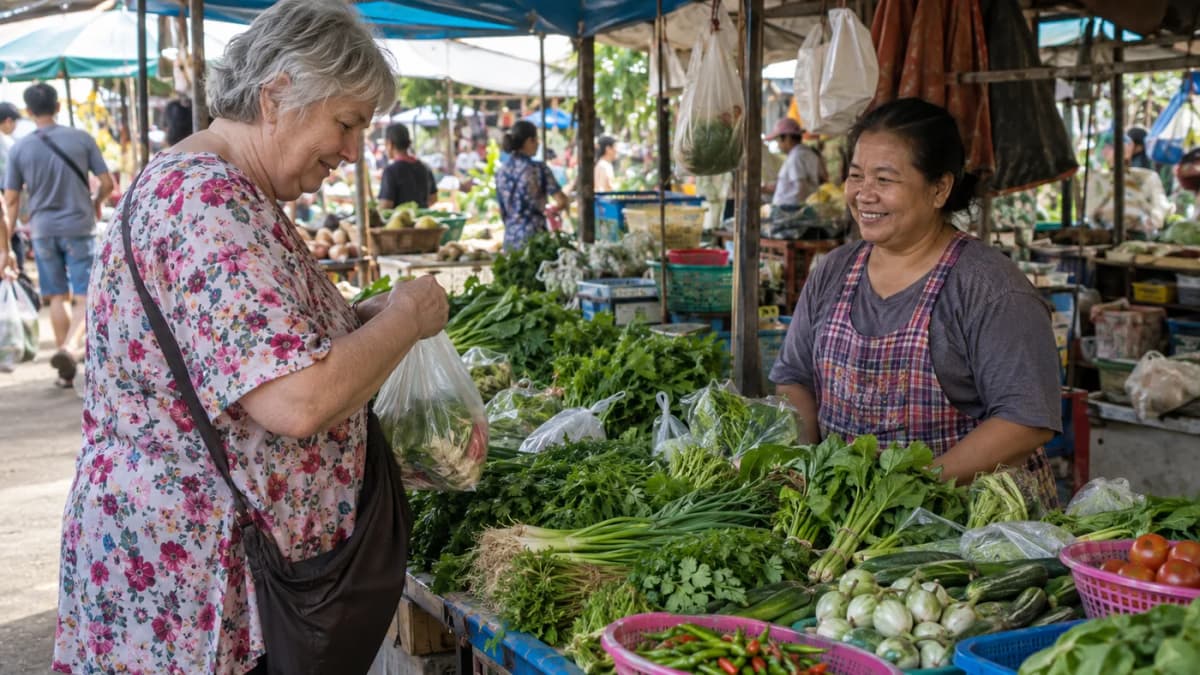
The unwritten rules of Thai culture are the ones nobody teaches you — and breaking them makes you that foreigner Every expat in Thailand learns the basics eventually: don't point your feet at Buddha statues, remove your shoes before entering temples, don't touch anyone's head. These are the tourist-brochure rules — surface-level etiquette that anyone with a guidebook can pick up. The rules that actually matter are the ones that don't appear in any guidebook. They're the subtle, unwritten social codes that govern daily interactions, and breaking them marks you as an outsider faster than any language barrier. This guide covers the rules that experienced expats wish someone had told them on day one. Not the obvious stuff — the real cultural nuances that determine whether Thais treat you as a guest or a nuisance. The Hierarchy Rule: Why Age and Status Matter More Than You Think Thai society runs on hierarchy. Age, status, wealth, and social position determine almost every interaction. This isn't just a cultural quirk — it's baked into the language itself. Thai has five different pronoun sets depending on who you're talking to, and using the wrong one is like addressing a stranger as "buddy" when you should say "sir." What this means for you: - Elders are always addressed first in group conversations - You pour drinks for people older than you, not the other way around - You don't contradict someone in public, even if they're wrong - You defer to anyone with higher social status, regardless of your own credentials The foreigner trap: Many Western expats try to be "equal" with Thai colleagues and friends. This isn't appreciated — it's confusing. Thais don't want you to be their equal; they want you to understand your place in the social hierarchy and respect it. The 'Face' Concept: Why Public Criticism Backfires "Face" is the most important concept in Thai culture that foreigners consistently misunderstand. It's not about pride or ego — it's about social standing and the ability to maintain dignity in front of others. Causing someone to "lose face" — publicly embarrassing them, criticizing them in front of others, or making them look incompetent — is one of the worst things you can do in Thailand. Real examples: - Don't tell a Thai person they're wrong in front of others. Pull them aside privately. - Don't raise your voice in a business meeting, even if you're frustrated. - Don't send food back at a restaurant with dramatic complaints. Ask quietly. - Don't correct someone's English in front of other people. The practical result: Thais will never tell you directly that they're upset, offended, or disagreeing with you. They'll smile, nod, and say "yes" — while internally registering your behavior as disrespectful. By the time you realize you've caused offense, the damage is done and you don't even know why. The fix: Always give people a way to save face. If you need to correct someone, do it privately and gently. If you need to disagree, frame it as a question: "What if we try it this way?" instead of "That's wrong." Temple Etiquette: What Tourists Get Wrong Temples aren't tourist attractions — they're living, breathing places of worship. The rules are strict, and violations are taken seriously. The basics you probably know: - Remove shoes before entering - Don't point your feet at Buddha images - Don't touch Buddha statues - Dress modestly (shoulders and knees covered) The rules you probably don't know: - Women cannot touch anything a monk touches. If a monk hands you something, let it fall — never grab it. - Don't walk in front of someone who's praying or meditating. - Don't take photos of people praying without asking permission. - Don't point at Buddha images with your index finger — use your whole hand or your chin. - Don't sit higher than a Buddha image. If you're on a raised platform, move down. - The head is the most sacred part of the body. The feet are the lowest. Never, ever touch someone's head, even a child's. Food Culture: Sharing, Ordering, and the 'Not Hungry' Problem Thai food culture is communal — for restaurant recommendations, see our Hua Hin food guide , and the unwritten rules can confuse foreigners who aren't used to sharing everything. Sharing is the default. In a Thai meal, dishes are placed in the center and everyone shares. You don't order your own plate — you order a variety of dishes for the table. This means you need to coordinate: if you order a spicy dish, warn the table. If someone orders something you can't eat, speak up before it arrives. "Not hungry" is a lie. When Thais say they're not hungry, they usually mean they'll eat less, not that they won't eat at all. Refusing food entirely is considered rude. If someone offers you food, take at least a small portion. You can eat less — but don't refuse entirely. Don't finish everything. Leaving a small amount of food on your plate signals that you were served enough. Finishing everything suggests you're still hungry and the host didn't provide enough. This seems counterintuitive, but it's real. Use the serving spoon. Every dish has a serving spoon. Use it to put food on your plate, then eat with your own fork and spoon. Never eat directly from the serving dish. This is a hygiene rule that Thais take very seriously. The Wai: When to Do It, When Not To The wai (the prayer-like greeting with pressed hands) is Thailand's most iconic gesture. But the rules around it are more complex than most foreigners realize. When to wai: - When greeting someone older or of higher status - When entering a temple or shrine - When thanking someone - When apologizing When NOT to wai: - To someone younger or of lower status (they should wai you first) - To service workers (they wai you, you smile and nod) - While your hands are full - To children (it's confusing for them) The height rule: The higher your hands, the more respect you're showing. A casual wai is at chest level. A deep wai to a senior person or monk is at nose level. Never wai below the level of the person you're greeting — it's insulting. The foreigner shortcut: If you're unsure, just smile and nod. Thais understand that foreigners don't know the wai rules, and they'll appreciate the effort more than the perfection. Money, Bargaining, and Tipping: The Real Rules Bargaining: Expected at markets and street stalls. Not expected at restaurants, supermarkets, or 7-Eleven. The rule of thumb: if there's no price tag, bargain. If there is a price tag, pay it. Never bargain aggressively — it's a social interaction, not a war. Start at 60-70% of the asking price and work up from there. Tipping: Not expected but appreciated. Restaurant bills sometimes include a 10% service charge — check before adding more. For taxis, round up to the nearest 10 THB. For hotel staff, 20-50 THB per bag is generous. For haircuts, 50-100 THB. Don't tip at 7-Eleven or street food stalls. Splitting bills: In Thai groups, one person usually pays the entire bill. This istaking turns. If you're with Thais and you insist on splitting, it can feel cold. The best approach: offer to pay once, and let others pay next time. Making Thai Friends: What Works and What Doesn't What works: - Be genuinely interested in Thai culture and language - Show respect for hierarchy and age - Be patient — Thai friendships develop slowly - Share food and drinks together - Learn basic Thai phrases What doesn't work: - Being loud and assertive - Complaining about Thailand to Thais - Comparing Thailand unfavorably to your home country - Being impatient with the pace of life - Treating every interaction as transactional The honest truth: Making real Thai friends takes years, not months. Surface-level interactions (ordering food, greeting neighbors) are easy. Deep friendships require consistent effort, cultural understanding, and genuine interest. Most expats who've been in Thailand for 5+ years will tell you the same thing: the friendships are worth the wait. The Unwritten Rules for Daily Life Don't raise your voice. Raising your voice in public is considered extremely rude. If you're frustrated, lower your voice and speak calmly. This is especially important in customer service situations — yelling at a shopkeeper guarantees you'll get worse service, not better. Don't step on money. Thai banknotes have the King's image. Stepping on money — even accidentally — is deeply disrespectful. Pick up anything that falls on the floor immediately. Don't point with your feet. Feet are considered the lowest part of the body. Pointing at anything with your feet, even accidentally, is offensive. Use your hand instead. Don't public displays of affection. Kissing, hugging, and holding hands in public are frowned upon. Keep physical affection private. Don't discuss the Royal Family. Lèse-majesté laws are real and strictly enforced. Never criticize, joke about, or disrespect the Royal Family — even in casual conversation. This includes social media posts. Don't lose your temper in public. Public anger is deeply embarrassing for everyone involved. If something goes wrong, handle it calmly and privately. Losing your temper will make the situation worse, not better. The Bottom Line: Respect Is Everything Thai culture is built on respect — respect for age, status, tradition, and other people. The unwritten rules all come back to this single principle. If you're unsure about a specific situation, default to the respectful option: be quiet when others are talking, defer to elders, don't cause anyone to lose face, and always maintain composure. The good news: Thais are extraordinarily forgiving of foreigners who make genuine efforts. You won't be expected to be perfect. But the effort — learning the wai, understanding hierarchy, respecting temples — matters more than getting every detail right. For more on building social connections, see our Hua Hin expat community guide . The expat who understands these unwritten rules doesn't just avoid awkward moments. They unlock a deeper, more rewarding experience of Thailand. Because when you understand the culture, you stop being a tourist and start being a neighbor.

Ananas Editor Team · 9 min read

Expat Scams in Thailand: How to Protect Yourself in 2026

Life

Expat Scams in Thailand: How to Protect Yourself in 2026

The scam nobody talks about — and it costs foreigners millions every year Forget the tuk-tuk gem scam and the "wrong temple" trick. Those are tourist nuisances that cost you a few hundred baht. The scams that actually destroy expats in Thailand are the ones that happen slowly, with paperwork, and with a smile. A property deal that turns fraudulent six months after you've paid. A visa agent who takes your money and disappears. A business partner who signs a contract they never intend to honor. These aren't rare incidents. They're the daily reality of foreign life in Thailand, and they cost expats millions of dollars every year. The worst part? Most victims don't realize they've been scammed until it's too late to recover anything. This guide covers every major scam targeting expats in Thailand — how they work, who's behind them, and exactly how to protect yourself. The Real Estate Scam: The $50,000 Mistake Real estate fraud is the most expensive scam in Thailand. It works like this: a foreigner finds a property they love — a condo, a villa, a plot of land. The seller seems legitimate. The paperwork looks real. The price is below market. The buyer pays, gets keys, and moves in. Six months later, they discover the seller didn't own the property, or the title has liens, or the condo's foreign quota was already exceeded. How it happens: The fake title scam: Seller presents a title deed (Chanote) that looks authentic but is forged. The buyer's lawyer doesn't verify it at the land office. By the time the forgery is discovered, the seller has vanished with the money. The foreign quota scam: A condo building has a 49% foreign ownership quota. The seller tells you your unit is within the quota. You buy it. Later, the building management reveals the quota was already full — your ownership is technically illegal. You can't sell, can't transfer, and the money is stuck. The leasehold trap: You sign a 30-year lease, thinking it's effectively ownership. The lease has a clause that allows the owner to terminate early with minimal notice. You've paid 3-5 million THB for something the owner can take back next year. How to protect yourself: 1. Always verify the title at the land office — not through the seller or their agent. An independent lawyer should do this. 2. Check the foreign quota with building management directly, in writing. 3. For leaseholds, have a Thai lawyer review the termination clauses. If the lease doesn't explicitly survive ownership changes, walk away. 4. Never pay directly to the seller's personal account. Use escrow or pay at the land office during the transfer. 5. Follow our 47-point due diligence checklist and budget 1-2% of the property price for legal due diligence. It's the cheapest insurance you'll ever buy. The Visa Agent Scam: When Your "Guaranteed" Visa Disappears Thailand's visa system is complex. This complexity creates a thriving market for visa agents — some legitimate, some not. The scam works like this: you pay an agent 30,000-80,000 THB for a visa "guaranteed" approval. The agent takes your money, submits paperwork, and tells you to wait. Weeks pass. Then the agent stops answering calls. Your application was never submitted, or was submitted with fraudulent documents that guaranteed rejection. Red flags: - Agent guarantees approval (no legitimate agent can guarantee this) - Agent asks for cash payment with no receipt - Agent operates from a café or hotel lobby, not a registered office - Agent's price is significantly below market rate (too good to be true) - Agent won't provide a contract with specific deliverables and timeline How to protect yourself: 1. Use only agents registered with the Thai Ministry of Commerce. Verify their registration number. 2. Pay by bank transfer, never cash. Keep all receipts. 3. Get a written contract specifying exactly what service is provided, timeline, and refund policy. 4. For retirement visas, our Thailand visa rules guide explains the full process — you can apply directly at immigration — it's not as hard as agents make it seem. 5. If you do use an agent, verify the application status yourself at the immigration office. The Rental Scam: The Fake Landlord Problem You find a great condo on Facebook Marketplace or a rental website. The price is below market. The photos look perfect. You contact the "landlord," who says they're overseas and can't show you the property in person. They ask for a deposit via bank transfer before you arrive. You transfer the money. When you arrive, the "landlord" stops responding. The property either doesn't exist, or someone else is already living there. How it works: The scammer copies photos from a legitimate listing, creates a fake profile, and posts it at a below-market price. They target foreigners who can't easily verify the property in person. The deposit — usually 1-2 months rent — is the scammer's profit. It's small enough that many victims don't bother reporting it. How to protect yourself: 1. Never pay a deposit without seeing the property in person and meeting the landlord or their authorized agent. 2. Verify the landlord owns the property by asking for the title deed or condo unit ownership document. 3. For condos, verify with the juristic office (building management) that the landlord is the registered owner. 4. Use reputable rental platforms that offer tenant protection, not Facebook or random websites. 5. Pay deposits at the property, not via bank transfer to an unknown account. The Investment Scam: Crypto, Forex, and "Guaranteed Returns" Thailand's growing expat community has attracted a parallel growth in investment scams. They follow a familiar pattern: a charismatic individual (often another expat) hosts dinners, networking events, or online groups. They share "success stories" of 20-30% returns. They invite you to invest. Early investors receive small payouts (funded by new investors). When the pool dries up, the organizer disappears with millions. Common variants: Crypto trading groups: "Join our Telegram group, we'll tell you which coins to buy." The group is manipulated — organizers buy before the recommendation, sell after the price rises, and leave followers holding losses. Forex trading schools: Pay 50,000-200,000 THB for a "trading course." The course teaches basic strategies available free on YouTube. The real money is in selling courses, not trading. Property investment clubs: Pool money to buy properties. The organizer manages everything. Early returns look great. Then the money runs out. The rule: If someone promises guaranteed returns above 10% annually, it's a scam. Full stop. Legitimate investments don't guarantee returns. Period. The Daily Scams: Tuk-Tuks, Tailors, and Tourist Traps These won't bankrupt you, but they're worth knowing about: Tuk-tuk overcharging: Drivers who quote a fixed price that's 5-10x the metered rate. Always insist on the meter or agree on a price before getting in. In Hua Hin, tuk-tuks are less aggressive than Bangkok, but it still happens. Tailor scams: Friendly tuk-tuk drivers who "recommend" a specific tailor. The tailor charges 3x normal prices and gives the driver a commission. The quality is mediocre. Find your own tailor through reviews, not tuk-tuk drivers. Jet ski damage scams: Rental operators who point to pre-existing scratches and claim you caused them. Always photograph the jet ski before renting. Better yet, use only established rental shops with reviews. Temple scams: People who approach you near temples claiming the temple is "closed" and offering to take you somewhere else — usually a jewelry shop or gem market where you'll be pressured into expensive purchases. The temple is never closed. Bar girl scams: A woman befriends you, builds a relationship, then asks for money for "family emergencies" or "sick buffalo." This is the oldest scam in Thailand and still works because loneliness is powerful. How to Protect Yourself: The 5 Rules Rule 1: Verify everything independently. Don't trust documents, websites, or people at face value. Verify title deeds at the land office. Verify visa agents at the Ministry of Commerce. Verify landlords at the building management. The 30 minutes you spend verifying saves you 30 months of regret. Rule 2: Get everything in writing. Verbal agreements mean nothing in Thai law. If it's not in a signed contract, it doesn't exist. Have contracts in both English and Thai, and have a lawyer review any contract worth more than 100,000 THB. Rule 3: Don't pay cash for anything significant. Bank transfers create records. Cash creates nothing. For property, pay at the land office. For services, pay by bank transfer with a clear reference. Never hand over large sums in cash. Rule 4: Be skeptical of anything that seems too good to be true. Below-market property prices, guaranteed investment returns, visa "guarantees" — if it sounds too good, it is. The legitimate opportunities in Thailand are good enough without needing to chase fantasies. Rule 5: Build a network of trustworthy professionals. Find a good lawyer, a reliable real estate agent, an honest accountant, and a trustworthy insurance broker. Ask other expats for recommendations. The cost of professional advice is always less than the cost of being scammed. What to Do If You've Been Scammed Step 1: Report to police. Go to the local police station with all documentation. File a report. Get a case number. This is necessary for insurance claims and legal proceedings. Step 2: Contact your embassy. They can't recover your money, but they can provide legal referrals and document the incident for your home country's records. Step 3: Consult a lawyer. A Thai lawyer can assess whether recovery is possible. For property scams, there may be legal remedies. For smaller scams, the cost of legal action often exceeds the loss. Step 4: Report to tourist police (1155). For scams targeting tourists and expats, the tourist police have more English-speaking officers and handle these cases more efficiently. Step 5: Warn others. Share your experience in expat forums and Facebook groups. The best defense against scams is an informed community. The Honest Bottom Line Thailand is a wonderful place to live — but it has a dark side that targets foreigners specifically. The scams aren't random. They're systematic, well-researched, and designed to exploit the trust and naivety of newcomers. The good news: awareness is your best protection. Knowing the scams exist makes you 90% less likely to fall for them. The remaining 10% is covered by professional verification and legal advice. Invest in both. And remember: the vast majority of Thai people are honest, warm, and trustworthy. The scammers are a small minority — but they're very good at what they do. Don't let them ruin your experience of a beautiful country.

Retiring in Hua Hin: The Complete Checklist for 2026

Life

Retiring in Hua Hin: The Complete Checklist for 2026

At 67, Richard sold his house in Essex, cashed his pension, and moved to Hua Hin with his wife Margaret — and he'd do it again tomorrow They arrived in January 2025 with two suitcases, a list of addresses their daughter found on Google, and absolutely no idea what they were getting into. Six months later, they own a condo near Cicada Market, have a Thai bank account, speak enough Thai to order food and argue with their internet provider, and spend most mornings walking the beach before the tourists wake up. "We should have done this ten years ago," Richard says. Margaret nods. But the path from "we're thinking about retiring in Thailand" to "we live here" is littered with paperwork, mistakes, and a few expensive lessons. This checklist covers every step — from the first conversation to your first year as a Hua Hin retiree. Step 1 — Choose Your Visa (Retirement, LTR, or Elite) Thailand offers several visa pathways for retirees, and choosing wrong can cost you months of hassle or tens of thousands of dollars. Here's the honest breakdown: Retirement Visa (Non-Immigrant O-A): The most common route. You must be 50+, have 800,000 THB in a Thai bank account (or 65,000 THB monthly income), and maintain health insurance. Processing takes 2-4 weeks. Annual renewal required. Cost: approximately 10,000-15,000 THB for the visa plus 1,900 THB for the extension. This is the no-brainer for most retirees. Long-Term Resident (LTR) Visa: Thailand's premium residency product. Requires $80,000 annual income OR $250,000 in assets. 10-year validity, renewable. Includes 17% flat tax rate on Thai-sourced income. Processing takes 2-4 months through BOI. Cost: approximately 50,000 THB. Worth it if you have significant income — the tax savings alone can pay for the visa in year one. Elite Visa: The "buy your way in" option. Costs $15,000-60,000 depending on the package (5-20 years). No income requirement. Includes airport fast-track, concierge services, and discounts. Good for wealthy retirees who want zero hassle, but overpriced by any rational analysis. The mistake most people make: Trying to stay on tourist visa runs. It worked five years ago. It doesn't anymore. Thailand has cracked down on visa runners — land border entries are capped at 2 per year, and immigration officers are scrutinizing repeat tourists. Get a proper visa before you arrive. Step 2 — Set Up Healthcare and Insurance Healthcare is the make-or-break decision for retirement in Thailand. Get it wrong, and one medical emergency can wipe out your savings. Thai Social Security: If you work in Thailand, you're automatically enrolled. Covers public hospitals. Good for basic care but limited specialist access and long wait times. Not available to retirees without employment. International Health Insurance: The gold standard for expat retirees. Providers like Bupa, Cigna, AIA, and Allianz offer comprehensive plans covering private hospitals worldwide. Expect to pay $2,000-5,000/year for a retiree over 60, depending on coverage level and deductible. As we covered in our health insurance guide , Bangkok Hospital Hua Hin accepts most international plans. Thai Health Insurance: Local insurers like Thai Health and Pacific Cross offer cheaper plans ($500-1,500/year) but with more restrictions. Good for budget-conscious retirees who plan to stay in Thailand exclusively. The critical point: Get insurance BEFORE you turn 65. Premiums skyrocket after 65, and some providers won't accept new applicants over 70. Lock in a plan while you're still "young" by insurance standards. What's NOT covered: Pre-existing conditions vary by policy. Cosmetic surgery, adventure sports injuries, and dental are typically excluded or limited. Read the fine print. Step 3 — Open a Thai Bank Account A Thai bank account is essential for paying rent, utilities, and receiving pension transfers. It's also one of the most frustrating administrative tasks you'll face. The requirements: Passport, visa, proof of address in Thailand (rental contract or utility bill), and sometimes a reference letter from your embassy. Each bank has slightly different requirements — Bangkok Bank is generally the most foreigner-friendly. The process: Walk into a branch, bring all documents, and be prepared to wait. The entire process takes 1-2 hours if everything is in order. Some branches will reject you for no apparent reason — try another branch if the first one says no. The workaround: Some retirees use Wise (formerly TransferWise) or Revolut for international transfers and keep minimal funds in a Thai account. This avoids the hassle of maintaining a full Thai bank account while still having access to local payments. ATM fees: Foreign cards incur 220 THB per withdrawal at Thai ATMs. A Thai bank account eliminates this fee entirely. Step 4 — Find Your Neighborhood Hua Hin isn't one neighborhood — it's a collection of distinct areas, each with its own personality and price point — see our neighborhoods ranked guide for detailed comparisons. Where you live determines your daily experience. Nong Kae / Soi 94-110: The expat heartland. Walking distance to Cicada Market, cafés, and restaurants. Mix of condos and houses. Mid-range pricing. Best for: social retirees who want walkability. Takiab / South Hua Hin: Quieter, more residential. Beach access, fewer tourists. Good mix of local and international restaurants. Best for: couples who want peace without isolation. Cicada / Soi 88: The happening area. Night market, live music, restaurants open late. Can be noisy on weekends. Best for: retirees who want nightlife and social scene. Khao Takiab: Hillside living. Stunning views, cooler temperatures, but isolated. Requires a car or motorbike. Best for: retirees who prioritize views over convenience. North of Hua Hin (Cha-Am direction): Cheaper, quieter, more rural. Limited amenities but beautiful countryside. Best for: budget retirees who don't mind driving. Step 5 — Build Your Community Loneliness is the silent killer of retirement abroad. You can have the perfect condo, the best healthcare, and the cheapest living costs — but if you don't have friends, you'll be miserable within six months. Expat groups: Hua Hin has active expat communities through Facebook groups, meetup.com, and organizations like the Hua Hin Expat Club. Join before you arrive. Attend online events. Make connections before you land. Thai language classes: Learning basic Thai isn't just practical — it's social. Thai language schools in Hua Hin are inexpensive (500-1,000 THB per session) and full of other expats. You'll make friends while learning to order food. Activities: Golf courses, tennis clubs, yoga studios, cooking classes, volunteering — Hua Hin has active communities around almost every interest. The key is showing up regularly, not just once. The honest truth: Most expat friendships form slowly. Don't expect to have a social circle within a month. Give it 3-6 months of consistent effort. The payoff is worth it. Monthly Budget Breakdown: What Retirement Actually Costs Here's a realistic monthly budget for a couple retired in Hua Hin: Condo rent (1-2 bedroom, furnished): 12,000-25,000 THB ($340-700). Nong Kae area, modern building with pool and gym. Utilities (electricity, water, internet): 3,000-5,000 THB ($85-140). Electricity is the big variable — air conditioning in hot season can push this higher. Food (mix of home cooking and restaurants): 15,000-25,000 THB ($425-700). Local markets are cheap. Western restaurants are expensive. Most retirees cook at home and eat out 3-4 times per week. Transport (scooter rental or car): 3,000-8,000 THB ($85-225). Scooter is cheapest. Used car runs 15,000-25,000 THB one-time plus 3,000-5,000 THB monthly for fuel and maintenance. Healthcare (insurance premiums + out-of-pocket): 5,000-15,000 THB ($140-425). Depends on your plan and health. Miscellaneous (entertainment, hobbies, travel): 10,000-20,000 THB ($285-565). For a complete breakdown of what things cost, see our cost of living guide . This is where most retirees underestimate. Total for a comfortable retirement: 50,000-100,000 THB ($1,400-2,800) per month for a couple. This is a comfortable middle ground — not luxury, not penny-pinching. You can do it cheaper, but you'll sacrifice convenience and social life. Common Mistakes Retirees Make in Hua Hin Mistake #1: Moving too fast. Don't sell everything and fly to Hua Hin next week. Visit for 2-3 months first. Rent a condo, try the daily routine, meet people. Make sure it's right before committing. Mistake #2: Ignoring the language. "Everyone speaks English" is true in tourist areas. It's not true at the bank, the hospital registration desk, or the immigration office. Learn basic Thai. Mistake #3: Underestimating the paperwork. Thai bureaucracy is slow, inconsistent, and often requires documents you don't have. Start your visa application 3 months before you plan to arrive. Mistake #4: Living like a tourist. Eating at Western restaurants every day, staying in hotel areas, never learning local customs. You'll spend twice as much and experience half as much. Mistake #5: No insurance. "I'm healthy, I don't need it" is the most expensive sentence a retiree can say. One hospital visit without insurance can cost more than 10 years of premiums. The Verdict: Is Hua Hin Right for You? Hua Hin isn't for everyone. It's quieter than Pattaya, less cosmopolitan than Chiang Mai, less beachy than Phuket. It's a working town that happens to have a beautiful coastline. The weather is hot, the traffic can be frustrating, and the bureaucracy will test your patience. But for retirees who want a genuine Thai lifestyle — not a resort bubble — Hua Hin delivers. The cost of living is reasonable. The healthcare is accessible. The expat community is welcoming without being insular. And the beach, the mountains, and the temples are all within reach. Richard and Margaret will tell you: the hardest part isn't the logistics. It's making the decision to go. Once you're here, the rest follows.

Emergency Services in Hua Hin: Hospitals, Ambulance, Police — What Actually Works

Life

Emergency Services in Hua Hin: Hospitals, Ambulance, Police — What Actually Works

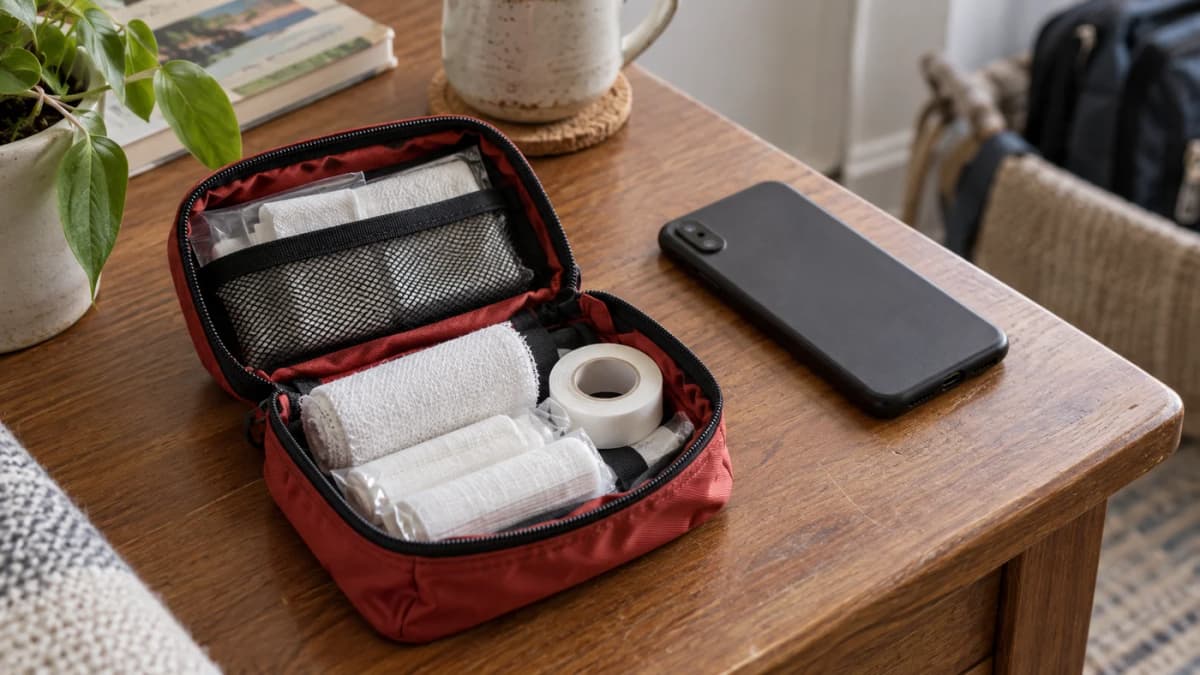
The fluorescent lights of Bangkok Hospital Hua Hin's emergency department cast the same sterile glow as any hospital in the world It's 2 AM on a Tuesday. A British retiree named Colin clutches his chest while his wife fumbles with a Thai-language insurance card. The receptionist speaks perfect English. A doctor appears within four minutes. An ECG is running before Colin can finish explaining his symptoms. This is what a private hospital in Hua Hin looks like when it works. Now picture this: a young German backpacker crashes a scooter on Hua Hin Beach Road at midnight. His friend calls 1669. The ambulance takes 20 minutes to arrive. They're taken to San Paolo Hospital, the public option. The ER is crowded. The doctor speaks limited English. The friend waits three hours for treatment while trying to explain the injury through Google Translate. Both scenarios happen regularly in Hua Hin. The difference isn't luck — it's knowing which system to use and when. Emergency services in Hua Hin work, but they work differently depending on who you are, what insurance you carry, and which hospital you end up at. This guide breaks down every option so you're not figuring it out while panicked at 2 AM. The Emergency Numbers That Actually Matter in Hua Hin Most expats memorize 191 for police and 1669 for medical emergencies. That's correct, but incomplete. Here's the full list of numbers you should save in your phone right now: 1669 — National medical emergency. Works from any phone, including tourist SIMs with zero balance. Dispatches ambulance and coordinates with nearest hospital. Thai language preferred but English operators available during peak hours. 191 — National police. For crimes in progress, accidents, and general emergencies. Response time varies wildly — 5 minutes in city center, 30+ minutes in rural areas. 199 — Fire brigade. Also handles car accidents with injuries and chemical spills. Hua Hin has two fire stations — one in the city center, one near Khao Takiab. 1155 — Tourist Police. English-speaking officers who handle tourist-specific issues: scams, disputes, lost passports. They're not first responders but can coordinate with other services. 032-520-500 — Bangkok Hospital Hua Hin direct line. Bypass the 1669 queue if you're heading to a private hospital. 032-611-350 — San Paolo Hospital Hua Hin. The public option. Save all six numbers. The 1669 dispatcher will ask which hospital you prefer — if you have private insurance, say Bangkok Hospital immediately. If you don't, they'll route you to San Paolo. Bangkok Hospital Hua Hin: The Private Option Bangkok Hospital Hua Hin is the gold standard for emergency care in the city. Part of the Bangkok Dusit Medical Services group — Thailand's largest private hospital network — it operates a full-service emergency department 24 hours a day, seven days a week. The facility has a dedicated emergency entrance separate from the main hospital. You drive up, park in the emergency bays, and walk into a reception area that looks more like a hotel lobby than a hospital. Registration takes about 5 minutes if you have insurance documentation ready. Without insurance, they'll still treat you but require a deposit of 10,000-20,000 THB upfront. What they handle: All medical emergencies including cardiac events, strokes, traumatic injuries, fractures, severe allergic reactions, and poisoning. They have an ICU, operating theaters, and can stabilize patients before transfer to Bangkok if needed. English support: Excellent. Most doctors speak fluent English. Nurses and support staff have functional English. No communication barriers for international patients. Insurance: Accepts virtually all international insurance providers including Bupa, Cigna, Allianz, AXA, and AIA. They'll bill your insurance directly — you don't pay upfront if your insurer pre-authorizes. Cost reality: A basic ER consultation costs 2,000-3,500 THB. A broken arm with X-ray and cast: 8,000-15,000 THB. A night in the emergency observation ward: 5,000-8,000 THB. Compare this to $2,000-5,000 USD for the same treatment in the US — private hospitals in Thailand are expensive by local standards but a bargain by Western standards. For a full breakdown of what things cost in Hua Hin, see our cost of living guide . Location: 888 Phetkasem Road, Hua Hin. 5 minutes from the city center, well-signposted. Has its own parking lot. San Paolo Hospital: The Local Workhorse San Paolo Hospital is Hua Hin's main public healthcare facility. It's where most Thai locals go for emergencies, and where your insurance might send you if you're on a budget plan. The experience is dramatically different from Bangkok Hospital. The emergency department is functional but basic. Expect fluorescent lighting, plastic chairs, and a waiting room that fills up quickly during peak hours (evenings and weekends). Registration is faster than Bangkok Hospital if you have Thai paperwork, slower if you're a foreigner. What they handle: Most general emergencies. They have basic surgical capability and can stabilize serious cases before transfer. For complex cardiac events or neurosurgery, they'll transfer to Bangkok Hospital or Bangkok itself. English support: Limited. Some doctors speak English, most nurses don't. You'll likely need a translator or a Thai-speaking friend for anything beyond basic communication. Insurance: Accepts Thai Social Security and some international insurance. Many international insurers don't have direct billing agreements here — you'll pay upfront and claim later. Cost reality: Dramatically cheaper than Bangkok Hospital. ER consultation: 500-1,000 THB. Broken arm: 2,000-4,000 THB. The quality difference is real but not always critical for non-life-threatening emergencies. What an Ambulance Ride Actually Costs Here's what most people don't know: ambulance service in Thailand is technically free for Thai citizens through the national system. For foreigners, it's a different story. The 1669 ambulance service charges a flat fee of approximately 1,500-2,500 THB regardless of distance. This covers basic life support — oxygen, monitoring, first aid. For advanced life support (paramedics, IV medications, cardiac monitoring), the cost rises to 3,000-5,000 THB. The catch: Public ambulances are basic. They're not the advanced life support units you'd expect in Europe or North America. For serious emergencies, the ambulance is really just transport to the hospital — the real treatment happens at the ER. Private ambulance services exist through Bangkok Hospital and some insurance providers. They're faster (10-15 minutes vs 15-25 for public) and better equipped. Some international insurance policies include private ambulance as a benefit — check yours. Response times: In Hua Hin city center, expect 10-15 minutes for a public ambulance. In areas south of Khao Takiab or north of Cha-Am, add 10-15 minutes. During Songkran or major holidays, response times can stretch to 25-30 minutes. Emergency Services for Tourists vs Expats with Insurance The system treats you very differently depending on your status. Here's the honest breakdown: Tourist without insurance: You'll be treated at any hospital, but payment is expected upfront at private hospitals or you'll be billed after at public hospitals. Bangkok Hospital will hold your passport as collateral if you can't pay. San Paolo will treat you and send a bill later — good luck collecting from someone leaving the country. Expats with international insurance: This is the smoothest path. Call your insurance assistance line first (this is critical — many policies require pre-authorization). Go to Bangkok Hospital. They'll handle everything. You might pay a small co-pay or nothing at all depending on your plan. Expats with Thai Social Security: You're covered at public hospitals. San Paolo is your default. Wait times are longer, but costs are minimal. For serious emergencies, the system works — it's just slower. The critical mistake: Going to a hospital before calling your insurance company. As we explained in our guide to health insurance for expats , most international policies have a 24/7 assistance line that must pre-authorize emergency treatment. If you skip this step, your insurer can deny the claim — even for legitimate emergencies. The number is on the back of your insurance card. Memorize it. Police and Fire Services: What Actually Happens Police (191): For accidents, crimes, and general emergencies. Hua Hin police respond faster than most Thai cities — the tourist economy means they're accustomed to dealing with foreigners. For traffic accidents, police will come to the scene, file a report, and coordinate with insurance. For crimes, they'll take a statement at the station. The Tourist Police (1155) are a separate unit — they handle tourist-specific issues but won't investigate a break-in at your condo. Fire (199): Hua Hin has professional firefighters. Response time is 8-12 minutes for the city center. They handle building fires, car accidents with entrapment, and hazardous material incidents. Fire prevention is decent — most hotels and condos have basic fire safety systems. Pharmacy emergencies: For minor issues — allergic reactions, stomach problems, mild infections — Hua Hin has dozens of pharmacies that can handle basic treatment without a hospital visit. Boots and Watsons in the city center have pharmacists who can advise and dispense prescription medications for minor conditions. What to Do Before You Need Emergency Services Preparation is the only thing that makes an emergency less stressful. Here's your checklist: 1. Save all emergency numbers. Put them in your phone contacts as "HUA HIN EMERGENCY" so they're easy to find under stress. 2. Know your insurance details. Card number, policy number, assistance line phone number. Keep a photo of your insurance card on your phone AND a physical copy in your wallet. 3. Register with your embassy. Many countries have consular assistance programs. Register before you travel — if something happens, your embassy can coordinate with Thai authorities. 4. Get a Thai SIM card. You need a working phone number for emergency services to call you back. Tourist SIMs from AIS, DTAC, or True all work with 1669. 5. Know your blood type. Sounds basic, but in a trauma situation, knowing your blood type saves critical minutes. Write it on your insurance card. 6. Learn basic Thai emergency phrases. "Chuay duay" (help), "pee pii" (ambulance), "fire" (fai). Even these two words can make a difference when English fails. 7. Share your location with someone. If you're living alone in Hua Hin, make sure a friend or family member has your address and knows your daily routine. In an emergency, they can direct help to you. Hospitals and Clinics: The Full Map Beyond the two main hospitals, Hua Hin has several clinics and smaller facilities worth knowing: Bangkok Hospital Hua Hin — The premium option. Full ER, ICU, surgery. Best for serious emergencies and anyone with international insurance. San Paolo Hospital — The public workhorse. Cheaper, slower, functional. Best for non-life-threatening emergencies if you're paying out of pocket. Phra Chauploeng Hospital — A smaller public hospital near the train station. Handles basic emergencies. Less crowded than San Paolo. Hua Hin Royal Hospital — Private hospital affiliated with the Thai Red Cross. Good for general medical care, less equipped for trauma than Bangkok Hospital. Sea Horse Clinic — Private clinic in the city center. Handles minor injuries, infections, and general consultations. Not for serious emergencies but useful for after-hours minor issues. Various dental clinics — Several English-speaking dental clinics handle emergency dental work. Bangkok Hospital Hua Hin also has a dental department. The Honest Bottom Line Emergency services in Hua Hin work — but only if you know the system. Bangkok Hospital is excellent but expensive. San Paolo is cheap but basic. The ambulance will get you there, but it's not a Western-style paramedic unit. The police respond faster than you'd expect in a Thai city. The real protection isn't the emergency services themselves — it's the preparation. Save the numbers. Know your insurance. Understand which hospital to go to before you need one. And if you're living in Hua Hin long-term, make friends with a local who can help you navigate the system when your Thai fails you at 2 AM. The good news: Hua Hin's emergency services are improving every year. New facilities are being built, response times are getting shorter, and English support is expanding. The city's growing expat community is pushing the system to meet international standards. It's not perfect yet — but it's a lot better than it was five years ago, and a lot better than most Thai beach towns of similar size.

Hua Hin Fitness Scene: Gyms, Yoga, Muay Thai, and Running

Life

Hua Hin Fitness Scene: Gyms, Yoga, Muay Thai, and Running

The 6am Runner Knows Something the Gym-Goer Doesn't: Hua Hin's Best Fitness Happens Before the Tourists Wake Up At 6:00am on a Tuesday, the Hua Hin beach road belongs to a different town than the one that emerges at 10am. The tour buses haven't arrived. The night market stalls are folded shut. The only sounds are waves, birdsong, and the rhythmic footfalls of the Hua Hin Runners — a group of 15-20 people, mostly expats, who meet every Tuesday and Thursday morning to run 5-8 kilometers along the beach before the heat sets in. It's not a formal club. There's no membership fee, no branded jerseys, no Strava leaderboards. It's just people who discovered that the best way to build a fitness routine in a tropical beach town is to do it before the town wakes up. Hua Hin's fitness scene isn't about expensive memberships or Instagram-worthy boutique studios. It's about finding the right activity, at the right time, with the right people — and doing it consistently. The Fitness Ecosystem: What Exists Hua Hin's fitness infrastructure is smaller but more diverse than you'd expect for a town of its size. The offerings span from traditional Muay Thai camps to modern gyms, from sunrise beach runs to yoga retreats: Category Options Price Range (THB/month) Quality Traditional gyms 5-8 options (Fitness First, local gyms) 1,200-2,500 Variable — some outdated, some modern Boutique studios 2-3 options (yoga, pilates) 2,000-4,000 Good — instructor-led, small classes Muay Thai camps 4-6 options 3,000-6,000 (drop-in) Excellent — authentic training Running groups 2-3 groups Free Good — social and consistent Swimming pools 3-4 options (hotels, public) 100-500/visit Good — Olympic-size available Cycling Informal groups + rental 200-500/day (rental) Good — flat terrain ideal CrossFit / functional 1-2 options 2,500-4,000 Good — small community The Gym Scene: What Actually Works Hua Hin's gym options fall into three tiers, and choosing the right one depends on your priorities: Tier Examples Monthly Cost Equipment Crowd Best For Budget Local Thai gyms, Fitness First 1,200-1,800 Basic to moderate Thai locals, budget expats Functional training, budget-conscious Mid-range Jetts Fitness, independent studios 1,800-2,500 Modern equipment, AC Mixed expat + Thai Regular training, social atmosphere Premium Boutique CrossFit, hotel gyms 2,500-4,000 Specialized, instructor-led Mostly expats Structured training, community The honest assessment: Hua Hin's gym scene is adequate but not exceptional. If you're used to a Western commercial gym with 50+ machines, group classes, and a pool, you'll find the options limited. If you're flexible about equipment and value atmosphere over amenities, several options work well. The key is to try before you commit — most gyms offer day passes (THB 200-400) or trial memberships. Muay Thai: The Authentic Fitness Experience Muay Thai is Hua Hin's most distinctive fitness offering. The town has 4-6 active training camps, ranging from tourist-oriented drop-in sessions to serious competitive training. For expats, Muay Thai offers something no gym can: a connection to Thai culture through physical practice. Camp Type Target Cost (per session) Duration Experience Level Tourist-friendly Visitors, beginners 500-800 1-1.5 hours Anyone Training camp Long-term residents 300-500 (monthly rate) 2 hours Intermediate+ Competitive gym Fighters, serious athletes 400-600 2-3 hours Advanced What to expect: A typical Muay Thai session includes 15 minutes of warm-up (skipping, shadow boxing), 30 minutes of pad work with a trainer, 20 minutes of bag work or sparring, and 15 minutes of conditioning. The training is physically demanding but scalable — trainers adjust intensity to your fitness level. Most camps welcome complete beginners. The social dimension: Muay Thai camps are one of the best ways to meet other expats in Hua Hin. The shared physical challenge creates bonds quickly, and the regular schedule (same time, same people) builds the consistency that makes fitness sustainable. Several expats report that their Muay Thai group became their primary social circle in Hua Hin. The Running Scene: Community Without Structure Hua Hin's running community is informal but effective. Two main groups operate: Group Schedule Distance Meeting Point Size Hua Hin Runners Tue & Thu, 6am 5-8km Beach road (rotating) 15-20 Saturday Morning Runners Saturday, 6:30am 6-10km Khao Takiab area 8-15 Why 6am matters: Hua Hin's daytime temperatures regularly exceed 34°C with high humidity. Running after 8am is uncomfortable and potentially dangerous. The 6am window offers temperatures around 27-29°C with lower humidity — ideal conditions for distance running. The early start also means empty roads, fewer vehicles, and a peaceful atmosphere that disappears by 8:30am. The route options: The beach road from the railway station to Khao Takiab (5km one way) is the most popular route — flat, scenic, and well-lit in the early morning. For longer runs, the road south toward Pranburi offers quieter conditions and more rural scenery. The Hua Hin Hills area provides hill training for those who want elevation. Yoga and Wellness: The Growing Niche Hua Hin's yoga scene has grown significantly since 2023, driven by the same wellness-conscious expat demographic that sustains the town's organic food markets and meditation retreats: Beach yoga: Several instructors offer morning sessions on Hua Hin beach (THB 300-500 per class). The beach setting is genuine — not a studio with ocean-view windows. Studio yoga: 2-3 dedicated studios offer daily classes in Hua Hin city (THB 250-400 per class, or THB 2,500-3,500 monthly unlimited). Retreat packages: Several resorts offer 3-7 day wellness retreats combining yoga, meditation, and Thai massage (THB 15,000-40,000). Thai massage training: Wat Khao Takiap area has schools offering certified Thai massage courses (THB 5,000-10,000 for 5-day course). The Swimming Option: Underutilized but Available Hua Hin's public swimming options are better than most expats realize: Pool Type Cost Hours Notes Hua Hin Municipal Pool Public, Olympic-size THB 50-100 6am-8pm Clean, well-maintained, lanes available Hotel day passes Various THB 300-800 Varies Pool + beach access, sunbeds included Condo pools Private (residents) Included in rent 24/7 Most condos have pools, quality varies The municipal pool on Phetkasem Road is Hua Hin's best-kept fitness secret: Olympic-size lanes, clean water, and THB 50-100 entry. It attracts serious swimmers who train early mornings and families on weekends. The Outdoor Fitness Advantage Hua Hin's climate creates unique outdoor fitness opportunities that most cities can't offer: Year-round outdoor running: Even in the hottest months (March-May), early morning runs are feasible. The rainy season (June-October) brings afternoon showers but rarely affects morning workouts. Beach workouts: The 5km beach provides a natural running and walking track with sand resistance training. Cycling terrain: Flat coastal roads and gentle hills toward Khao Tao make Hua Hin ideal for casual and serious cyclists. Hiking nearby: Sam Roi Yot National Park (45 minutes south) offers challenging hikes with ocean views. Kayaking and water sports: Pranburi River and coastal waters provide kayaking, paddleboarding, and kite surfing opportunities. The Cost of Fitness in Hua Hin Activity Monthly Cost (THB) Notes Basic gym membership 1,200-1,800 Budget Thai gyms, basic equipment Mid-range gym membership 1,800-2,500 Modern equipment, AC, classes Muay Thai (monthly) 3,000-6,000 Daily training, includes equipment Yoga (unlimited monthly) 2,500-3,500 Studio classes Running (free groups) 0 Just show up Swimming (municipal pool) 500-1,000 THB 50-100 per visit CrossFit (monthly) 2,500-4,000 Small class sizes Total (gym + running) 1,800-2,500 Most affordable combination The Bottom Line: Find Your Thing and Show Up Hua Hin's fitness scene isn't about having the most options — it's about finding the right activity for your lifestyle and committing to it. The gym-goer who shows up three times a week at the same gym, the runner who joins the Tuesday group, the Muay Thai practitioner who trains daily at the same camp — these are the people who stay fit in Hua Hin. The tourists who try everything once and nothing consistently don't. The town's greatest fitness advantage is its climate: warm enough for outdoor activity year-round, with a dry season (November-April) that makes morning exercise genuinely pleasant. Combined with affordable gym memberships, authentic Muay Thai training, and a growing wellness scene, Hua Hin offers a complete fitness ecosystem for expats willing to engage with it. The key is the same as everywhere: pick something, show up regularly, and don't overthink it. For how fitness costs fit into your overall budget, see our Cost of Living Guide . For the social dimension of fitness communities, see our Expat Community Guide .

Thailand Visa Run Guide 2026: Border Runs, Extensions, and Alternatives

Life

Thailand Visa Run Guide 2026: Border Runs, Extensions, and Alternatives

A Visa Run From Thailand Takes 2-5 Days, Costs THB 3,000-15,000, and Could Get You Blacklisted If Done Wrong Every year, thousands of foreigners in Thailand face the same dilemma: their visa is expiring, and they need to leave the country to reset it. The traditional solution — a "visa run" to a neighboring country — sounds simple: cross the border, turn around, come back with a fresh stamp. But the reality in 2026 is more complex, more expensive, and riskier than it was five years ago. Thailand's immigration authorities have tightened enforcement on serial visa runners, some border crossings have changed their rules, and the rise of digital visas and the LTR program has created alternatives that didn't exist before. The visa run isn't dead — but it's no longer the default option it once was. This guide maps every current option: traditional border runs, visa extensions, the DTV alternative, and the LTR long-term solution, with honest cost and risk assessments for each. The Current Visa Ecosystem: Why Runs Happen Foreigners in Thailand on standard visas face expiration deadlines that require action: Visa Type Initial Duration Extension Option Max Stay Run Required? Tourist Visa (TR) 60 days +30 days at immigration (THB 1,900) 90 days Yes, after 90 days Visa Exempt (stamp) 30 days +30 days at immigration (THB 1,900) 60 days Yes, after 60 days DTV (Digital Nomad) 180 days +180 days (once) 360 days Yes, after 360 days Education Visa (ED) 12 months Annual renewal Up to 3 years No (if enrolled) Retirement Visa (O-A) 12 months Annual extension Indefinite No (if extended) B Visa (Business) 12 months Annual renewal Indefinite No (if employed) LTR Visa 5 years +5 years (once) 10 years No Option 1: The Traditional Border Run The classic visa run involves traveling to a Thai border crossing, exiting Thailand, and re-entering with a new stamp. The most popular routes from Hua Hin: Route Distance Total Time Total Cost (THB) Risk Level Hua Hin → Ranong → Myanmar (Kawthaung) 280km 2-3 days 3,000-5,000 Medium Hua Hin → Bangkok → Cambodia (Poipet) 400km 2-3 days 4,000-7,000 Medium Hua Hin → Bangkok → Malaysia (Sadao) 600km 3-5 days 6,000-12,000 Low Hua Hin → Bangkok → Laos (Vientiane) 800km 4-5 days 8,000-15,000 Low The 2025-2026 reality check: Thailand's immigration has increased scrutiny of serial visa runners. If you've done 3+ border runs in the past year, expect additional questioning, possible denial of entry, or a shorter stamp (15 days instead of 30). The "border run culture" that was tolerated for years is being phased out in favor of proper visa pathways. Option 2: Visa Extension at Immigration For tourist and visa-exempt entries, you can extend your stay at the local immigration office without leaving Thailand. This is simpler and cheaper than a border run: Extension Type Cost Duration Added Requirements Where Tourist visa extension THB 1,900 +30 days Passport, photos, TM30 Hua Hin Immigration Visa exempt extension THB 1,900 +30 days Passport, photos, TM30 Hua Hin Immigration DTV extension THB 1,900 +180 days (once) DTV passport stamp Hua Hin Immigration Retirement extension THB 1,900 +12 months Bank statement, medical cert, TM30 Hua Hin Immigration Hua Hin Immigration Office: Located on Phetkasem Road, near Soi 96. Open Monday-Friday, 8:30am-4:30pm. Arrive before 9am — queues build quickly, especially month-end. Option 3: The DTV (Digital Nomad Visa) Reset The DTV (Digital Nomad Visa) provides 180 days of stay, extendable once for another 180 days. After 360 days, you must leave Thailand. The DTV "run" is simpler than traditional visa runs because the DTV is designed for this pattern: Apply for DTV at Thai embassy/consulate (THB 10,000) Enter Thailand, stay 180 days Extend for another 180 days at immigration (THB 1,900) After 360 days, leave Thailand for any duration Re-apply for DTV from outside Thailand The DTV advantage: Unlike traditional visa runs, the DTV provides legal work authorization and a clear, predictable timeline. The re-application process is straightforward — no border run chaos, no immigration queue anxiety. The DTV limitation: The 360-day maximum means you must leave Thailand for at least one day every 12 months. For most remote workers, this is a minor inconvenience — a weekend trip to Cambodia or Vietnam resets the clock. Option 4: The Long-Term Solution (LTR Visa) The LTR (Long-Term Resident) visa eliminates the need for visa runs entirely. It provides 10-year residency with annual reporting instead of 90-day reporting. The LTR is the only visa that truly solves the "visa run problem" for long-term residents: Feature Traditional Visa Run LTR Visa Stay duration 30-180 days per cycle 10 years Border crossing required? Yes (every 30-360 days) No Cost per year THB 3,000-15,000 (runs + extensions) THB 6,000 (THB 60,000 / 10 years) Work authorization? No (tourist/DTV limited) Yes (remote + local) Stress level High (immigration anxiety) Low (annual reporting only) The Cost Comparison: What Each Option Really Costs Option Annual Cost Days Lost to Travel Risk of Rejection Stress Level Border run (Cambodia) THB 8,000-14,000 4-6 days/year Medium (after 3+ runs) High Border run (Myanmar) THB 6,000-10,000 4-6 days/year Medium High Immigration extension THB 1,900-3,800 1 day/year Low Low DTV cycle THB 11,900 (visa + extension) 2-3 days/year Very Low Low LTR Visa THB 6,000/year (amortized) 0 days None None Common Mistakes (And How to Avoid Them) Mistake Consequence How to Avoid Running visa runs too frequently Immigration denial, blacklisting Switch to DTV or LTR after 2-3 runs Overstaying visa by even 1 day THB 500/day fine + potential ban Set calendar reminders 7 days before expiry Using fake documents for extensions Deportation + 5-year ban Never use fake TM30 or employment letters Ignoring TM30 registration THB 2,000 fine, visa complications Register within 24 hours of every address change Assuming tourist visa = right to work Detention, deportation, fine DTV or B visa for any work activity What's Changed in 2025-2026 DTV expansion: The Digital Nomad Visa now covers more professions and has a clearer application process through the BOI portal Border run enforcement: Immigration officers at Poipet and Aranyaprathet are questioning frequent runners more aggressively Online extensions: Some immigration offices now accept online extension applications for retirement and education visas LTR banking: LTR holders now have dedicated processes at Bangkok Bank and SCB for opening accounts TM30 enforcement: Hotels and landlords are increasingly required to file TM30 — non-compliance creates problems for tenants The Bottom Line: Stop Running, Start Planning The visa run served its purpose for years, but the landscape has changed. Thailand is actively encouraging foreigners to use proper visa pathways — DTV, LTR, retirement, or business visas — rather than relying on border runs. The cost of proper visa compliance is often lower than the cumulative cost of repeated border runs, and the stress reduction alone is worth the investment. The practical advice: if you're on your first or second visa run, use it as a wake-up call to explore long-term visa options. If you're on your fourth or fifth, you're paying more in time and stress than a DTV or LTR would cost. The DTV at THB 10,000 provides 360 days of legal stay with work authorization — that's THB 28/day, cheaper than most visa runs. The LTR at THB 60,000 provides 10 years of hassle-free residency — THB 16/day. Both are better investments than another trip to Poipet. For understanding which long-term visa fits your situation, see the Visa Decision Matrix . For the LTR application process, see the LTR Playbook .

Hua Hin Expat Community: Where to Meet People and Make Friends

Life

Hua Hin Expat Community: Where to Meet People and Make Friends

Hua Hin Has No Expat Community Center, No Official Welcome Wagon, and No Facebook Group With More Than 5,000 Members — And That's Exactly Why People Stay Here's the paradox of Hua Hin's expat scene: it's one of the friendliest expat towns in Thailand, but it doesn't feel like one until you've been there for at least a month. Unlike Chiang Mai, where the nomad community organizes itself through weekly meetups, Slack channels, and coworking events, Hua Hin's social infrastructure is deliberately informal. There's no central gathering point, no community manager, no weekly "expat night" at a designated bar. Instead, connections form organically through recurring activities — Saturday beach cleanups, morning runs, football kickabouts, and the shared experience of navigating a new country. The expats who thrive in Hua Hin are the ones who stop waiting for the community to come to them and start showing up consistently at the same places, at the same times, doing the same things. Within a month, you'll know 30 people. Within three months, you'll have five close friends. That's the Hua Hin way. Where the Community Actually Gathers Activity When Where Who Shows Up How to Join Hua Hin Green Network beach cleanup Saturday mornings, 8am Hua Hin Beach (rotating locations) 30-40 regulars (expats + locals) Facebook group or just show up Hua Hin Runners Tuesday & Thursday, 6am Beach road meeting point 10-15 regulars (mixed nationalities) Facebook group or just show up Hua Hin Football Club Saturday mornings, 8am Local football pitch (rotating) 15-20 players (expats + locals) WhatsApp group (ask at any cafe) Cicada Market (Saturday) Saturday evenings, 5-11pm Khao Takiab area Mixed (tourists + expats + locals) Free entry, just go Talad Rot Fai (night market) Fri-Sun evenings Near Hua Hin Railway Station Mixed (popular with everyone) Free entry, just go Wat Khao Takiap food bank Sunday mornings Wat Khao Takiap temple 8-12 volunteers (expats + locals) Just show up, or contact temple The Expat Demographics: Who Lives Here Hua Hin's expat population is more diverse than its reputation suggests. The town attracts a wider age range and more varied backgrounds than typical Thai beach destinations: Segment Approx. Share Characteristics Retirees (55+) 35% European (German, British, Scandinavian), settled, long-term residents Remote workers (25-45) 25% Mixed nationality, recent arrivals, tech-savvy Investors / business owners 15% Property owners, restaurant/hotel operators, long-term residents Thai spouses/families 15% Thai-European couples, often with children in international schools Long-stay tourists 10% 1-6 month stays, transitioning to longer-term Making Friends: The Practical Playbook Hua Hin's social scene operates on consistency, not events. Here's what actually works: Choose one recurring activity and stick with it. The beach cleanup, the runners group, the football club — pick one and show up every week for a month. Consistency builds familiarity, familiarity builds trust, trust builds friendship. Be the initiator. Don't wait for invitations. Suggest coffee after a run, propose a weekend trip, organize a dinner. In Hua Hin, the person who takes initiative becomes the social hub. Learn basic Thai. Even 50 phrases transforms your interactions with locals. The Tuesday morning Thai conversation class at Hua Hin Library is free and attracts a mix of expats and Thai volunteers. Join the online groups. Hua Hin has several Facebook groups (Hua Hin Expats, Hua Hin Digital Nomads, Hua Hin Buy/Sell). They're not social hubs, but they're where practical information flows — who has a spare room, which restaurant opened, when the beach cleanup is. Volunteer. The Wat Khao Takiap food bank, the Green Network, and local school support programs all need volunteers. Volunteering creates bonds faster than any social event because you're working toward a shared goal. The Cultural Bridge: Thai-Expat Relations Hua Hin's Thai community has a long history with foreigners — the town has hosted foreign visitors since the reign of King Rama VI in the 1920s. This historical familiarity creates a different dynamic than in newer expat destinations. Thai residents in Hua Hin are generally comfortable with foreign neighbors but maintain clear cultural boundaries. Understanding these boundaries is key to building genuine relationships: "Jai yen yen" (cool heart): Thai culture values emotional restraint. Don't interpret politeness as closeness, or quietness as disinterest. Deep friendships develop slowly through repeated, low-pressure interactions. "kreng jai" (reluctance to impose): Thais will rarely ask for help or express disagreement directly. Learn to read indirect signals and offer help proactively rather than waiting to be asked. "sanuk" (fun): Thai culture values enjoyment in daily activities. Join activities with a positive, relaxed attitude rather than treating them as networking opportunities. The Expat Infrastructure While there's no formal expat center, Hua Hin has developed informal infrastructure: Service Provider What It Does Information hub Hua Hin Expats Facebook group (3,000+ members) Practical advice, recommendations, events Weekly newsletter Hua Hin Expat Newsletter (email list) Local news, events, restaurant openings Thai language classes Hua Hin Library (Wednesday mornings, free) Basic Thai conversation with local volunteers Medical referral Expats Facebook group Recommendations for doctors, dentists, specialists Legal advice Expats Facebook group + local lawyers Visa, property, business referrals Sports and fitness Hua Hin Runners, Football Club, gyms Regular activities that build community The Bottom Line: Show Up, Be Consistent, Be Patient Hua Hin's expat community isn't a club you join — it's a neighborhood you integrate into. The people who stay and thrive are the ones who show up to the same places, participate in the same activities, and build relationships through shared experience rather than forced socialization. It takes 1-3 months to feel connected, but once you are, the bonds are genuine and lasting. The town's greatest asset isn't its beach or its restaurants — it's the quality of the people who choose to live here. Hua Hin attracts a self-selecting group of thoughtful, independent, community-minded individuals who've opted out of the rat race but not out of human connection. Finding your people here is a matter of patience and participation, not luck. For understanding the financial side of expat life, see our Cost of Living Guide . For the mental health dimension of expat life, see our Mental Health Guide .

Cost of Living in Hua Hin 2026: Monthly Budget Breakdown

Life

Cost of Living in Hua Hin 2026: Monthly Budget Breakdown

A Couple Can Live Comfortably in Hua Hin for THB 45,000 a Month — Here's the Breakdown That number surprises most people. THB 45,000 a month — roughly $1,260 USD — for a couple living in a beach town with reliable healthcare, decent restaurants, and a climate that makes Northern Europeans weep with envy. Not surviving. Not skimping. Living comfortably, with occasional dinners out, a gym membership, and enough left over for weekend trips to Bangkok. The figure comes from combining real rental data from Numbeo and Expatistan with the actual spending patterns of long-term expats in Hua Hin, and it's one of the most misleadingly simple numbers you'll encounter — because what "comfortable" means in a Thai beach town is fundamentally different from what it means in London, Sydney, or San Francisco. Hua Hin's cost structure is built on a paradox: it's cheap by Western standards but expensive by Thai ones. A foreign retiree spending THB 45,000 monthly lives well — better than 90% of Thai households in the same province. But that same retiree is paying 30-50% more than a Thai family of four in the same neighborhood, because expat spending patterns cluster in the categories where Hua Hin's prices are highest: imported food, Western-standard housing, private healthcare, and activities priced for tourists rather than locals. Understanding where your money actually goes — and where it doesn't need to — is the difference between a sustainable life and a slow financial bleed that catches up with you in year three. The Real Numbers: What Things Actually Cost in 2026 Forget the generic "Thailand is cheap" narrative. The cost of living in Hua Hin depends entirely on what you buy and where you buy it. A local eating at the Talad Rot Fai night market every night spends THB 6,000-8,000 monthly on food. An expat shopping at Villa Market and eating at Western restaurants spends THB 15,000-22,000 on the same calories. The gap isn't about greed — it's about supply chains, import duties, and the markup that comes from serving a clientele that expects imported cheese, good coffee, and consistent air conditioning. Here's the actual cost breakdown for Hua Hin in mid-2026, based on current market data and verified by long-term resident spending patterns: Category Budget (THB/month) Comfortable (THB/month) Premium (THB/month) Housing 1BR condo (city center) 10,000-13,000 15,000-19,000 25,000-35,000 2BR condo (city center) 18,000-25,000 25,000-35,000 40,000-55,000 3BR house (suburban) 20,000-27,000 30,000-45,000 55,000-80,000 Food Street food / markets (daily) 5,000-7,000 8,000-12,000 12,000-18,000 Groceries (Villa/Market) 4,000-6,000 6,000-9,000 10,000-15,000 Restaurants (mix local/western) 3,000-5,000 6,000-10,000 12,000-20,000 Transport Songthaew / motorbike 1,500-2,500 2,500-4,000 5,000-8,000 Car (fuel + insurance + maintenance) — 5,000-8,000 8,000-15,000 Grab rides 1,000-2,000 2,000-4,000 4,000-6,000 Utilities Electricity + water 1,500-2,500 2,000-3,500 3,000-5,000 Internet (fiber) 500-600 600-800 800-1,200 Mobile (10GB+ data) 200-300 300-500 500-700 Healthcare Local clinic visits 300-500 500-1,000 1,000-2,000 Health insurance (monthly) — 2,000-4,000 5,000-10,000 Lifestyle Gym membership 800-1,200 1,200-1,800 2,000-3,000 Coffee / social 1,000-2,000 2,000-4,000 4,000-6,000 Entertainment / trips 2,000-3,000 4,000-8,000 8,000-15,000 Visa / admin Visa + work permit (monthly amortized) 2,000-3,000 3,000-5,000 5,000-8,000 MONTHLY TOTAL ~35,000-45,000 ~55,000-80,000 ~95,000-150,000 USD equivalent ~$980-1,260 ~$1,540-2,240 ~$2,660-4,200 Housing: The Biggest Variable Housing is where the cost of living calculation either works or falls apart. The range is enormous: THB 10,000 monthly for a basic studio near the night market, to THB 80,000+ for a beachfront villa with pool in Khao Takiab. The sweet spot for most expats — a 1-2 bedroom condo in the city center with air conditioning, reliable internet, and proximity to the beach — runs THB 15,000-25,000 monthly. The critical detail that most cost-of-living guides miss: lease length dramatically affects price. A one-year lease on a 1BR condo at Vivo Beach might cost THB 18,000 monthly. The same unit on a three-year lease drops to THB 14,000-15,000. Short-term furnished rentals through Airbnb or Agoda run THB 25,000-35,000 for the same space — a 75-100% premium over long-term rates. Expats who arrive on a tourist visa, rent furnished for three months, and then sign a long-term lease often pay the inflated price without realizing they could have negotiated significantly. The condo market in Hua Hin is segmented by quality and location. Older buildings near the railway station offer THB 10,000-13,000 for 1BR units — affordable but often with aging air conditioning, inconsistent hot water, and thin walls. Mid-range buildings like Vivo, Baan Ing Phu, and The Veranda charge THB 15,000-25,000 for well-maintained units with pools and 24-hour security. Newer developments in Khao Tao and Pranburi command THB 25,000-40,000 for resort-style amenities that attract weekenders from Bangkok. For families, the calculation changes significantly. A 3BR house in a gated moobaan (compound) runs THB 25,000-45,000, but common area fees add THB 1,500-3,000 monthly. Total housing cost for a family of four in a comfortable suburban home: THB 30,000-50,000 — still well below equivalent housing in Bangkok, Phuket, or any Western city. Food: The Local-Imported Split Food costs in Hua Hin are defined by a single question: do you eat what Thais eat, or do you eat what Westerners eat? The answer determines whether your food budget is THB 8,000 or THB 25,000 monthly. Eating local is extraordinarily cheap. A plate of pad thai from a street vendor: THB 40-60. A bowl of boat noodles: THB 30-40. A full meal at a local restaurant with rice, protein, and vegetables: THB 60-100. A kg of rice at the wet market: THB 30-40. A dozen eggs: THB 60-65. A kg of chicken breast: THB 80-120. A couple eating primarily local food — street markets for lunch, local restaurants for dinner, wet market for groceries — can feed themselves well on THB 8,000-12,000 monthly. Eating Western costs 2-3x more. A pizza at an Italian restaurant: THB 250-400. A burger and fries at a Western cafe: THB 200-350. Imported cheese at Villa Market: THB 400-800 per kg. A bottle of imported wine: THB 500-1,000. A cappuccino at a specialty cafe: THB 65-100. The markup on imported food is substantial — 30-50% above retail in the country of origin — because Hua Hin's Western food supply chain involves importers, distributors, and retailers who each take a margin. The practical compromise that most successful long-term expats adopt: cook at home 5-6 days per week using local ingredients from Talad Hua Hin or the fresh market on Phetkasem Road, eat at local Thai restaurants for 2-3 meals per week, and budget for one Western restaurant meal per week. This pattern typically costs THB 10,000-15,000 monthly for a couple — sustainable, varied, and nutritious. The organic and sustainable food scene is growing but remains niche. Hua Hin Organic Market moves 3.2 tons of chemical-free produce weekly, but prices are 40-80% above conventional alternatives. For budget-conscious expats, the mainstream wet markets offer better value — the produce is locally grown, just not certified organic. Utilities and Connectivity Thailand's utility costs are low by international standards but confusing for newcomers. Electricity is the main variable: rates range from THB 3.5-4.5 per kWh depending on consumption tier, with air conditioning driving the majority of household usage. A 1BR condo running AC 8-10 hours daily in summer (March-May) might see electricity bills of THB 2,500-3,500. The same unit in cooler months (November-February) drops to THB 1,200-1,800. Annual average: THB 1,800-2,500 monthly. Water is negligible: THB 200-400 monthly for a 1-2 bedroom unit. Internet has become remarkably competitive since 2023, with fiber broadband (100-500 Mbps) available for THB 500-800 monthly from providers like 3BB, True, and TOT. The fiber rollout in Hua Hin has been aggressive — even moobaans in suburban areas now have access to 200+ Mbps connections, making remote work viable throughout the city. Mobile phone plans with 10-20GB data run THB 200-500 monthly from AIS, True, or DTAC. For heavy data users, unlimited plans start at THB 600-800. International calling apps (WhatsApp, LINE) have made traditional phone plans less critical for expats — most communication happens over data anyway. Healthcare: The Insurance Decision Healthcare costs in Hua Hin are low for a beach town of this size but require careful planning. Bangkok Hospital Hua Hin offers international-standard care at roughly 30-40% of Western prices. A specialist consultation: THB 1,500-3,000. An MRI scan: THB 8,000-12,000. A dental cleaning: THB 800-1,500. A local clinic visit for minor illness: THB 200-500. The decision point is health insurance. Without insurance, a single hospitalization for a serious condition — pneumonia, broken bone, appendectomy — can cost THB 50,000-150,000 ($1,400-4,200). That's manageable once or twice, but devastating if it becomes a pattern. International health insurance plans from Cigna, Allianz, or AIA run THB 2,000-10,000 monthly depending on age, coverage level, and deductible. For expats under 50 with no pre-existing conditions, a basic plan covering hospitalization and emergency evacuation runs THB 2,500-4,000 monthly. The LTR visa requires $50,000 minimum health insurance coverage, which typically translates to THB 3,000-5,000 monthly for compliant plans. Many expats skip insurance entirely, relying on Thailand's low-cost healthcare system and maintaining an emergency fund instead. This works until it doesn't — and when it fails, the financial impact can be career-ending. The Hidden Costs Nobody Mentions The visible costs — housing, food, transport — are easy to budget. The invisible costs are what catch expats off guard. Visa runs and extensions. The cost of visa compliance adds up faster than most people expect. A tourist visa extension: THB 1,900. A visa run to a neighboring country (flight + hotel + processing): THB 8,000-15,000 per trip. An education visa: THB 18,000-25,000 annually. The LTR visa: THB 50,000 for five years — the cheapest option per year but the highest upfront cost. Currency fluctuation. The THB/USD rate has swung between 33 and 38 over the past two years. For an expat earning in USD and spending in THB, a 10% currency movement means a 10% change in real purchasing power — without any change in local prices. The THB/USD forecast matters more than any single price increase. Social costs. The gym membership, the coffee meetups, the weekend trips, the birthday dinners — these aren't luxuries, they're the social infrastructure that prevents isolation. Budget THB 3,000-8,000 monthly for social spending. Skimp here, and you'll pay for it in mental health costs later. Maintenance and replacement. Air conditioners need cleaning every 3-6 months (THB 500-1,000). Washing machines break. Motorbikes need oil changes. Furniture fades in the sun. Budget 5-10% of your housing cost annually for maintenance — it's not optional in a tropical climate where humidity and salt air accelerate wear. Comparisons: Hua Hin vs Other Expat Destinations How does Hua Hin stack up against the competition? The comparison matters because most expats aren't choosing between Hua Hin and staying home — they're choosing between Hua Hin, Chiang Mai, Bali, Da Nang, and a dozen other affordable destinations. City Monthly Cost (couple, comfortable) Healthcare Internet Climate Hua Hin THB 55,000-80,000 ($1,540-2,240) Good (Bangkok Hospital) Fast (fiber) Hot, dry season Nov-Apr Chiang Mai THB 40,000-60,000 ($1,120-1,680) Good (several options) Fast (fiber) Cool season Nov-Feb, burning season Mar-Apr Bali (Canggu) $1,800-2,800 Mixed (local + expat clinics) Variable (50-200 Mbps) Humid, rainy season Nov-Mar Da Nang $1,200-1,800 Growing (international hospital) Fast (fiber) Hot, typhoon season Sep-Nov Penang $1,400-2,000 Good (Penang GH) Fast (fiber) Humid, monsoon Jun-Sep Hua Hin's positioning is clear: it's more expensive than Chiang Mai and Da Nang, but offers better healthcare, more reliable infrastructure, and a beach-town lifestyle that mountain or city destinations can't match. The trade-off is worth it for retirees and families who prioritize healthcare access and climate stability over absolute affordability. The Bottom Line: Budget Smart, Not Cheap The real cost of living in Hua Hin isn't a single number — it's a range that depends on your choices. A couple eating local food, renting a modest condo, and living without a car can thrive on THB 40,000-50,000 monthly. A couple eating Western food, renting a beachfront condo, and running a car can spend THB 80,000-120,000. Both are living in the same town, breathing the same air, watching the same sunsets. The difference is entirely about which choices they make. The most expensive mistake isn't overspending on food or housing — it's underbudgeting for the invisible costs: visa compliance, health insurance, currency risk, and social infrastructure. These categories add THB 8,000-15,000 monthly that many first-year expats forget to include in their calculations. By year two, the missing budget has consumed their savings buffer, and the dream of early retirement in Thailand starts looking like a financial emergency waiting to happen. The formula that works: budget THB 55,000-70,000 monthly for a comfortable couple lifestyle, with THB 15,000-20,000 as a buffer for the unexpected. At current exchange rates, that's $2,000-2,500 monthly — less than the average Social Security payment for American retirees, and less than half the cost of a modest retirement in most Western countries. The math works. Just don't forget to include the costs that don't show up in Numbeo's price tables.

Digital Nomad Mental Health: The Hidden Cost of Paradise

Life

Digital Nomad Mental Health: The Hidden Cost of Paradise

The Zoom Call That Broke Marcus Marcus Webb had been living the dream for eighteen months. A 34-year-old UX designer from Manchester, he'd traded his cramped flat in Salford for a serviced apartment in Hua Hin, where his morning commute was a barefoot walk to Hub53 coworking space and his lunch break involved pad thai from a street vendor who knew his order by heart. He earned £75,000 working remotely for a London agency, spent £1,800 a month living in Thailand, and posted sunset photos that made his former colleagues green with envy. Then, one Tuesday afternoon in March 2026, he found himself sitting on his bathroom floor at 3am, unable to breathe, convinced he was having a heart attack. The paramedic who arrived twenty minutes later told him it was a panic attack — the third in two weeks. "You need to talk to someone," the paramedic said. "Not your mum on FaceTime. A professional." Marcus stared at the ceiling fan spinning lazily above him and realized he hadn't had a meaningful conversation with another human being in six days. His entire social world existed through screens. Marcus's story isn't unusual. It's barely even notable anymore. The mental health crisis among digital nomads and remote workers in Southeast Asia has been building quietly for years, masked by Instagram posts of beach sunsets and coworking space aesthetics. A 2025 study by the University of Chiang Mai's Psychology Department found that 47% of long-term foreign residents in Thailand reported symptoms of anxiety or depression — nearly double the rate among Thai nationals in the same age group. The numbers in Hua Hin are likely higher: a town that attracts retirees, remote workers, and escapees from corporate life creates a perfect storm of isolation, identity disruption, and unprocessed transition stress. The paradox is obvious to anyone who's lived it. Thailand offers extraordinary quality of life — affordable healthcare, beautiful surroundings, warm climate, friendly people. Yet the expats who benefit most from these advantages often feel the loneliest. The freedom that drew them here — freedom from commute, from office politics, from the rigid structures of their home countries — becomes a trap when it strips away the daily human interactions that kept them psychologically functional. The gym buddy who became a friend. The colleague who invited you to Friday drinks. The neighbor whose kids played with yours. In Hua Hin, those connections don't form automatically. You have to build them from scratch, in a second language, while navigating a culture that operates on fundamentally different social rules. Why Expats Get Lonely in a Country That Smiles at You Thailand's reputation for friendliness is well-earned — but it creates a specific kind of loneliness that's harder to diagnose than outright hostility. Thai culture excels at surface warmth: the wai greeting, the "sawasdee ka/krub" at every interaction, the genuine smiles from shopkeepers and taxi drivers. But this warmth operates at a transactional level that doesn't easily translate into deeper connection. A Westerner who interprets Thai friendliness as openness may be confused when the shopkeeper who greets them daily doesn't invite them for dinner — or when the colleague who laughs at their jokes never discusses anything personal. The cultural distance is real and underappreciated. Thai social communication relies heavily on indirect expression, hierarchical respect, and the concept of "kreng jai" — reluctance to impose or cause discomfort. For Westerners accustomed to direct communication, making friends in Thailand requires learning an entirely new social grammar. A 2024 survey by the International Organization for Migration found that 62% of long-term expats in Thailand described their social connections as "superficial" after two or more years of residency. The friendships they formed were mostly with other expats — a revolving door of people who arrived, stayed for a few months or years, and left. The digital nomad lifestyle amplifies the problem. Unlike traditional expats who move for a specific job and develop workplace relationships, digital nomads often work alone from apartments or coworking spaces where everyone has headphones on. The coworking space becomes a library, not a community center. The Grab driver becomes the only person you speak to face-to-face all day. The gym becomes the closest thing to a social ritual, but even that fades when everyone's on their phones between sets. The Mental Health Infrastructure Gap Thailand's mental health system isn't built for foreigners. The country has roughly 1 psychiatrist per 100,000 population — far below the WHO recommendation of 1 per 10,000 — and the overwhelming majority practice in Bangkok. In Hua Hin, there are no English-speaking psychiatrists. The nearest options are in Hua Hin Hospital's psychiatric department (Thai-language only) or private clinics in Bangkok, a two-hour drive away. The expat therapy scene is growing but remains patchy. Several online therapy platforms — BetterHelp, Talkspace, and local startups like MindDoc Thailand — offer English-language video sessions with licensed therapists. BetterHelp charges $65-100 per week for unlimited messaging and weekly video sessions. The quality varies enormously: some therapists specialize in expat transition issues, others treat it as generic anxiety management. The best ones — those who understand the specific psychology of leaving your home country, building a new identity, and navigating cultural displacement — are booked months in advance. In-person therapy exists but requires effort. Dr. Siriporn Tanakul at Bangkok Hospital Hua Hin offers counseling in English, but her availability is limited to two afternoons per week. The expat community recommends her consistently, but finding her requires knowing to ask — there's no directory, no Psychology Today listing, no systematic way to discover that mental health support exists in your beach town. The stigma problem is universal but hits expats differently. In Thai culture, mental illness carries significant stigma — seeking therapy is seen as admitting weakness, and families often discourage professional help in favor of temple visits or herbal remedies. For expats, the stigma is internalized differently: they feel they "should" be happy because they're living in paradise, and admitting loneliness or depression feels like ingratitude. The result is a population that self-medicates with alcohol, avoids the problem, or books an expensive flight home "for a break" — which usually means they're escaping the source of their distress without addressing it. Building Real Connections in Hua Hin The antidote to expat loneliness isn't more coworking space socials or language exchange meetups — those are band-aids on a structural problem. The real solution requires building what psychologists call "anchor relationships": a small number of deep, reliable connections that provide emotional stability. In Hua Hin, this means intentionally structuring your week around repeated, predictable interactions with the same people. Several organic systems have emerged in Hua Hin's expat community that function as anchor-relationship incubators. The Hua Hin Green Network organizes weekly beach cleanups on Saturday mornings — a two-hour commitment that attracts the same 30-40 regulars every week. The consistency creates familiarity. Within a month, you know who brings reusable bags, who complains about the seaweed, and who always stops for coffee afterward. The activity provides cover for conversation — you don't need to find things to talk about because you're doing something together. The local sports scene serves a similar function. The Hua Hin Football Club's Saturday kickabouts draw 15-20 players of mixed ability and nationality. The Hua Hin Runners group meets Tuesday and Thursday mornings at 6am, before the heat sets in. The cycling group rides to Sam Roi Yot every Sunday. These aren't fitness activities — they're social infrastructure disguised as exercise. The key is that they're recurring, predictable, and built around shared activity rather than forced conversation. The volunteer community offers perhaps the most effective path to connection. Wat Khao Takiap's weekend food bank distributes meals to 200+ local families, and it runs entirely on volunteer labor. Every Sunday morning, 8-12 expats and Thai volunteers work side by side for three hours — sorting rice, packing boxes, loading trucks. The work creates natural bonding opportunities, and the shared purpose provides meaning beyond social recreation. Several expats reported that their closest Thai friendships formed through food bank volunteering — relationships that wouldn't have happened through coworking spaces or expat meetups. The Digital Detox Question Nobody Wants to Answer Here's the uncomfortable truth that the digital nomad industry doesn't want you to hear: the tool that enables your freedom — your phone and laptop — is also the primary source of your isolation. Every notification, every Slack message, every Instagram scroll creates a micro-interruption that fragments your attention and prevents the kind of sustained, present-moment awareness that deep relationships require. You can sit across from someone at a cafe, but if you're checking your phone every three minutes, you're not really there. The research is clear. A 2025 meta-analysis published in the Journal of Social and Clinical Psychology found that heavy smartphone use (>5 hours daily) was associated with 40% higher rates of loneliness and 35% higher rates of depression among long-term expats. The correlation wasn't just about screen time replacing social time — it was about the neurological effects of constant connectivity. The brain's default mode network, which processes self-reflection and social cognition, is suppressed by chronic phone use. You become less capable of reading social cues, less present in conversations, and less able to form the emotional bonds that protect against loneliness. The practical implications are significant. If you're a remote worker in Hua Hin spending 8-10 hours daily on screens for work, adding social media, messaging, and entertainment pushes your total screen time well beyond the threshold where loneliness risk increases sharply. The solution isn't to abandon technology — that's unrealistic for someone whose livelihood depends on it. The solution is to create clear boundaries: no phones during meals, no screens after 9pm, one full day per week without social media. These sound simple, but for a population that chose location independence precisely because it removed boundaries, the discipline required feels paradoxical. The Healthcare Access Reality Check Thailand's healthcare system is one of the country's strongest draws for expats — and one of the most misunderstood. The good news: Bangkok Hospital Hua Hin offers international-standard care at a fraction of Western prices. A specialist consultation costs THB 1,500-3,000 ($42-84), compared to $200-500 in the UK or US. MRI scans run THB 8,000-12,000 ($224-336). The hospital has English-speaking staff and attracts a significant medical tourism clientele. The less good news: psychiatric care is the weakest link. Thailand's mental health infrastructure was designed for Thai patients, and the cultural approach to mental illness — stigmatization, family management, temple-based intervention — doesn't translate well to Western expats experiencing adjustment disorders, grief, or clinical depression. The country has approximately 2,500 psychiatrists total, with the vast majority concentrated in Bangkok. Regional hospitals like Bangkok Hospital Hua Hin offer general psychiatric services, but specialized care — trauma therapy, cognitive behavioral therapy, medication management for complex conditions — requires trips to Bangkok or online platforms. The insurance dimension matters too. Most international health insurance policies sold to expats in Thailand explicitly exclude mental health treatment, or limit it to THB 30,000-50,000 annually — enough for 5-8 therapy sessions. The LTR visa requirements mandate $50,000 minimum health insurance coverage, but this typically refers to medical/surgical coverage, not mental health. Expats who want comprehensive mental health coverage need specialized policies from providers like Cigna Global or Allianz, which cost $150-300 monthly — a significant expense that many skip, leaving them vulnerable when mental health crises arise. What Actually Works: The Evidence-Based Approach The interventions that actually reduce expat mental health problems aren't glamorous. They're boring, consistent, and require the kind of daily discipline that most people move to Thailand to escape. But the research — and the anecdotal evidence from Hua Hin's expat community — consistently points to the same set of practices. Structured physical activity with social component. Not solo gym sessions — group activities where you see the same people regularly. The Hua Hin Runners group, the Saturday football matches, the cycling club. The exercise matters less than the social contact. A 2024 Lancet Psychiatry study found that group physical activity reduced depression symptoms by 22% more than solo exercise, even when the total exercise volume was identical. Routine maintenance. The absence of structure is psychologically corrosive. Expats who maintain consistent daily routines — wake at the same time, exercise in the morning, work at set hours, eat at regular times — report 35% lower anxiety levels than those who live spontaneously. The routine doesn't need to be rigid, but it needs to exist. Your brain needs predictability to feel safe. Thai language investment. Even basic Thai conversational ability transforms daily interactions from transactional to relational. The shopkeeper who greets you in Thai becomes a person you can chat with. The tuk-tuk driver who teaches you a new phrase becomes a contact. Language learning platforms like italki offer affordable Thai tutoring ($8-15 per hour), and the Hua Hin Library runs free Thai conversation classes on Wednesday mornings. Professional support access. Having a therapist or counselor identified before you need one is like having a doctor before you get sick. The BetterHelp and MindDoc platforms are accessible from anywhere with internet. The investment is modest — $65-100 weekly — and the benefit compounds over time. You don't need to be in crisis to benefit from therapy; regular check-ins help process the cumulative stress of cultural adaptation that otherwise builds silently. The Bottom Line: Paradise Has a Price — Pay It Living in Thailand as a foreigner is a privilege that comes with hidden costs. The loneliness, the cultural disorientation, the identity disruption — these aren't signs of ingratitude or weakness. They're the normal psychological consequences of transplanting yourself from one world into another. The expats who thrive long-term are the ones who acknowledge these costs and address them proactively, rather than pretending they don't exist because the beach is beautiful and the pad thai is cheap. For Hua Hin specifically, the infrastructure for mental wellness is growing but incomplete. The social opportunities exist — sports groups, volunteer organizations, language classes, coworking communities — but they require intentional participation. Nobody will come to your apartment and drag you to a beach cleanup. You have to decide that your mental health matters as much as your freelance income, and structure your week accordingly. Marcus Webb eventually found a therapist through BetterHelp — a British psychologist based in Chiang Mai who specializes in expat adjustment. After three months of weekly sessions, he'd developed a routine: Tuesday and Thursday morning runs with the Hua Hin Runners, Sunday mornings at the food bank, one phone-free evening per week. "It's not exciting," he admits. "But I haven't had a panic attack in four months, and I actually know my neighbors' names now." The most radical thing a digital nomad can do, it turns out, is build a life that's boring enough to be sustainable.