Scams in Thailand: Practical Checks Before You Pay
A practical checklist for verifying payments, rentals, visa services and investment offers, plus what to do immediately if money or account access is lost.

Editors
Jun 26, 2026 · 8 min read
Status
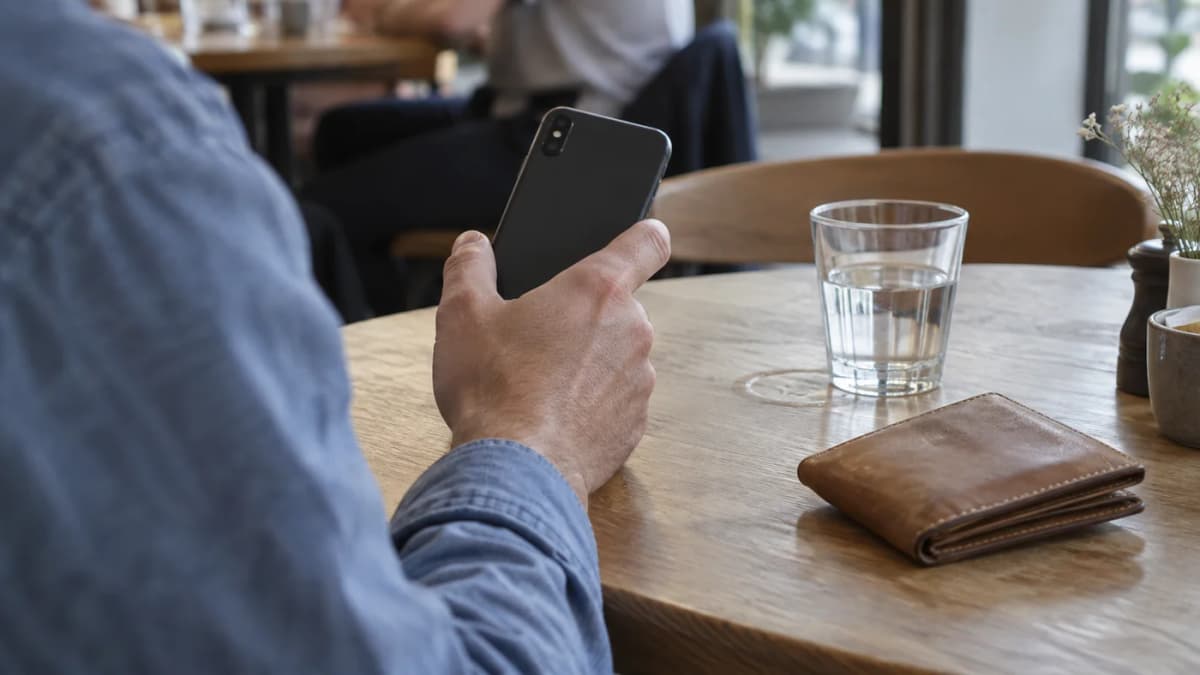
A message says your bank account needs checking. A rental agent says another tenant will take the room unless you send a deposit now. Someone in an expat group offers an investment and tells you the paperwork can follow later. The details differ, but the pressure is familiar: pay before you have time to check.
You do not need to become suspicious of everyone in Thailand. You need a repeatable way to verify a person, a payment and a promise. The checks below are for visitors and residents, including people arranging a home or services in Hua Hin.
Already sent money to a suspected scammer? Contact your bank's fraud service and Thailand's Anti Online Scam Operation Center on 1441 immediately. Use an independently obtained bank number, not one supplied by the suspected scammer. The Bank of Thailand's reporting guidance explains that acting quickly can improve the chance of stopping funds. It does not guarantee recovery.
Break the conversation before verifying it
If an unexpected caller says they represent a bank, the police, immigration or a delivery company, end the call and contact the organisation through a channel you find yourself. A caller ID, uniform in a video call or official-looking PDF is not enough to establish identity.
Do not share your password, PIN or one-time code with someone who contacts you. Do not install a remote-control app or let them watch your banking screen. Open your bank's usual app yourself rather than following a message link.
The Bank of Thailand describes phishing pages that copy online banking sites and collect credentials and OTP codes. The page may look convincing. The useful check is how you reached it and whether you initiated the action through the bank's genuine channel.
If a friend or relative suddenly asks for an urgent transfer, call them on a number you already know. Verify the situation before paying, even if the message sounds like them. A request for secrecy or for money to be moved to a supposedly safe account is a reason to stop, not to hurry.
Rental deposits: check the property and the authority to rent it
A video tour can show that a room exists. It does not prove that the person on the call owns it or is authorised to collect your money.
- Ask for the exact building and unit, written rent and deposit terms, and the legal name of the contracting party.
- Arrange a viewing, or use a trusted local person if you cannot attend. Contact building management independently to ask how to verify the arrangement.
- Ask for evidence of the landlord's ownership or the agent's authority. Do not treat a photograph of an identity card as complete proof.
- Check who receives the payment and why. If the account name differs from the contract, resolve the discrepancy before transferring.
- Keep the listing, messages, signed agreement and receipt together. Read the platform's actual protection rules before moving a booking off-platform.
If you cannot verify a long-term rental from abroad, consider a short, cancellable stay while you view properties. That is a practical trade-off, not a rule that every remote booking is fraudulent. A good-looking listing or a low price, by itself, proves neither safety nor fraud.
Property purchases need checks beyond a convincing seller
For a purchase or long lease, engage an independent Thai lawyer before making a substantial commitment. Ask them to verify the title, the seller's authority, registered burdens and the legal structure being offered, and to explain how completion and payment will work.
Do not rely on a seller's summary of foreign ownership eligibility or a promise that renewals make a lease equivalent to ownership. Get the relevant checks and limitations in writing. The FCDO's Thailand advice specifically cautions about property scams and recommends legal advice before financial commitments.
A registered company, an impressive office and a familiar community member are not substitutes for checking the transaction. Equally, a disagreement about a contract is not automatically proof of fraud. Keep evidence and obtain advice about the particular facts.
Visa services: pay for a defined service, not a promise of approval
First establish which authority handles your application and what the actual requirements are. Start from the relevant Thai embassy or immigration office. For an e-Visa application, the official portal is thaievisa.go.th; confirm the correct process with the responsible embassy.
If you hire an agent, ask for a written scope: which application, which documents, the service fee separate from official charges, how you receive submission evidence, and what happens if the application is refused. Keep access to your own application information and copies of everything submitted on your behalf.
Reject an offer that depends on false bank records, invented employment or information you know is untrue. Paying a helper does not remove your need to understand what is being submitted. Do not assume a company's business registration gives it power to guarantee an immigration decision.
Investment offers: verify the licence and the person using it
Before investing through a firm claiming Thai regulatory approval, use the SEC's SEC Check First service to check the relevant firm or individual. Confirm the offer through contact details obtained independently. A scammer can borrow the name of a genuine licensed business.
The Thai SEC's impersonation warning recommends direct verification with the claimed company and checking the recipient of investment payments. It also lists 1207, then option 22, for investment-scam enquiries and reports.
Do not use a magic percentage to decide whether something is legitimate. A promised return below 10% can still be fraudulent; a risky investment can lose money without being a scam. Ask how returns are produced, how withdrawals work, what fees apply and which legal entity holds the money. If the explanation is only “trust the group,” do not send funds.
A screenshot showing profits is not proof that money can be withdrawn. Be especially cautious if a platform demands another payment, tax or deposit before releasing funds. Stop and seek independent advice instead of chasing a balance shown on a screen.
Everyday rentals, rides and job offers
For a vehicle rental, record existing damage and read the charge and insurance terms before taking the keys. Do not leave your passport as collateral; the FCDO warns that rental businesses may retain it against disputed damage. Our driving and rental checklist covers the practical preparation.
Agree a ride's price and destination before starting where a fixed fare is used. Do not confuse an expensive quote with proof of a scam. If someone says an attraction is closed, verify that with the venue rather than accepting an immediate detour to a shop.
Check a job offer with the real employer before travelling. The FCDO warns about offers that take people from Thailand into neighbouring countries, where they may be held and forced into online scamming. Do not hand control of your passport or travel route to an unverified recruiter.
If money or account access has already been lost
- Act on the payment first. Call the bank through its genuine fraud channel and contact AOC on 1441 for suspected online fraud. Ask what can be blocked or recalled and what further reporting is required.
- Secure access. If the phone may be compromised, use another trusted device to contact the bank. Change affected credentials through genuine services and follow the bank's instructions.
- Preserve evidence. Save transaction references, recipient details, URLs, messages and the timeline. Do not delete the conversation in frustration.
- Report appropriately. Ask police how to file the complaint and obtain its reference. Tourist Police on 1155 can help with visitor assistance; call 191 for immediate danger.
- Avoid a second loss. Do not pay an unsolicited recovery service promising guaranteed reimbursement. Ask an independent lawyer about options for substantial disputes, without assuming litigation will recover the money.
The government hotline directory confirms the police and Tourist Police numbers. For physical injury or illness during an incident, use our emergency help guide.
Share evidence with the bank, police and your adviser. Be careful about publishing accusations, identity documents or bank details on social media. Publicly naming someone is not a substitute for reporting, and may create further problems.
Quick answers
What should I do immediately after a suspected scam transfer?
Contact your bank through its genuine fraud channel and call AOC on 1441. Save transaction details and follow reporting instructions. Acting quickly may help, but recovery is not guaranteed.
Does a registered company or real licence prove an offer is genuine?
No. Verify that the person, website and payment instructions really belong to that organisation. Scammers can impersonate legitimate companies and licensed firms.
Should I send an OTP to someone claiming to be my bank?
No. Do not share a one-time code with an unexpected caller or message sender. End the conversation and contact your bank independently through its genuine app or phone number.
Reviewed September 2026. Unsupported loss figures, stereotypes, legal absolutes and guaranteed-protection claims have been removed. This is practical prevention guidance, not advice on a specific legal dispute or investment.
Ananas Premium
Unlock Hua Hin's Best Property & Investment Insights
Enjoying our free content? Get unlimited access to premium articles, local market intelligence, member briefings, and exclusive checklists for ฿290 / $9.95 per month.
Sources & Verification
- AOC 1441 reporting and importance of prompt action without guaranteed recovery. — Bank of Thailand — online crime responseSource
- Fake banking websites, credentials and OTP theft. — Bank of Thailand — online banking fraudSource
- Licensed-firm impersonation, independent checks and 1207 option 22. — Thai SEC — investment impersonation warningSource
- Official licence-check tool; no endorsement of any particular investment. — Thai SEC — Check FirstSource
- Passport collateral, property caution and fraudulent overseas job offers. — FCDO — Thailand safety and securitySource
- Official Thai e-Visa portal; route must be checked with responsible embassy. — Thailand e-VisaSource
- Police and Tourist Police short codes. — Thai Government PRD — assistance hotlinesSource