Bön, Dzogchen and Meditation: Tradition Versus Evidence
Explore Tibetan contemplative traditions without sensational promises. Separate Bön teachings from small temperature studies and limited research on tukdam.

Ananas CEO
Jun 26, 2026
Status

A conversation about Bön and Dzogchen can open a window into a tradition unfamiliar to many viewers. It should not require believing that scientists have proved supernatural powers. This Tell Them Podcast episode explores Tibetan contemplative practice. For viewers in Thailand, it is also important not to mistake these teachings for a description of Thai monastery practice. The viewing notes below separate religious teachings, personal accounts and findings that can actually be checked.
Keep the tradition in its own context
Bön and Dzogchen are not interchangeable labels for every form of meditation. If you want to study a teaching, begin with how its community explains it, who teaches it and what preparation is expected. Shenten Dargye Ling's biography of Khenpo Gelek Jinpa Rinpoche provides a primary community source for the teacher's background.
That is a different kind of source from a laboratory paper. A religious community can describe its lineage and understanding of a practice. It cannot, merely by describing it, establish a medical effect. A researcher can measure a particular outcome without settling the meaning of the tradition.
For comparison, our Thai monastery episode concerns a different setting. Do not take a practice discussed in one conversation as standard instruction for another community.
What a study of g-tummo actually measured
A 2013 PLOS ONE study of g-tummo investigated temperature changes during specific practices involving breathing, muscle tension and visualisation. It reported increased armpit temperature in trained practitioners under the study conditions. This was a small, specialised study, not proof that any viewer can control body temperature safely or that a monk demonstrated unrestricted “mind control.”
The measurement method, participants and conditions matter. “Researchers observed a temperature change” is not the same claim as “meditation makes cold exposure harmless.” The article does not offer instructions for forceful breathing, breath-holding or exposure to cold.
Reports about death need particularly careful wording
The episode also raises contemplative ideas around death. A published EEG investigation of postmortem tukdam did not detect the EEG activity it was looking for in the recorded postmortem cases. Its observations and timing have limits; they do not prove a continuing consciousness or resolve all religious interpretations.
Descriptions of a body's appearance are not, by themselves, measurements of awareness. When an interview makes a stronger claim, ask which observation supports it and whether the cited research actually tested that claim. Respect for a belief and a demand for clear evidence can coexist.
How to explore meditation without chasing a spectacle
Ask a prospective teacher what beginners learn, how questions are handled and which practices require supervision. A sensible introduction should allow you to explain health concerns and stop when necessary. You do not need to reproduce a remarkable anecdote to make a quiet practice worthwhile.
The NCCIH overview notes that meditation research has limits and adverse experiences can occur. Keep clinical care separate from a spiritual teacher's role.
If you are struggling while living abroad, our mental-health support guide is a better place to start arranging professional help than a demanding practice chosen from a video.
Listen for the boundary between an idea and a result
You might finish the conversation interested in a text, a community or the discipline of regular practice. Those are reasonable reasons to learn more. You do not have to convert a philosophical insight into a claim about medicine.
Our mindset and EFT episode notes use the same distinction with personal-development claims. A meaningful account of change is not proof that thoughts heal an injury. The boundary helps the viewer get value from a conversation without borrowing promises the evidence cannot support.
Frequently asked questions
Did this episode prove supernatural mind control?
No. An interview and a small study of a specific practice do not establish unrestricted control of the body or supernatural abilities.
Should I copy advanced breathing or cold-exposure practices from the video?
No. These notes do not provide instructions for those practices. Seek appropriately qualified guidance and medical advice where relevant rather than experimenting from an interview.
Does the tukdam research prove consciousness continues after death?
No. The cited EEG study did not detect the activity it sought in its recorded postmortem cases. Its limited measurements do not settle broader religious questions.
You may also like
More videos from this category

Video
Nicole Petschek: Mindset, EFT and Claims Worth Checking
Video
Healthy Aging: What Longevity Claims Can and Cannot Tell You
Video
CBDCs, Cash and Thailand: What Digital Money Actually Means

Video
Learning Mandarin: Language, Culture and Everyday Practice
Video
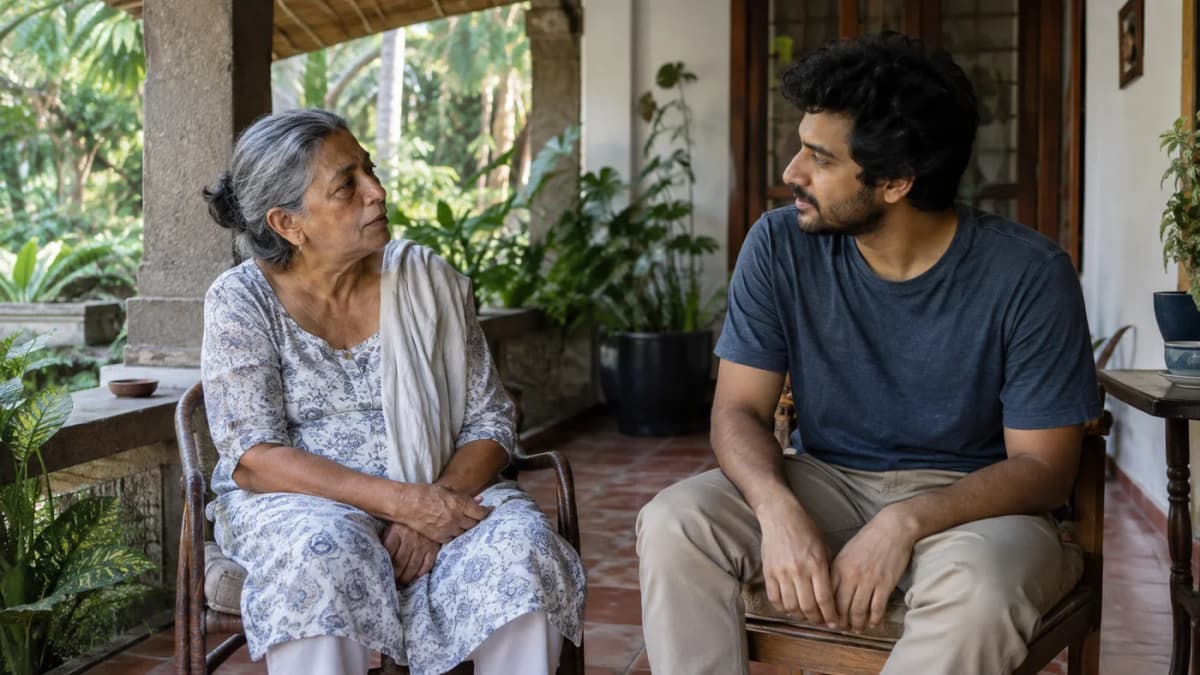
Palliative Care in Thailand: Quality of Life and Family Choices
Video
Space, NASA and Alien Life: A Conversation with John Dankowski
Video
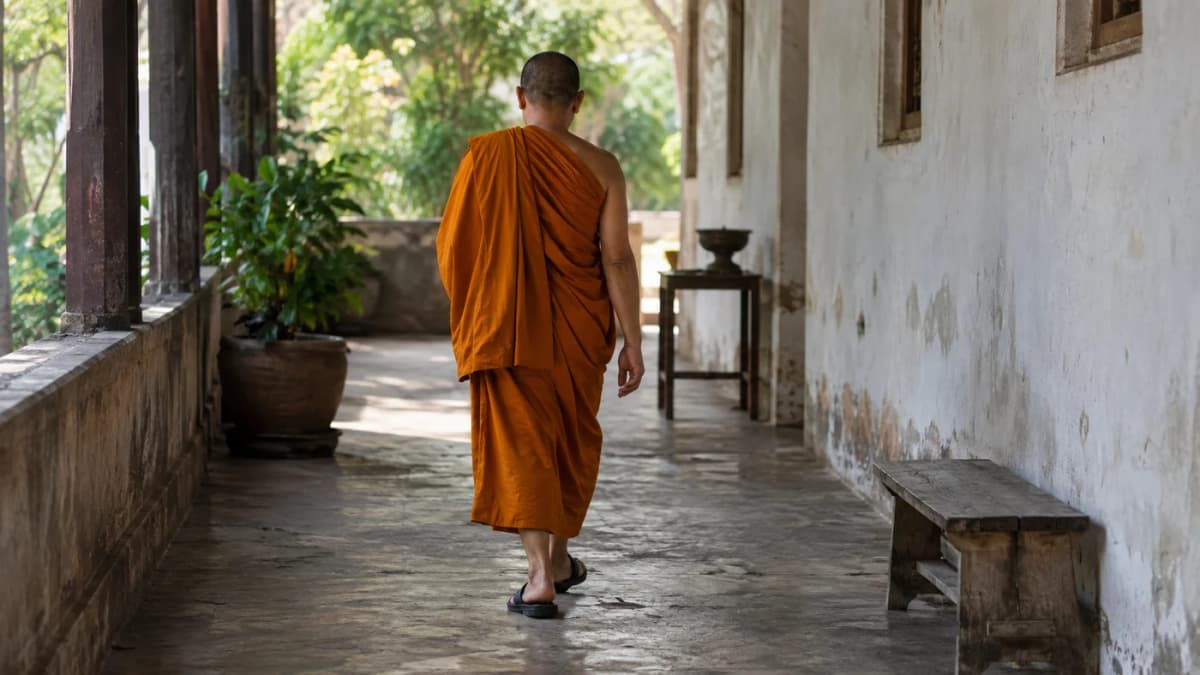
Becoming a Monk in Thailand: Meditation and Monastery Life
Ananas Premium
Unlock Hua Hin's Best Property & Investment Insights
Enjoying our free content? Get unlimited access to premium articles, local market intelligence, member briefings, and exclusive checklists for ฿290 / $9.95 per month.
Sources & Verification
- The community provides the teacher's background; this is not clinical evidence. — Shenten Dargye Ling: teacher biographySource
- The small specialised study measured temperature changes under particular practice conditions. — PLOS ONE: g-tummo temperature study (2013)Source
- The study did not detect the EEG activity sought in recorded postmortem cases; observations have limits. — Frontiers in Psychology: postmortem tukdam EEG studySource
- Meditation evidence has limits and adverse experiences can occur; it does not replace clinical care. — NCCIH: meditation effectiveness and safetySource