Hua Hin Night Markets Compared: Which One Should You Visit?
Choose a market by your evening: central dinner, weekend art browsing or a food-focused trip to Khao Takiab. Includes source-linked operating schedules.

Editorial Team
Aug 10, 2026 · 6 min read
Status
Choosing a Hua Hin night market is mostly a question of the day, your location and whether you want dinner or shopping. You do not need to visit all four names on a list. A relaxed evening at one market is usually a better plan than spending half the night travelling between them.
Start with the geography: Dechanuchit and Chatsila belong to the central-town outing. Cicada and Tamarind are in the Khao Takiab area to the south. They are not all stops on one short walk from the town centre.
The quick choice
- Central dinner and souvenir browsing: Dechanuchit, usually called Hua Hin Night Market.
- Art, design and a weekend outing: Cicada.
- A food-focused evening in Khao Takiab: Tamarind, including its listed Thursday opening.
- An extra browse while already in town: Chatsila, after checking what is open that evening.
Published hours below were checked on 14 September 2026. They describe the sources' regular schedules, not live confirmation of tonight's trading. Weather, holidays and individual vendors can change the experience.
Dechanuchit: keep dinner in the centre
The central night market runs along Dechanuchit Road between Phetkasem Road and the railway-side road. TAT's 2020 guide to an evening in Hua Hin lists daily hours of 5pm–11pm. Treat that older listing as a planning reference and confirm locally when timing matters.
Choose it when you want a meal and a browse without travelling to the southern markets. Prepared food, seafood restaurants and souvenirs are part of the offering. That does not mean every stall has the same quality, prices or payment arrangements.
It works particularly well as a flexible evening: look around, choose a meal and leave when you have had enough. Our central night-market guide covers ordering seafood, checking prices and buying souvenirs in more detail.
Cicada: make time for art and design
Cicada's official website lists Friday, Saturday and Sunday, 4pm–11pm, in Khao Takiab. Its programme combines a market with art, food, music and other activities.
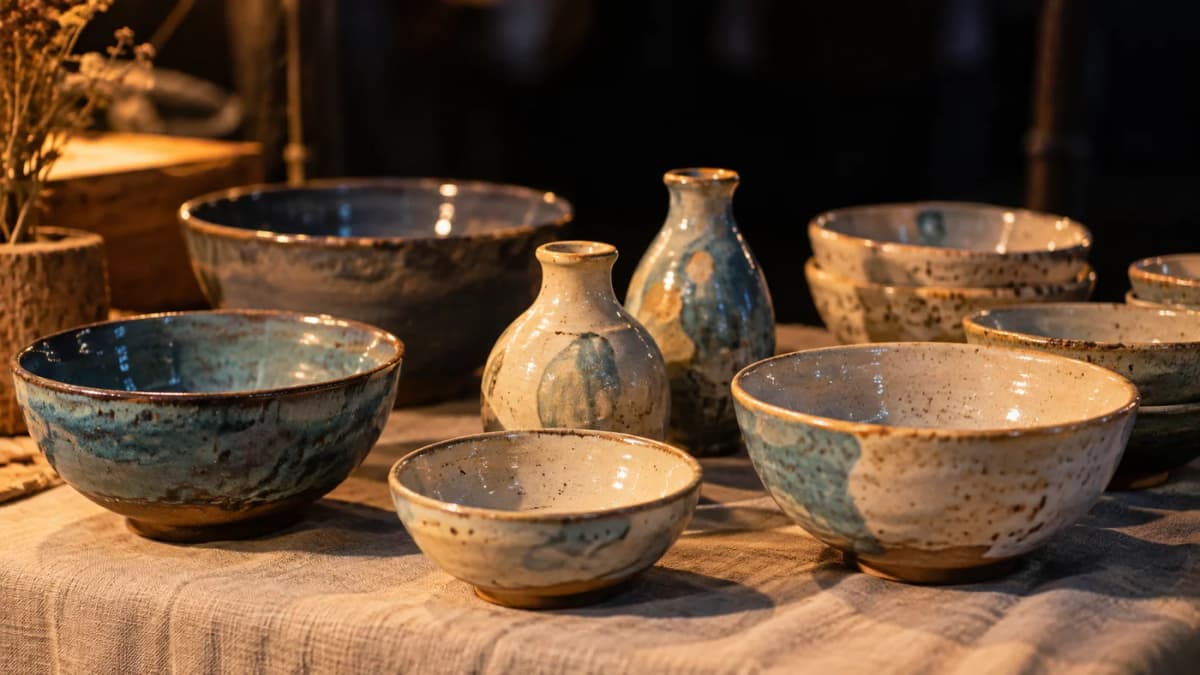
Choose Cicada if browsing is part of the evening rather than something to finish before dinner. Leave room to look properly at work that catches your eye. Ask a seller about materials, the maker and packing if you are considering something fragile.
The homepage also contains older event material. Do not build your night around a performance time taken from an undated card; check the current event announcement first. Likewise, ask at the food area how payment works that day instead of assuming cash, cards or a coupon system applies everywhere.
This is a different outing from the central street market, not automatically a better or more “authentic” one. Choose it for the type of browsing you want, not because someone has assigned an invented quality score to the crowd.
Tamarind: choose it when dinner comes first
The Tourism Authority of Thailand's Tamarind listing gives Thursday–Sunday, 5pm–11pm, and an address in the Hua Thanon community at the entrance to Khao Takiab. It describes a food market with live music.
That Thursday opening is the useful distinction: a Thursday plan should not assume that Cicada will also be operating. On Friday through Sunday, the two markets can fit into the same Khao Takiab outing. Save both pins and check the route between their entrances rather than following a map to the wrong side of a property.
For a group, look at the ordering and seating arrangements before everyone buys from different vendors. Decide where to meet, whether food can be brought to the same table and who is getting drinks. Those small decisions matter more than a long list of dishes you feel obliged to try.
Chatsila: a central add-on, not a separate expedition
The DASTA community-tourism listing for Chatsila places it beside the central night-market area, with access via Hua Hin Soi 72/1 and the night market. It describes shopping around restored wooden buildings and lists daily hours of 6pm–11pm.
The listing has no clear recent operating update. Use it for orientation, then check which entrances and shops are actually open. In particular, do not assume an exhibition mentioned in older descriptions is still running.
If you are already visiting Dechanuchit, Chatsila is a possible extension to the evening. We would not organise a separate car trip around its advertised hours without confirming them first. This also avoids confusing Chatsila with Chatchai, the fresh market used for breakfast shopping.
Build one evening, not a checklist
Monday to Wednesday: start with the central market's regular daily schedule. Do not plan around Cicada or Tamarind unless the operators announce a special opening.
Thursday: Tamarind is an option under its published schedule; central Hua Hin is the simpler choice if you are staying in town and only want dinner.
Friday to Sunday: choose either the central cluster or the Khao Takiab cluster. If you want both art browsing and food in the south, allow time for each without promising yourself a particular show or stall.
Travelling with children? Agree on a meeting point before splitting up, find somewhere to sit before buying several hot dishes, and keep the return journey simple. For mobility needs, verify entrances, toilets and seating with the venue; an outdoor market description is not an accessibility assessment.
Costs, weather and getting back
There is no reliable single “market budget.” A snack, a seafood dinner and handmade homeware are different purchases. Check menus and units, ask about payment, and agree on a transport fare separately. Avoid comparing markets through unsupported percentage markups.
Do not count on complete rain cover. Keep an indoor dinner option nearby on your map and check transport before you are ready to leave. Our Hua Hin transport guide explains car-free choices. For meals outside the evening-market routine, use our food guide.
Frequently asked questions
Which days does Cicada Market open?
Cicada's official website lists Friday, Saturday and Sunday from 4pm to 11pm. Check the operator's current announcements for exceptions and event details.
Is Tamarind Market open on Thursday?
TAT's Tamarind listing includes Thursday, with regular hours of 5pm to 11pm from Thursday through Sunday. Confirm special closures before travelling.
Are all four Hua Hin night markets in the same area?
No. Dechanuchit and Chatsila are central-town options. Cicada and Tamarind are in the Khao Takiab area to the south, so plan them as a separate cluster.
Ananas Premium
Unlock Hua Hin's Best Property & Investment Insights
Enjoying our free content? Get unlimited access to premium articles, local market intelligence, member briefings, and exclusive checklists for ฿290 / $9.95 per month.
Sources & Verification
- Central market location and historical schedule — Tourism Authority of ThailandSource
- Khao Takiab location and Fri–Sun 16–23 schedule — Cicada operatorSource
- Tamarind address, food focus and Thu–Sun 17–23 schedule — Tourism Authority of Thailand JapanSource
- Chatsila central access and published daily 18–23 schedule; undated not live-confirmed — DASTA community tourismSource