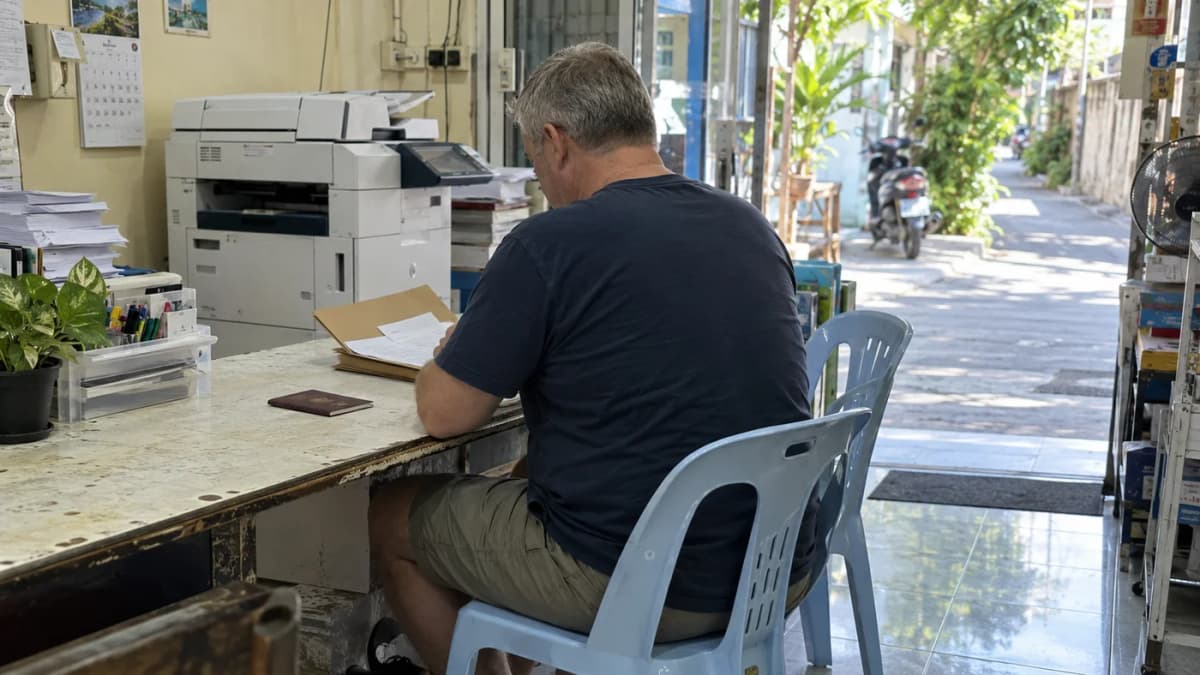
Villa vs Condo in Hua Hin: Costs, Upkeep and Buying Checks
Compare actual villas and condos in Hua Hin: privacy, access, maintenance, operating costs and the legal rights you would buy.

Editorial Team
Aug 17, 2026 · 7 min read
Status
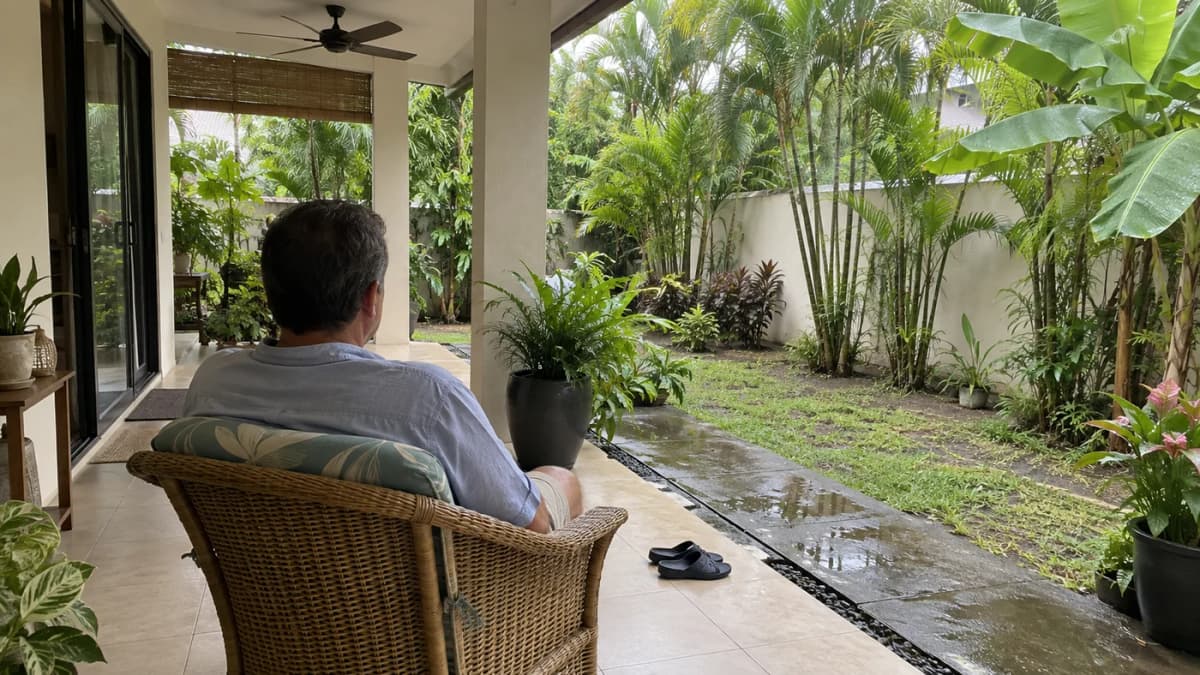
A villa gives you a garden. A condo gives you shared facilities. Neither description tells you whether the home is comfortable, affordable or a sensible purchase.
In Hua Hin, the useful comparison is between two actual addresses with similar space, condition and access to your daily routine. A well-run condo and a neglected building are different propositions. So are a small easy-care house and a pool villa with a long list of equipment.
Start with how you will use the place: living there year-round, spending a few months there, or letting it to tenants. These lead to different decisions. This guide compares practical responsibilities, not supposed town-wide prices or guaranteed investment returns.
Write your viewing brief before choosing a property type
List the things you cannot compromise on: bedrooms, accessible entrance, parking, pet permission, working space and your maximum total monthly cost. Then add the journeys you actually make. A home near the beach can still be awkward for your particular school, clinic or supermarket.
Give the villa and condo the same test. Visit at a busy time as well as during the quiet viewing appointment. Listen with the windows open and closed. Check where bins, service equipment and vehicle entrances sit in relation to the bedroom.
Use our Hua Hin neighbourhood viewing checklist to assess the route and surroundings. The name of an area is a starting point, not a substitute for checking the street.
Privacy means more than having your own gate
A villa may offer outdoor space, fewer shared walls and more room for visitors. Look at the boundary, though. Can the neighbouring house see straight into the garden? Is a restaurant's kitchen or a building site just beyond the wall? Ask who can enter the property for maintenance and how visits are agreed.
In a condo, check the corridor, adjoining units, balcony sightlines and noise from the lift or pool. Ask for written rules on visitors, pets, smoking and renovation hours. Do not infer pet permission from seeing someone else's dog.
Shared facilities are only useful if you can use them comfortably. Visit the pool and gym, check opening hours and inspect the route from parking to the unit. A long walk or several steps can matter more than an impressive brochure photograph.
Who deals with the broken air conditioner?
The answer depends on both the property and whether you rent or own it. A tenant's maintenance obligations should be clear in the lease. An owner's responsibilities should be checked against the title, building rules, service contracts and equipment ownership.
Condo common-area management does not automatically maintain everything inside your unit. Ask specifically about your air conditioners, appliances, plumbing, balcony doors and any equipment serving only the unit. Find out how problems involving a shared pipe or exterior wall are reported and investigated.
At a villa, make a separate list for the roof, drainage, water storage, pumps, garden and pool, if there is one. Check which jobs have a service contract, what it covers and who arranges an urgent call-out. A managed estate may provide services, but the actual agreement matters.
If you rent, put repair contacts, approval arrangements and responsibility for costs in writing. Our Hua Hin rental guide explains the wider checks before signing. A low advertised rent does not compensate for an unresolved repair dispute.
Compare the whole operating budget
Request recent bills and written quotations for each shortlisted home. Bills show somebody else's usage, not what your own bill will be, but they help identify the tariff and recurring charges. Ask which services were included and whether the home was occupied throughout that period.
- Electricity and water: which meters and tariffs apply, and who bills you?
- Management fees: what is included, when is payment due and what is excluded?
- Regular servicing: which equipment needs attention and what do current quotes cover?
- Insurance: which building, contents and liability risks are covered, and which are excluded?
- Repairs: what needs attention now, and what allowance can you keep for future replacements?
- Transport: does this address change your need for a car or paid rides?
For a condo, distinguish routine common fees from the building's reserve or sinking fund and any separately approved charge. Ask about the budget, overdue owner payments and planned major works. Do not treat a low common fee as proof that the building is inexpensive to maintain.
For a villa, do not assume garden and pool costs are fixed forever. Get the current scope and equipment condition checked. Nor should you assume a villa always uses more electricity: floor area, shading, insulation, appliances and your habits all affect consumption.
Buying: check the rights before comparing the price
Foreign buyers need to separate condominium ownership from rights over a villa's land and building. The government's registration-document guidance describes the condo foreign-ownership limit by the total area of units, not simply the number of units: no more than 49%. Eligibility, quota availability and the required funds documentation still need checking for your purchase.
A villa listing marked “freehold” is not, by itself, evidence that a foreign individual can own the land. Foreign land ownership is generally restricted; the government's ownership overview describes conditional exceptions. Have an independent Thai property lawyer identify exactly what you would acquire and what can be registered. A lease is not land ownership. Do not accept a nominee-company arrangement as a simple workaround.
Check the title, seller's authority, registered burdens and access rights before a non-refundable commitment. Ask for an itemised closing-cost estimate for the actual transaction, including who pays each charge. A single percentage cannot reliably stand for every tax, fee and professional cost.
Our property due-diligence checklist helps organise the legal and physical questions; professional findings should determine the decision.
Leaving the home empty changes the comparison
Walk through what happens while you are away. Who has authorised access, checks for leaks and tells you about a problem? Who approves spending? How do they prove a visit took place? Get a practical plan with a contact and agreed reporting, rather than relying on “management will handle it”.
At a condo, confirm the building's actual staffing and emergency process. At a villa, confirm access, boundary security and service visits. Neither a gate nor a reception desk guarantees that the inside of an empty home is being checked.
For an investment, compare evidence rather than property labels
If you plan to let the home, request evidence for that unit or house: collected rent, vacant periods, expenses and the lawful letting arrangements. An agent's estimate is a proposal, not a rental history. Use our rental-yield calculation guide to compare the same assumptions.
For condos, our listing-price comparison guide explains how to build a small set of genuine comparables. Do not assume either property type will appreciate each year or be easy to resell.
The best choice is the home whose legal rights, physical condition, running costs and daily routine you understand. If a decisive question remains unanswered, another viewing or a short rental can be worth more than rushing to secure a discount.
Frequently asked questions
Does a condo common fee cover repairs inside my unit?
Not automatically. Ask which private equipment and shared systems the building maintains, and check your lease or ownership responsibilities before assuming a repair is included.
Is a villa always a better rental investment?
No. Compare collected rent, vacancy, operating costs, legal rights and lawful letting options for the actual properties. A higher monthly rent does not necessarily produce a higher return.
What should I compare first when viewing a villa and condo?
Use the same brief for space, access, noise, parking, permissions and total costs. Then check maintenance responsibilities and the exact legal rights before making a financial commitment.
Ananas Premium
Unlock Hua Hin's Best Property & Investment Insights
Enjoying our free content? Get unlimited access to premium articles, local market intelligence, member briefings, and exclusive checklists for ฿290 / $9.95 per month.
Sources & Verification
- The foreign condominium ownership limit is measured by total unit area, and relevant transfers require ownership and quota documentation. — Thailand.go.th — registration documents for foreign buyersSource
- Foreign land ownership is restricted and conditional exceptions exist; a villa's land rights require individual legal review. — Thailand.go.th — foreign property ownership overviewSource