Starting a Company in Thailand: Ordinary Registration or BOI?
Choose a legal route for the business you will actually run. Separate company registration, foreign ownership, BOI promotion and permission to work.

Editors
Jun 8, 2026 · 7 min read
Status
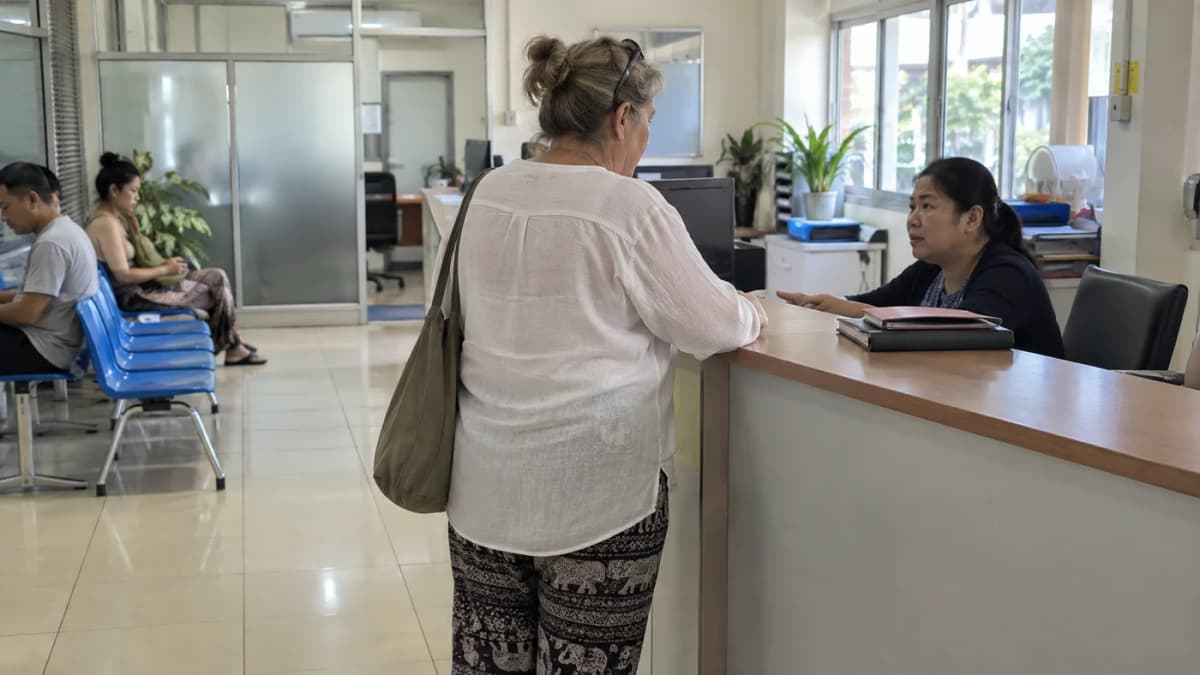
Registering a Thai company and getting permission to run your business are not the same job. A company certificate gives you a legal entity. It does not settle foreign ownership restrictions, approve a restaurant or factory, or give its foreign directors permission to work.
Start with the activity you actually plan to carry out. Who pays you, what do you sell, where is the work done, and who will do it? Those answers are more useful than choosing a “BOI package” from an agent's price list. This guide was reviewed on 5 October 2026; use it to prepare questions for a Thai business lawyer, not as approval of a particular structure.
First, describe the business without the buzzwords
“Technology company” could mean developing software in Thailand, reselling subscriptions, consulting, or running an online shop. These are different activities. Write down each revenue stream, including side activities you may add later. Identify the actual contracting entity and whether customers are in Thailand or abroad.
Have the activities checked against the Foreign Business Act and any separate sector rules. The familiar 49% figure is not a universal limit on every Thai company. Foreign ownership, the Act's definition of a foreign business, and restrictions on a particular activity must be considered together. Some activities require a licence or certificate; others have their own ownership conditions or are not restricted under that Act.
A Thai-majority company is not a licence to use Thai shareholders as stand-ins. Partners must be genuine investors with real rights and documented funding. Do not accept a ready-made shareholder list, blank share-transfer forms or an arrangement whose only purpose is to hide who owns the business.
BOI is promotion of a project, not a different company type
The Board of Investment promotes qualifying activities. The underlying company still needs registration, accounts and the permissions relevant to its operations. BOI benefits attach to the approved project and its conditions, not automatically to everything the company does.
Company formation
Ordinary route: DBD registration. BOI project: DBD registration plus the promotion process.
Foreign ownership
Ordinary route: depends on the activity and lawful permission route. BOI project: depends on the promoted activity, certificate and other laws.
Profit tax
Ordinary route: no automatic tax holiday. BOI project: exemption only if the project receives and meets the relevant incentive.
Foreign staff
Ordinary route: check immigration and work authorisation. BOI project: approved positions and individual authorisation still matter.
BOI's eligible-activities list is the starting point. Match your work to a specific activity and read its conditions. For a closer look at tax-incentive groups and software projects, see our BOI promotion guide.
Where a promoted foreign-owned business needs a Foreign Business Certificate, deal with that step through DBD. A BOI approval letter is not a substitute for every other permission. Likewise, a project-related land benefit is not a general right to buy a personal home through the company.
The ordinary company-registration steps
For a private limited company, DBD's formation manual describes a route with at least two promoters, rather than the old three-person rule. Each promoter subscribes for shares. The paperwork also covers the company name, address, objectives, capital, directors, shareholders and auditor.
- Agree on the lawful ownership structure and the business activities before reserving a name.
- Prepare the memorandum, share subscriptions and company rules. Understand the Thai documents before signing.
- Hold the statutory meeting, appoint directors and arrange payment for shares. The ordinary formation requirement is at least 25% of each share's value; other permission routes may require more funding.
- Submit the registration through the appropriate DBD channel with the required supporting documents.
- Set up the bank, accounting, tax and operational permissions needed before trading.
The manual allows a same-day formation procedure when its requirements are met. That is not a promise that your ownership review, bank account, visa and business licences will all be finished in one day. Foreign participation and particular registration circumstances can require additional evidence.
DBD offers online services, but do not assume that a digital application removes identity checks or documentary requirements. Use the official DBD service directory to find the current system, rather than following an agent's lookalike login link.
If BOI looks suitable, check the project before spending
Bring BOI a concise description of the product, development or production process, investment, staffing, funding, location and forecast revenue. A general company brochure is not enough to explain a project's eligibility.
Review the activity rules and later BOI announcements together. A measure can have a deadline or conditions that differ from the general guide. Do not assume that expenditure already incurred will count, or that an existing business can receive promotion retrospectively.
Application, assessment, acceptance of an approval and issuance of the promotion certificate are separate stages. Make the deadlines in your own approval letter part of the project calendar. After issuance, benefits may need further applications or evidence before they can be used.
Budget for a working business, not just a certificate
Separate government fees, professional fees, actual company funding and operating cash. Registered capital is not a fee paid to DBD. Paid-up capital belongs to the company and needs proper records; it is not automatically money you can take back for personal spending.
Ask a service provider to itemise formation, foreign-business work, BOI work, translation, accounting, audit, tax registration and staff applications. Check what happens if the proposed activity is not eligible. Our company setup budget guide explains how to compare quotes without relying on invented “all-in” prices.
The company bank account has its own checks. Confirm the bank's document list and authorised signatories before transferring money. Keep shareholder funding separate from customer payments and retain the transfer evidence.
Ownership does not answer the work-permit question
A foreign shareholder who also manages staff, serves customers or performs technical work needs their actual duties reviewed. A director's title is not an exemption by itself. Immigration status and work authorisation are different checks, with different evidence and expiry dates.
The often-quoted capital and Thai-staff ratios belong to particular permission routes and circumstances. They are not one rule covering every foreign worker. Check the employer, position and stay-extension basis together using our foreign hiring checklist. Hiring nominal staff simply to make paperwork look right is not a sound plan.
Questions to settle before you sign
- Which activities are permitted under this structure, and which need another approval?
- Who genuinely owns the shares, and how is each investment evidenced?
- Who can sign a contract, withdraw funds or change the directors?
- What happens if a partner leaves, dies or stops funding the business?
- Who handles accounts, tax filings, annual meetings and the auditor?
- Which duties can each foreign person lawfully perform, and from what date?
If you only want to work remotely for overseas clients, do not form a company just because somebody says it is required for every nomad. First read our remote-work business guide and have your actual arrangement reviewed. A structure should solve a real legal and commercial need.
Common questions
Do I need three people to form a Thai private limited company?
DBD's current formation manual describes at least two promoters. Other requirements, including genuine share ownership and evidence of funding, still apply.
Does BOI promotion replace company registration?
No. BOI promotes a qualifying project. Company registration, any required foreign-business certificate, operational licences and individual work authorisation remain separate checks.
Can I use nominal Thai shareholders to keep foreign ownership below 50%?
Do not use nominee shareholders to conceal a foreign-owned business. Have genuine ownership, funding and the permitted activity reviewed before registering or buying shares.
Ananas Premium
Unlock Hua Hin's Best Property & Investment Insights
Enjoying our free content? Get unlimited access to premium articles, local market intelligence, member briefings, and exclusive checklists for ฿290 / $9.95 per month.
Sources & Verification
- Activity eligibility and current announcements must be checked against the actual project; no blanket guarantee of promotion. — BOI — current activities and announcementsSource
- At least two promoters, paid-up share requirements, documents and listed filing charges; additional routes have separate requirements. — Department of Business Development — private limited company formation manualSource
- Official registration and foreign-business service channels; registration is not permission for every activity. — Department of Business Development — online servicesSource
- Activity eligibility and current announcements must be checked against the actual project; no blanket guarantee of promotion. — BOI — current activities and announcementsSource