Becoming a Monk in Thailand: Meditation and Monastery Life
A grounded companion to the monastery-life episode: clarify visits, retreats and ordination, prepare respectfully and keep meditation separate from clinical care.

Ananas CEO
Jun 10, 2026
Status
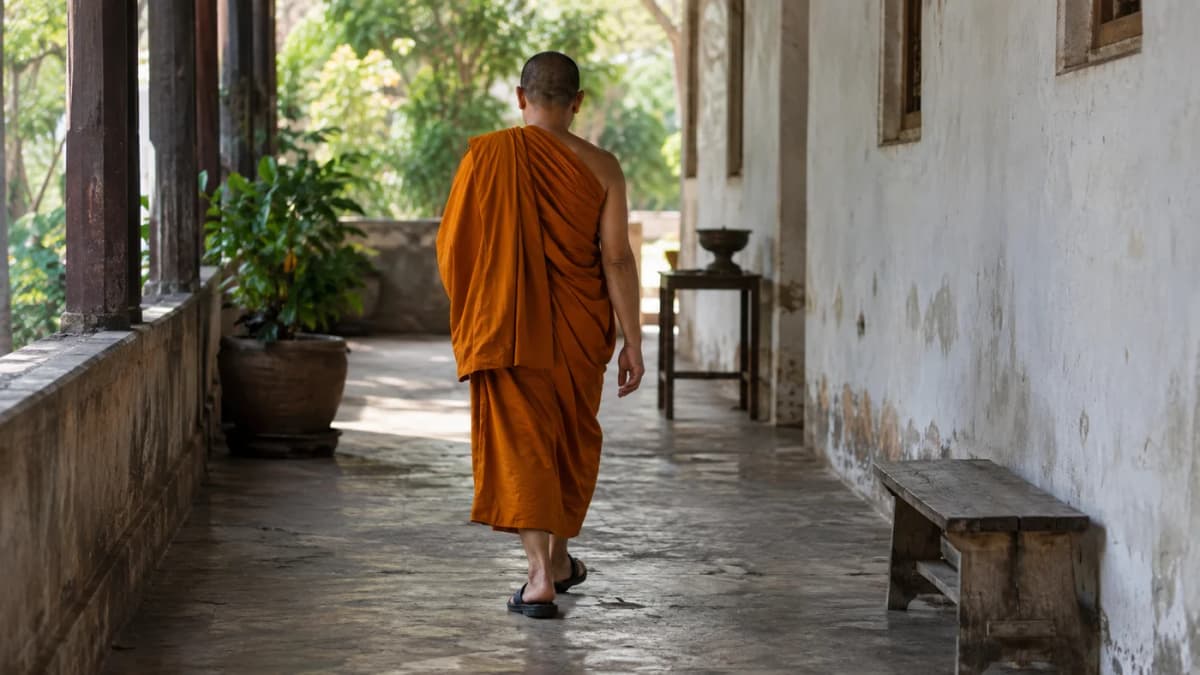
A monastery stay can look wonderfully simple from the outside: fewer possessions, a quiet room and time to think. Living within a religious community is more demanding than that picture suggests. This Tell Them Podcast conversation explores one person's experience of becoming a Buddhist monk in Thailand, meditation and the ego. It is a personal account, not a guide to every Thai monastery.
Ordination, a retreat and a visit are not the same thing
A temple visit may last an hour. A retreat may involve a timetable, silence and instruction. Ordination means entering a religious role with commitments that should be explained by the community itself. Do not book a flight on the assumption that a temple accepts foreign visitors for any of these arrangements.
Ask the monastery directly what it offers, which language is used and who can explain the rules. Establish the dates, accommodation, meals, clothing, accessibility and any costs or donations before arrival. If a contact cannot explain what you are agreeing to, slow down rather than treating uncertainty as part of the adventure.
Our Thai etiquette guide is a useful starting point for respectful everyday behaviour. At a particular temple, follow local instructions and ask before taking photographs. People praying or living there are not props for your travel story.
What the conversation can help you notice
The episode's themes include routines, identity and the discomfort of letting go of familiar habits. Those are worth reflecting on without turning the guest's experience into a promise that monastic life will fix yours.
A useful question is not “Can I get rid of my ego in a week?” It is “What happens when I cannot keep myself busy all day?” Boredom, irritation and the urge to check a phone may be more immediate than a dramatic insight. A teacher who can discuss ordinary difficulties clearly is more helpful than someone promising an instant transformation.
Meditation is a practice, not an emergency service
The US National Center for Complementary and Integrative Health's review of meditation and mindfulness describes possible benefits as well as limits in the research and possible negative experiences. Meditation should not replace medical or mental-health care.
If you are dealing with severe anxiety, trauma symptoms or a recent crisis, discuss the proposed retreat with a qualified clinician. Ask the organiser how a participant can leave, get help or adjust the schedule. A demanding silent retreat and a short guided session at home are not interchangeable.
For a broader support plan while living abroad, see our mental-health guide for remote workers. Keep access to your medication, emergency contacts and practical support rather than assuming a change of setting makes those unnecessary.
Prepare for the unglamorous details
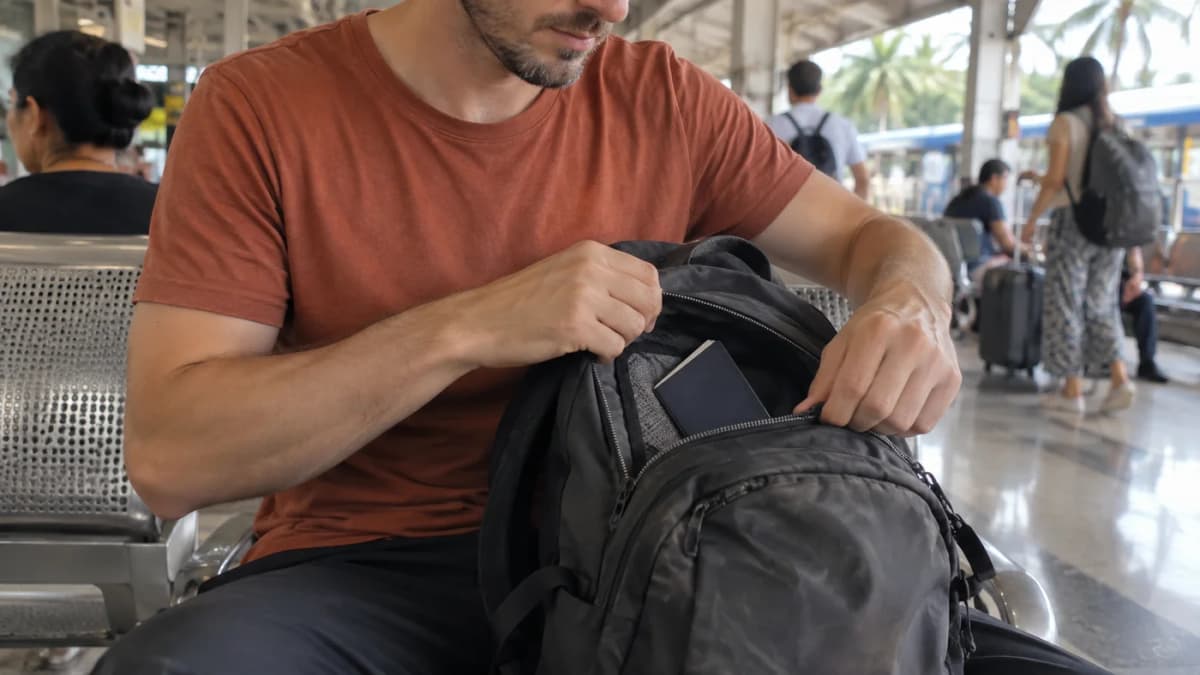
- Confirm that your immigration status covers the actual purpose and length of the trip; a temple's invitation is not a visa decision.
- Ask about sleeping conditions and shared facilities instead of expecting hotel comfort.
- Explain relevant dietary, mobility or health needs before accepting a place.
- Arrange a way home and an accessible contact outside the retreat.
- Respect boundaries around dress, speech, photography and contact with residents.
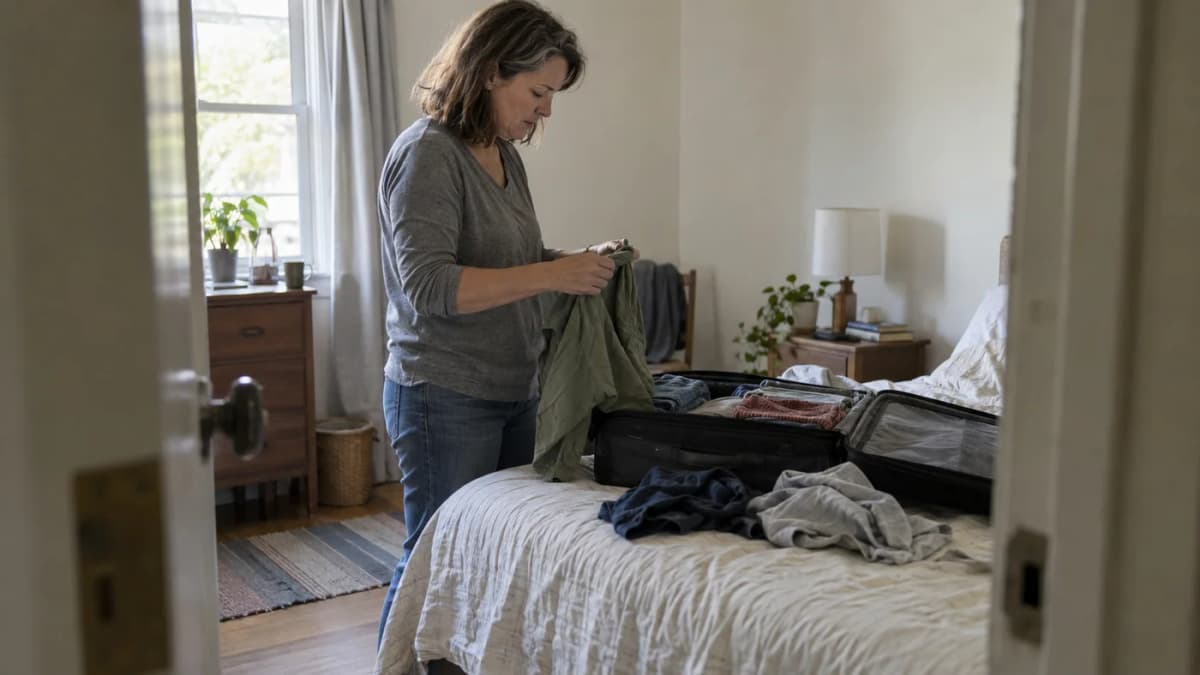
There is no need to make your visit into a test of toughness. Knowing what you can manage, and communicating it, is part of taking the community seriously.
Do not combine different traditions into one story
The Buddhist setting of this episode is different from the Tibetan Bön material discussed in our Bön, Dzogchen and meditation-science episode. Similar words such as meditation do not make the teachings, training or research identical. Listen to each conversation on its own terms.
You can leave this episode with a smaller, practical experiment: set aside a brief quiet period, notice distractions and decide whether you want guidance. That is more honest than borrowing someone else's account as proof of what must happen to you. Our mindset and EFT viewing notes make a similar distinction between a useful reflection and an unsupported healing promise.
Frequently asked questions
Can any visitor become a monk in Thailand?
Do not assume so. Eligibility, training and arrangements depend on the monastery and the relevant authorities. Ask the community directly before making travel plans.
Is a meditation retreat a substitute for mental-health treatment?
No. Meditation may be helpful for some people, but it does not replace clinical care. Discuss a demanding retreat with a qualified clinician if you have relevant health concerns.
Does this episode describe every Thai monastery?
No. It presents a personal experience. Schedules, teaching, visitor arrangements and expectations differ between communities.
You may also like
More videos from this category
Video
Nicole Petschek: Mindset, EFT and Claims Worth Checking
Video
Bön, Dzogchen and Meditation: Tradition Versus Evidence
Video
Healthy Aging: What Longevity Claims Can and Cannot Tell You
Video
CBDCs, Cash and Thailand: What Digital Money Actually Means
Video
Learning Mandarin: Language, Culture and Everyday Practice
Video
Palliative Care in Thailand: Quality of Life and Family Choices
Video
Space, NASA and Alien Life: A Conversation with John Dankowski
Ananas Premium
Unlock Hua Hin's Best Property & Investment Insights
Enjoying our free content? Get unlimited access to premium articles, local market intelligence, member briefings, and exclusive checklists for ฿290 / $9.95 per month.
Sources & Verification
- Meditation evidence has limits and adverse experiences can occur; it does not replace clinical care. — NCCIH: meditation effectiveness and safetySource