Moving to Thailand: A Practical First 30 Days Checklist
What to handle before arrival, in the first 24 hours and over the following weeks, with a realistic order for documents, housing and daily life.

Editors
Jun 26, 2026 · 7 min read
Status
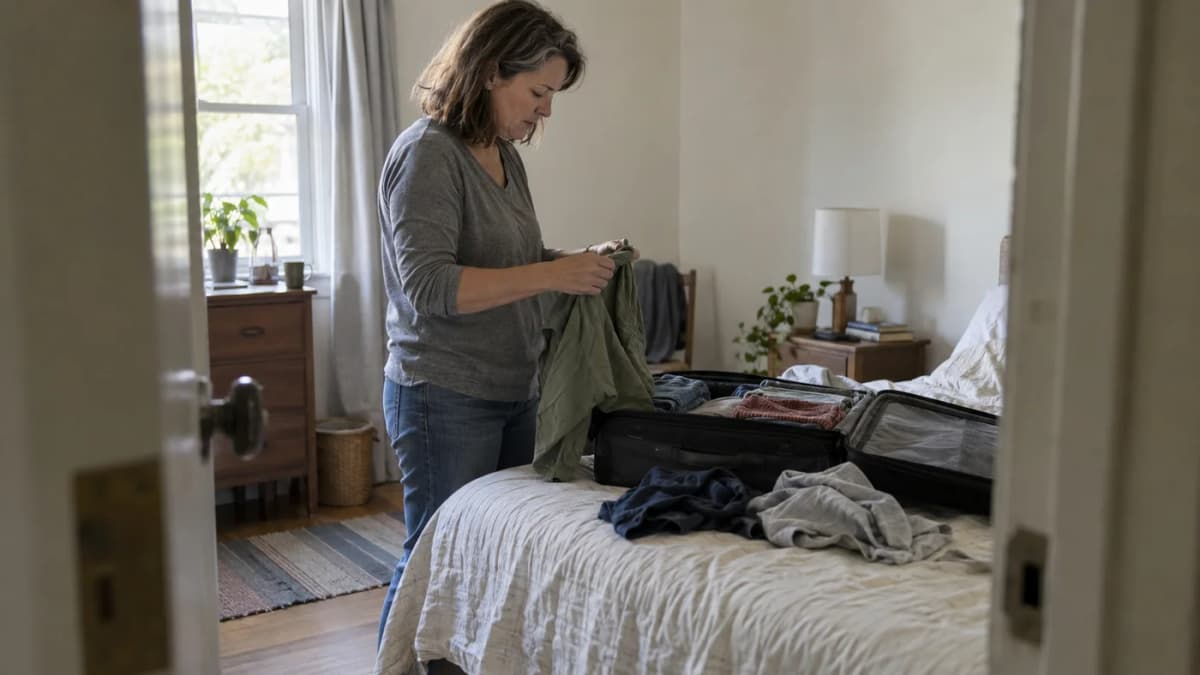
The first month in Thailand is easier when you separate urgent paperwork from things that can wait. Checking your permission to stay matters now. Finding your favourite coffee shop does not. Neither does signing a year-long lease because the first apartment has a pool.
This is a practical order of work for someone moving to Hua Hin or another Thai town. It is not a visa timetable: your nationality, entry permission, work plans and household will change the details. Use the days as a planning guide, not legal deadlines.
Before you fly: settle the questions that cannot wait
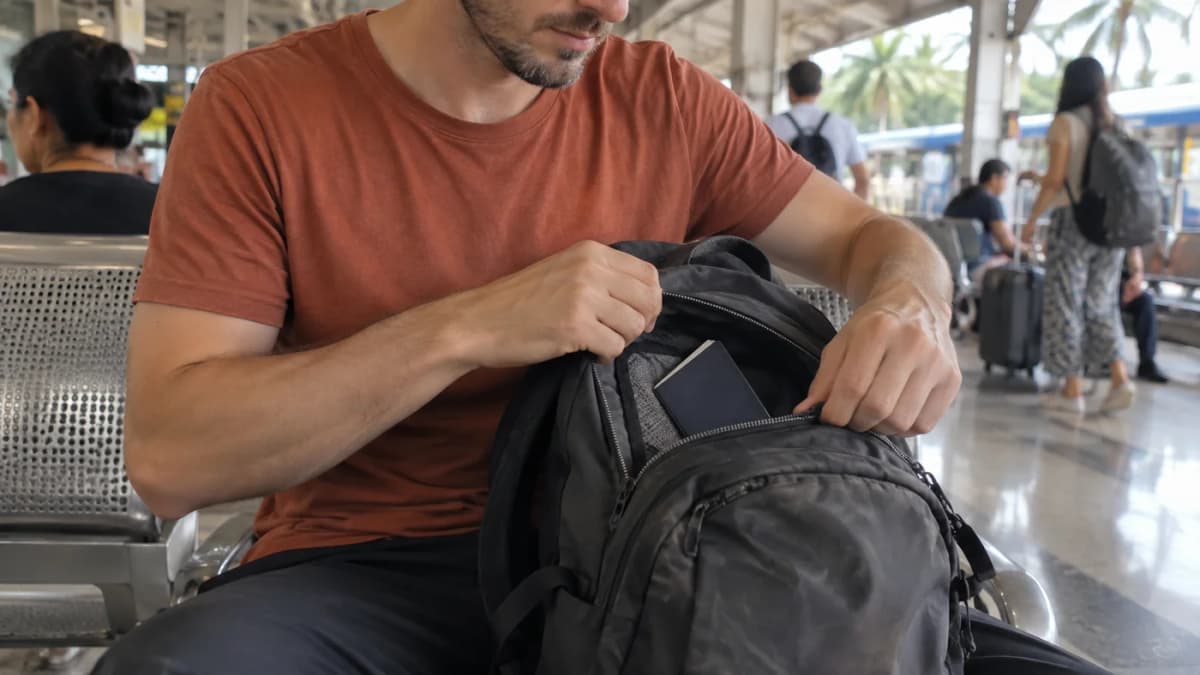
Confirm that your entry arrangements fit your intended stay and activities. Keep copies of your passport, booking confirmations, insurance documents and important contact details somewhere you can reach without mobile data. Give a trusted person access to essential information, but do not leave passport scans in public folders.
Arrange suitable health cover before departure, not after a week of settling in. Read the exclusions, start date, excess and claims procedure. Our Thailand health insurance guide explains the questions worth asking; the policy wording, not a sales summary, determines your cover.
Medication needs its own check. Do not assume that a three-month supply is allowed simply because a doctor prescribed it. The Thai FDA's personal medicine guidance distinguishes ordinary medicines from controlled substances. Check the active ingredient, quantity and any permit requirement against its controlled-medicine guidance well before travel. Keep medicines in their original packaging with the relevant prescription or medical letter.
Most non-Thai arrivals must complete the Thailand Digital Arrival Card. The official TDAC FAQ gives a submission window of three days before arrival, including the arrival date. Use your actual accommodation details and check the official instructions for your circumstances. The arrival card is not a visa or permission to work.
Arrival day: get safely to a bed
Book somewhere you can comfortably stay while looking around. A short initial booking gives you time to test the area without committing to a long contract. Save the property's map pin, written address and check-in contact. If arriving late, confirm how you will get the key.
Check whether your flight lands at Suvarnabhumi or Don Mueang before arranging transport. They are different airports. Our Bangkok airport to Hua Hin transfer guide compares the onward options and explains the final leg to your accommodation.
Once admitted, check the date until which you may stay and put reminders in your calendar. Do not use this article's 30-day plan as permission to remain for 30 days, or confuse a visa's validity with the stay granted on a particular entry. If anything looks wrong, ask Immigration promptly rather than trying to interpret a discrepancy later.
The first 24 hours: ask about the accommodation report
Thailand's government explanation of TM30 reporting places the notification duty on the householder, owner or possessor of the residence, or hotel manager, within 24 hours of the foreign guest's arrival at the accommodation. Ask your host who handles it and how you can obtain confirmation. Do not postpone this conversation until your first visit to Immigration.
This is separate from the TDAC. Keep the accommodation address and any reporting confirmation with your other records. For address changes, repeat stays or uncertainty about your own situation, get current instructions from the relevant Immigration office rather than relying on a landlord's recollection or an old forum post.
Days 2–7: build a working daily routine
Start with communication, payments and essentials. Make sure your phone works for calls as well as data, and that you can still receive the security messages needed for accounts back home. Compare the conditions in our Hua Hin mobile-data guide; a large advertised data allowance is less useful if the connection is poor where you live.
Find a nearby grocery shop, laundry option and pharmacy. Save your accommodation address in Thai where available. Keep enough accessible money for immediate expenses and a backup payment method, stored separately. Avoid depending on one card, one phone or one banking app.
A local bank account may help, but it is not a guaranteed first-week errand. Bangkok Bank's current savings-account page directs foreign applicants to contact a branch about requirements. Ask the intended branch which documents it needs for your circumstances before travelling there. Account opening, online access and payment features should all be confirmed separately.
Put practical help within reach too. Read our Hua Hin emergency-services guide and save the relevant contacts offline. Tell someone you trust where you are staying.
Week 2: choose a home after trying the neighbourhood
Visit potential homes at different times. Listen for road noise, check the route after dark and see how you would buy groceries without relying on holiday-mode enthusiasm. A cheap apartment can become expensive if every small errand needs a car.
Before paying, get the proposed contract and the full cost in writing. Ask about rent, deposits, electricity and water rates, internet, cleaning, repairs, notice periods and deductions at move-out. Rules and contract terms depend on the rental arrangement; do not assume that a particular deposit formula applies everywhere.
Photograph existing damage with the owner or agent, record meter readings and keep the inventory and receipts. Check air conditioning, water pressure, locks and appliances during the viewing. If reliable connectivity matters, test it inside the actual unit and use our home internet setup guide to ask about installation and contract conditions.
Weeks 3–4: make the arrangement sustainable
Review what you have actually spent rather than comparing yourself with an online monthly budget. Separate one-off arrival costs from recurring costs. Include transport, insurance, utilities and money reserved for unexpected changes. A furnished room and a workable routine may be a better starting point than buying everything immediately.
Do not rush into riding or driving because other newcomers do. Check the licence, insurance and vehicle requirements that apply to you, and choose transport you can use confidently. Our guide to driving in Thailand covers local road behaviour and the checks to make before setting off.
Give the social side some space as well. Choose one recurring activity you genuinely enjoy, rather than attending every event advertised in a group. Our guide to making friends in Hua Hin offers a low-pressure way to start. An unfamiliar town does not become home on a fixed deadline.
Your end-of-month check
- Do you know your permitted-stay date and the next action required?
- Are accommodation records, insurance contacts and important documents easy to retrieve?
- Can you manage everyday payments and communication if your main phone or card fails?
- Do you understand your housing costs and the terms you have signed?
- Have you found a routine that works beyond the first week's excitement?
Frequently asked questions
Does this checklist mean I can stay in Thailand for 30 days?
No. This is a planning guide, not an immigration entitlement. Follow the permission granted for your entry and seek official advice about any extension or change you need.
Who handles the TM30 accommodation report?
The government guidance places the duty on the householder, owner or possessor, or hotel manager, within 24 hours of the foreign guest's arrival at the accommodation. Ask your host for confirmation and Immigration for instructions specific to your situation.
Can I bring three months of prescription medicine?
Do not assume so. Permitted quantities and paperwork depend on the medicine's classification. Check the active ingredient against Thai FDA guidance before travelling and allow time for any required permit.
Ananas Premium
Unlock Hua Hin's Best Property & Investment Insights
Enjoying our free content? Get unlimited access to premium articles, local market intelligence, member briefings, and exclusive checklists for ฿290 / $9.95 per month.
Sources & Verification
- TDAC submission window; arrival card does not substitute for a visa — Thai Immigration TDAC FAQSource
- Accommodation notification duty and 24-hour timeframe — Thailand government TM30 guidanceSource
- Personal medicine rules depend on classification and quantity — Thai FDA FAQSource
- Controlled medicine permits and preparation — Thai FDA guidance for travellersSource
- Foreign savings-account applicants should contact a branch about requirements — Bangkok Bank savings accountSource