Weekly Signal

Don't miss the next big opportunity in Thailand. Get our weekly digest.

No spam. Unsubscribe anytime.

Explore

  • Guides
  • Videos
  • Real Estate
  • Business
  • Economics
  • Tech
  • Shopping
  • Life
  • Travel

Legal

  • Privacy Policy (PDPA)
  • Terms of Service
  • Cookie Policy
  • Advertising Disclosure
  • Content Disclaimer
  • Copyright & IP Notice

Ananas Insider

  • About Us
  • Contact Us
  • Become Our Author
  • Advertise With Us
  • About Ananas Premium

Social

Follow us for daily updates from Hua Hin.

Β© 2026 Ananas Insider

About UsAnanas PremiumContact
🍍 Made by AnanasIT.com
Ananas InsiderNot News
Join Ananas Premium
Saved posts
LoginRegister
GuidesVideosReal EstateBusinessEconomicsTechShoppingLifeTravelPremiumFlightsInsuranceCar Rental
THB/USD36.4836.48
THB/EUR39.7239.72
BTC/THB2,461,8002,461,800
Gold/THB83,42083,420
Hua Hin+32Β°C, Mainly clear+32Β°C, Mainly clear
AQI48 Β· Good48 Β· Good
Life

Cost of Living in Hua Hin 2026: Monthly Budget Breakdown

The real cost of living in Hua Hin depends entirely on what you buy and where you buy it. Here's the data-driven breakdown for 2026.

Ananas Editorial
Ananas Editorial

Editorial Team

Jun 19, 2026 Β· 11 min read

Status

Cost of Living in Hua Hin 2026: Monthly Budget Breakdown

Executive Summary

  • A couple can live comfortably in Hua Hin for THB 55,000-80,000/month ($1,540-2,240)
  • Housing is the biggest variable: THB 10,000-80,000 depending on type and location
  • Eating local food costs THB 8,000-12,000/month; eating Western costs 2-3x more
  • Hidden costs add THB 8,000-15,000/month: visa, insurance, currency, social spending
  • Hua Hin is 30% more expensive than Chiang Mai but offers better healthcare and beach access

A Couple Can Live Comfortably in Hua Hin for THB 45,000 a Month β€” Here's the Breakdown

That number surprises most people. THB 45,000 a month β€” roughly $1,260 USD β€” for a couple living in a beach town with reliable healthcare, decent restaurants, and a climate that makes Northern Europeans weep with envy. Not surviving. Not skimping. Living comfortably, with occasional dinners out, a gym membership, and enough left over for weekend trips to Bangkok. The figure comes from combining real rental data from Numbeo and Expatistan with the actual spending patterns of long-term expats in Hua Hin, and it's one of the most misleadingly simple numbers you'll encounter β€” because what "comfortable" means in a Thai beach town is fundamentally different from what it means in London, Sydney, or San Francisco.

Hua Hin's cost structure is built on a paradox: it's cheap by Western standards but expensive by Thai ones. A foreign retiree spending THB 45,000 monthly lives well β€” better than 90% of Thai households in the same province. But that same retiree is paying 30-50% more than a Thai family of four in the same neighborhood, because expat spending patterns cluster in the categories where Hua Hin's prices are highest: imported food, Western-standard housing, private healthcare, and activities priced for tourists rather than locals. Understanding where your money actually goes β€” and where it doesn't need to β€” is the difference between a sustainable life and a slow financial bleed that catches up with you in year three.

The Real Numbers: What Things Actually Cost in 2026

Forget the generic "Thailand is cheap" narrative. The cost of living in Hua Hin depends entirely on what you buy and where you buy it. A local eating at the Talad Rot Fai night market every night spends THB 6,000-8,000 monthly on food. An expat shopping at Villa Market and eating at Western restaurants spends THB 15,000-22,000 on the same calories. The gap isn't about greed β€” it's about supply chains, import duties, and the markup that comes from serving a clientele that expects imported cheese, good coffee, and consistent air conditioning.

Here's the actual cost breakdown for Hua Hin in mid-2026, based on current market data and verified by long-term resident spending patterns:

CategoryBudget (THB/month)Comfortable (THB/month)Premium (THB/month)
Housing
1BR condo (city center)10,000-13,00015,000-19,00025,000-35,000
2BR condo (city center)18,000-25,00025,000-35,00040,000-55,000
3BR house (suburban)20,000-27,00030,000-45,00055,000-80,000
Food
Street food / markets (daily)5,000-7,0008,000-12,00012,000-18,000
Groceries (Villa/Market)4,000-6,0006,000-9,00010,000-15,000
Restaurants (mix local/western)3,000-5,0006,000-10,00012,000-20,000
Transport
Songthaew / motorbike1,500-2,5002,500-4,0005,000-8,000
Car (fuel + insurance + maintenance)β€”5,000-8,0008,000-15,000
Grab rides1,000-2,0002,000-4,0004,000-6,000
Utilities
Electricity + water1,500-2,5002,000-3,5003,000-5,000
Internet (fiber)500-600600-800800-1,200
Mobile (10GB+ data)200-300300-500500-700
Healthcare
Local clinic visits300-500500-1,0001,000-2,000
Health insurance (monthly)β€”2,000-4,0005,000-10,000
Lifestyle
Gym membership800-1,2001,200-1,8002,000-3,000
Coffee / social1,000-2,0002,000-4,0004,000-6,000
Entertainment / trips2,000-3,0004,000-8,0008,000-15,000
Visa / admin
Visa + work permit (monthly amortized)2,000-3,0003,000-5,0005,000-8,000
MONTHLY TOTAL~35,000-45,000~55,000-80,000~95,000-150,000
USD equivalent~$980-1,260~$1,540-2,240~$2,660-4,200

Housing: The Biggest Variable

Housing is where the cost of living calculation either works or falls apart. The range is enormous: THB 10,000 monthly for a basic studio near the night market, to THB 80,000+ for a beachfront villa with pool in Khao Takiab. The sweet spot for most expats β€” a 1-2 bedroom condo in the city center with air conditioning, reliable internet, and proximity to the beach β€” runs THB 15,000-25,000 monthly.

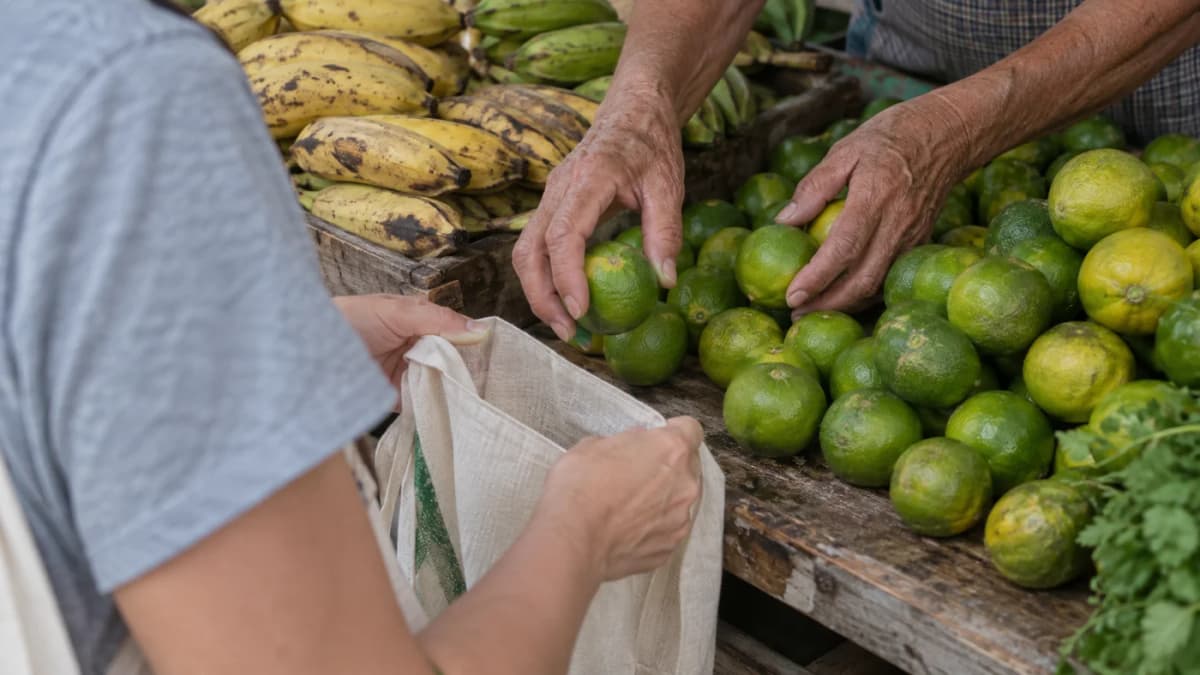
Thai fresh market with tropical fruits and vegetables

The critical detail that most cost-of-living guides miss: lease length dramatically affects price. A one-year lease on a 1BR condo at Vivo Beach might cost THB 18,000 monthly. The same unit on a three-year lease drops to THB 14,000-15,000. Short-term furnished rentals through Airbnb or Agoda run THB 25,000-35,000 for the same space β€” a 75-100% premium over long-term rates. Expats who arrive on a tourist visa, rent furnished for three months, and then sign a long-term lease often pay the inflated price without realizing they could have negotiated significantly.

The condo market in Hua Hin is segmented by quality and location. Older buildings near the railway station offer THB 10,000-13,000 for 1BR units β€” affordable but often with aging air conditioning, inconsistent hot water, and thin walls. Mid-range buildings like Vivo, Baan Ing Phu, and The Veranda charge THB 15,000-25,000 for well-maintained units with pools and 24-hour security. Newer developments in Khao Tao and Pranburi command THB 25,000-40,000 for resort-style amenities that attract weekenders from Bangkok.

For families, the calculation changes significantly. A 3BR house in a gated moobaan (compound) runs THB 25,000-45,000, but common area fees add THB 1,500-3,000 monthly. Total housing cost for a family of four in a comfortable suburban home: THB 30,000-50,000 β€” still well below equivalent housing in Bangkok, Phuket, or any Western city.

Food: The Local-Imported Split

Food costs in Hua Hin are defined by a single question: do you eat what Thais eat, or do you eat what Westerners eat? The answer determines whether your food budget is THB 8,000 or THB 25,000 monthly.

Eating local is extraordinarily cheap. A plate of pad thai from a street vendor: THB 40-60. A bowl of boat noodles: THB 30-40. A full meal at a local restaurant with rice, protein, and vegetables: THB 60-100. A kg of rice at the wet market: THB 30-40. A dozen eggs: THB 60-65. A kg of chicken breast: THB 80-120. A couple eating primarily local food β€” street markets for lunch, local restaurants for dinner, wet market for groceries β€” can feed themselves well on THB 8,000-12,000 monthly.

Eating Western costs 2-3x more. A pizza at an Italian restaurant: THB 250-400. A burger and fries at a Western cafe: THB 200-350. Imported cheese at Villa Market: THB 400-800 per kg. A bottle of imported wine: THB 500-1,000. A cappuccino at a specialty cafe: THB 65-100. The markup on imported food is substantial β€” 30-50% above retail in the country of origin β€” because Hua Hin's Western food supply chain involves importers, distributors, and retailers who each take a margin.

The practical compromise that most successful long-term expats adopt: cook at home 5-6 days per week using local ingredients from Talad Hua Hin or the fresh market on Phetkasem Road, eat at local Thai restaurants for 2-3 meals per week, and budget for one Western restaurant meal per week. This pattern typically costs THB 10,000-15,000 monthly for a couple β€” sustainable, varied, and nutritious.

The organic and sustainable food scene is growing but remains niche. Hua Hin Organic Market moves 3.2 tons of chemical-free produce weekly, but prices are 40-80% above conventional alternatives. For budget-conscious expats, the mainstream wet markets offer better value β€” the produce is locally grown, just not certified organic.

Utilities and Connectivity

Thailand's utility costs are low by international standards but confusing for newcomers. Electricity is the main variable: rates range from THB 3.5-4.5 per kWh depending on consumption tier, with air conditioning driving the majority of household usage. A 1BR condo running AC 8-10 hours daily in summer (March-May) might see electricity bills of THB 2,500-3,500. The same unit in cooler months (November-February) drops to THB 1,200-1,800. Annual average: THB 1,800-2,500 monthly.

Water is negligible: THB 200-400 monthly for a 1-2 bedroom unit. Internet has become remarkably competitive since 2023, with fiber broadband (100-500 Mbps) available for THB 500-800 monthly from providers like 3BB, True, and TOT. The fiber rollout in Hua Hin has been aggressive β€” even moobaans in suburban areas now have access to 200+ Mbps connections, making remote work viable throughout the city.

Mobile phone plans with 10-20GB data run THB 200-500 monthly from AIS, True, or DTAC. For heavy data users, unlimited plans start at THB 600-800. International calling apps (WhatsApp, LINE) have made traditional phone plans less critical for expats β€” most communication happens over data anyway.

Healthcare: The Insurance Decision

Healthcare costs in Hua Hin are low for a beach town of this size but require careful planning. Bangkok Hospital Hua Hin offers international-standard care at roughly 30-40% of Western prices. A specialist consultation: THB 1,500-3,000. An MRI scan: THB 8,000-12,000. A dental cleaning: THB 800-1,500. A local clinic visit for minor illness: THB 200-500.

Modern kitchen interior in a Thai condo

The decision point is health insurance. Without insurance, a single hospitalization for a serious condition β€” pneumonia, broken bone, appendectomy β€” can cost THB 50,000-150,000 ($1,400-4,200). That's manageable once or twice, but devastating if it becomes a pattern. International health insurance plans from Cigna, Allianz, or AIA run THB 2,000-10,000 monthly depending on age, coverage level, and deductible. For expats under 50 with no pre-existing conditions, a basic plan covering hospitalization and emergency evacuation runs THB 2,500-4,000 monthly.

The LTR visa requires $50,000 minimum health insurance coverage, which typically translates to THB 3,000-5,000 monthly for compliant plans. Many expats skip insurance entirely, relying on Thailand's low-cost healthcare system and maintaining an emergency fund instead. This works until it doesn't β€” and when it fails, the financial impact can be career-ending.

Sponsored

Sponsored placement

Sponsored placement

Google Ads fallback is enabled. Add `Client ID` and `Slot ID` in XAdmin Advertisement.

The Hidden Costs Nobody Mentions

The visible costs β€” housing, food, transport β€” are easy to budget. The invisible costs are what catch expats off guard.

Visa runs and extensions. The cost of visa compliance adds up faster than most people expect. A tourist visa extension: THB 1,900. A visa run to a neighboring country (flight + hotel + processing): THB 8,000-15,000 per trip. An education visa: THB 18,000-25,000 annually. The LTR visa: THB 50,000 for five years β€” the cheapest option per year but the highest upfront cost.

Currency fluctuation. The THB/USD rate has swung between 33 and 38 over the past two years. For an expat earning in USD and spending in THB, a 10% currency movement means a 10% change in real purchasing power β€” without any change in local prices. The THB/USD forecast matters more than any single price increase.

Social costs. The gym membership, the coffee meetups, the weekend trips, the birthday dinners β€” these aren't luxuries, they're the social infrastructure that prevents isolation. Budget THB 3,000-8,000 monthly for social spending. Skimp here, and you'll pay for it in mental health costs later.

Maintenance and replacement. Air conditioners need cleaning every 3-6 months (THB 500-1,000). Washing machines break. Motorbikes need oil changes. Furniture fades in the sun. Budget 5-10% of your housing cost annually for maintenance β€” it's not optional in a tropical climate where humidity and salt air accelerate wear.

Comparisons: Hua Hin vs Other Expat Destinations

How does Hua Hin stack up against the competition? The comparison matters because most expats aren't choosing between Hua Hin and staying home β€” they're choosing between Hua Hin, Chiang Mai, Bali, Da Nang, and a dozen other affordable destinations.

CityMonthly Cost (couple, comfortable)HealthcareInternetClimate
Hua HinTHB 55,000-80,000 ($1,540-2,240)Good (Bangkok Hospital)Fast (fiber)Hot, dry season Nov-Apr
Chiang MaiTHB 40,000-60,000 ($1,120-1,680)Good (several options)Fast (fiber)Cool season Nov-Feb, burning season Mar-Apr
Bali (Canggu)$1,800-2,800Mixed (local + expat clinics)Variable (50-200 Mbps)Humid, rainy season Nov-Mar
Da Nang$1,200-1,800Growing (international hospital)Fast (fiber)Hot, typhoon season Sep-Nov
Penang$1,400-2,000Good (Penang GH)Fast (fiber)Humid, monsoon Jun-Sep

Hua Hin's positioning is clear: it's more expensive than Chiang Mai and Da Nang, but offers better healthcare, more reliable infrastructure, and a beach-town lifestyle that mountain or city destinations can't match. The trade-off is worth it for retirees and families who prioritize healthcare access and climate stability over absolute affordability.

The Bottom Line: Budget Smart, Not Cheap

The real cost of living in Hua Hin isn't a single number β€” it's a range that depends on your choices. A couple eating local food, renting a modest condo, and living without a car can thrive on THB 40,000-50,000 monthly. A couple eating Western food, renting a beachfront condo, and running a car can spend THB 80,000-120,000. Both are living in the same town, breathing the same air, watching the same sunsets. The difference is entirely about which choices they make.

The most expensive mistake isn't overspending on food or housing β€” it's underbudgeting for the invisible costs: visa compliance, health insurance, currency risk, and social infrastructure. These categories add THB 8,000-15,000 monthly that many first-year expats forget to include in their calculations. By year two, the missing budget has consumed their savings buffer, and the dream of early retirement in Thailand starts looking like a financial emergency waiting to happen.

The formula that works: budget THB 55,000-70,000 monthly for a comfortable couple lifestyle, with THB 15,000-20,000 as a buffer for the unexpected. At current exchange rates, that's $2,000-2,500 monthly β€” less than the average Social Security payment for American retirees, and less than half the cost of a modest retirement in most Western countries. The math works. Just don't forget to include the costs that don't show up in Numbeo's price tables.

Continue reading

sustainable living guide for Hua Hin

Sustainable eating patterns can significantly reduce food costs.

LTR visa requirements

Visa costs are a hidden part of the monthly budget for long-term residents.

THB/USD exchange rate context

Currency fluctuations directly affect expat purchasing power in Thailand.

Sources & Verification

  • Cost of Living in Hua Hin: Single person THB 43,255/month, Family THB 89,503/month β€” Numbeo Hua Hin Jun 2026Source
  • Basic lunchtime menu THB 145, 1BR city center rent THB 19,150 β€” Expatistan Hua Hin Mar 2026Source
  • Thailand average salary THB 15,588/month β€” Numbeo Thailand Salary Data 2026Source
  • Hua Hin Organic Market moves 3.2 tons of produce weekly β€” Hua Hin Green Network Report 2025Source
  • International health insurance THB 2,500-5,000/month for expats under 50 β€” Cigna Global Thailand Plans 2026Source

Related Articles

  • Guides

    Navigating Thailand's New Long-Term Resident (LTR) Visa Rules for 2026

  • Video Posts

    Learning Chinese Rewires Your Brain | John Dankowski on Language, Culture & Mindset

  • Real Estate

    How Foreigners Can Own Property and Land in Thailand: Every Legal Structure Explained

  • Business

    How to Register a Company in Thailand as a Foreigner: BOI vs Standard Route (2026)

  • Economics

    Real Inflation in Thailand: What the CPI Doesn't Tell You (2016-2026)

  • Tech

    The AI-Driven Web: How Generative Search has Evolved by Mid-2026

  • Shop

    Best Noise-Cancelling Headphones for Digital Nomads in Southeast Asia (2025)

  • Ananas Premium

    Remote Work Visas Southeast Asia 2026: Thailand vs Malaysia vs Vietnam

  • Life

    Pensions in the EU Compared: Where Retirees Get the Most Value in 2026

  • Travel

    Best Coworking Spaces in Hua Hin for Digital Nomads (2026)

Sponsored
Google Ads fallback is enabled. Add `Client ID` and `Slot ID` in XAdmin Advertisement.

Trending Topics 24H

Real EstateForeignersPropertyTechAi-drivenGenerativeSoutheastAsia

Recommended Reading

  • Navigating Thailand's New Long-Term Resident (LTR) Visa Rules for 2026

    Guides

    Navigating Thailand's New Long-Term Resident (LTR) Visa Rules for 2026

  • Real Inflation in Thailand: What the CPI Doesn't Tell You (2016-2026)

    Economics

    Real Inflation in Thailand: What the CPI Doesn't Tell You (2016-2026)

  • The Evolution of the 4-Day Workweek in Global Tech Hubs (2026 Edition)

    Tech

    The Evolution of the 4-Day Workweek in Global Tech Hubs (2026 Edition)

  • Best Coworking Spaces in Hua Hin for Digital Nomads (2026)

    Travel

    Best Coworking Spaces in Hua Hin for Digital Nomads (2026)

  • Thailand's Green Energy Boom: Investment Opportunities in 2026

    Business

    Thailand's Green Energy Boom: Investment Opportunities in 2026

  • How to Register a Company in Thailand as a Foreigner: BOI vs Standard Route (2026)

    Business

    How to Register a Company in Thailand as a Foreigner: BOI vs Standard Route (2026)

  • Foreign Freehold vs Leasehold in Hua Hin: What Property Buyers Need to Know in 2026

    Real Estate

    Foreign Freehold vs Leasehold in Hua Hin: What Property Buyers Need to Know in 2026

  • How Climate Change is Shaping Global Real Estate Markets in 2026

    Real Estate

    How Climate Change is Shaping Global Real Estate Markets in 2026

  • Slow Travel 2.0: The Global Shift Towards Meaningful Immersive Journeys

    Travel

    Slow Travel 2.0: The Global Shift Towards Meaningful Immersive Journeys

  • Smart Mobility in Hua Hin: The Impact of New EV Infrastructure

    Tech

    Smart Mobility in Hua Hin: The Impact of New EV Infrastructure

Recommended Videos

I Became a Buddhist Monk | The Truth About Meditation, Ego & the Universe

Videos

I Became a Buddhist Monk | The Truth About Meditation, Ego & the Universe

Former NASA Employee John Dankowski Reveals TRUTH About NASA, Space & Aliens

Videos

Former NASA Employee John Dankowski Reveals TRUTH About NASA, Space & Aliens

Palliative Care: It’s Not About Dying, It’s About Living Fully

Videos

Palliative Care: It’s Not About Dying, It’s About Living Fully

Recommended for you

More stories to read next

How Foreigners Can Own Property and Land in Thailand: Every Legal Structure Explained

Real Estate

How Foreigners Can Own Property and Land in Thailand: Every Legal Structure Explained

Foreigners can legally own property and control land in Thailand through six distinct structures. No nominees, no gray schemes. Here is how each one works, what it costs, and who should use it.

Real Inflation in Thailand: What the CPI Doesn't Tell You (2016-2026)

Economics

Real Inflation in Thailand: What the CPI Doesn't Tell You (2016-2026)

Thailand's headline CPI masks a widening gap between official statistics and the actual cost of living for foreign residents. Here's what the data really shows.

Slow Travel 2.0: The Global Shift Towards Meaningful Immersive Journeys

Travel

Slow Travel 2.0: The Global Shift Towards Meaningful Immersive Journeys

The three-night hotel hop is dying. A new generation of travelers is choosing depth over breadth β€” and the hospitality industry is scrambling to keep up.

Drone Laws in Thailand 2026: What Foreigners and Tourists Must Know

Guides

Drone Laws in Thailand 2026: What Foreigners and Tourists Must Know

Thailand's drone regulations tightened dramatically in 2025. Dual registration, mandatory pilot licenses, and prison penalties now await unprepared operators. Here's the full guide for tourists and foreign residents.

Digital Nomad Mental Health: The Hidden Cost of Paradise

Life

Digital Nomad Mental Health: The Hidden Cost of Paradise

The freedom of location independence comes with hidden psychological costs. Here's what the research says β€” and what actually works for expats in Thailand.

Best Noise-Cancelling Headphones for Digital Nomads in Southeast Asia (2025)

Shop

Best Noise-Cancelling Headphones for Digital Nomads in Southeast Asia (2025)

Sony, Bose, or Anker? We tested five flagship noise-cancelling headphones in Thailand's humidity and 85 dB coworking spaces. Here's the definitive 2025 ranking for Southeast Asia digital nomads.

Pensions in the EU Compared: Where Retirees Get the Most Value in 2026

Life

Pensions in the EU Compared: Where Retirees Get the Most Value in 2026

A detailed analysis comparing pension values across 10 EU countries, uncovering where retirees get the most purchasing power, best healthcare, and highest quality of life in 2026.

Thailand's Green Energy Boom: Investment Opportunities in 2026

Business

Thailand's Green Energy Boom: Investment Opportunities in 2026

Thailand's energy transition is hitting warp speed in 2026. With 24 GW of solar planned, THB 1 trillion in projected economic impact, and Direct PPAs opening to foreign investors, the Kingdom is becoming Southeast Asia's clean energy frontier. Here's what you need to know before allocating capital.

Partner Spotlight

Elder Blossom Resort

A peaceful Hua Hin senior living community with private accommodation, gardens, wellness activities, and professional care support.

Ananas Video Studio

Hua Hin's professional podcast and video production studio for creators, real estate, hospitality, and business content.

Hua Hin Events

A local events platform for classical music, jazz, theatre, cabaret, and cultural performances around Hua Hin.

Ananas IT

Website, app, AI automation, hosting, and domain services for businesses that need reliable digital infrastructure.