Thailand's New Visa Rules 2025-2026: Every Change Explained
Thailand's immigration system was rebuilt in 2025-2026. Visa-free stays cut to 30 days, land-border runs capped at 2/year, and digital enforcement is now real. Every change explained.
Editorial Team
Jun 23, 2026 ยท 11 min read
Status

Executive Summary
- Thailand's 60-day visa-free stay is being rolled back to 30 days (Cabinet approved 19 May 2026), reducing maximum tourist stays from 90 to 60 days with extension.
- Land-border visa runs are capped at 2 entries per calendar year from January 2026, with 15-day maximum stays and no extensions allowed.
- The Thailand Digital Arrival Card (TDAC) replaced paper TM6 forms in May 2025, creating a digital compliance trail linked to TM30 and 90-day reporting.
- Non-immigrant visa categories were reduced from 17 to 7 in August 2025, simplifying applications for retirement, business, and work visas.
- Enforcement is now systematic: airport watchlists, TM30 tied to services, 90-day reporting strictly enforced, and overstay sweeps in major cities.
Opening a Thai Bank Account Used to Be Hard. Now It's the Easy Part
Forget the bank account. The real challenge for foreigners in Thailand in 2026 isn't getting a debit card โ it's understanding the visa system that's been completely rebuilt in the past eighteen months. Between May 2025 and June 2026, Thailand rewrote its immigration rules more aggressively than at any point in the last decade. The 60-day visa-free stay is being rolled back to 30 days. Land-border visa runs are capped at two per year. The old 17 non-immigrant visa categories collapsed into seven. Airport officers now have digital watchlists and AI-assisted screening. And the 90-day reporting requirement โ which nobody took seriously five years ago โ is now enforced with real consequences. If you're planning to move to, retire in, or work from Thailand, you need to understand these changes before you book your flight. This guide covers every major rule change from 2025-2026, what it means for different types of foreigners, and what you need to do to stay legal.
The Big Picture: What Actually Changed and When
The changes aren't random โ they follow a clear logic. Thailand wants more long-term, high-value foreigners and fewer transient "visa runners" who stay on tourist stamps indefinitely. The government is building a data-driven immigration system that tracks your entries, extensions, and compliance in a single digital profile. Here's the timeline:
| Date | Change | Who It Affects |
|---|---|---|
| 1 May 2025 | Thailand Digital Arrival Card (TDAC) replaces paper TM6 | All foreigners entering Thailand |
| 31 Aug 2025 | Non-immigrant visa categories reduced from 17 to 7 | All visa applicants |
| 12 Nov 2025 | 2-entry visa-free limit enforced, watchlist system activated | Visa-runners, frequent tourists |
| 15 Dec 2025 | Enhanced airport screening at major airports | All arriving foreigners |
| 1 Jan 2026 | Land-border visa-free: 2 entries/year, 15 days max, no extensions | Cross-border travelers from Cambodia, Laos, Myanmar |
| 19 May 2026 | Cabinet approves 60-day to 30-day visa-free rollback | Tourists from 54 nationalities |
The pattern is clear: short-term stays are getting harder, long-term stays are getting more structured, and enforcement is getting more serious. If you're on a tourist stamp, the clock is ticking. If you're on a proper visa, life actually got easier โ the new system rewards compliance.
Thailand Digital Arrival Card (TDAC): The Paper Form Is Dead
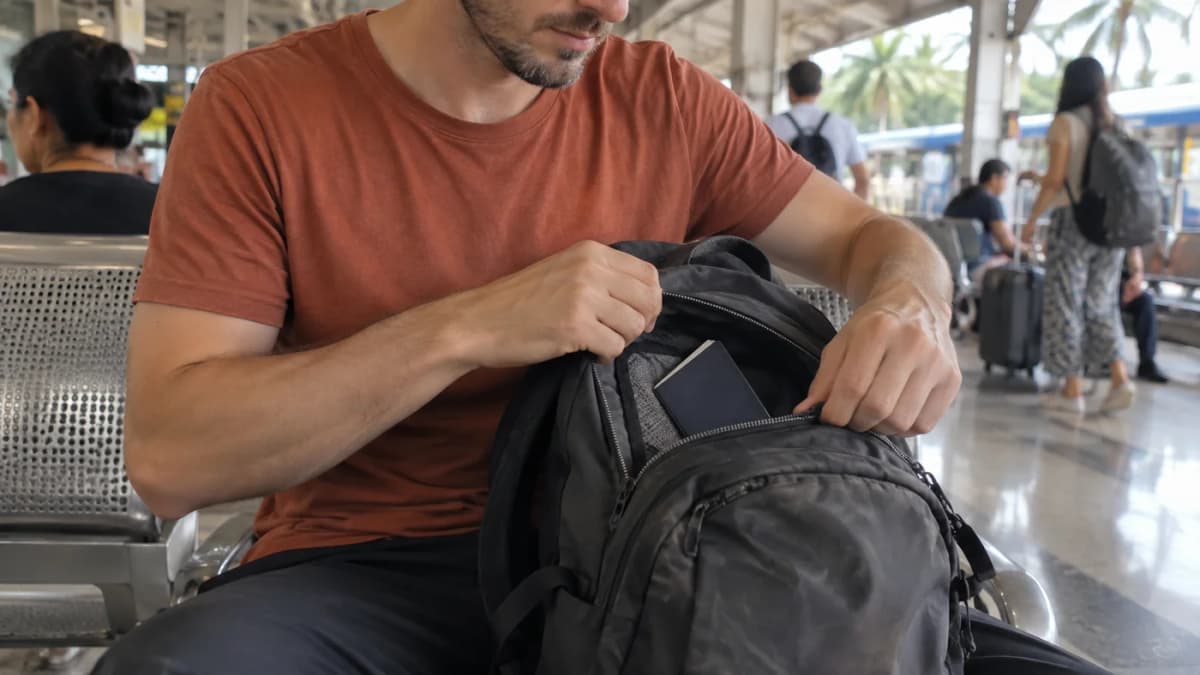
As of 1 May 2025, the paper TM6 arrival card โ the green slip you used to fill out on the plane โ is gone. It's been replaced by the Thailand Digital Arrival Card (TDAC), which you must complete online within 72 hours before arrival. This applies to all foreign nationals entering by air, land, or sea.
What you need to do: Go to the official TDAC website (linked from Thai immigration's site), create an account, and fill in your travel details, passport information, and accommodation address. You'll receive a QR code that you present at immigration. The system is linked to your passport number, which means immigration now has a digital record of every entry you make.
Why it matters: The TDAC isn't just a digital form โ it's the foundation of Thailand's new compliance architecture. It's linked to TM30 (address reporting), TM47 (90-day reporting), and the overstay tracking system. When you fill in your accommodation address, that property owner is expected to file a TM30 within 24 hours. If they don't, your TDAC record shows an address with no corresponding TM30, which can create problems at immigration. For the first time, your entry data, address data, and compliance data are all connected in one system.
Visa-Free Entry: From 60 Days to 30 Days
The biggest headline change: Thailand's 60-day visa-free program for 54 nationalities (mostly Western countries) is being rolled back to 30 days. The Thai Cabinet approved this on 19 May 2026, and it takes effect 15 days after publication in the Royal Gazette โ expected in June or July 2026.
What changes:
| Rule | Before (2024-2026) | After (Late 2026) |
|---|---|---|
| Visa-free stay | 60 days | 30 days |
| Extension in Thailand | +30 days at Immigration | +30 days at Immigration |
| Maximum stay per visit | 90 days | 60 days |
| Eligible countries | 93 nationalities | 54 nationalities (reverting to pre-2024 list) |
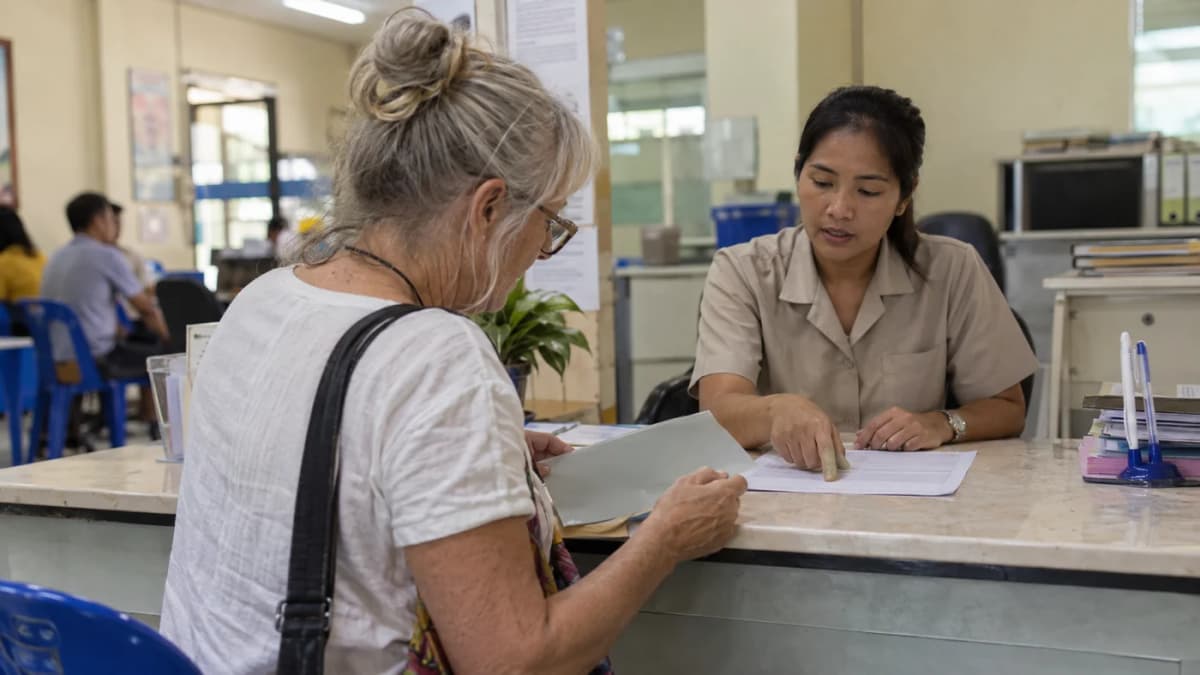
What this means for you: If you're from a country that loses 60-day visa-free access, your maximum tourist stay drops from 90 days to 60 days. You can still extend once by 30 days at a Thai Immigration Office (cost: ~THB 1,900), but the total is now 60 days instead of 90. For tourists, this is manageable โ most people don't stay longer than a month anyway. For people using tourist stamps as a cheap long-term stay solution, this is the end of the road. You'll need a proper visa.
Countries losing 60-day access: The government plans to reduce the eligible list from 93 back to 54 nationalities, essentially reverting to the pre-2024 list. If you're from a Western European country, North America, Australia, or Japan, you're likely still on the 30-day list. If you're from a country that was added to the 60-day list in 2024 (parts of Eastern Europe, South America, some Asian countries), you may lose that access.

Land-Border Visa Runs: The Two-Entry Cap
The biggest crackdown is on land-border crossings. Starting 1 January 2026, foreigners entering Thailand via land borders from Cambodia, Laos, Myanmar, and Malaysia face strict new limits:
| Rule | Before | After (2026) |
|---|---|---|
| Visa-free entries per year | Unlimited | 2 entries maximum |
| Stay per entry | 30 days | 15 days (for Cambodian, Laotian, Myanmar nationals) |
| Extensions | Available | Not allowed for land-border entries |
| Same-day crossings | Allowed | Flagged, may be denied |
Why this matters: For years, the "visa run" โ crossing to Cambodia or Laos for a day and re-entering Thailand on a fresh stamp โ was the cheapest way to stay long-term. It cost THB 2,000-3,000 and a day of travel. That option is now effectively dead. You get two land-border entries per calendar year, they're limited to 15 days each, and you can't extend them. After two entries, you must either leave by air (which still allows 30-day visa-free entries up to 6 times per year) or apply for a proper visa.
The watchlist system: Immigration now maintains a database of frequent border crossers. If you've been flagged for repeated visa runs, you may be denied entry even at airports. The system tracks your passport number across all entry points, so switching from Mae Sot (land) to Bangkok (air) won't help if your pattern is flagged.
Non-Immigrant Visas: 17 Categories Collapsed to 7
As of 31 August 2025, Thailand restructured its non-immigrant visa system from 17 categories down to seven. The new categories are:
| New Category | Old Categories | Who It's For |
|---|---|---|
| Business | Non-B, Non-IB, Non-BS | Employees, business owners, BOI companies |
| Tourism | Non-O (tourism) | Long-stay tourists |
| Education | Non-ED, Non-EDS | Students, language learners |
| Marriage/Family | Non-O (marriage), Non-O (dependent) | Spouses, dependents of Thai nationals |
| Retirement | Non-O-A, Non-O-X | Retirees 50+ |
| Work/Employment | Non-B (work permit linked) | Employed foreigners |
| Other/Special | Various diplomatic, official | Special cases |
What this means: The restructuring simplifies applications and reduces confusion. If you're applying for a retirement visa, you no longer need to choose between O-A and O-X โ the process is streamlined under one category. For business owners, the old distinction between Non-B and Non-IB is gone. The practical impact: processing should be faster and more consistent across immigration offices.
Visa Fees and Requirements: The 2026 Numbers
Here's what each visa type costs and requires in 2026:
| Visa Type | Fee | Stay | Key Requirements |
|---|---|---|---|
| Tourist (Single) | THB 2,000 (~$55) | 60 days + 30 extension | Passport 6+ months, flight, hotel, THB 20,000 funds |
| Tourist (Multiple) | THB 5,000 (~$140) | 6 months, 60 days each entry | Same as single, plus stronger itinerary |
| Non-O Retirement | THB 2,000 (~$55) | 1 year renewable | Age 50+, THB 800K deposit or 65K THB/month income, insurance |
| Non-B Business | THB 2,000 (~$55) | 90 days โ 1 year | Company docs, invitation letter, work permit |
| DTV (Digital Nomad) | THB 10,000 (~$275) | 5-year multiple, 180 days each | Proof of remote work, income threshold |
| LTR (Long-Term Resident) | THB 14,000-85,000 | 5-10 years | High net worth, specialist profile, insurance |
| Elite | THB 600,000-2,000,000 | 5-20 years | Membership purchase |
The DTV (Destination Thailand Visa) deserves special attention. Launched in 2024, it's Thailand's answer to the digital nomad visa. For THB 10,000, you get a 5-year multiple-entry visa with 180-day stays (extendable to 360 days per year). The requirements are relatively modest: proof of remote work and a minimum income. For digital nomads and remote workers, the DTV is now the obvious choice โ it's cheaper than Elite, more flexible than LTR, and legal. Our Visa Decision Matrix compares all options in detail.
Enforcement: What Actually Happens If You Break the Rules
Thailand's immigration enforcement has shifted from "laissez-faire" to "systematic." Here's what you need to know:
Overstay penalties: Still THB 500 per day, capped at THB 20,000. But the consequences beyond the fine are now harsher. Overstayers face 1-10 year re-entry bans depending on duration. Repeat offenders get permanent bans. Immigration now runs "sweeps" in Bangkok, Pattaya, Phuket, and Koh Samui, targeting overstayers and illegal workers. Getting caught in a sweep โ versus turning yourself in โ means detention, prosecution, and longer bans.
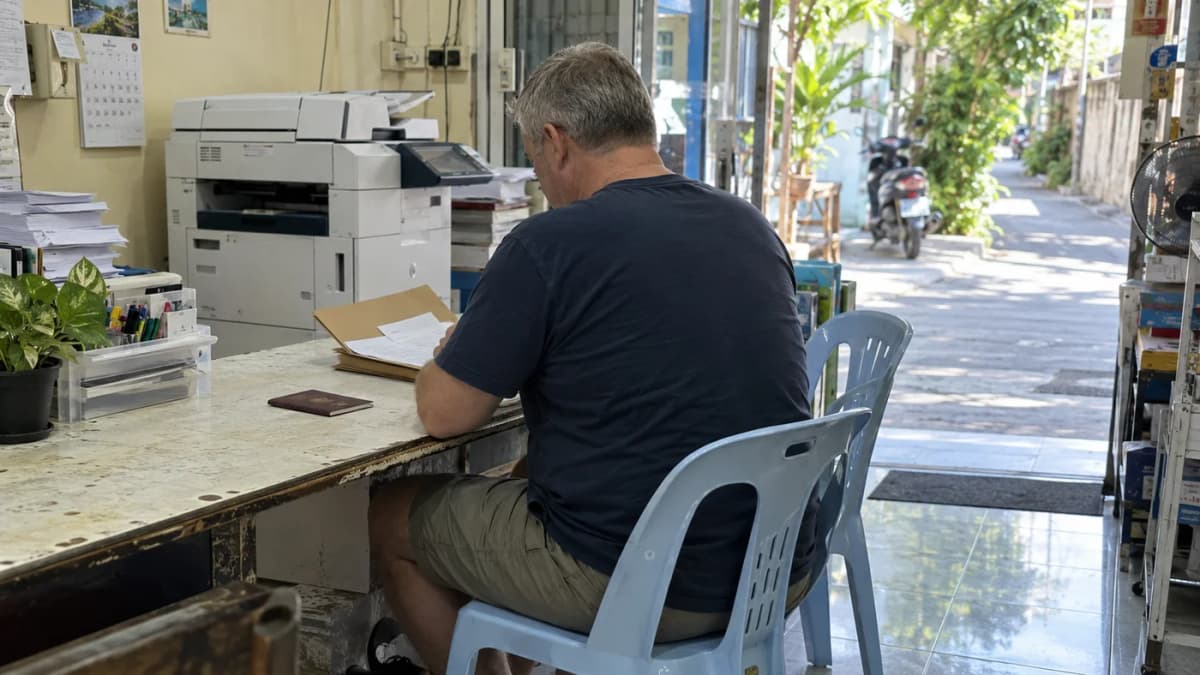
90-day reporting (TM47): All long-stay visa holders must report their address every 90 days. This was always required but rarely enforced. Now it's taken seriously. Missed reports can result in fines, visa status re-examination, and refusal to process extensions. The reporting is now linked to your TDAC entry data and TM30 address records โ immigration can see if your reported address matches your actual residence.
TM30 (address reporting): Your landlord or property owner must file a TM30 within 24 hours of you moving in. This requirement is now tied to your ability to access immigration services. If your TM30 is missing or outdated, immigration offices may refuse to process your 90-day report, visa extension, or any other service. In practice, TM30 compliance has become a gatekeeping tool. Our bank account guide explains how TM30 affects your ability to open accounts.
Airport screening: Enhanced screening was introduced at major airports on 15 December 2025. Officers now cross-reference your entry data with the watchlist database, check your passport condition, and may ask detailed questions about your plans, income, and accommodation. Having a return flight, hotel booking, and proof of funds significantly reduces your chances of secondary screening.

What This Means for Different Types of Foreigners
| You Are | Biggest Change | Action Required |
|---|---|---|
| Tourist | 60โ30 days, land borders capped | Plan shorter trips or get a Tourist Visa (60 days) |
| Digital Nomad | Visa runs dead, DTV available | Apply for DTV (THB 10,000) โ it's cheaper than visa runs |
| Retiree | Non-O requirements unchanged, but enforcement stricter | Ensure 800K THB deposit + insurance + TM30 are solid |
| Remote Worker (employed) | Work permit still required, no freelance on tourist visa | Get Non-B + work permit or use DTV for self-employed |
| Investor | LTR and Elite unchanged, but processing more thorough | Prepare detailed documentation, allow extra processing time |
| Property Owner | TM30 enforcement affects your visa services | Ensure landlord files TM30, keep confirmation |
The Compliance Checklist: Stay Legal in 2026
Here's what every foreigner in Thailand needs to do to stay compliant with the new rules:
Before arrival:
- Complete TDAC online within 72 hours of arrival
- Ensure passport has 6+ months validity
- Book accommodation (address goes on TDAC)
- Have proof of funds ready (THB 20,000+ for tourists)
Within 24 hours of arrival:
- Confirm your landlord files TM30 (keep confirmation)
- If staying at a hotel, confirm they file TM30 automatically
Every 90 days:
- File TM47 90-day report (online, in person, or by mail)
- Ensure TM30 is current โ address must match actual residence
Before visa expiry:
- Apply for extension or new visa at least 2 weeks before expiry
- Don't overstay โ even 1 day triggers fines and potential bans
- If leaving, ensure all compliance records are clean
The Bottom Line: Thailand Rewards Compliance
The new rules aren't designed to keep foreigners out โ they're designed to attract the right foreigners and filter out the wrong ones. If you're a tourist on a 30-day stamp, the system is straightforward: come, enjoy, leave. If you're a long-term resident on a proper visa, life actually got simpler โ the digital system reduces paperwork and creates a clear compliance trail. The people who lose are the ones who tried to game the system with visa runs, fake addresses, and tourist stamps for permanent residence. That era is over.
The practical advice: get a proper visa that matches your situation. The LTR visa for high-income foreigners, the DTV for digital nomads, the retirement visa for 50+ retirees โ there's a legitimate path for almost everyone. The cost of a proper visa (THB 2,000-10,000) is a fraction of the risk of getting caught on an expired tourist stamp. And with the new digital enforcement system, the risk of getting caught is higher than it's ever been.
For a complete comparison of all visa options, see our Thailand Visa Decision Matrix. For the specific application process, our LTR Visa Application Playbook walks you through every document and step.
Ananas Premium
Unlock Hua Hin's Best Property & Investment Insights
Enjoying our free content? Get unlimited access to premium articles, local market intelligence, member briefings, and exclusive checklists for just $15/month.
Continue reading
Sources & Verification
- TDAC replaced TM6 paper forms effective 1 May 2025 โ Thai Immigration BureauSource
- Cabinet approved 60-day to 30-day visa-free rollback on 19 May 2026 โ Thai Cabinet ResolutionSource
- Non-immigrant visa categories reduced from 17 to 7 effective 31 August 2025 โ Royal Thai Government GazetteSource
- Land-border visa-free entries limited to 2 per year from January 2026 โ Thai Immigration BureauSource