CBDCs, Cash and Thailand: What Digital Money Actually Means
Understand CBDCs, PromptPay and private digital money. Read Thailand's dated pilot findings carefully and ask practical questions about access, privacy and risk.

Ananas CEO
Jun 20, 2026
Status
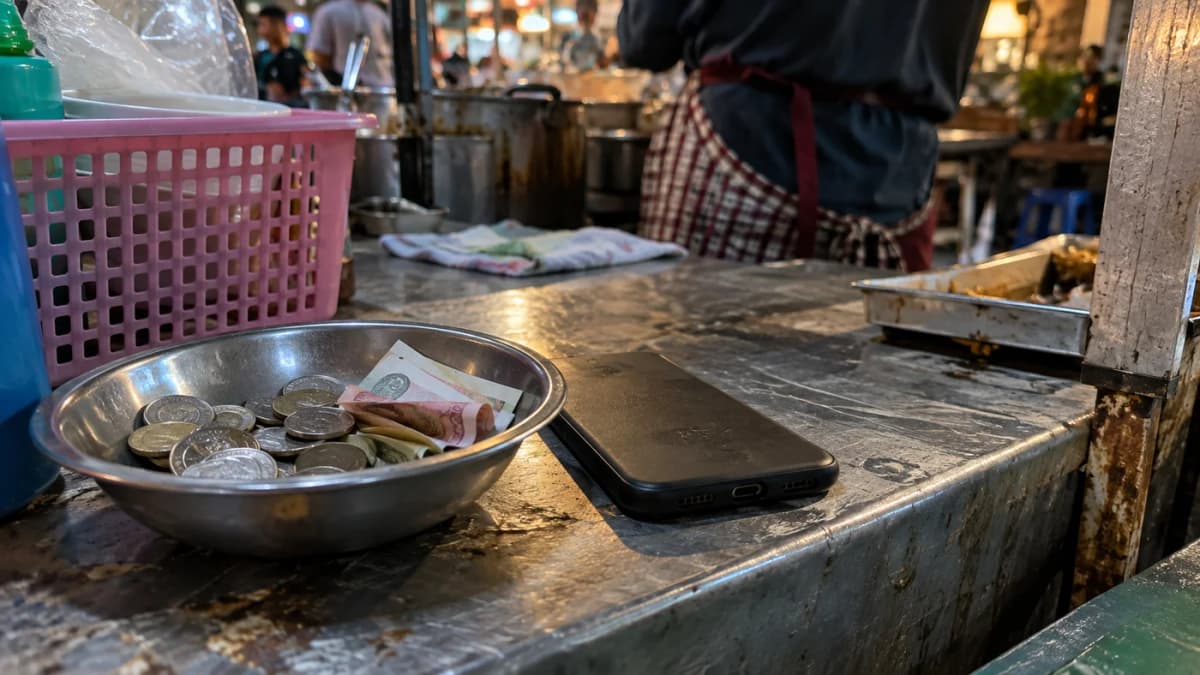
You can pay for lunch by scanning a code and still have no idea what a central bank digital currency is. That is not a contradiction. Cashless payment describes how a transaction happens; it does not tell you who issued the money. This Tell Them Podcast conversation with Gordon Clark explores CBDCs, cash and the future of payments.
Start with the money, not the screen
A central bank digital currency, or CBDC, is a digital form of money issued by a central bank. A balance at a commercial bank is a claim on that bank. A privately issued stablecoin brings a different issuer and different risks. Sharing a digital interface does not make them the same product.
The European Central Bank's digital-euro FAQ describes the proposed digital euro as central-bank money and distinguishes it from crypto-assets. It also says the project is intended to complement cash, not replace it. That is one project's stated design, not a guarantee about every country's future choices.
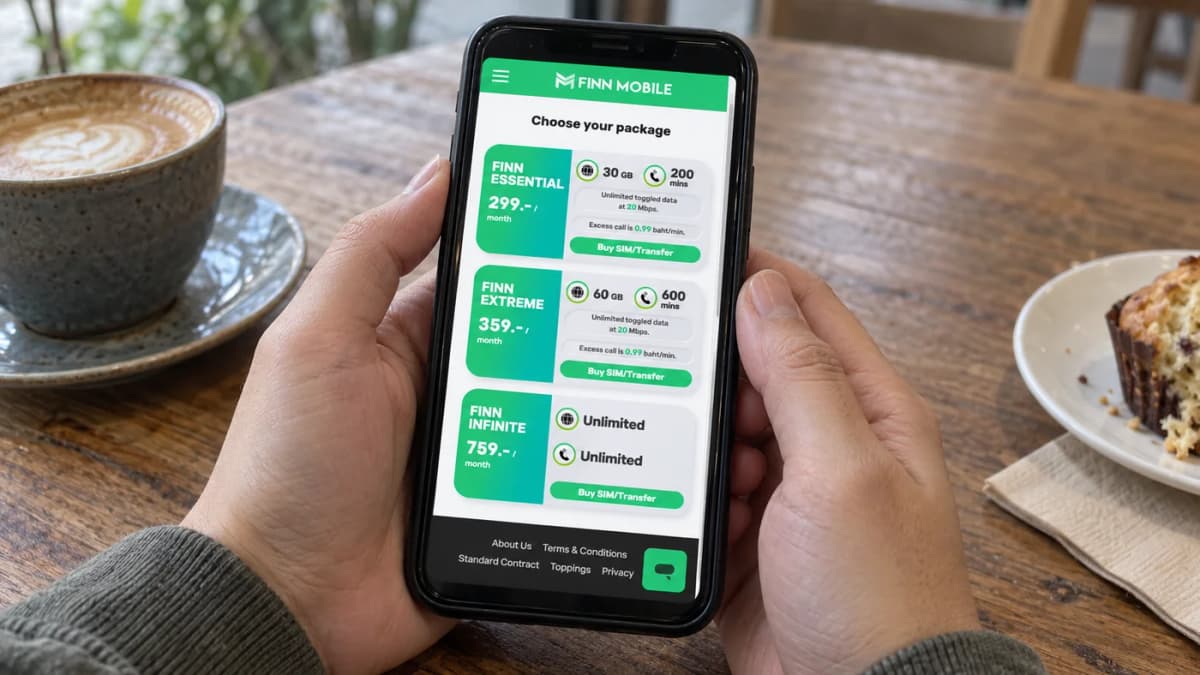
In Thailand, PromptPay is a payment system, not a new currency. Seeing a QR code at a market does not mean the seller is accepting a CBDC or cryptocurrency. Our cashless-payments guide explains the practical questions to check before relying on a particular payment method.
A pilot is not a public rollout
The Bank of Thailand's April 2024 retail-CBDC pilot conclusion describes a limited test and said there was no immediate plan for an official retail issuance at that time. Read that as a dated report, not as a perpetual promise or an announcement that all residents must now use a digital baht.
If someone claims there is a new public launch, find the actual current central-bank announcement. Check who can participate, what the product is called and whether the notice concerns retail users or a separate wholesale project. An old pilot article with a new social-media caption is not enough.
Privacy depends on the design
It is reasonable to ask who sees transaction data, how long it is retained and what happens when a payment is disputed. “Digital” alone answers none of those questions. Different systems can have different rules for intermediaries, identification, offline use and access to records.
Listen to the guest's concerns as viewpoints to investigate, not proof of a single inevitable outcome. A claim about surveillance should identify the relevant system and policy. A claim about anonymity should be tested just as carefully.
Useful questions for any new payment service
- Who holds or issues the funds, and which official rules apply?
- Can a foreign visitor or resident actually open the required account?
- What are the fees, limits and steps for recovering access?
- Does the service work without a connection, or is that only a proposed feature?
- Who handles fraud reports, errors and refunds?
- What happens if your phone is lost while you are travelling?
For a Thai bank account, see our foreigner's preparation guide. Account eligibility and the bank's actual requirements matter more than whether a video calls the system the future of money.
Do not turn a policy discussion into an investment tip
A prediction about CBDCs does not establish that Bitcoin will rise, that a stablecoin is safe or that a named issuer will fail. Our Thailand crypto guide separates regulatory checks from price speculation. Do not move savings because a podcast gives you a dramatic deadline.
Keep practical resilience modest: more than one legitimate way to pay, working account-recovery details and a suitable backup for ordinary spending. Those preparations are useful whether the payment industry changes quickly or slowly.
Frequently asked questions
Is PromptPay a central bank digital currency?
No. It is a payment system. A QR payment does not by itself tell you that the underlying money is a CBDC or cryptocurrency.
Did Thailand's retail-CBDC pilot mean a public rollout?
No. The Bank of Thailand's April 2024 conclusion described a limited pilot and no immediate issuance plan at that time. Check current official notices for later developments.
Does a CBDC automatically mean cash will disappear?
No. That depends on policy and design, not the term CBDC alone. The ECB states that its proposed digital euro would complement cash.
You may also like
More videos from this category

Video
Nicole Petschek: Mindset, EFT and Claims Worth Checking

Video
Bön, Dzogchen and Meditation: Tradition Versus Evidence

Video
Healthy Aging: What Longevity Claims Can and Cannot Tell You

Video
Learning Mandarin: Language, Culture and Everyday Practice

Video
Palliative Care in Thailand: Quality of Life and Family Choices

Video
Space, NASA and Alien Life: A Conversation with John Dankowski

Video
Becoming a Monk in Thailand: Meditation and Monastery Life
Ananas Premium
Unlock Hua Hin's Best Property & Investment Insights
Enjoying our free content? Get unlimited access to premium articles, local market intelligence, member briefings, and exclusive checklists for ฿290 / $9.95 per month.
Sources & Verification