A Weekend of Wellness in Hua Hin: Top Retreats for Every Budget (2026)
From $5,000-a-week Chiva-Som to $8 beachfront yoga — every wellness retreat in Hua Hin ranked by budget, with real 2026 prices and honest assessments.
Editorial Team
Aug 14, 2026 · 14 min read
Status

Why Hua Hin Became Thailand's Wellness Capital
Long favored by Thai royalty as a coastal sanctuary, Hua Hin has quietly transformed into one of the world's most concentrated wellness destinations. While Phuket and Koh Samui grab the headlines with flashy resort openings, Hua Hin's advantage is simpler: it has been doing this for 30 years. Chiva-Som opened here in 1995. The Barai at Hyatt followed. A dozen smaller retreats filled the gaps. By 2026, the town offers an unmatched density of wellness options — from $5,000-a-week longevity programs to $30 beachfront yoga classes — all within a 20-kilometer stretch of coastline.
The timing matters. August in Hua Hin is green season — the monsoon brings afternoon showers, cooler temperatures, and significantly lower hotel rates. The luxury resorts that charge 55,000 THB per night in high season drop to 25,000-35,000 THB. The crowds thin. The beaches empty. And the wellness programs — which run year-round — become accessible to travelers who couldn't afford them during peak months. This guide covers every wellness retreat in Hua Hin worth considering, with real prices, honest assessments, and the practical details that determine whether your weekend of wellness is transformative or just expensive.
The Five-Star Heavyweights: Chiva-Som, The Barai, and Aleenta
These are the names that appear in every wellness article about Hua Hin. They're famous for a reason — but the reason isn't always what you expect.
Chiva-Som International Health Resort
Chiva-Som is the granddaddy of Thai wellness. Opened in 1995 on seven acres of beachfront tropical gardens, it has won more awards than any other wellness resort in Asia. The Condé Nast Traveller Gold List 2026 and Readers' Choice Awards 2025 both name it among the top destination spas in the world. The property sits directly on Hua Hin beach, with 70 rooms spread across Thai pavilions and modern suites.
What you actually get: A Chiva-Som stay starts with a comprehensive health assessment — blood work, body composition analysis, fitness evaluation, and a consultation with a naturopathic physician. Based on results, they design a personalized program combining fitness classes, spa treatments, physiotherapy, and nutritional guidance. The daily schedule includes two included activities (yoga, Pilates, meditation, aquatic exercise) plus unlimited access to the gym, pool, and beach.
The honest assessment: Chiva-Som excels at structured, goal-oriented wellness. If you want to lose weight, manage stress, recover from injury, or overhaul your lifestyle, the combination of medical assessment + daily programming + nutritional support is genuinely effective. The staff-to-guest ratio is high, the facilities are immaculate, and the beachfront location makes outdoor exercise feel effortless.
Where it falls short: The price. A 3-night minimum stay costs 114,000-165,000 THB ($3,250-4,700) for the room alone, before treatments. Most guests spend 150,000-250,000 THB ($4,300-7,100) for a 3-night stay with full program. The atmosphere is also more clinical than spa-like — think wellness bootcamp rather than beachside relaxation. If you want to lounge by the pool with a cocktail, Chiva-Som isn't the place. If you want measurable health outcomes, it's hard to beat.
The Barai at Hyatt Regency Hua Hin
Designed by renowned Thai architect Lek Bunnag, The Barai is an architectural masterpiece hidden inside the Hyatt Regency complex. Towering crimson walls, vaulted light wells, and 18 residential suites create an atmosphere that feels more like an ancient temple than a hotel spa. The Barai is separate from the main Hyatt — its own entrance, its own pool, its own restaurant — giving it the intimacy of a boutique property with the infrastructure of a five-star resort.
What you actually get: The Barai's signature is hydrotherapy. The property features 30 treatment rooms, a hydrotherapy circuit with hot and cold plunge pools, and the "Barai Elemental" treatment series that combines Thai herbal compresses with water-based therapies. Their newest offering is a 3-day Muay Thai retreat with former Thailand champion Phet-Ek Kiatyongyut — a unique blend of combat sports and wellness that you won't find anywhere else.
The honest assessment: The Barai strikes the best balance between luxury and wellness in Hua Hin. You get genuine spa expertise without the clinical feel of Chiva-Som. The architecture alone is worth the visit — the treatment rooms are among the most beautiful spa spaces in Thailand. The hydrotherapy circuit is excellent, and the Thai massage treatments are performed by therapists with genuine training (not the 2-week certificate holders you find at tourist shops).
Where it falls short: The wellness programming is less structured than Chiva-Som. If you want a personalized health plan with daily activities and medical assessment, The Barai doesn't offer that level of intensity. It's a spa resort, not a health resort — a distinction that matters depending on your goals. The 1-night minimum makes it more accessible, but the 16,000-28,000 THB nightly rate ($455-795) still places it in luxury territory.
Aleenta Resort & Spa (Pranburi)
Located 25 minutes south of Hua Hin along Pak Nam Pran beach, Aleenta is the eco-wellness option. The resort was built from locally sourced materials, runs on solar power, and grows herbs in its own garden for spa treatments. The property is small — just 44 rooms and pool villas — creating an intimate atmosphere that larger resorts can't replicate.
What you actually get: Aleenta's wellness focus is mindfulness and sustainability. Their signature "Ayurah Spa" offers yoga, meditation, sound healing, and Thai herbal treatments. The resort runs seasonal wellness retreats that combine daily yoga with organic farm-to-table dining, beachfront meditation, and holistic bodywork. The beachfront yoga pavilion, perched on a cliff above the Gulf of Thailand, is genuinely one of the most beautiful exercise spaces in the country.
The honest assessment: Aleenta is the best choice for travelers who want wellness without the luxury price tag. At 7,500-14,000 THB per night ($213-398), it costs a fraction of Chiva-Som while offering a genuine wellness experience. The eco-sustainability angle is real — not greenwashing — and the Pranburi location provides a quieter, more natural setting than central Hua Hin. The trade-off: the facilities are smaller, the treatment menu is more limited, and the medical wellness options (IV drips, body composition analysis) don't exist.
Medical Wellness: VLCC, IV Therapy, and Biohacking
The fastest-growing segment of Hua Hin's wellness scene is medical-grade treatments. These aren't spa indulgences — they're clinical procedures performed by qualified practitioners, often at lower prices than equivalent treatments in Europe or North America.
VLCC Wellness & Aesthetic Center (Avani+ Hua Hin)
VLCC operates medical-grade wellness centers across Asia, and their Hua Hin outpost at the Avani+ resort combines clinical diagnostics with spa luxury. The center features advanced body composition analysis (DEXA scans), personalized IV nutrient drips, hyperbaric oxygen therapy, and non-invasive aesthetic treatments. The medical team includes licensed physicians, not just therapists with certificates.
What a weekend looks like: Day 1: Body composition assessment + IV vitamin drip (1,500-3,000 THB). Day 2: Hyperbaric oxygen session (2,000-3,500 THB) + traditional Thai massage. Day 3: Follow-up consultation + personalized nutrition plan. The total cost for a 3-night wellness weekend with medical treatments runs 28,500-54,000 THB ($810-1,535) including accommodation.
The honest assessment: Medical wellness in Thailand offers genuine value. The DEXA scan that costs $400 in Europe costs 3,000-5,000 THB ($85-142) at VLCC. The IV nutrient drip that costs $800 at a US clinic costs 1,500-3,000 THB ($43-85). The practitioners are qualified, the equipment is modern, and the hotel setting makes the clinical experience feel less clinical. The caveat: verify that the medical director is an actual physician, not a cosmetic nurse with a business license. At VLCC, the medical team includes licensed doctors — but not every "medical wellness" center in Hua Hin meets this standard.
Emerging Biohacking Options
Hua Hin's wellness scene is expanding beyond traditional spa and medical treatments. Several new offerings have appeared in 2026:
Cryotherapy: Two clinics in Hua Hin now offer whole-body cryotherapy sessions (-110°C for 2-3 minutes). The treatment claims to reduce inflammation, boost metabolism, and accelerate muscle recovery. A single session costs 1,500-2,500 THB ($43-71). The evidence for cryotherapy is mixed — some studies show benefits for athletic recovery, others show minimal impact. It's worth trying once, but don't expect miracles.
Infrared sauna: Several boutique wellness studios offer infrared sauna sessions (30-45 minutes at 45-60°C). Unlike traditional saunas, infrared heat penetrates deeper into muscle tissue without the extreme heat. Sessions cost 500-1,000 THB ($14-28). The relaxing effect is real; the detox claims are overblown. Good for stress relief and muscle recovery.
Sound healing: Hua Hin has a growing community of sound healers who use Tibetan singing bowls, crystal bowls, and gongs in group sessions. The sessions typically last 60-90 minutes and cost 500-1,500 THB ($14-43). The evidence is mostly anecdotal, but the deep relaxation effect is consistent. If you enjoy meditation, sound healing is a natural extension.
Budget Wellness: What You Can Experience for Under 5,000 THB
Not every wellness experience in Hua Hin requires a five-star resort. The town has a thriving ecosystem of independent wellness practitioners, community yoga studios, and affordable spa experiences that deliver genuine value.
Beachfront Yoga and Meditation
Several instructors run daily yoga classes on Hua Hin beach, typically at sunrise (6:30-7:30 AM) or sunset (5:30-6:30 PM). Classes cost 300-500 THB ($8-14) per session, with discounts for multi-class packages. The beachfront location — sand under your feet, ocean breeze, sunrise over the Gulf — makes these classes genuinely special. The instructors range from certified yoga teachers to retired practitioners who've been teaching for decades.
Best spots: The area near Soi 94 has the most consistent yoga classes. The Marriott Resort occasionally hosts open-air yoga sessions that are free for guests and sometimes open to the public. Anantasila Beach Resort runs sunrise yoga and sound healing sessions (500 THB, advance booking required).
Thai Massage: The Original Wellness Treatment
Thai massage isn't just a spa treatment — it's a 2,500-year-old healing tradition that combines acupressure, stretching, and energy line work. In Hua Hin, you can get a genuine Thai massage at independent shops for 300-500 THB ($8-14) per hour. That's the same treatment that costs 3,000-5,000 THB ($85-142) at a luxury resort, performed by practitioners who trained at Wat Pho in Bangkok.
What to look for: The best independent massage shops are the ones without flashy signs and English menus. Walk down the sois behind Phetkasem Road and look for shops where Thai locals are getting massages — that's the quality signal. Avoid the shops on the main tourist strip that aggressively solicit customers. The 300 THB massage at a local shop is often better than the 2,000 THB massage at a tourist-oriented spa.
Herbal Steam and Scrub
Thai herbal steam treatments use local herbs — lemongrass, kaffir lime, turmeric, pandan — in a steam room that opens pores and relaxes muscles. Combined with a traditional Thai herbal compress (warm herbal balls pressed against the body), the treatment costs 500-800 THB ($14-23) at independent shops. The herbs are genuinely therapeutic — the anti-inflammatory properties of turmeric and the muscle-relaxing effects of lemongrass are well-documented.
Weekend Itinerary: Two Days of Wellness in Hua Hin
Here's a practical itinerary that balances luxury experiences with affordable options, designed for a weekend trip:
Day 1 (Saturday): Arrival and Indulgence
Morning: Arrive in Hua Hin. If coming from Bangkok, take the train from Hua Lamphong — it's the most relaxing way to arrive, and the 4-hour journey through the countryside is a wellness experience in itself. Check into your hotel. For luxury, choose The Barai (Hyatt Regency) or Aleenta Pranburi. For budget, check the neighborhood guide for affordable beachfront options.
Afternoon: Visit a local Thai massage shop for a 1-hour traditional massage (300-500 THB). This loosens muscles from travel and prepares your body for the evening. Then head to the Cicada Market for dinner — the market runs Saturday evenings and has excellent food stalls alongside art installations and live music.
Evening: Sunset yoga on the beach (300-500 THB) followed by a light dinner. Most yoga classes end around 6:30 PM,刚好 in time for sunset over the Gulf of Thailand.
Day 2 (Sunday): Active Wellness
Morning: Sunrise yoga (6:30-7:30 AM, 300-500 THB) followed by a healthy breakfast. If you're staying at a wellness resort, use their morning programming — Chiva-Som offers two included activities daily, The Barai has morning meditation sessions.
Late morning: Visit a wellness center for a signature treatment. Options: VLCC at Avani+ for an IV vitamin drip (1,500-3,000 THB), or a local spa for a Thai herbal compress massage (500-800 THB). If you're feeling adventurous, try a cryotherapy session (1,500-2,500 THB) — it's cold, intense, and oddly energizing.
Afternoon: Choose your own adventure. Option A: Beach walk along the coastline from Soi 88 to Khao Takiab (3-4 km, flat, beautiful). Option B: Visit one of Hua Hin's muay thai gyms for a beginner session (500-800 THB). Option C: Relax at your hotel pool with a book and the sound of waves.
Evening: Herbal steam treatment (500-800 THB) followed by dinner at a healthy restaurant. Several Hua Hin restaurants specialize in organic, farm-to-table Thai food — the cafe guide covers health-conscious dining options.
Booking Tips and Practical Details
Best time to book: August is green season — hotel rates drop 30-50% from peak season. Luxury resorts that charge 55,000 THB per night in December offer packages at 25,000-35,000 THB in August. The weather is warmer and wetter (afternoon showers, not all-day rain), but the wellness programs run exactly the same. For budget-conscious wellness travelers, August through October is the sweet spot.
Advance booking: Chiva-Som requires 7-14 days advance booking for popular programs. The Barai and Aleenta can often accommodate same-week bookings. Independent wellness practitioners and yoga classes are walk-in friendly. Medical wellness (VLCC, cryotherapy) requires appointment booking through the resort or clinic directly.
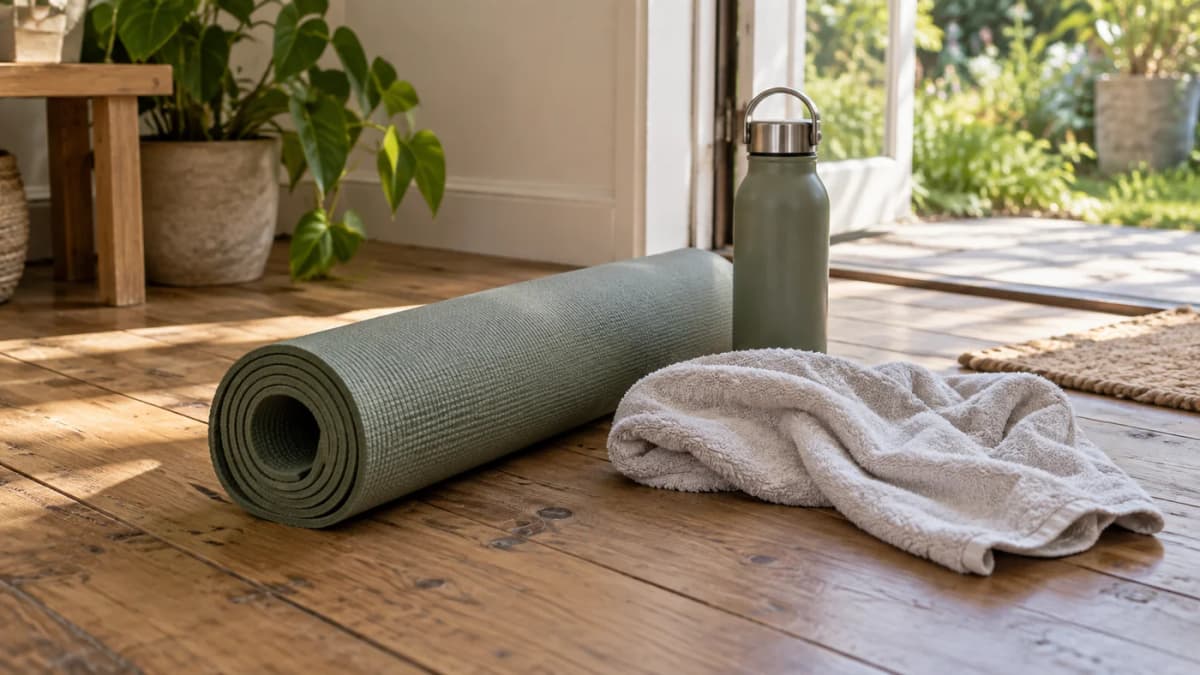
What to bring: Comfortable workout clothes for yoga and fitness classes. A light rain jacket for afternoon showers. A reusable water bottle (plastic waste is a genuine concern in Thai beach towns). If you're planning medical wellness treatments, bring any relevant medical records or blood work results — the practitioners can provide more personalized care with your health history.
Transportation: Hua Hin is small enough that most wellness experiences are accessible by songthaew or motorbike taxi. The beachfront resorts are walkable from the town center. For Aleenta Pranburi, you'll need a taxi or rental car — it's 25 minutes south of central Hua Hin.
The Verdict: Which Wellness Experience Fits Your Budget?
Under 1,000 THB ($28): Traditional Thai massage at a local shop + sunrise yoga on the beach. Total: 600-1,000 THB for a full day of wellness. This is genuinely excellent value — the quality of Thai massage at independent shops rivals luxury resorts at a fraction of the price.
1,000-5,000 THB ($28-142): Full weekend of yoga, massage, herbal treatments, and healthy dining. Stay at a mid-range hotel, eat at health-conscious restaurants, and book individual treatments at independent practitioners. This covers a complete wellness weekend without the resort price tag.
5,000-30,000 THB ($142-850): Aleenta Pranburi or a comparable boutique wellness resort. 1-2 nights with spa treatments, yoga classes, and organic dining. The best balance of luxury and value for a short wellness getaway.
30,000-60,000 THB ($850-1,700): The Barai at Hyatt or VLCC at Avani+. 1-2 nights with medical wellness treatments, hydrotherapy, and luxury accommodation. Genuine clinical wellness in a five-star setting.
60,000+ THB ($1,700+): Chiva-Som. 3+ nights with personalized health programs, medical assessments, daily activities, and nutritional guidance. The most comprehensive wellness experience in Hua Hin — and one of the best in the world. Worth it if you're serious about health outcomes and can afford the investment.
For more on Hua Hin's lifestyle, check our digital nomad guide and the cost of living breakdown for the full picture of what it costs to live well in this beach town.
Ananas Premium
Unlock Hua Hin's Best Property & Investment Insights
Enjoying our free content? Get unlimited access to premium articles, local market intelligence, member briefings, and exclusive checklists for ฿290 / $9.95 per month.
Continue reading