Thai Etiquette for Expats: Everyday Situations Made Easier
What to do at the door, in a temple or over dinner: practical Thai etiquette without stereotypes, rigid status rules or pressure to ignore your own boundaries.

Editors
Jun 26, 2026 · 6 min read
Status
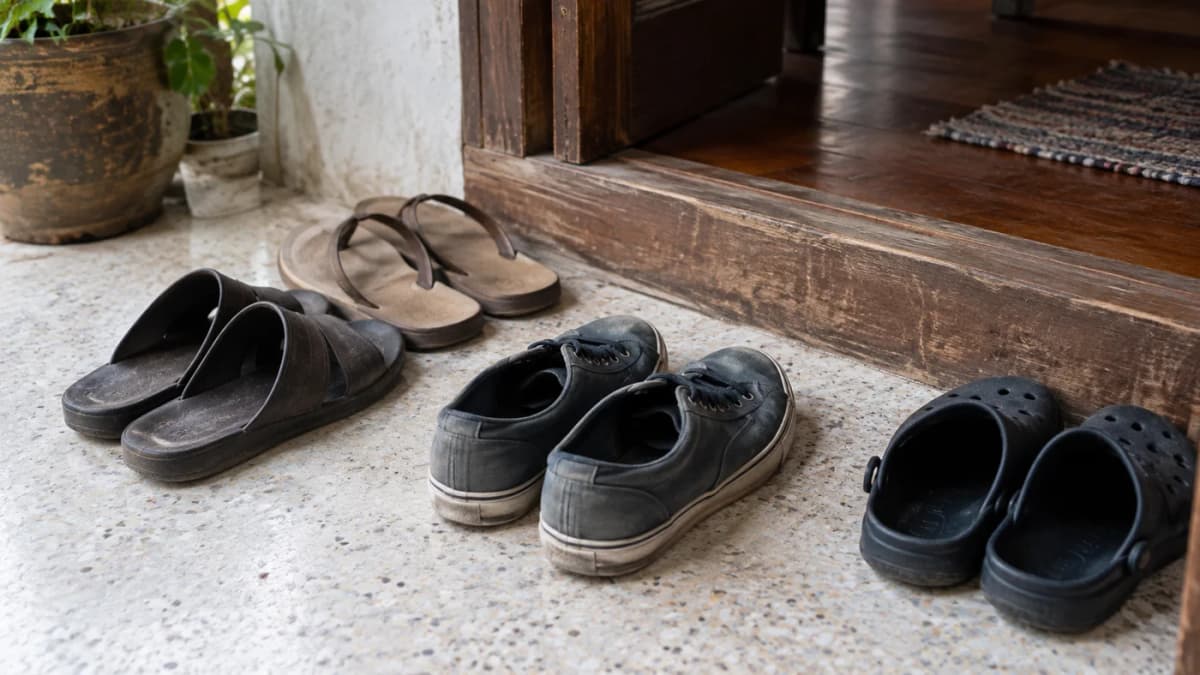
You arrive at a neighbour's home with a bag of fruit. There are shoes by the door, someone greets you with a wai, and you are not sure what to do with your hands. Put the bag down, greet your host and ask about the shoes. You do not need a perfect performance to be a considerate guest.
Thai etiquette is useful to learn, but it is not a secret test that every Thai person administers to foreigners. Families, generations, workplaces and religious communities differ. In Hua Hin, the same day might take you from a beach café to a family home and then a temple; each setting calls for a little attention.
Greetings: start with the person, not a status chart
The wai is a gesture of respect made with the palms together. It can accompany a greeting, thanks or an apology. Hand position and the depth of the bow vary with the situation; a formal greeting to an elder is not the same as greeting a friend. Thailand Foundation explains the different forms, including how people acknowledge a wai.
For a newcomer, a spoken hello and a modest wai in response to an adult's greeting are a reasonable starting point. If your hands are full, acknowledge the person verbally rather than juggling your shopping. Watch how your host greets others and ask someone you know to demonstrate when you have a quiet moment.
Do not turn cultural guidance into an excuse to be dismissive towards a waiter, cleaner or security guard. A greeting, eye contact where comfortable and a clear thank-you matter. Nobody needs to calculate another person's income before being courteous.
At the door: shoes, heads and feet
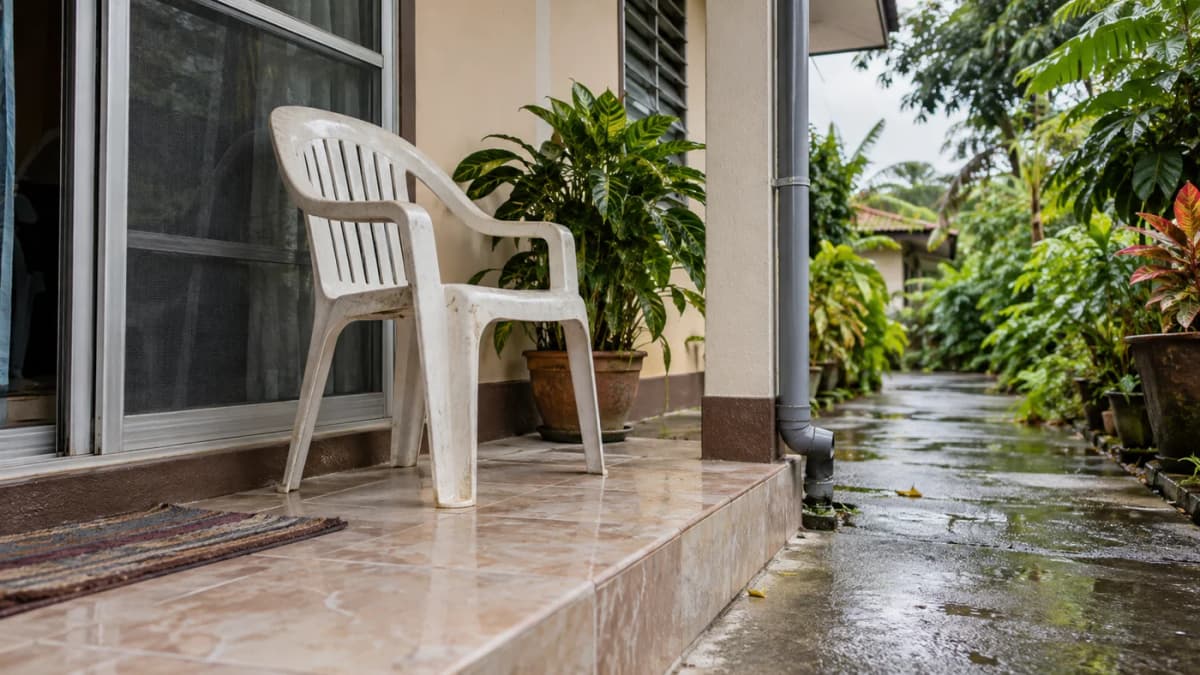
Look for a shoe rack and follow your host's lead before entering a home. If you use a mobility aid or cannot remove footwear easily, explain and ask what arrangement works. Keep the entrance clear instead of leaving shoes across the walking route.
Avoid resting feet on furniture or pointing with them. Do not casually pat someone on the head, including a child you do not know. These are sensible habits of personal respect, not reasons to panic over every accidental movement. If you bump someone or make a mistake, apologise briefly and adjust.
Ask before photographing people or the inside of their home. An invitation to dinner is not permission to publish the family's address, children or private rooms online.
Visiting a temple without getting in the way
Read the entrance notices before taking out your camera. Thailand's official temple visitor guide stresses that details vary between temples. Dress modestly, cover shoulders and knees, and bring an extra layer if needed.
- Remove shoes where required before entering a worship building; the whole outdoor compound is not automatically a barefoot area.
- Silence your phone, keep your voice low and leave space for people praying.
- When seated, keep feet from pointing towards Buddha images or monks. Ask for a chair if sitting on the floor is difficult.
- Respect photography restrictions. Do not climb structures, touch sacred objects or interrupt worship for a picture.
In customary interactions with monks, women should avoid physical contact and direct hand-to-hand offerings. Place an offering where the monk or an attendant indicates, such as on a table. Thammasat University's visitor handbook gives this practical alternative. You do not need to drop an object or treat everything a monk has touched as forbidden.
Disagreeing politely does not mean agreeing to everything
Keeping a disagreement calm and, where possible, private can help everyone focus on the problem. That is different from assuming Thai people never say no, or that a smile proves agreement. Ask about the actual next step.
Suppose a repair appointment has been missed. A useful message is: “The air conditioner still leaks. Could you confirm a new appointment and who will come?” Add a photograph and ask for a written time. This is clearer than a public accusation, and clearer than pretending nothing is wrong.
If a bill looks incorrect, point to the specific item and ask for an explanation. You can be firm about money, safety and personal boundaries without raising your voice. If you feel threatened, leave and seek help; cultural sensitivity does not require staying in an unsafe encounter. Save our Hua Hin emergency contacts before you need them.
Sharing a meal: ask instead of guessing
Some meals involve several shared dishes; others are individual bowls or plates. Ask what the group plans to share before ordering. Use a serving spoon when one is provided, or request one. Start with a portion you expect to eat and take more if invited.
You do not have to eat something that conflicts with an allergy, health need, belief or preference. Thank your host and explain simply. For a serious allergy, have the ingredients and cross-contact warning checked in Thai in advance; a polite smile is not confirmation that food is safe.
There is no need to deliberately leave food as a signal. Nor should you interpret “I'm not hungry” as a hidden instruction to serve someone anyway. Ask, accept the answer and enjoy the company.
Before a group order, a quick “Shall we split the bill?” prevents an awkward ending. If you are the host, say what you are offering to pay for. Check any service charge on the bill before deciding about an additional tip; this guide does not prescribe a mandatory tipping tariff.
Markets, neighbours and everyday boundaries
Ask the price before buying. If you want to negotiate, first ask whether a discount is possible. A missing price tag is not an automatic invitation to demand a large reduction. If the seller declines, either pay the quoted price or leave politely.
At home, learn the building's quiet hours, rubbish arrangements and visitor rules. Tell neighbours about disruptive work beforehand. These small courtesies usually give you more to work with than a sweeping theory about national character.
Friendship has no minimum waiting period. Be reliable, listen, share an activity and let the individual relationship develop. For useful words to go with the gestures, start with our practical Thai language guide.
One distinction worth taking seriously: custom versus law
Some matters are more than etiquette. The FCDO's Thailand advice warns that criticism of the monarchy is illegal, the law can be interpreted broadly, and online comments or shared material can lead to charges. Do not assume a private group or a foreign-language post removes legal risk. If a specific situation concerns you, seek qualified legal advice.
Quick answers
Do I need to wai everyone I meet?
No. The greeting depends on the relationship and setting. A polite spoken greeting, attention to the other person and learning from your host are more useful than treating every encounter as a ceremony.
Can I politely refuse food in Thailand?
Yes. Thank the host and explain briefly, especially for an allergy or dietary requirement. Do not eat something unsafe just to follow an assumed etiquette rule.
What should I do if I make an etiquette mistake?
Apologise briefly, follow the person's guidance and adjust. If you are unsure about a temple rule or a household custom, ask before continuing.
Ananas Premium
Unlock Hua Hin's Best Property & Investment Insights
Enjoying our free content? Get unlimited access to premium articles, local market intelligence, member briefings, and exclusive checklists for ฿290 / $9.95 per month.
Sources & Verification
- Wai forms and context; not a rigid income-based greeting rule. — Thailand Foundation — WaiSource
- Modest dress, shoes, feet, photography and local temple rules. — Thailand government — temple visitor guideSource
- Customary shoes/head/feet guidance and placing monk offerings on a table, printed pages 37–38. — Thammasat University — 2018 Border Health visitor handbookSource
- Monarchy criticism law is broadly interpreted and includes online material. — FCDO — Thailand safety and securitySource