Slow Travel in Thailand: Fewer Stops, More Time in One Place
Fewer hotel changes can leave more room for the days you actually enjoy. How to choose a base, compare costs and plan a relaxed stay using Hua Hin as an example.

Editors
Jun 2, 2026 · 7 min read
Status
There is a particular kind of tiring holiday where you spend the morning packing, the afternoon travelling and the evening working out how the next place works. You may see a lot on the map without having much time to enjoy any of it.
Slow travel is a simple response: fewer changes of base, less pressure to fill every day and more time for ordinary life between the sights. It does not require a sabbatical, a remote job or a month-long rental. Even a short trip can be less rushed if you stop trying to fit two holidays into it.
Choose one base that suits your actual days
Start with the things you want to do repeatedly. If that means walking to breakfast, swimming and reading, check those routes and facilities before worrying about a long list of excursions. If you need quiet evenings or step-free access, ask specific questions rather than relying on a property's description of itself as relaxing.
Hua Hin can serve as a base for time on the coast and selected outings, but the right neighbourhood depends on how you plan to get around. A lower room price farther from your daily activities may mean more transport costs and less freedom to change plans. Check the actual map pin and the journey at the times you expect to travel.
For a first visit, our Hua Hin weekend guide offers a manageable starting point. You do not have to add a new attraction for every extra day. Sometimes the benefit of staying longer is doing yesterday's favourite thing again.
A week with space in it
This is an example of how to distribute your time, not a fixed itinerary or a claim about opening hours. Adjust it for weather, transport and your interests.
- Arrival: check in, get food and find the essentials nearby. Leave the ambitious plans for another day.
- The next two days: explore close to your base. Return to somewhere you liked instead of continually searching for a better option.
- One outing: choose a place worth the journey and leave enough time to enjoy it. Our day trips from Hua Hin guide explains options and practical checks.
- An open day: keep it genuinely open. Rest, read, do laundry or change your mind.
- The remaining time: repeat what worked, try one new activity and leave room to pack without losing the final evening to logistics.
The point is not to move slowly every minute. An early start for something you really want to see may be worthwhile. The difference is that the rest of the trip does not have to become a race to recover the time.
Compare the whole cost, not just the nightly rate
A longer booking can offer better value, but there is no universal saving. Compare the total for your actual dates, including cleaning, utilities where charged separately, transport, meals and cancellation conditions. A monthly rate is not automatically a bargain if you only need part of the month or cannot leave when plans change.
Before paying for a long stay, ask what is included, whether building work is expected and how problems are handled. Get important answers in writing. A short first booking may cost more per night but give you a chance to check the room and neighbourhood before committing.
Keep a modest margin for changes. Saving money by eliminating flexibility can backfire if the property is noisy or your travel dates shift. Slow travel should reduce avoidable friction, not lock you into an arrangement you dislike.
Notice everyday life without turning it into a performance
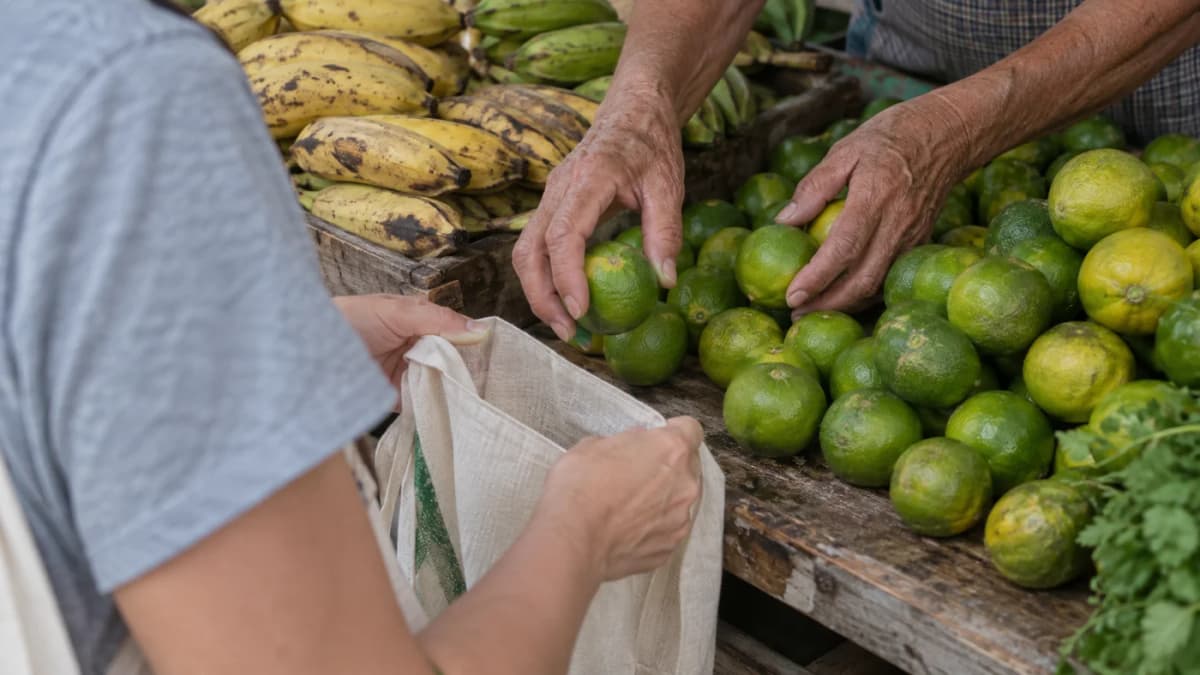
Buying fruit, finding a lunch place and learning how to ask a small question can be enjoyable parts of a trip. They are not more “authentic” because somebody photographs them. A shopkeeper may be busy; a neighbourhood is still someone's home.
Ask before taking a close photograph of someone and accept a refusal without argument. Belgium's foreign ministry includes photography consent, respect for local customs and geographically sensible planning in its sustainable-travel tips. These are useful habits even if you are not trying to give your holiday a particular label.
If you would like company, look for an activity that welcomes visitors rather than expecting strangers to provide an instant social circle. Our guide to meeting people in Hua Hin explains how to make a modest invitation and follow up respectfully. A friendly encounter is worthwhile even when it does not become a lasting friendship.
Working during a trip needs separate decisions
Having a laptop and a longer booking does not settle whether your proposed work is permitted. Immigration and work requirements depend on your circumstances and activities. Verify them with the relevant Thai authorities before planning a working stay; do not treat a travel style as a visa category.
Practical arrangements matter as well. Test the connection where you will actually work, allow for time zones and choose somewhere suitable for calls. A cafe table is not automatically a private office. Our Hua Hin working-cafe guide covers venue checks and considerate use, including buying appropriately and moving on when space is needed.
If this is becoming a move rather than a holiday, use the first 30 days in Thailand checklist to plan the administration. Keep that decision separate from the attractive price of a longer accommodation booking.
Fewer transfers do not prove a trip is sustainable
Cutting unnecessary journeys can make a trip simpler, but “slow” is not an environmental certificate. The distance you travel, transport you use, accommodation and everyday consumption all matter. Without a defined comparison, a claim that a slower holiday cuts emissions by a fixed percentage is not useful.
Look for specific practices instead of vague green language. WWF's responsible-travel advice encourages checking a travel company's environmental commitments and independent assessments. It also recommends practical habits such as reducing food waste, conserving energy, respecting wildlife and asking permission before photographing people.
Choose the actions that fit the place: avoid buying more food than you can use, switch off cooling when you leave the room and follow local rules at natural sites. Our Hua Hin sustainable-living guide offers further everyday considerations. None requires turning the holiday into a competition over who travels most responsibly.
Leave with fewer unfinished plans
Before adding another stop, ask what it gives you and what the transfer takes away. If the answer is a place you have long wanted to visit, go. If it is mostly the fear of missing something, staying put may make for a better day.
A good trip does not need a long list of achievements. It needs enough time for the things you actually enjoy, and enough flexibility to notice them when they were not on the list.
Frequently asked questions
How many nights count as slow travel?
There is no minimum used in this guide. The approach is to reduce unnecessary changes of base and leave more room in your days, whether you have a weekend or a longer stay.
Is slow travel always cheaper?
No. Fewer transfers or a longer-booking rate may help, but compare the full cost, including transport, meals, utilities where applicable and cancellation conditions. A lower nightly rate alone does not prove better value.
Does a longer holiday let me work remotely in Thailand?
Do not assume so. The length of an accommodation booking does not determine work permission. Check the immigration and work requirements for your circumstances and proposed activities with the relevant Thai authorities before making plans.
Ananas Premium
Unlock Hua Hin's Best Property & Investment Insights
Enjoying our free content? Get unlimited access to premium articles, local market intelligence, member briefings, and exclusive checklists for ฿290 / $9.95 per month.
Sources & Verification