Bringing a Dog or Cat to Thailand: A Practical Import Guide
Plan your pet's move with route-specific entry checks, veterinary paperwork, airline approval and a safe arrival, without relying on universal online rules.

Editors
Jun 29, 2026 · 7 min read
Status
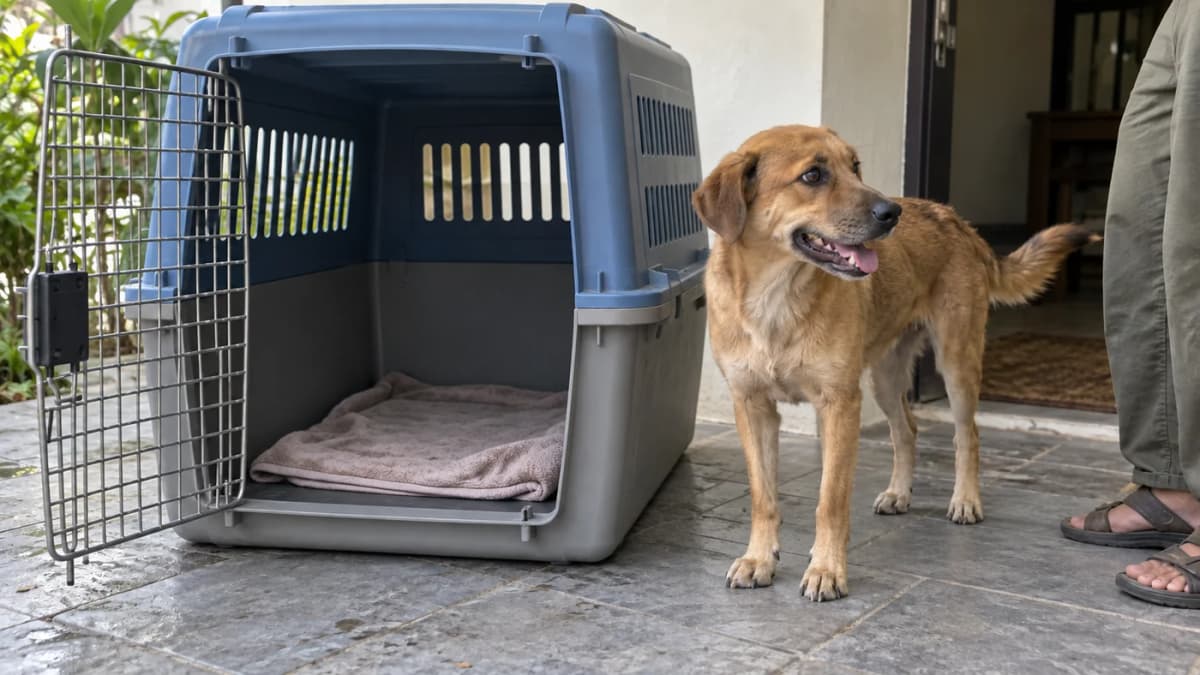
Moving a dog or cat to Thailand is not just a matter of adding a carrier to your flight booking. The pet needs its own travel plan: entry approval, veterinary paperwork, an airline reservation and a safe place to stay after landing. Work through those separately, and the whole move becomes easier to manage.
This guide covers personal dogs and cats. Other animals, commercial shipments and unusual routes need separate advice. Requirements depend on the country of departure, transit stops and Thai entry point. The US example below is deliberately labelled; do not use it as a universal checklist.
Start with the route, not the ticket price
Write down the actual operating airline for every flight, each transit airport, the Thai arrival airport and whether the animal will travel with you or as cargo. A codeshare booking can look like one airline while another operates the aircraft. Ask who handles the pet on each leg and where you collect it.
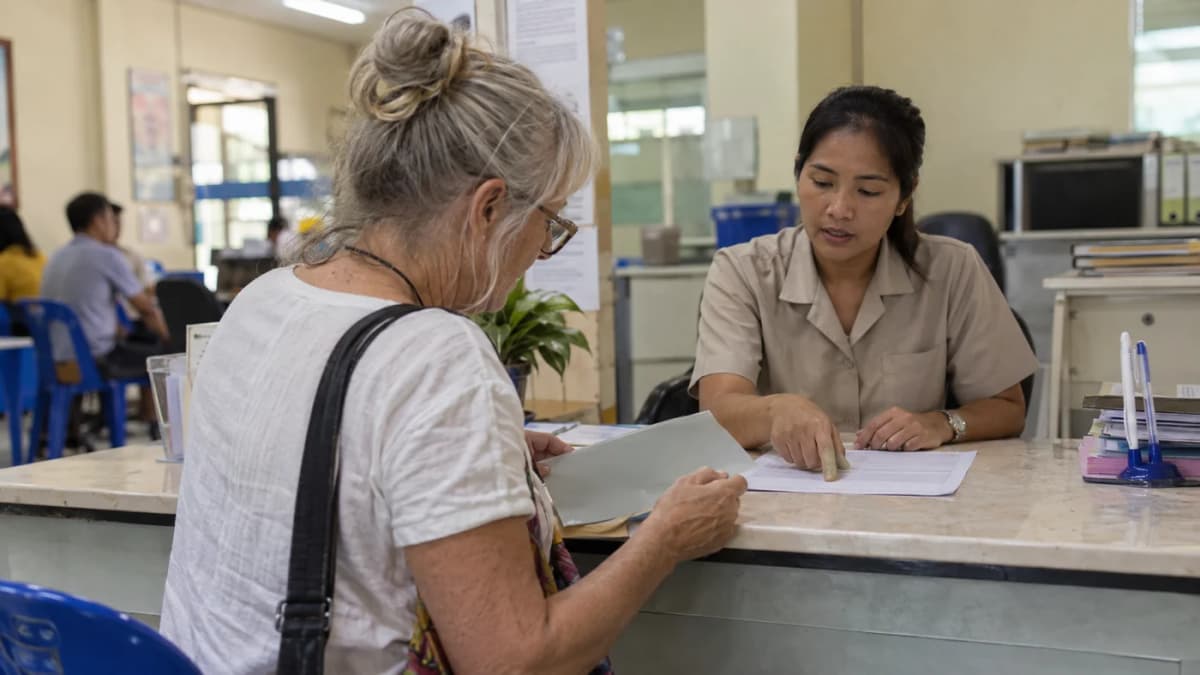
Send that route, your pet's age and breed, and its vaccination history to the Animal Quarantine Station (AQS) at the intended Thai entry point. Ask for the current import requirements and application procedure. At the same time, contact the official veterinary export authority in your departure country. A private vet's ordinary appointment record is not necessarily an endorsed export health certificate.
Get these questions answered before buying a non-refundable ticket:
- Can this specific animal enter Thailand from this origin, on this route?
- Which identification, vaccinations, tests and original certificates are required?
- When can the import application be submitted, and how long is each document valid?
- Does a transit stop create additional requirements, even if you stay airside?
- Who must be present to collect a cargo shipment, and what documents do they need?
A worked example: bringing a dog or cat from the United States
The USDA APHIS Thailand page, updated on 2 October 2026, directs owners to the Thai Embassy's instructions. For accompanied dogs and cats, APHIS lists a minimum age of four months, an import permit, an owner passport copy and a health certificate issued by a USDA-accredited vet and endorsed by APHIS.
The Thai Embassy's US-origin instructions give a permit application window of 7–60 days before departure and recommend applying about 30 days ahead. They allow 5–7 Thai business days after a complete submission. Treat that as planning guidance, not a guaranteed approval date.
The health-certificate form linked by APHIS lists rabies, distemper, hepatitis, parvovirus and leptospirosis for dogs; rabies and panleukopenia for cats. It describes a negative leptospirosis test alternative for dogs without a valid vaccination. Have your vet check the exact requirement rather than ordering tests from an old online list.
Timing deserves special care. The embassy says primary vaccinations must be completed at least 21 days before starting the permit application. Its booster guidance differs from the wording of the older certificate still linked by APHIS. The pages also describe the ten-day certificate window differently: the embassy refers to endorsement and arrival, while the form refers to issuance and examination before departure. Ask the accredited vet and AQS to confirm an acceptable schedule in writing; do not assume a late endorsement resets the clock.
Neither published US checklist supports treating a rabies antibody test as mandatory for every incoming pet. A test may still matter for another origin, a transit country or the eventual return journey. Keep those requirements separate.
Build one consistent document file
Ask the vet to scan the microchip and compare the number with every record. Check the owner's name, pet description and travel dates too. A single mistyped digit can be harder to fix at an airport than at the clinic.
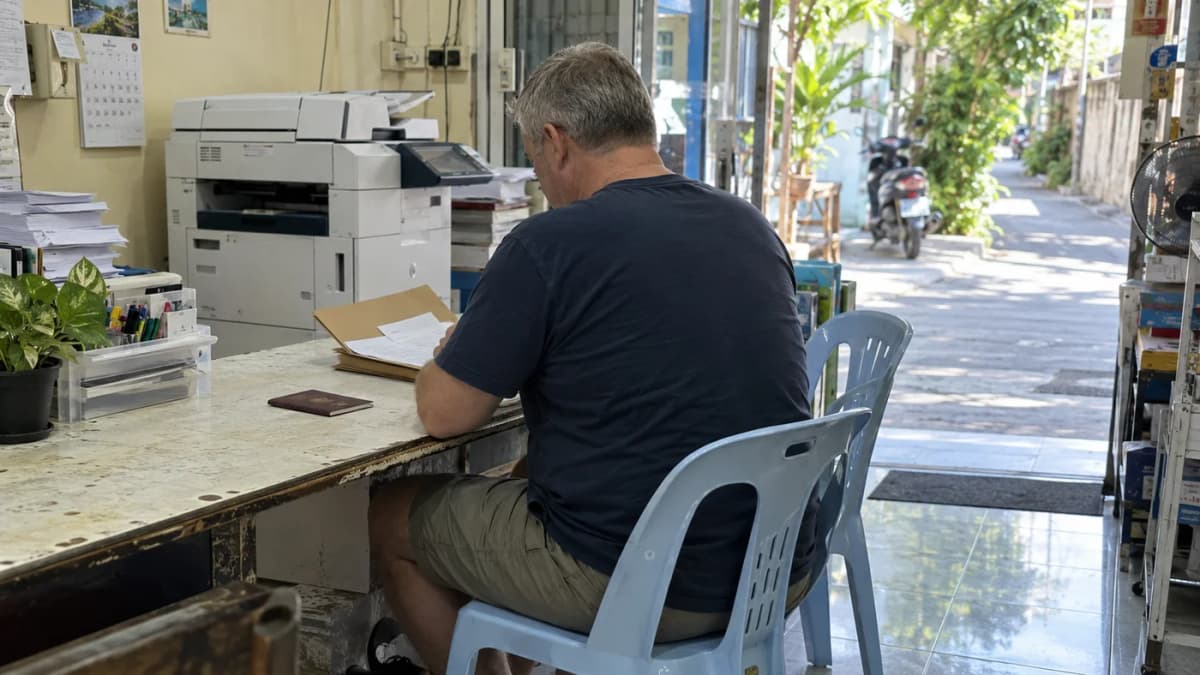
Keep the permit approval, identification record, vaccination history, health certificate and required endorsement together. The US-origin embassy instructions require the original endorsed certificate, not just an electronic copy. Carry paper originals where required, plus secure digital backups. Our travel-document organisation guide offers a simple folder structure; copies do not replace originals at inspection.
If your flight changes, tell the airline, AQS and export vet immediately. Check whether the permit, certificate or appointment must change before accepting the new itinerary. Do not use another traveller's identity to work around a supposed pet limit.
Airline approval is a separate step
A Thai import permit does not reserve an animal space on the aircraft. Confirm acceptance for the exact flight, transport method, breed, weight and carrier dimensions. Ask about hot-weather restrictions, connection handling, cargo collection hours and what happens during a cancellation. Save the written confirmation and reconfirm before departure.
IATA's pet-travel guidance explains that the container must allow the animal to stand and sit upright, turn normally and lie naturally. Measure the pet, including bedding clearance, and check the airline's construction requirements before buying. A shop's “airline approved” label is not enough.
Introduce the carrier gradually at home. Discuss fitness to fly, heat sensitivity, existing conditions and anxiety with the vet. IATA discourages routine sedation for air travel; do not give a sedative simply to make the pet quieter. Any medically necessary medication needs veterinary direction and compliance with the carrier's rules.
Plan the arrival beyond baggage collection
Thai Customs' pet-travel procedures distinguish accompanied animals from cargo shipments. Veterinary approval and customs clearance are separate steps, and pets are not automatically duty-free. Ask about the applicable charges rather than budgeting for one quoted inspection fee alone.
Do not schedule a tight onward connection or assume every animal is released within an hour. Incomplete paperwork or a health concern can change the outcome. Arrange a driver who explicitly accepts the pet and carrier, with enough space and suitable ventilation. Confirm the accommodation's pet policy in writing, including size limits and deposits; the owner and building management may have different rules.
If Hua Hin is your destination, combine the animal's travel arrangements with the practical housing and support checks in our Hua Hin relocation checklist. Choose the home around daily life with the pet, not only around the view.
Our Hua Hin rental guide helps with lease and deposit checks. Photograph the property's condition at move-in and keep the written pet agreement with the lease, rather than relying on a booking platform's general “pet friendly” label.
Keep a budget and a return plan
Request separate quotes for veterinary work, endorsement, the container, airline or cargo transport, an agent if used, local clearance, pickup and any boarding. Ask which charges are excluded and what a flight change costs. There is no useful universal total for every animal and route.
Before moving, also check the next country's entry rules. Thai Customs describes an export permit and health-certificate process for departure; admission to Thailand does not settle re-entry elsewhere. For dogs returning to the US, APHIS points owners to CDC rules. Begin that research before travel, not just before the flight home.
Frequently asked questions
Does every dog or cat need a rabies antibody test to enter Thailand?
No universal requirement should be assumed. The published US-origin checklists do not list a routine rabies antibody test for every pet. Confirm your origin, transit and onward-travel requirements with the relevant authorities and vet.
Can I book the pet after buying my own flight?
That is risky. Confirm animal acceptance and space on every operating flight before committing to the itinerary. An import permit does not guarantee that an airline will carry the pet.
Will a digital health certificate be enough?
Do not assume so. The Thai Embassy's US-origin instructions require the original USDA-endorsed health certificate. Confirm the original-document rules for your own departure country and carry the required papers.
Ananas Premium
Unlock Hua Hin's Best Property & Investment Insights
Enjoying our free content? Get unlimited access to premium articles, local market intelligence, member briefings, and exclusive checklists for ฿290 / $9.95 per month.
Sources & Verification
- Updated 2 October 2026: US-origin minimum age, permit, endorsed health certificate, separate cargo documents and CDC responsibility for returning dogs. — USDA APHIS — Pet Travel from the United States to ThailandSource
- US-origin permit window, primary-vaccination waiting period, original endorsed certificate and timing guidance; not generalised to all origins. — Royal Thai Embassy Washington — Bringing Pets into ThailandSource
- Official currently linked form, internally dated February 2017: age, species-specific vaccinations, leptospirosis alternative, 21-day-before-departure wording and ten days after issuance. Differences from embassy page explicitly flagged for written vet/AQS confirmation. — USDA APHIS — linked Thailand dog/cat health certificateSource
- Flight-specific carrier acceptance, crate room, acclimatisation and discouragement of routine sedation; no universal airline list or approval of a particular product. — IATA — Traveler's Pet CornerSource
- Separate veterinary and customs clearance, accompanied/cargo processes, duties and export permit/health certificate; no guaranteed release time. — Thai Customs — Import/Export Personal PetsSource