Climate Risk and Property: What to Check Before Choosing a Home in Thailand
Look beyond a sunny viewing: check water history, road access, heat, shared systems, insurance and unresolved repairs for the exact property.

Editors
Jun 2, 2026 · 7 min read
Status
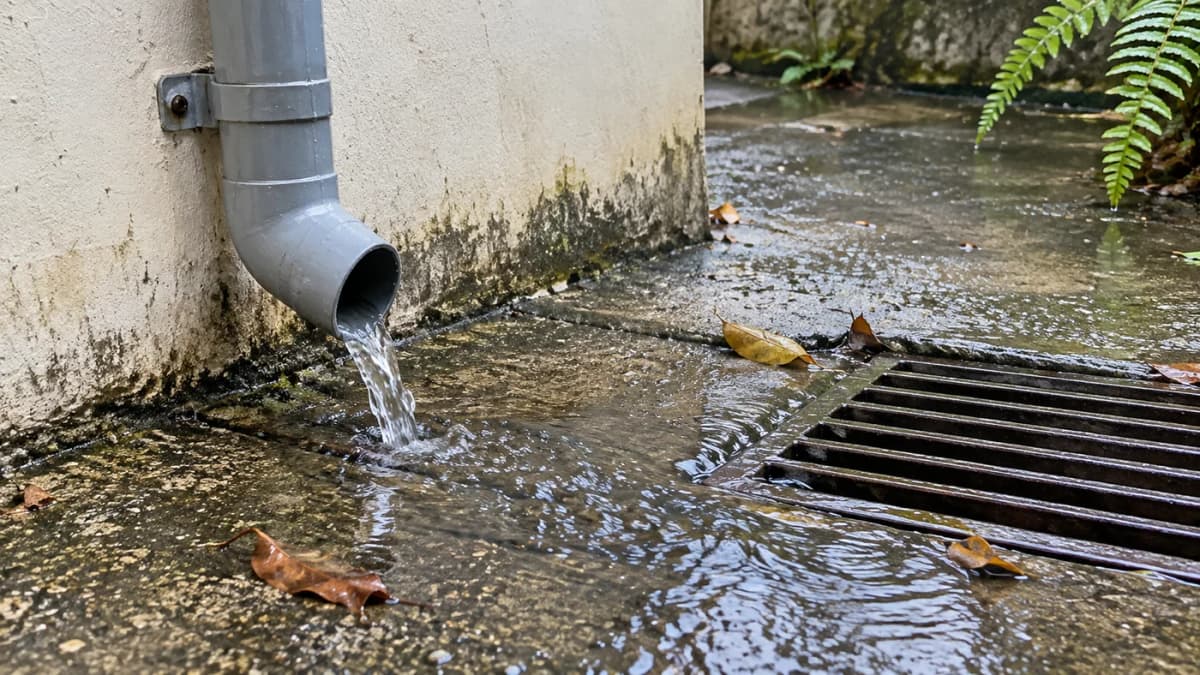
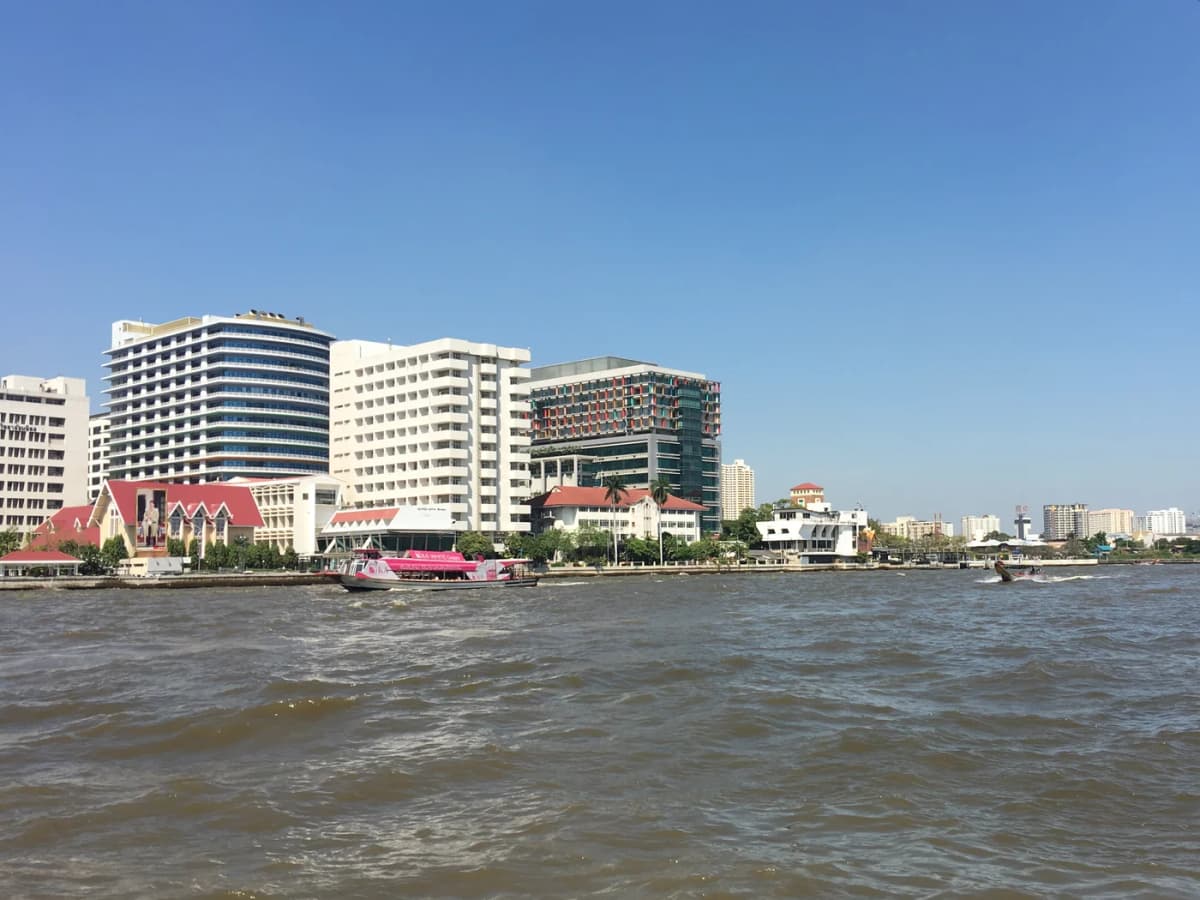
A sunny viewing can hide a difficult wet-season address. The apartment may be dry while its car park floods; a house on higher ground may still depend on a low access road. A comfortable morning room can become unpleasant in the late afternoon.
Climate risk matters to property decisions around the world, but broad headlines do not tell you the repair bill or safety of one home in Thailand. For a buyer or long-term renter, the useful approach is to check the exact building, its surroundings and the services you would depend on.
Turn a global concern into local questions
The IPCC's assessment of cities and infrastructure describes interacting risks from heat, heavy rainfall, coastal flooding and disruption to essential systems. It also explains that local exposure and vulnerability matter. It is not a forecast of the resale value of a Hua Hin condo or proof that a particular street will flood.
Do not substitute one hazard for another. Rainwater that cannot drain, an overflowing river, coastal water and a leaking roof have different causes and remedies. Moving uphill may change some risks while introducing others, such as steep-road access or slope instability. No single elevation number makes a property climate-proof.
Start a short file for each address. Record what you observed, what somebody told you, the documents provided and the questions still unanswered. Keep claims about future improvements in a separate column from work already completed.
Follow the water beyond the front door
During a safe visit, look at the relative levels of the road, entrance, ground floor and parking. Note downpipes, visible drainage channels, roof overhangs and where water could collect. A raised doorway tells you little if the only way out crosses a low stretch of road.
Ask the seller, landlord and building manager specific questions rather than “Does it flood?”:
- When did water last enter the property, parking area or access road?
- How deep was it, how long did it remain and which areas were affected?
- What was repaired, by whom, and are dated invoices or reports available?
- Where does roof and surface water go, and who maintains the drains?
- If pumps are used, who checks them and what happens during a power cut?
Speak to neighbours where appropriate and compare their accounts with records. A photo needs a date and a location; a picture of a nearby dry road is not evidence about your building. A seller's statement is useful information, not independent verification.
Do not enter floodwater or visit during an active warning to test an address. Look at dated event records and arrange a professional drainage or engineering assessment if the history is unclear. The Thai Meteorological Department's warnings help with immediate weather decisions; they are not a parcel-level long-term risk assessment.
A dry upstairs unit can still lose essential services
For a condo, ask about shared electrical equipment, water pumps, lifts, access controls and the garage. Find out which parts of the building have been affected previously and what remains dependent on low-level equipment. Your floor number does not tell you how the building functions during a disruption.
Request the relevant maintenance history and any proposed work or special funding. Ask who would pay if shared systems need repair. Do not assume a common-area insurance policy covers your belongings, temporary accommodation or every loss inside the unit.
PEA's September 2026 flood-safety guidance warns against using submerged electrical equipment and touching switches while wet or standing on wet ground. It calls for qualified checks before damaged equipment is reused. An apparently working socket after water recedes is not your safety test.
Parking matters too. Ask how management closes an unsafe area and alerts residents. If charging is part of your routine, include the location and access questions in our EV charging guide. Do not plan to retrieve a car by walking into a flooded garage.
Visit for heat, not only for the view
If possible, return at a different time of day. Check which rooms receive direct sun, whether external shade actually covers the windows, and how comfortable the spaces are with the proposed everyday ventilation and cooling arrangement.
Ask for recent electricity bills and the conditions behind them: occupancy, time away, air-conditioning use and whether other spaces share the meter. A low bill from an empty home is not an estimate for a family living there throughout the day.
Check whether screens, windows and outdoor shading are usable and maintained. Have the cooling system inspected where necessary. A large air conditioner does not by itself explain insulation, roof heat, energy use or whether the room is comfortable when power fails.
Solar may help with energy costs, but it does not automatically supply backup power or remove heat and flood risk. The distinction is explained in our green-energy guide. Treat each proposed improvement as a separate design and cost question.
Fresh paint is not a moisture report
Look for staining, swollen finishes, persistent damp smells and repairs around windows, ceilings and external walls. Photograph concerns with permission. These observations can justify further investigation; they do not establish the source or extent of a hidden problem.
The US EPA's moisture and mold guidance emphasises fixing the water source, not simply cleaning or painting over mold. It recommends experienced help for hidden mold or damage from contaminated water. Those maintenance principles are useful here; its US regulatory references are not Thai law.
For a previously affected home, request the repair scope and evidence that the cause was addressed. Have an independent inspector assess suspected hidden damage. Do not open electrical panels, disturb suspect materials or accept an air freshener as evidence the room has dried properly.
Ask the insurer about this address and this loss
Request a written quote and policy wording for the actual property, use and insured items. Ask separately about flood, storm, water entering through the roof, contents, temporary accommodation and relevant exclusions. Confirm deductibles, sublimits and any required precautions or disclosures.
A low premium for a different address is not a comparable offer. Neither a broker's general statement nor a glossy building brochure establishes how a future claim will be assessed. Keep answers and tell the insurer about known history as required by the application.
For a rental, agree how you report leaks, who authorises urgent work and what the contract says about an unusable home. Have unclear contractual terms reviewed; do not assume you can stop paying rent or recover every expense automatically.
Make a decision with the unknowns still visible
Compare properties using three practical categories: ongoing costs you can document, repair or adaptation work with written estimates, and unresolved risks needing expert review. Include shared facilities and road access, not just the rooms in the listing.
A cheaper price does not quantify those unknowns. Avoid adding an invented “green premium” or flood discount to your valuation. Our property due-diligence checklist covers the wider purchase review; climate checks belong inside it, not in place of title and contract checks.
For seasonal planning, use the dated averages in our Hua Hin weather guide, without treating them as a forecast for a particular week. Once you have chosen a home, keep a separate heavy-rain and flood-preparation plan. A careful purchase decision and an emergency plan solve different problems.
Frequently asked questions
Does a high-floor condo avoid all flood risk?
No. Access roads, parking, electrical equipment, water pumps and lifts may still be affected. Check the shared systems and the building's disruption plan as well as the unit.
Does higher ground guarantee a safer property?
No. Check drainage, access roads, slope conditions, heat and essential services for the exact address. Elevation alone does not establish that a building is safe or free of future damage.
Can a solar installation make a home climate-proof?
No. Solar generation does not resolve water entry, drainage, heat or access problems. Even outage backup depends on the system's specific design and configuration.
Ananas Premium
Unlock Hua Hin's Best Property & Investment Insights
Enjoying our free content? Get unlimited access to premium articles, local market intelligence, member briefings, and exclusive checklists for ฿290 / $9.95 per month.
Sources & Verification
- Global interacting heat/flood/infrastructure risks and local vulnerability, not parcel-level valuation forecast. Actual source read in headed browser after automated403. — IPCC AR6 WGII — cities and infrastructureSource
- Immediate warning source, not a long-term property risk map. Browser content check after automated timeout. — Thai Meteorological Department — warningsSource
- 27 September2026 do not use submerged equipment or touch switches wet; qualified inspection before reuse. — PEA — flood electrical safetySource
- Moisture-source repair and professional help for hidden/contaminated-water damage; US law/price/health diagnosis not imported. — US EPA — moisture and moldSource