Space, NASA and Alien Life: A Conversation with John Dankowski
Explore John Dankowski's space conversation with primary NASA sources. Separate workplace stories, Moon-mission evidence and speculation about alien life.

Ananas CEO
Jun 15, 2026
Status
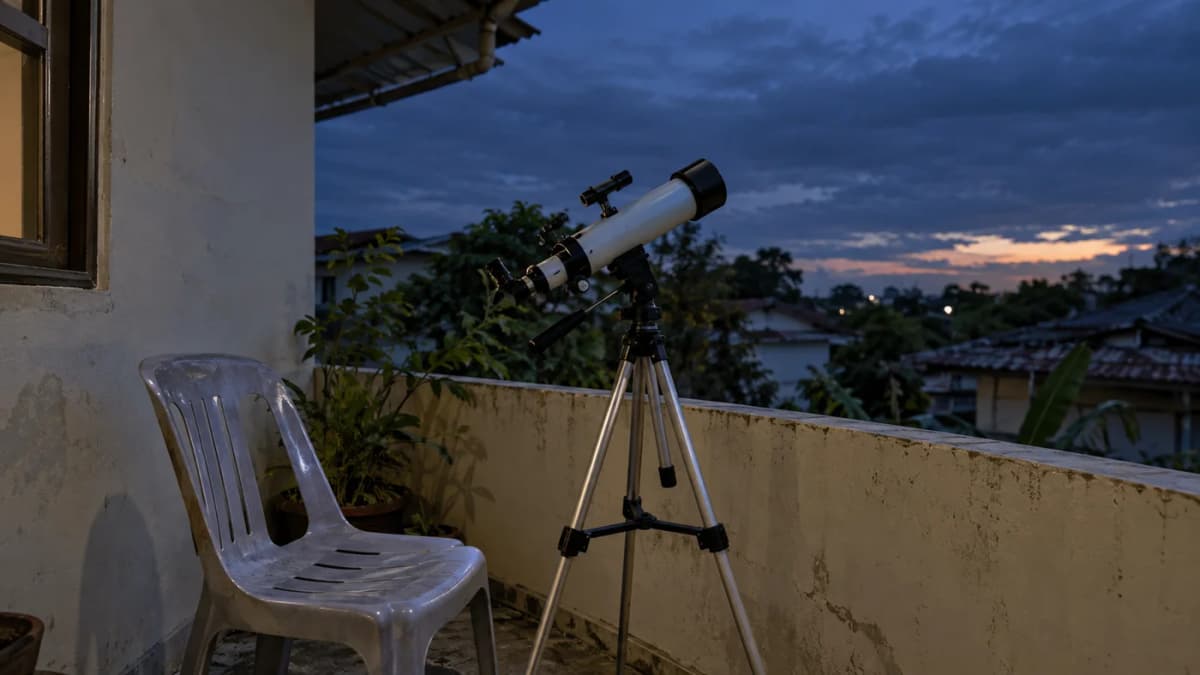
Space is a good subject for a long conversation. It is also a subject where a confident story can outrun the evidence. This Tell Them Podcast episode with John Dankowski explores working at NASA, the Moon and the possibility of alien life. Use the discussion as a starting point, not as an official statement from NASA.
Three questions worth keeping separate
What is working inside a large research organisation like? What evidence supports a particular space mission? And have we found life beyond Earth? Those are different questions. A person's workplace memories cannot settle every scientific question, just as a scientific paper cannot describe every employee's experience.
For the Moon landings, start with the mission record rather than a short social-media clip. NASA's Apollo 11 overview identifies the crew and the July 1969 mission. Its account of the lunar laser-ranging experiment explains how equipment left on the Moon has been used for measurements. These are specific claims that can be checked, not a demand to believe a speaker because of a job title.
Unidentified does not mean extraterrestrial
A light or object that cannot be identified from the available information remains unidentified. That does not establish where it came from. Missing distance, camera details or weather information can make a recording difficult to interpret without making it evidence of an alien spacecraft.
NASA's UAP questions and answers says it has not found credible evidence of extraterrestrial life and that there is no evidence UAPs are extraterrestrial. That is not a claim that life elsewhere is impossible. It describes the evidence available to the agency, a narrower and more useful statement.
When an interview moves from personal experience to a sweeping conclusion, pause there. What observation supports the conclusion? Is it documented? Could another explanation fit? Interesting speculation is fine when everyone knows it is speculation.
A quick check for a viral space claim
- Find the original recording, not a reaction video with a new caption.
- Check the date. An old incident can be presented as a new discovery.
- Separate a measurement from the interpretation someone adds to it.
- Look for the mission, instrument or research paper being discussed.
- Keep an unanswered question unanswered if the evidence does not resolve it.
The same habit helps with everyday decisions abroad. Our guide to checking AI search answers explains how to follow a claim back to its source. A polished answer and a dramatic video title both need that extra step.
Listen for how the guest thinks
Some of the value of a podcast is in hearing how a person connects experiences, asks questions and explains uncertainty. You do not need to agree with every conclusion to find the conversation useful. Listen for the difference between “I saw this,” “I think this” and “research shows this.” Each asks for a different kind of follow-up.
Dankowski also appears in our conversation about learning Mandarin. It offers another way to think about curiosity: getting comfortable with things you do not yet understand, without pretending the uncertainty has disappeared.
If you use translation or search tools to explore a technical topic, our practical AI and phone-tools guide covers checks that help prevent a useful shortcut from becoming a misleading one. Do not paste private workplace material into a public tool while trying to verify an interview.
Frequently asked questions
Is this episode an official NASA statement?
No. It is a Tell Them Podcast conversation with John Dankowski. NASA's own mission records and published guidance are separate sources.
Does an unidentified aerial phenomenon prove alien life?
No. Unidentified means the available evidence has not established an explanation. NASA says there is no evidence that UAPs are extraterrestrial.
Where should I start when checking a Moon-landing claim?
Start with the original mission records and the specific experiment or observation being questioned. Check the date and source before relying on a short edited clip.
You may also like
More videos from this category

Video
Nicole Petschek: Mindset, EFT and Claims Worth Checking

Video
Bön, Dzogchen and Meditation: Tradition Versus Evidence

Video
Healthy Aging: What Longevity Claims Can and Cannot Tell You

Video
CBDCs, Cash and Thailand: What Digital Money Actually Means

Video
Learning Mandarin: Language, Culture and Everyday Practice

Video
Palliative Care in Thailand: Quality of Life and Family Choices

Video
Becoming a Monk in Thailand: Meditation and Monastery Life
Ananas Premium
Unlock Hua Hin's Best Property & Investment Insights
Enjoying our free content? Get unlimited access to premium articles, local market intelligence, member briefings, and exclusive checklists for ฿290 / $9.95 per month.
Sources & Verification
- The mission record identifies Apollo 11's crew and July 1969 mission. — NASA: Apollo 11 mission overviewSource
- Lunar reflectors have supported laser-ranging measurements. — NASA JPL: lunar laser-ranging experimentSource
- NASA reports no credible extraterrestrial-life evidence and no evidence that UAPs are extraterrestrial. — NASA: UAP FAQsSource