Weekly Signal

Don't miss the next big opportunity in Thailand. Get our weekly digest.

No spam. Unsubscribe anytime.

Explore

  • Guides
  • Videos
  • Real Estate
  • Business
  • Economics
  • Tech
  • Shopping
  • Life
  • Travel

Legal

  • Privacy Policy (PDPA)
  • Terms of Service
  • Cookie Policy
  • Advertising Disclosure
  • Content Disclaimer
  • Copyright & IP Notice

Ananas Insider

  • About Us
  • Contact Us
  • Become Our Author
  • Advertise With Us
  • About Ananas Premium

Social

Follow us for daily updates from Hua Hin.

© 2026 Ananas Insider

About UsAnanas PremiumContact
🍍 Made by AnanasIT.com
Ananas InsiderNot News
Join Ananas Premium
Saved posts
LoginRegister
GuidesVideosReal EstateBusinessEconomicsTechShoppingLifeTravelPremiumFlightsInsuranceCar Rental
THB/USD36.4836.48
THB/EUR39.7239.72
BTC/THB2,461,8002,461,800
Gold/THB83,42083,420
Hua Hin+32°C, Mainly clear+32°C, Mainly clear
AQI48 · Good48 · Good
Economics

Real Inflation in Thailand: What the CPI Doesn't Tell You (2016-2026)

Thailand's headline CPI masks a widening gap between official statistics and the actual cost of living for foreign residents. Here's what the data really shows.

Ananas Editor Team
Ananas Editor Team

Editors

Jun 18, 2026 · 11 min read

Status

Real Inflation in Thailand: What the CPI Doesn't Tell You (2016-2026)

Executive Summary

  • Thailand's CPI assigns 40% weight to food — the category where expats spend the least
  • Official inflation averaged 0.6% annually from 2016-2025, but expat-specific costs rose 4-6% per year
  • The country swung from 12 months of deflation in 2025 to 2.79% inflation in May 2026
  • International health insurance premiums rose 15-25% annually — zero CPI weighting
  • Budget for 4-6% annual cost increases, not the 1-2% that official statistics suggest

The Inflation Number That Lies to Expats

David Chen moved to Hua Hin in early 2023, armed with a retirement budget he'd carefully calculated using Thailand's official inflation rate of 1.2%. "The math was simple," he remembers. "My pension would stretch comfortably for twenty years." By December 2025, he'd burned through three years of savings in two. The supermarket bill that cost THB 8,000 monthly in 2023 now ran THB 11,500. His condo maintenance fee jumped 18%. His visa renewal fee increased for the first time in a decade. Meanwhile, Thailand's headline CPI showed inflation barely above zero — even dipping into negative territory for months.

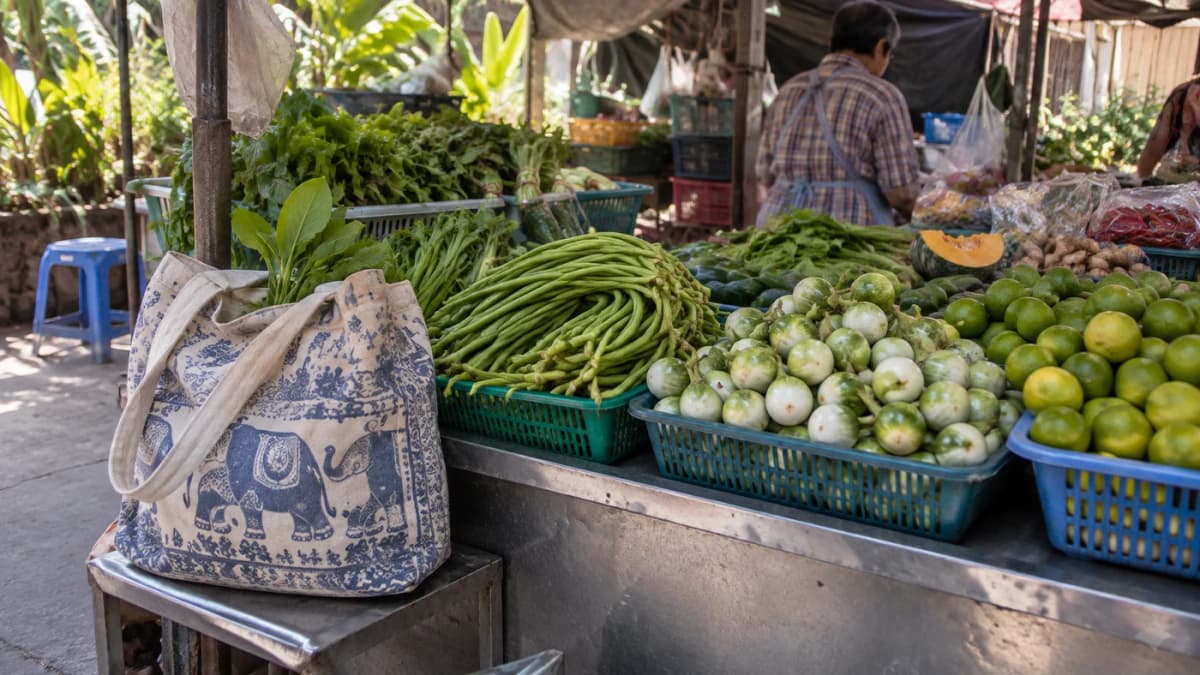
David's experience exposes the central problem with Thailand's inflation data: the Consumer Price Index measures what the average Thai household buys, not what a foreign retiree, digital nomad, or investor actually spends. Food and non-alcoholic beverages account for 40% of Thailand's CPI basket. For an expat paying international health insurance, renting a Western-standard condo, and eating at restaurants rather than wet markets, that basket is a foreign country.

Thailand's real inflation over the past decade tells a story that headline numbers obscure. Between 2016 and mid-2026, the country swung from near-zero price growth to outright deflation, then snapped back to 2.79% in May 2026 — the fastest pace in over two years. For anyone living, investing, or doing business in Thailand, understanding what actually happened to prices matters more than any government forecast.

The Decade in Numbers: Thailand's CPI From 2016 to 2026

Thailand's official inflation data, published monthly by the Bureau of Trade and Economic Indices under the Ministry of Commerce, paints a picture of extraordinary stability — and that's precisely the problem. The headline CPI number averages out the experiences of 70 million Thai consumers, smoothing over the wild swings that different groups actually feel.

YearAnnual CPI InflationWhat Actually Happened
20160.2%Oil prices collapsed, dragging transportation costs down. Food prices flat.
20171.0%Mild recovery. Energy prices normalized. Tourism boom lifted services costs.
20181.1%Stable year. GDP grew 4.2%. First real post-coup consumption growth.
20190.7%Trade war drag. Agricultural prices fell. Drought suppressed rural demand.
2020-0.8%COVID hit. Tourism vanished. Demand collapsed across every category.
20211.2%Reopening bounce. Supply chain disruptions pushed import costs up.
20221.4%Energy crisis spiked fuel prices 36%. Food inflation hit 5.8% briefly.
20231.2%Stimulus measures kept prices contained. Oil stabilized below $85/barrel.
20240.3%Deflationary pressures returned. Domestic demand weak. Exports slowing.
2025-0.1%Year-long deflation. Food prices fell. Energy subsidies masked true costs.
2026 (YTD)2.79%Sharp rebound. Middle East conflict pushed fuel and transport costs up.

The Bank of Thailand targets 1-3% inflation as its "comfort zone." Over the past decade, Thailand has spent roughly half that time either below the floor or above the ceiling. In 2025, the country endured its longest deflationary streak since the pandemic — 12 consecutive months where consumer prices actually fell. In May 2026, the snap-back to 2.79% marked the second month of inflation after emerging from that deflationary period, catching both consumers and policymakers off guard.

What the table doesn't show is the divergence between headline CPI and the prices that matter to specific groups. The CPI basket's heavy weighting toward food (40%) means that when rice and pork prices drop, the headline number goes negative — even if rent, insurance, education, and healthcare costs are climbing. For the 30% of Thailand's workforce still in agriculture, food deflation is devastating. For an expat in Hua Hin, it's irrelevant.

What's Inside the Basket: Why 40% Food Changes Everything

Thailand's CPI weighting is designed for a middle-income Thai family, not a foreign retiree. The Ministry of Commerce's 2023 rebalancing shifted the basket to reflect current spending patterns, but the fundamental structure remains tilted toward domestic consumption:

Financial analysis representing Thailand inflation data
CategoryCPI WeightRelevance to Expats
Food & Non-alcoholic Beverages40%Low — most expats buy imported goods or eat at restaurants outside the basket
Housing & Furnishing23%Moderate — captures Thai-market housing, not Western-standard condos
Transportation & Communications23%High — fuel, Grab rides, and mobile data costs affect everyone
Medical & Personal Care6%Low — international health insurance premiums aren't in the CPI
Recreation & Education5%Moderate — international school fees not captured
Apparel & Footwear2%Negligible for most expats
Tobacco & Alcoholic Beverages1%Negligible

The mismatch is starkest in healthcare. Thailand's CPI captures outpatient visits at government hospitals (THB 200-500 per visit) but misses international health insurance premiums, which have risen 15-25% annually since 2022 for anyone over 60. A retiree on a Bupa or Cigna policy isn't seeing 0% inflation — they're seeing double-digit increases in their single biggest recurring expense after housing.

Similarly, education costs for expat families tell a different story. International school tuition in Hua Hin has risen 8-12% annually over the past five years, driven by demand from both Thai elite families and foreign residents. None of this appears in the CPI, which tracks public school fees and government education subsidies instead.

The Deflation Trap: What 12 Months of Falling Prices Actually Meant

From approximately mid-2025 through early 2026, Thailand experienced something rare in Southeast Asia: persistent deflation. The CPI posted negative year-on-year readings for roughly 12 consecutive months, with March 2026 showing -0.08% — the softest decline in the sequence but still negative.

On the surface, falling prices sound like good news. For consumers, cheaper rice, pork, and vegetables should stretch the baht further. But deflation carries hidden costs that Thailand's policymakers understand all too well.

First, deflation signals weak domestic demand. When consumers expect prices to fall further, they delay purchases — particularly for big-ticket items like cars, appliances, and property. Thailand's auto sales dropped 8% in 2025, and condo launches in Bangkok fell to their lowest level since 2019. Second, deflation increases the real burden of debt. Thailand's household debt-to-GDP ratio sits at 91% — one of the highest in Asia. When incomes stagnate and prices fall, servicing that debt becomes proportionally harder.

Third, and most relevant to foreign investors, deflation compresses returns. A rental property generating 5% gross yield in a deflationary environment is actually delivering negative real returns if rents are falling faster than the headline number suggests. In Hua Hin, condo rental rates dropped 6-9% between mid-2024 and late 2025, even as the official CPI showed near-zero inflation. The gap between measured and experienced inflation had never been wider.

The Bank of Thailand responded by cutting its policy rate to 2.0% in early 2026 — its lowest level in over a decade. The move was designed to stimulate borrowing and push inflation back toward the 1-3% target range. It worked faster than anyone expected: by April 2026, CPI surged to 2.89% year-on-year, driven by a sudden spike in fuel costs triggered by Middle East tensions.

The 2026 Rebound: How Fast Inflation Can Snap Back

The speed of Thailand's inflation reversal in 2026 caught markets off guard. In March, the CPI was still negative at -0.08%. One month later, it jumped to 2.89% — a swing of nearly 3 percentage points in a single month. By May, it settled at 2.79%, within the Bank of Thailand's target band but on the upper edge.

The trigger was straightforward: Thailand imports roughly 85% of its crude oil from the Persian Gulf. When Middle East tensions escalated in early 2026, domestic diesel prices surged 36% in under two months. The transportation component of the CPI — carrying a 23% weight — responded immediately. Transport costs rose 4.2% year-on-year in April, dragging the headline number up with them.

But the rebound wasn't purely energy-driven. Core inflation, which strips out volatile food and energy items, rose to 0.92% in May 2026 — an 11-month high. This underlying trend matters more than the headline number because it reflects broad-based price pressure across services, housing, and manufactured goods. When core inflation accelerates, it typically signals that businesses are passing through higher input costs to consumers — a dynamic that tends to persist even if oil prices stabilize.

The Ministry of Commerce kept its full-year 2026 inflation forecast at 1.5-2.5%, but privately, several economists note that forecast may be too optimistic. If oil prices remain elevated and the Thai baht weakens further against the dollar — as most currency strategists expect — headline inflation could push above 3% by Q4 2026, breaching the Bank of Thailand's comfort zone for the first time since 2023.

Sponsored

Sponsored placement

Sponsored placement

Google Ads fallback is enabled. Add `Client ID` and `Slot ID` in XAdmin Advertisement.

What It Means for Your Wallet: Expat Cost Inflation vs Headline CPI

The gap between Thailand's official CPI and the actual cost of living for foreign residents has widened consistently over the past decade. Here's a realistic breakdown of where inflation hits expats hardest:

Expatriate cost of living in Thailand
Expense CategoryCPI Captures This?Actual 5-Year Change
Local market food (rice, vegetables, pork)Yes — 40% weightDown 5-8% (deflationary)
Restaurant meals (Thai-style)PartiallyUp 8-12%
Western restaurants / cafesNoUp 15-25%
Condo rent (Hua Hin, mid-range)Partially — Thai-market housing onlyUp 10-15%
Electricity & waterYes — in Housing categoryUp 12-18%
International health insuranceNoUp 15-25% annually
Visa & work permit feesNoUp 20-40% (LTR visa reforms)
Grab / taxi transportPartiallyUp 10-15%
Fuel (diesel, gasoline)Yes — 23% weightVolatile: -20% to +36%
International school tuitionNoUp 40-60% over 5 years

The pattern is unmistakable: the categories where Thailand's CPI assigns the most weight (cheap food, basic housing, public transport) are precisely the categories where expats spend the least. Meanwhile, the categories that dominate an expat budget (international insurance, Western dining, private healthcare, international education) receive minimal or zero weighting in the official index.

This isn't a flaw in Thailand's methodology — every country designs its CPI for domestic consumers. But it means that the "1.2% average inflation" headline that appears in expat forums and relocation guides is, for most foreigners, fiction. A more honest estimate of expat-specific inflation in Thailand over the past five years would be 4-6% annually — two to three times the official rate.

Regional Comparison: How Thailand Stacks Up Against Its Neighbors

Thailand's low-inflation environment isn't just a domestic phenomenon — it reflects a broader Southeast Asian trend. But the details matter, because the composition of inflation varies dramatically across the region:

Country2024 Inflation2025 Inflation2026 YTDKey Driver
Thailand0.3%-0.1%2.79%Fuel imports, deflationary food prices
Vietnam3.2%3.8%4.1%Rapid industrialization, rising wages
Indonesia2.4%2.6%3.2%Food subsidies, fuel price controls
Malaysia1.8%2.1%2.8%Subsidy reforms, currency weakness
Philippines3.9%4.2%4.5%Rice import dependency, typhoon damage

Thailand's inflation rate is the lowest in the region — but its volatility is among the highest. The swing from -0.8% in 2020 to 2.79% in 2026 represents a range of 3.6 percentage points, wider than Indonesia (1.7pp) or Malaysia (2.4pp). For businesses and investors, this unpredictability creates planning challenges that stable-inflation environments don't.

The comparison also reveals why Thailand's deflationary period was unique. Vietnam, Indonesia, and the Philippines all maintained positive inflation throughout 2024-2025, supported by stronger domestic demand, higher wage growth, and more aggressive fiscal stimulus. Thailand's combination of weak consumption, political uncertainty, and tourism-dependent GDP created the conditions for a deflationary trap that its neighbors avoided.

The Bottom Line: What to Actually Budget For

Thailand's inflation story over the past decade is one of two realities: the official numbers that show remarkable stability, and the lived experience of different consumer groups who feel wildly different price pressures. For Thai households buying rice and pork at wet markets, the past decade has been a golden age of price stability. For foreign residents paying for international insurance, Western-standard housing, and imported goods, the experience has been closer to 4-6% annual cost growth — a rate that compounds aggressively over a decade.

The 2026 rebound to 2.79% headline inflation marks a structural shift. The era of near-zero prices is over, driven by energy volatility, a weaker baht, and the unwinding of government subsidies. The Bank of Thailand projects inflation to average 2.9% in 2026 before easing to 1.5% in 2027 — but that forecast assumes stable oil prices and no further geopolitical escalation. Neither assumption looks safe.

For anyone planning a move to Thailand, the practical takeaway is straightforward: budget for 4-6% annual cost increases, not the 1-2% that official statistics suggest. The CPI is a useful tool for measuring what Thai households buy — but it's a poor guide for what expats actually spend. The difference between those two numbers is the difference between David Chen's comfortable twenty-year retirement plan and his two-year reality check.

Continue reading

our analysis of European tax rates and take-home pay

Understanding income taxation is essential for anyone comparing Thailand's cost of living to Europe.

where retirees get the most purchasing power in Europe

Pension values across EU countries provide context for retirees considering Thailand as an alternative.

our expat guide to living costs in Hua Hin

A detailed breakdown of monthly expenses for foreign residents in Thailand's beach towns.

Thailand's LTR visa rules for 2026

Visa costs and requirements directly impact the true inflation rate for long-term foreign residents.

Sources & Verification

  • Thailand CPI rose 2.79% year-on-year in May 2026, easing from 2.89% in April — Bureau of Trade and Economic Indices, Ministry of Commerce, ThailandSource
  • Thailand inflation averaged 3.69% from 1977 to 2026 — Trading EconomicsSource
  • Bank of Thailand projects inflation to average 2.9% in 2026 and ease to 1.5% in 2027 — Bank of ThailandSource
  • Thailand's household debt-to-GDP ratio sits at 91%, one of the highest in Asia — World Bank Thailand Economic MonitorSource
  • Food and non-alcoholic beverages account for 40% of Thailand's CPI basket — Trading Economics — Thailand CPI ComponentsSource

Related Articles

  • Guides

    Navigating Thailand's New Long-Term Resident (LTR) Visa Rules for 2026

  • Video Posts

    Palliative Care: It’s Not About Dying, It’s About Living Fully

  • Real Estate

    How Foreigners Can Own Property and Land in Thailand: Every Legal Structure Explained

  • Business

    How to Register a Company in Thailand as a Foreigner: BOI vs Standard Route (2026)

  • Economics

    The €100,000 Question: Where Europeans Keep the Most After Tax in 2026

  • Tech

    The AI-Driven Web: How Generative Search has Evolved by Mid-2026

  • Shop

    Best Noise-Cancelling Headphones for Digital Nomads in Southeast Asia (2025)

  • Ananas Premium

    Remote Work Visas Southeast Asia 2026: Thailand vs Malaysia vs Vietnam

  • Life

    Pensions in the EU Compared: Where Retirees Get the Most Value in 2026

  • Travel

    Best Coworking Spaces in Hua Hin for Digital Nomads (2026)

Sponsored
Google Ads fallback is enabled. Add `Client ID` and `Slot ID` in XAdmin Advertisement.

Trending Topics 24H

TechAi-drivenGenerativeReal EstateForeignersPropertyLifePensions

Recommended Reading

  • Cost of Living in Hua Hin 2026: Monthly Budget Breakdown

    Life

    Cost of Living in Hua Hin 2026: Monthly Budget Breakdown

  • Best Noise-Cancelling Headphones for Digital Nomads in Southeast Asia (2025)

    Shop

    Best Noise-Cancelling Headphones for Digital Nomads in Southeast Asia (2025)

  • Thailand's Green Energy Boom: Investment Opportunities in 2026

    Business

    Thailand's Green Energy Boom: Investment Opportunities in 2026

  • Navigating Thailand's New Long-Term Resident (LTR) Visa Rules for 2026

    Guides

    Navigating Thailand's New Long-Term Resident (LTR) Visa Rules for 2026

  • How Climate Change is Shaping Global Real Estate Markets in 2026

    Real Estate

    How Climate Change is Shaping Global Real Estate Markets in 2026

  • Hua Hin's Boutique Hospitality Boom: Small Hotels Changing the Local Economy

    Business

    Hua Hin's Boutique Hospitality Boom: Small Hotels Changing the Local Economy

  • Smart Mobility in Hua Hin: The Impact of New EV Infrastructure

    Tech

    Smart Mobility in Hua Hin: The Impact of New EV Infrastructure

  • Drone Laws in Thailand 2026: What Foreigners and Tourists Must Know

    Guides

    Drone Laws in Thailand 2026: What Foreigners and Tourists Must Know

  • Slow Travel 2.0: The Global Shift Towards Meaningful Immersive Journeys

    Travel

    Slow Travel 2.0: The Global Shift Towards Meaningful Immersive Journeys

  • Pensions in the EU Compared: Where Retirees Get the Most Value in 2026

    Life

    Pensions in the EU Compared: Where Retirees Get the Most Value in 2026

Recommended Videos

I Became a Buddhist Monk | The Truth About Meditation, Ego & the Universe

Videos

I Became a Buddhist Monk | The Truth About Meditation, Ego & the Universe

Former NASA Employee John Dankowski Reveals TRUTH About NASA, Space & Aliens

Videos

Former NASA Employee John Dankowski Reveals TRUTH About NASA, Space & Aliens

Palliative Care: It’s Not About Dying, It’s About Living Fully

Videos

Palliative Care: It’s Not About Dying, It’s About Living Fully

Recommended for you

More stories to read next

Best Noise-Cancelling Headphones for Digital Nomads in Southeast Asia (2025)

Shop

Best Noise-Cancelling Headphones for Digital Nomads in Southeast Asia (2025)

Sony, Bose, or Anker? We tested five flagship noise-cancelling headphones in Thailand's humidity and 85 dB coworking spaces. Here's the definitive 2025 ranking for Southeast Asia digital nomads.

Cost of Living in Hua Hin 2026: Monthly Budget Breakdown

Life

Cost of Living in Hua Hin 2026: Monthly Budget Breakdown

The real cost of living in Hua Hin depends entirely on what you buy and where you buy it. Here's the data-driven breakdown for 2026.

The €100,000 Question: Where Europeans Keep the Most After Tax in 2026

Economics

The €100,000 Question: Where Europeans Keep the Most After Tax in 2026

A €100,000 salary sounds generous — until you see what the taxman takes. Across Europe, the difference between gross and net pay can vary by more than €36,000 for the same income. Here is the full breakdown.

Pensions in the EU Compared: Where Retirees Get the Most Value in 2026

Life

Pensions in the EU Compared: Where Retirees Get the Most Value in 2026

A detailed analysis comparing pension values across 10 EU countries, uncovering where retirees get the most purchasing power, best healthcare, and highest quality of life in 2026.

Foreign Freehold vs Leasehold in Hua Hin: What Property Buyers Need to Know in 2026

Real Estate

Foreign Freehold vs Leasehold in Hua Hin: What Property Buyers Need to Know in 2026

Foreign buyers in Hua Hin face a legal landscape nothing like Europe or North America. This guide breaks down freehold condos, leasehold villas, and the structures that actually protect your investment.

Thailand's Green Energy Boom: Investment Opportunities in 2026

Business

Thailand's Green Energy Boom: Investment Opportunities in 2026

Thailand's energy transition is hitting warp speed in 2026. With 24 GW of solar planned, THB 1 trillion in projected economic impact, and Direct PPAs opening to foreign investors, the Kingdom is becoming Southeast Asia's clean energy frontier. Here's what you need to know before allocating capital.

How Climate Change is Shaping Global Real Estate Markets in 2026

Real Estate

How Climate Change is Shaping Global Real Estate Markets in 2026

Insurance premiums spiking 10.5% quarterly, GFANZ members controlling $130 trillion screening for climate risk, and Bangkok's sinking land: climate is rewiring global property markets in real time.

Southeast Asia's Fintech Landscape: The Shift to Cashless Ecosystems

Tech

Southeast Asia's Fintech Landscape: The Shift to Cashless Ecosystems

From Grab drivers to QR code warungs, Southeast Asia's cashless revolution is the fastest financial transformation in modern history — and it's just getting started.

Partner Spotlight

Elder Blossom Resort

A peaceful Hua Hin senior living community with private accommodation, gardens, wellness activities, and professional care support.

Ananas Video Studio

Hua Hin's professional podcast and video production studio for creators, real estate, hospitality, and business content.

Hua Hin Events

A local events platform for classical music, jazz, theatre, cabaret, and cultural performances around Hua Hin.

Ananas IT

Website, app, AI automation, hosting, and domain services for businesses that need reliable digital infrastructure.