Bangkok to Hua Hin by Bus or Minivan: Stops, Fares and Booking
Check your boarding and arrival points before buying. Includes the airport coach's published fare and baggage rules, plus a practical guide to city departures.

Editorial Team
Jul 20, 2026 · 6 min read
Status
A good bus booking starts with two map pins: where you board in Bangkok and where you get off in Hua Hin. The cheapest headline fare can be a poor deal if reaching the terminal takes an expensive taxi ride or the arrival point is far from your hotel.
There is no single Bangkok–Hua Hin bus service. Airport coaches, city-terminal minibuses and individual van operators have different stops, baggage rules and ticket conditions. Choose a specific departure, not just a vehicle category labelled “VIP”.
Arriving at Suvarnabhumi? Check the direct coach first
Roong Reuang Coach publishes a direct Suvarnabhumi–Hua Hin route. On 16 September 2026, its official route page lists 361 baht per seat and an approximate four-hour journey, subject to traffic. The listed airport departures run from 06:30 to 18:30, with gaps between some services rather than an exact hourly pattern.
The boarding point is on Level 1 near Gate 8. The operator asks passengers to arrive at least 15 minutes before departure. Its Hua Hin terminal is on Phetkasem Road near Hua Hin Airport, not in the central night-market area. Budget for your onward ride.
Those details are a dated planning reference; check the actual date and final booking total before paying. Allow time after a flight for immigration, baggage collection and finding the counter. An aircraft's scheduled landing time is not the time you will be ready to board a coach.
Starting in Bangkok city: get the terminal right
Do not automatically travel back to Suvarnabhumi for the airport coach. First compare a city departure that is convenient for your accommodation. The time and cost of crossing Bangkok can outweigh a small fare difference.
The municipality's 2026–2027 tourism plan includes a Hua Hin–Ekkamai minibus listing and a Don Mueang–Hua Hin coach listing on printed page 8. These confirm that the airport coach is not the only route to investigate. The document explicitly warns that information may change: its old departure poster is not a live seat-availability result.
When a listing says Mo Chit, Southern Terminal or Sai Tai, request the operator's exact boarding pin. Similar terminal names can refer to different facilities. A BTS or MRT station name is not sufficient confirmation of the coach or van boarding point.
Ekkamai is the Eastern Bus Terminal area; that does not mean every departure there goes east or that all Hua Hin minivans leave from it. For any city service, ask for the operator name, counter or meeting point, departure time and destination stop before travelling across town.
For a Transport Co. service, start with the company's official website and its linked ticket channels. For a private operator, check the contact details and ticket conditions supplied with that departure. Do not apply another company's baggage policy or missed-bus rules to it.
Coach or minivan: what actually matters?
A larger coach is worth comparing when you have suitcases or want more room. A van or minibus may be convenient for a particular pickup and arrival point. Neither category guarantees a faster journey, a working toilet, refreshments or a certain seat width.
- Seat: is it reserved, and can your group sit together? Check the actual layout rather than the word “VIP”.
- Bag: where will your suitcase go, and is its size and weight included?
- Stops: is the service direct, and is a toilet or rest stop available?
- Arrival: which terminal, roadside stop or office is on the ticket?
- Access: can everyone manage the boarding steps, and can the operator accommodate your mobility equipment?
Do not assume that a van leaves only when full, or that every bus follows the same schedule. Ask what applies to your booked service. Equally, do not expect a later departure to have space just because there are several buses in a day.
Luggage: ask before you buy
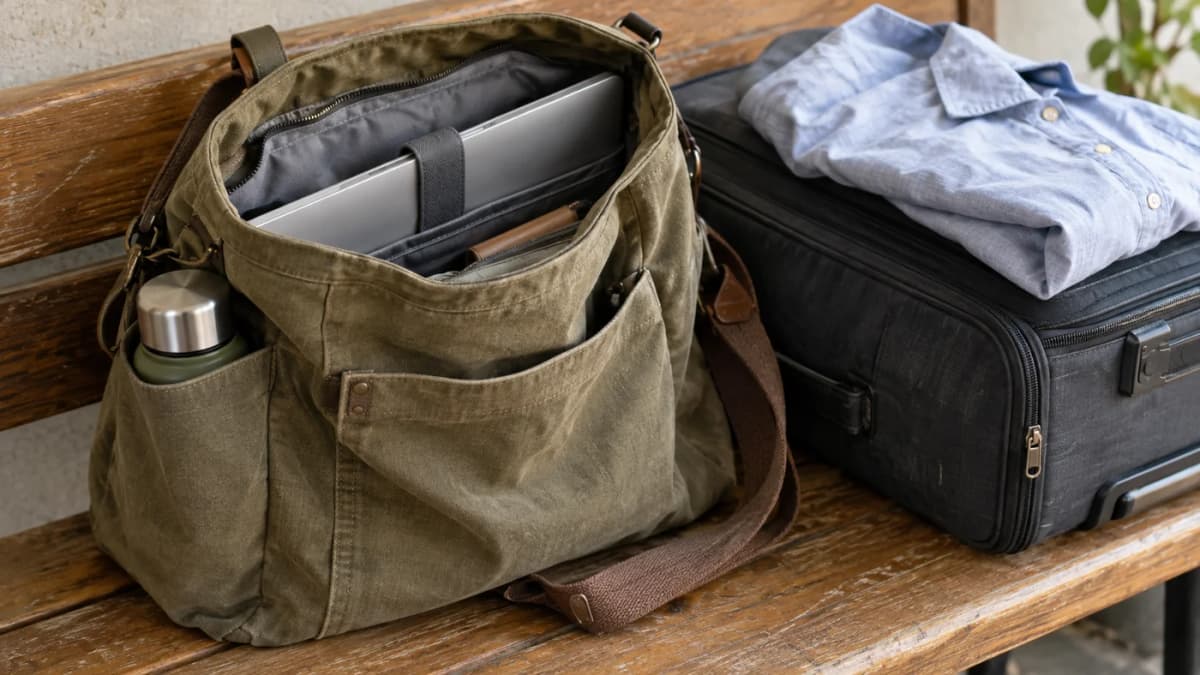
Roong Reuang Coach's baggage FAQ, checked in the browser on 14 September 2026, allows a small personal bag and one suitcase up to 20 kg without a baggage fee. The suitcase goes under the coach; the personal bag must fit the limited overhead space or sit on your lap without inconveniencing another passenger. Larger, heavier or extra items can incur fees.
For another operator, ask afresh. Send the dimensions if you are carrying a large case, folding wheelchair, stroller, golf bag or bicycle. If an additional seat is suggested for a bag, get confirmation that the arrangement is permitted and safely secured. Never block an aisle or emergency exit to make luggage fit.
Keep identification, medication, valuables and the essentials for your first evening in a small bag with you. Photograph or clearly label a suitcase going into the hold, and check the destination before staff load it.
Booking without unpleasant surprises
Before payment, read the journey details back as one sentence: “Two people, this date, this time, boarding here, getting off here, with these bags.” It sounds basic, but it catches the errors a low headline price can hide.
Save the confirmation offline, along with the operator's contact and boarding pin. Check whether the ticket needs to be exchanged at a counter and what identification to show. If booking through an agent, distinguish a booking request from a confirmed ticket.
Pay particular attention to changes, cancellations and late arrival. If a flight delay makes you miss the coach, contact the seller; do not assume the same ticket can be used on the next bus. For a fixed appointment or flight after the road journey, leave a substantial buffer for traffic and the transfer at the other end.
The last leg in Hua Hin
Ask your accommodation how best to reach it from the exact drop-off point. A stop convenient for central Hua Hin may be inconvenient for a stay farther south, and the reverse is also true. For late arrival, arrange a pickup with a confirmed meeting point rather than relying on a vague promise that taxis will be waiting.
Wear the seat belt provided. Bring water, an extra layer for air-conditioning and offline directions. Keep your phone charged, but do not make an important work call dependent on onboard Wi-Fi or a charging socket.
Still comparing the journey? Our train guide explains the two Bangkok departure stations. For short trips after arrival, see getting around Hua Hin without a car.
Frequently asked questions
How much is the Suvarnabhumi to Hua Hin coach?
The operator's route page checked on 16 September 2026 lists 361 baht per seat. Confirm the fare for your date and any booking or baggage charges before paying.
Does the airport coach stop in central Hua Hin?
The published Hua Hin terminal is on Phetkasem Road near Hua Hin Airport. Check your ticket's drop-off point and arrange the onward journey to your accommodation.
Can I take a large suitcase on a minivan?
Only rely on this after the specific operator confirms your bag's dimensions, weight, storage and any extra fee. If suitable space is unavailable, compare a coach or another vehicle.
Ananas Premium
Unlock Hua Hin's Best Property & Investment Insights
Enjoying our free content? Get unlimited access to premium articles, local market intelligence, member briefings, and exclusive checklists for ฿290 / $9.95 per month.
Sources & Verification
- 361 THB fare rechecked in headed browser 16 September 2026, approximate four-hour journey, first/last departure, airport pickup and Hua Hin terminal location — Roong Reuang Coach routeSource
- Small personal bag plus one suitcase up to 20 kg, conditions and excess fees; expanded browser FAQ verified — Roong Reuang Coach FAQSource
- Printed page 8 lists Ekkamai and Don Mueang services; explicitly treated as dated reference, not current timetable — Hua Hin municipality 2026–2027 tourism planSource
- Official operator entry point for current Transport Co. services — Transport Co.Source