Choosing a Hua Hin Neighbourhood: A Home-Viewing Checklist
Compare real Hua Hin addresses with a practical viewing checklist for noise, walking routes, internet, building condition and the full cost of a home.

Editors
Jun 21, 2026 · 6 min read
Status
You can visit two homes in the same Hua Hin neighbourhood and come away with completely different impressions. One bedroom faces a service road; the other faces a busy entrance. One building has a straightforward walk to the shops; the next requires a difficult crossing. A neighbourhood ranking will not reveal those differences.
Use this guide for the second stage of your search: comparing real addresses before you pay a deposit. For the broad location choices, start with our guide to Hua Hin's main residential areas. Here, the goal is a repeatable viewing process, not a claim that one district is safest, cheapest or certain to appreciate.
Write down your non-negotiables first
Choose the conditions that would genuinely rule out a home. They might include step-free access, a bedroom that works for daytime sleep, permission for your pet, a suitable work area or a manageable school journey. Keep the list short enough to use at every viewing.
Separate those conditions from preferences. A balcony may be lovely; a working lift may be essential. Do not let a property win on several small comforts while failing the one condition that makes daily life possible.
For a couple, write your lists separately and compare them before viewing. It is easier to discuss different routines now than after one person discovers they need a ride for every errand.
Visit at the times you would actually be there
A weekday morning viewing tells you little about the noise at bedtime. Revisit the street during an evening and, if weekend activity matters to you, at a relevant weekend time. Ask about nearby building works, deliveries and regular events, then distinguish what you observed from what someone told you.
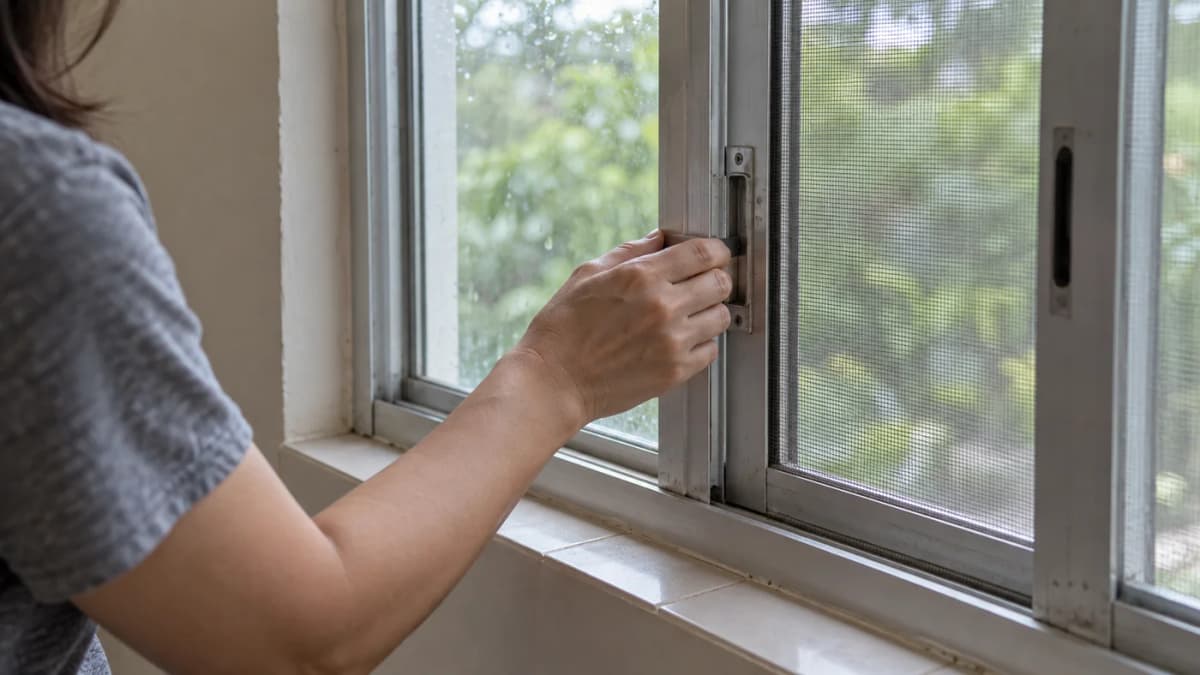
At the property, spend a few quiet minutes in the bedroom and intended work area. Open and close the windows. Check ventilation, window screens, locks and whether the room still suits you with the curtains drawn. Do not inspect wiring or other hazardous equipment yourself; raise concerns with a qualified professional.
Look for signs of leaks or damp and ask what was repaired, when and by whom. A viewing is not a structural survey, and fresh paint is not proof that an underlying problem has been fixed. Our weather guide helps you think about seasonal conditions, but cannot tell you whether an individual property floods.
The CDC explains that mould control requires fixing the moisture problem, not only removing the visible growth. Ask the owner to address concerns before you move in; do not accept repainting alone as evidence that the cause has been resolved.
Walk one ordinary errand
Pick a shop, meal stop or other service you expect to use frequently. Start at the actual building entrance, not the centre of the map pin. Walk the return route too. Note crossings, shade, steps, uneven surfaces and whether you would be comfortable carrying bags.
If you use a wheelchair, walking aid or pushchair, check the full route rather than just the lobby ramp. A lift inside the building does not solve an inaccessible pavement outside. Where a route is unsuitable, test a realistic alternative instead of assuming you will adapt.
Check a routine ride as well. The car-free transport guide is a starting point; it is not evidence that a particular driver or pickup will be available at your address.
Test the room you will work in
If work depends on reliable internet, ask which service actually reaches the unit and whether you can have your own connection. A building with fibre available does not prove that your rental includes a suitable active plan.
With permission, try your normal work device where you expect to sit. Check whether a call is usable and whether neighbouring noise would be a problem. A single speed test is only a snapshot, so ask about recurring interruptions and your backup option.
Our home internet guide explains the questions to ask about installation, contracts and coverage. Do not give a deposit on the strength of an unverified promise that service will arrive later.
Compare the whole housing cost
Request an itemised written offer covering rent, deposit, advance payments, utilities and any services you must pay for. Clarify cleaning, parking, internet, garden or pool care where relevant. Ask how meter readings and bills are documented and how responsibility for repairs is divided.
Use the same proposed dates and lease length for each quote. A daily holiday rate and a long-lease monthly rate are different products. The cost-of-living worksheet helps you include transport and recurring extras without double-counting them.
Before signing, understand the agreement, identity and authority of the person receiving money, cancellation or early-exit terms, and deposit-return process. Obtain appropriate independent advice when something is unclear. This checklist does not determine your legal rights or whether a particular contract is compliant.
Use a small scorecard, with evidence beside each score
For every shortlisted address, mark each category as “works”, “needs checking” or “does not work”. The middle option matters: an unanswered question should not quietly become a positive score.
- Daily access: the route you walked and the journey you tested.
- Sleep and work: the rooms checked and the times visited.
- Building condition: visible concerns and any professional follow-up needed.
- Practical rules: written confirmation of essential permissions and services.
- Total cost: the dated quote, exclusions and likely transport spending.
Keep notes and photographs with permission. After three viewings, memory tends to merge the good kitchen from one home with the quiet bedroom from another. Record the unit identifier, not just the building name.
Keep a home decision separate from an investment forecast
A pleasant area is not evidence of a particular rental yield or annual price increase. Neither is a planned project mentioned in a sales pitch. Ask for the source, date and scope of every numerical claim, and distinguish asking prices from completed transactions.
If you are considering buying, read our guide to interpreting local property claims and arrange independent due diligence. National indices and broad regional averages cannot certify the future performance of the unit you are viewing.
The best shortlist is usually the one you can explain in ordinary terms: this route works, this room is quiet enough, these charges are clear. If you still have important unanswered questions, resolve them before paying, even when someone says another viewer is interested.
Frequently asked questions
Can I choose a Hua Hin home from a neighbourhood ranking?
Use area guides to narrow the search, then compare actual addresses. Access, noise, building condition and total cost can differ between nearby homes.
What should I check during a second viewing?
Return at a different relevant time, test an ordinary journey, revisit the bedroom and work area, and resolve the unanswered questions from the first viewing.
Does a popular neighbourhood guarantee investment returns?
No. Popularity does not establish a future price increase, occupancy rate or net yield. Check the evidence behind claims and obtain independent property-specific due diligence.
Ananas Premium
Unlock Hua Hin's Best Property & Investment Insights
Enjoying our free content? Get unlimited access to premium articles, local market intelligence, member briefings, and exclusive checklists for ฿290 / $9.95 per month.
Sources & Verification
- Address moisture problems alongside mould; no structural survey or diagnosis claimed. — CDC — MoldSource