Renting in Hua Hin: What to Check Before Signing a Lease
A practical rental checklist for Hua Hin: verify the landlord, compare total costs, record condition, check applicable protections and plan your move-out.

Editorial Team
Aug 30, 2026 · 7 min read
Status
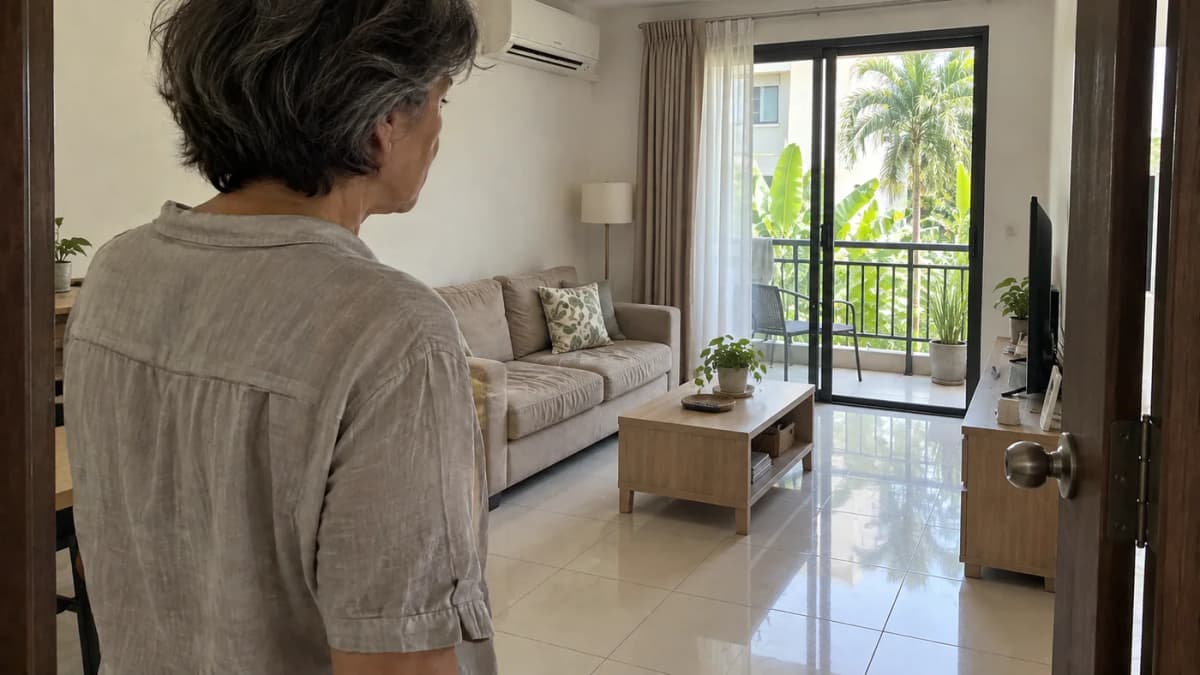
A rental viewing in Hua Hin can go well while leaving the expensive questions unanswered. Who fixes the air conditioner? What is charged for electricity? Can you leave early? Getting those answers in writing matters more than a promise that the place is “perfect for expats.”
This guide covers longer residential stays, not hotel bookings. It is a practical checklist, not a rent survey or individual legal advice. Contract terms and the rules applying to a particular landlord need checking before you pay.
Choose an address that works on an ordinary Tuesday
Start with the trips you actually make: groceries, work, school, healthcare and seeing friends. Our Hua Hin home-viewing checklist helps test an address instead of relying on a neighbourhood label. Walk the route from the entrance, not just the distance shown on a map.
Visit again at a different time if you can. Listen for traffic, deliveries and nearby building work. Ask which parking space belongs to the home, whether visitors can park and how you get back after an evening out. A sea view tells you nothing about a legal route to the beach.
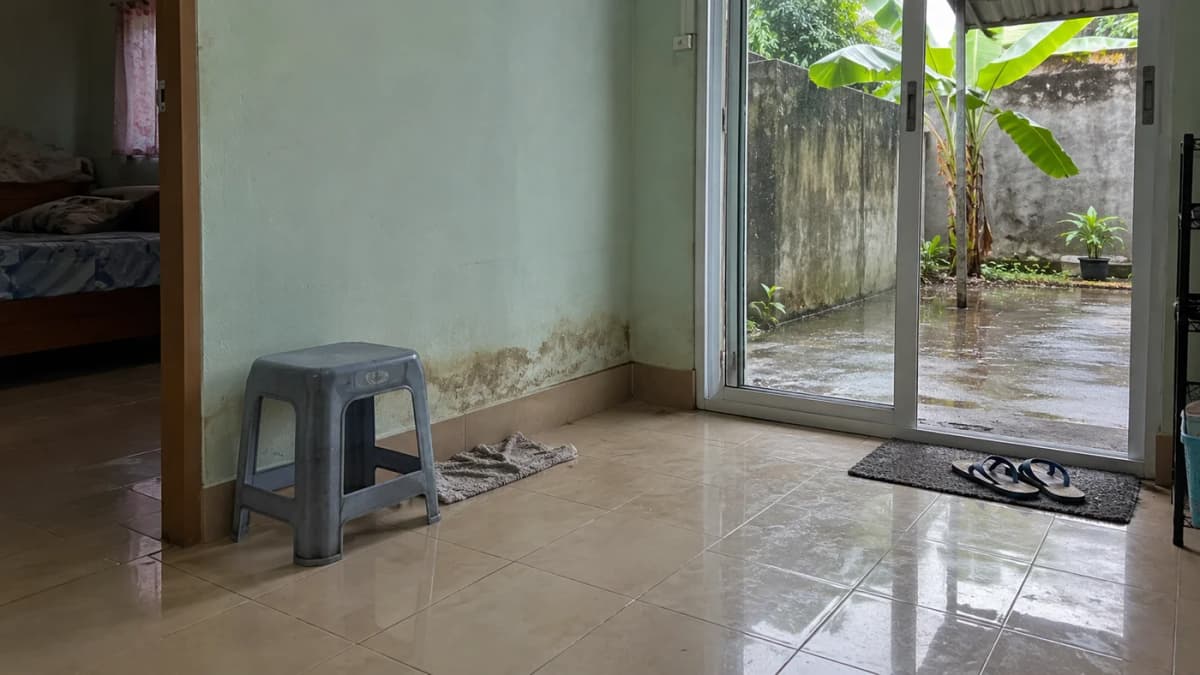
Check the approach after ordinary rain when it is safe. Ask about previous water entry, drainage and road access, then look for repair records rather than accepting a reassuring answer alone. The Thailand flood-preparedness guide explains what to plan at home; do not enter floodwater to test a rental.
Know who is taking your money
Ask for the landlord's legal name, a reliable contact and evidence that they own the property or are authorised to let it. With an agent, establish who they represent and who signs the agreement. Confirm the unit number against the home you viewed.
Get the full draft lease before a reservation payment. If a holding payment is requested, agree its purpose, recipient, deadline and refund conditions in writing. Check the bank-account name independently. A listing, passport photo or friendly chat is not enough to establish authority.
Keep a signed agreement, inventory and receipts. If versions are in different languages, have someone independent explain any differences and the clause saying which version controls. Never sign blank attachments or leave the rent, dates or deposit amount to be filled in later.
Compare the total cost, not the headline rent
Request a single written breakdown of rent, security deposit, advance rent, utilities, internet, parking, cleaning, any agent charge and optional services. Ask which payments are refundable. An agent fee is not automatically the tenant's responsibility simply because an agent arranged the viewing.
Here is a hypothetical calculation, not a Hua Hin price quote: at 20,000 baht a month, a two-month deposit of 40,000 baht plus the first month's rent of 20,000 baht totals 60,000 baht upfront. If that advance payment covers month one, do not count “first month” again. This example does not establish a lawful deposit limit for your landlord.
For bills, ask who holds the accounts, how meter readings are recorded and whether an invoice includes extra charges. Request a recent bill with personal details concealed. Establish how an old occupant's arrears are separated from your usage. Put ongoing costs into your monthly Hua Hin budget, including transport and cooling, before deciding the rent is affordable.
Which rental protections apply?
OCPB's May 2026 guidance describes controlled-contract requirements for operators renting three or more residential units, including units across different buildings, to individual tenants. Hotels and legally regulated dormitories are excluded. A private owner letting one home is not automatically covered by that business-specific rule.
For covered operators, that guidance prohibits electricity and water charges above the provider's actual rate. It also points to different standard forms for short- and long-term agreements. Ask which framework applies to your lease; do not treat something an agent calls “standard practice” as legislation.
OCPB's published Form A rental-contract example provides for deposit return within seven days where inspection finds no tenant damage, and within fourteen days after actual damage deductions, measured from contract end and repossession. Those are provisions of that covered form, not a universal deadline for every tenancy. Have the applicable rules checked if the agreement differs.
Make the viewing a practical test
- With permission, run the air conditioner and taps, flush toilets and check accessible lights and locks. Ask who services the equipment and how repairs are reported.
- Look inside accessible cupboards and around windows for damp smells, staining or fresh patches of paint. Ask what caused a repair and whether the underlying problem was fixed.
- Check furniture, mattresses, appliances, screens and curtains against the proposed inventory. Photograph existing damage with the landlord's agreement.
- Test the actual mobile signal and ask about the installed internet service. A router in the room does not prove an active connection or a suitable work setup.
- Read building rules on pets, visitors, smoking, deliveries and shared facilities. Confirm access cards, keys and emergency contacts.
Do not open electrical panels, dismantle appliances or climb to inspect a roof. If a concern needs technical assessment, ask a qualified person. Someone planning to buy later can use our 47-point property due-diligence checklist to distinguish viewing questions from professional checks.
Write down repairs, entry and an early exit
List any repairs promised before move-in, who pays and when they must be completed. Identify an alternative contact when the owner is away. Agree how a breakdown affecting ordinary use will be handled; don't assume the landlord has promised temporary accommodation or an automatic rent reduction.
The lease should explain entry for inspections and repairs, notice arrangements and emergencies. Ask for a reasonable written process rather than accepting unrestricted access or assuming a universal notice period.
Read the fixed term, renewal procedure, notice method and early-termination provisions together. Ask what happens if your work, visa plans or purchase timetable changes. If renting while waiting for a development, the off-plan property guide explains why a promised handover date should not be your only housing plan.
Before moving in, arrange TM30 and the handover record
For foreign residents, ask who will handle the accommodation notification and how you will obtain confirmation. Official Immigration Office guidance describes the Section 38 requirement for the responsible host, owner or possessor to report a foreigner's arrival within 24 hours using TM30. Confirm your circumstances and current procedure with local immigration; TM30 is not a visa or a substitute for other reporting duties.
At handover, record the meter readings, keys, access cards and condition of the home. Share dated photos and have both sides acknowledge the inventory. Keep copies somewhere you can reach after you leave Thailand.
Plan the deposit return before the final week
Arrange a joint exit inspection, photograph the same areas and obtain final utility figures. Ask for written itemisation and supporting evidence for deductions. Get confirmation of returned keys and a payment date. Normal wear and a broken item caused by the tenant are different issues; record the facts rather than agreeing an unexplained cleaning or replacement bill.
If a disagreement persists, keep the lease, receipts and messages together. OCPB can be contacted through its official site or hotline 1166 for consumer guidance; availability of a remedy depends on the facts. For a significant dispute, use an independent Thai lawyer. Neither a complaint nor a strongly worded message guarantees repayment.
Frequently asked questions
Is a two-month rental deposit always legal in Hua Hin?
No single answer covers every landlord and lease. Check whether the operator falls under OCPB's residential rental rules and which contract form applies before paying.
What should I record when moving into a rental?
Keep the signed lease, acknowledged condition inventory, dated photographs, meter readings, key and access-card list, payment receipts and repair commitments.
Should an advance rent payment be counted twice?
No. If the advance covers your first month, it is the first month's payment, not an additional rent charge. Ask the landlord to identify the period covered by every payment.
Ananas Premium
Unlock Hua Hin's Best Property & Investment Insights
Enjoying our free content? Get unlimited access to premium articles, local market intelligence, member briefings, and exclusive checklists for ฿290 / $9.95 per month.
Sources & Verification
- OCPB explains which rental operators are covered, the hotel and dormitory exceptions, utility-charge restrictions and the different standard contract forms. — OCPB — May 2026 controlled-contract guidanceSource
- Form A sets seven- and fourteen-day deposit-return provisions after termination and repossession, depending on tenant damage. Check whether this form applies to your tenancy. — OCPB — Form A residential rental example, published June 2026Source
- Section 38 accommodation reporting is the responsible host's, owner's or possessor's duty. Confirm the current TM30 procedure for your circumstances with local immigration. — Immigration Office via Thailand.go.th — Section 38 accommodation notificationSource