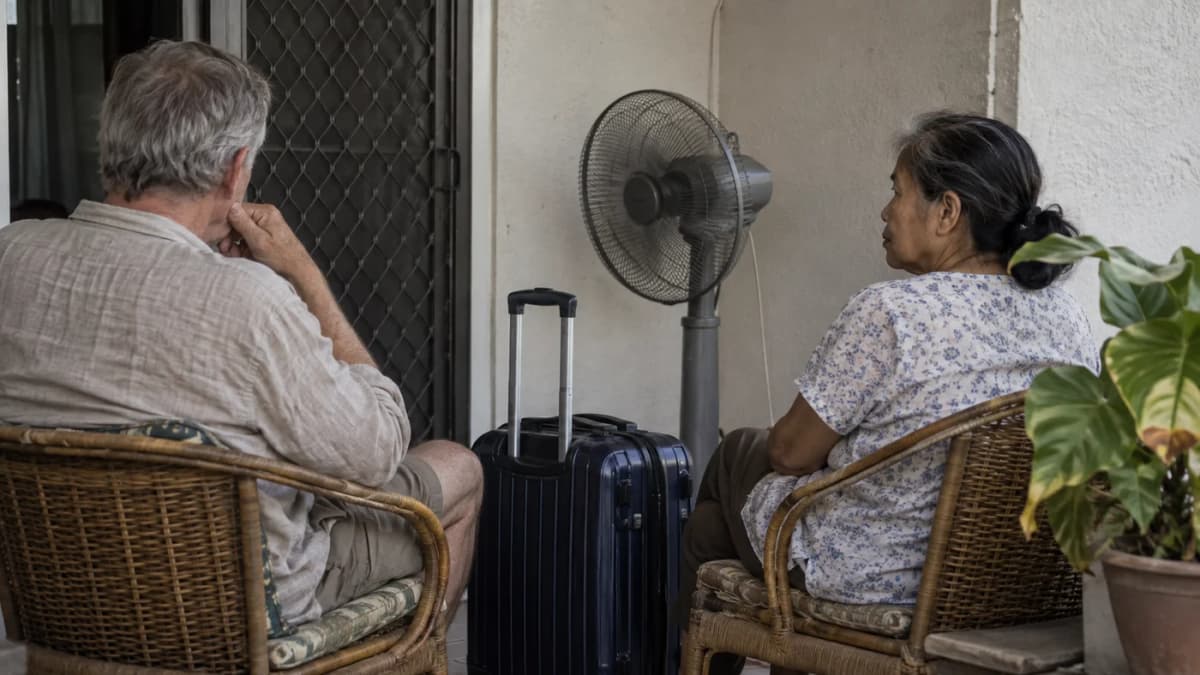
Returning Home After a Flood in Thailand: A Safe Recovery Checklist
The water is gone, but is your home ready? A practical checklist for returning safely, documenting damage and avoiding quick repairs that leave damp and mould behind.

Editorial Team
Oct 7, 2026 · 6 min read
Status
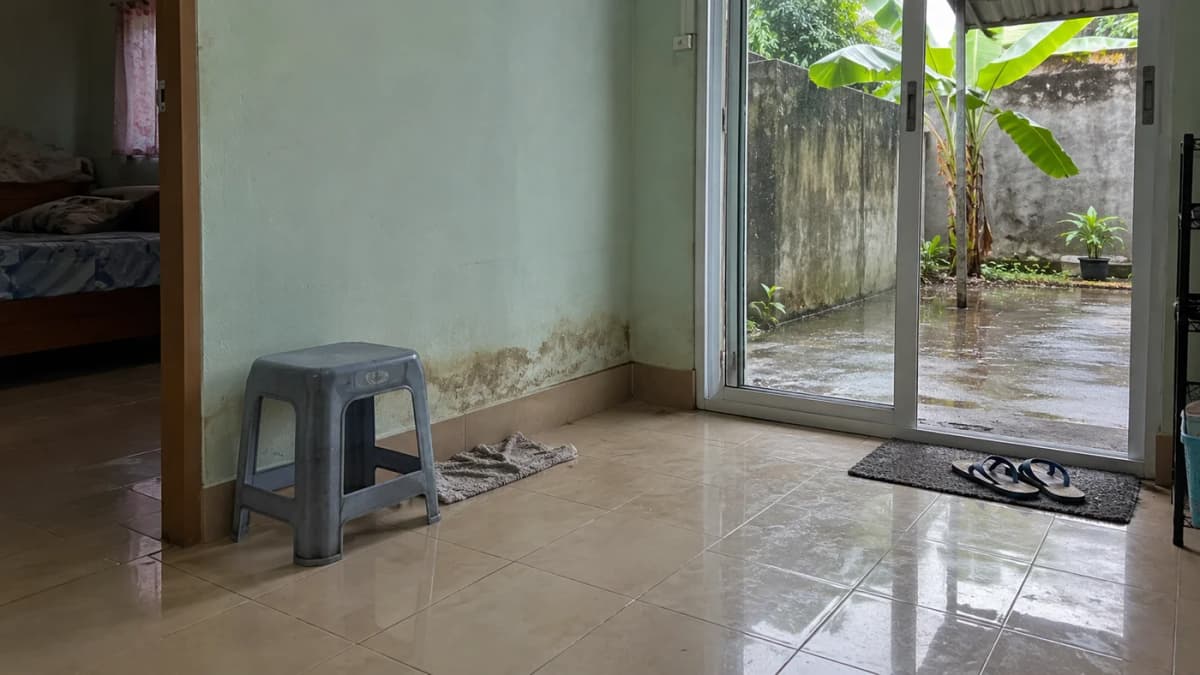
The water has gone, the road is open, and you want your home back. That is understandable. It is also the point when a damaged socket, a damp mattress or mould behind a wardrobe can turn a short disruption into a longer problem.
Thailand's government published a rain warning for Bangkok and nearby areas covering 4–7 October 2026. This guide is about what comes after water damage, not a live map of flooded streets. Check local instructions for your address. If water is still rising, use our flood preparation and evacuation guide first.
Ask whether you can return, not just whether you can get there
Follow local clearance before returning. The CDC's returning-home guidance says obvious structural damage needs professional assessment. Do not enter a building with damaged walls, fallen wires or other clear hazards. Never operate wet electrical controls or appliances, or touch them while standing in water.
For a condo, ask management about your unit and the shared systems separately: electricity, water, lifts, access and fire escape routes. An upper-floor room can be dry while the building is still unable to provide essential services. For a rented house, agree the first inspection with the owner rather than unlocking the door and starting repairs alone.
Useful questions are specific: Has a qualified electrician checked the affected installation? Is the water supply usable under local advice? Which parts of the property remain closed? Who is arranging the inspection? A message saying “everything looks fine” does not answer those questions.
Record the damage before the cleanup
When entry is safe, take a short set of wide photographs, then closer views of affected items. Include the room, item and visible damage together where possible. Save the originals, make a simple inventory and contact your insurer before discarding possessions, as the CDC recommends. Do not delay urgent safety measures to stage photographs.
For each item, note what it is, where it was, whether water reached it, and any receipt or model number you already have. Keep messages with the owner, management and insurer in one folder. Our document organisation guide helps with a restricted backup and offline copies.
Ask the insurer what evidence it needs, whether an inspection is required and how to record emergency work. Cover depends on the policy. A building policy, a landlord's policy and your own contents cover are not interchangeable. Ask the owner who is commissioning each repair and put the agreed scope in writing; this article cannot decide a rental or insurance dispute.
Make a salvage list, not a shopping list
| What you find | Next sensible step |
|---|---|
| Wet socket, appliance or electrical cabinet | Keep away and arrange a qualified assessment; looking dry is not clearance to use it. |
| Soaked mattress, upholstered furniture or other absorbent item | Ask whether it can be safely cleaned and dried; removal may be necessary. |
| Mould or a musty smell around an air conditioner | Keep a suspected contaminated system off and get an appropriate inspection. |
| Water entering again after rain | Have the source fixed before paying for cosmetic repairs. |
The EPA's home mould guidance distinguishes hard surfaces from porous materials that can be difficult to restore. It advises professional help where sewage or other contaminated water caused the damage. Extensive damage is not a sensible first DIY project, even if cleaning supplies are easy to buy.
Ask a contractor what will be removed, what will be cleaned, how hidden moisture will be checked and how the original leak or entry point will be repaired. “Spray, repaint and deodorise” is not a complete answer. Do not paint over mould, or run an air-conditioning system suspected of contamination.
Drying comes before making the room smell nice
The CDC recommends cleaning and drying flood-affected homes within 24–48 hours where possible. That is a reason to act promptly once access is safe, not an instruction to ignore evacuation orders or reconnect wet equipment.
For mould cleanup, use appropriate protection, including gloves, goggles and at least an N95 respirator, following the homeowner and renter guidance. Keep children away from the work. Anyone with asthma, chronic lung disease or a weakened immune system should discuss exposure concerns with a clinician and avoid taking on the cleanup.
Once power and equipment are professionally cleared, discuss ventilation and drying with the contractor. In a humid climate, leaving everything open indefinitely is not automatically enough. Ask how moisture in walls, cupboards and other affected areas will be assessed before they are closed up again. Never mix bleach with other cleaners; follow the product label rather than improvising a stronger solution.
A scented candle, charcoal bag or freshly painted wall can change the smell without solving the water problem. The EPA puts moisture control at the centre of mould prevention. Repairing the source matters more than finding a product with an impressive label.
Decide where you will sleep during the work
Do not treat the first night back as proof the property is ready. Ask whether cleanup is complete, damaged materials have been handled and essential services are safe. If work is still under way, agree temporary accommodation with the people responsible where applicable, without assuming a particular party is legally obliged to pay.
Keep a small bag ready even after returning. Save the owner or manager's number and note who will respond if the next shower reveals another leak. Arrange a follow-up inspection rather than signing off simply because the visible floor is clean.
The CDC does not recommend routine home mould testing as a substitute for removing mould and fixing moisture. Visible mould or a musty smell needs attention; you do not need to identify its colour or species first. Seek medical advice for exposure-related health concerns, and urgent help for breathing difficulty. Our Hua Hin emergency guide explains local medical contacts.
Common questions
Can I switch on an appliance once it looks dry after a flood?
No. Keep flood-affected electrical equipment disconnected and have a qualified professional assess it. A dry-looking exterior does not establish that the equipment or installation is safe.
Should I paint over a water stain or mould to finish the repair?
Not before the moisture source and affected material have been properly addressed. Painting over mould is not cleanup, and a cosmetic repair can hide a problem that returns with the next rain.
Is an upper-floor condo ready to occupy as soon as the room is dry?
Not necessarily. Ask management about electricity, water, lifts, access and escape routes as well as the unit itself. Follow local clearance and any professional assessment of the building.
Sources checked on 6 October 2026. General recovery guidance, not a live flood warning or a substitute for a professional building, electrical or medical assessment.
Ananas Premium
Unlock Hua Hin's Best Property & Investment Insights
Enjoying our free content? Get unlimited access to premium articles, local market intelligence, member briefings, and exclusive checklists for ฿290 / $9.95 per month.
Continue reading
Sources & Verification
- rain warning for Bangkok and nearby areas covering 4–7 October 2026 — thailand.go.thSource
- CDC's returning-home guidance — www.cdc.govSource
- EPA's home mould guidance — www.epa.govSource
- CDC recommends cleaning and drying flood-affected homes within 24–48 hours where possible — www.cdc.govSource
- homeowner and renter guidance — www.cdc.govSource
- EPA puts moisture control at the centre of mould prevention — www.epa.govSource
- CDC does not recommend routine home mould testing — www.cdc.govSource