Emergency Help in Hua Hin: Numbers, Hospitals and What to Do
Who to call, what to say and how to prepare: a practical emergency guide with verified numbers, clear hospital names and no promised response times.

Editors
Jun 25, 2026 · 7 min read
Status
If someone is seriously ill or injured in Hua Hin, call 1669 for emergency medical help now. Do not wait for an insurance authorisation or spend time comparing hospital prices. For immediate police help call 191; for a fire call 199.
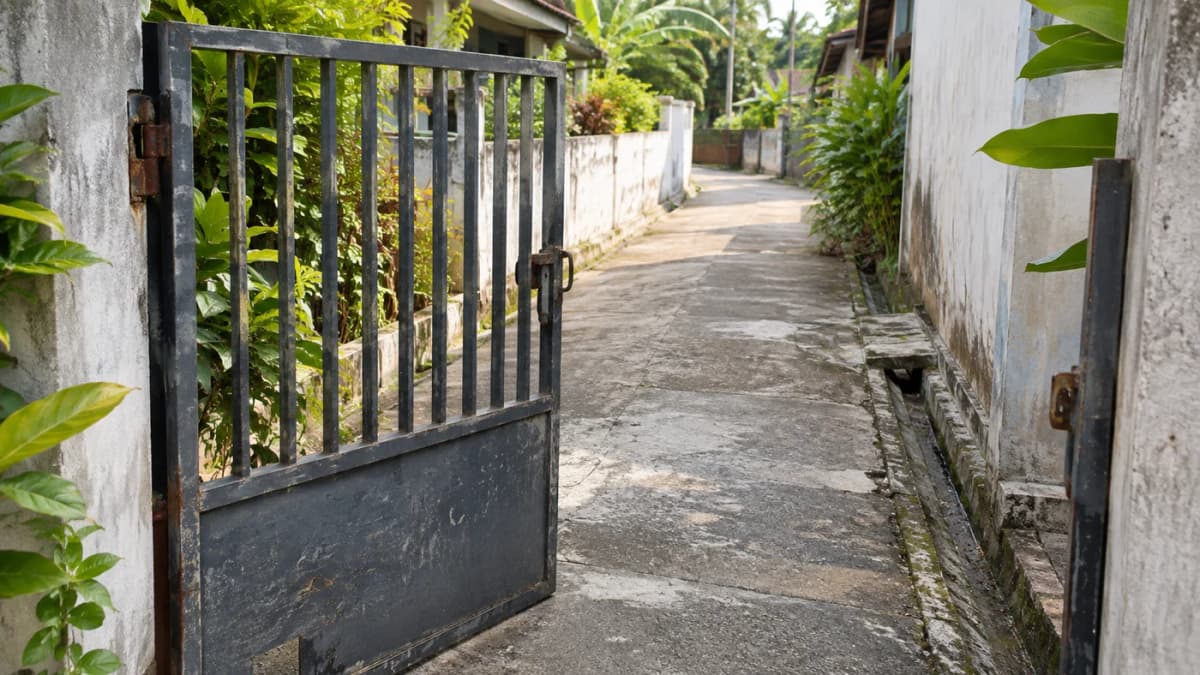
The difficult part of asking for help abroad is often explaining where you are. A condo's marketing name may not match the name on its entrance. A beach access road may have no obvious number. Saving a few details before you need them is more useful than trying to memorise every clinic in town.
Four numbers to save
- 1669 — Ambulance: emergency medical help and ambulance coordination.
- 191 — Police: police and general emergencies.
- 199 — Fire: fire emergencies.
- 1155 — Tourist Police: visitor assistance, including help with communication.
These are the numbers in the Thai government's assistance directory. Tourist Police can help a visitor navigate a problem, but 1155 should not replace the medical emergency call when someone needs an ambulance. If a call will not connect, ask reception, security or another nearby person to call immediately; do not assume every foreign SIM or internet-calling app supports Thai short codes.
What to say when you call 1669
Start with the location and what has happened. Keep the phone available for questions and a callback. The National Institute for Emergency Medicine's response guidance includes obtaining the incident location, symptoms and whether the person is conscious and breathing normally.
- Where: Hua Hin, the road or soi, building name, floor and room, plus an obvious landmark or entrance.
- What: a short description such as a fall, a road collision or difficulty breathing. Say how many people need help.
- Current condition: tell the dispatcher whether the person responds and whether breathing seems normal. Say if there is a continuing danger.
- Contact: give a callback number and follow the dispatcher's instructions.
A simple opening could be: “Ambulance, please. Hua Hin. I am at [address and entrance]. One person needs help. My phone number is [number].” This is a call template, not a substitute for answering the operator's questions.
If language is getting in the way, ask a nearby Thai speaker to help while you stay with the person. A hotel receptionist can explain the correct entrance much faster than a visitor searching a map. If another person is available, send them to meet the responders without leaving the patient alone unnecessarily.
Stay out of traffic, smoke, fire and electrical hazards. Tell the operator if the person's condition changes. Follow their first-aid instructions; do not improvise treatment from a travel article.
Which Hua Hin hospital is which?
Hua Hin Hospital is the government hospital. San Paulo Hua-Hin Hospital is private, as is Bangkok Hospital Hua Hin. The Australian Embassy's hospital directory distinguishes all three. The similar names have caused confusion, so use the full name when discussing an appointment, insurance or a destination.
Bangkok Hospital Hua Hin lists a 24-hour Trauma and Emergency Center and its direct number, 032 616 888, on the centre's own page. This is a hospital contact, not evidence that a private ambulance will arrive sooner than one coordinated through 1669.
For non-urgent planning, use our Hua Hin hospital guide to check providers and contacts. Confirm that the service you need is available; a hospital's general opening hours do not mean every specialist is on site around the clock.
In an emergency, describe any insurance information and hospital preference to the medical team, but let them assess the appropriate destination and any need for transfer. There is no reliable rule that a visitor without insurance is automatically sent to one particular hospital. Nor can an article promise a response time or decide which facility can handle a specific patient that night.
Insurance comes next, not before urgent help
Once help is being arranged, contact your insurer's assistance service promptly. A companion can do this while you speak to emergency services. The FCDO's Thailand health advice also stresses contacting the insurer quickly when referred for treatment and having adequate cover for treatment and possible evacuation.
Ask the insurer which hospital contact should handle the case, whether direct billing can be arranged, which documents are needed and what you may have to pay yourself. Direct billing is an arrangement to confirm, not a benefit to assume because a hospital displays an insurer's logo.
Keep the policy number, assistance number and an emergency contact accessible offline. Do not rely on a password-protected inbox that only the patient can open. Our health-insurance checklist explains the cover questions to settle before an incident.
We do not publish a universal ambulance fee, emergency-room deposit or treatment price here. Costs depend on the service and circumstances. When the situation allows, request an explanation of charges and keep itemised bills, medical reports and receipts. Do not delay urgent help while trying to obtain a quote.
Police, fire and a problem that is not medical
If a crime is happening or someone is threatening you, get to safety and call 191. Call 199 for a fire, give the location and follow evacuation instructions. Do not go back inside to collect a passport or take pictures.
For a non-immediate visitor problem, such as needing help communicating about a dispute, contact Tourist Police on 1155. Save messages, booking details and receipts where relevant. Ask how to obtain a report or reference number; do not assume that an informal conversation is the same as filing a complaint.
After a road collision, medical help takes priority over photographs and arguments about fault. Contact the vehicle insurer and rental company when safe. The driving guide covers the documents and rental checks worth preparing beforehand.
Make a small emergency information sheet
Put a paper copy somewhere easy to find and keep a second copy on your phone. Include:
- Your full accommodation address in Thai and English, entrance instructions and a map pin.
- A local contact, building security or reception number.
- Your medicines, known allergies and relevant medical conditions, kept up to date.
- Your insurer's assistance number and policy details.
- A person you want contacted if you cannot communicate.
Ask the accommodation staff where responders should enter and how to reach your floor after hours. At a villa, check that a helper could identify the right gate. If you live alone, agree with someone you trust how to get help if you miss an expected check-in.
Quick answers
Should I call my insurer before an ambulance?
Not when urgent medical help is needed. Call 1669 first and contact the insurer promptly once help is being arranged, or ask a companion to make that call.
Is San Paulo the public hospital in Hua Hin?
No. San Paulo Hua-Hin Hospital is private. Hua Hin Hospital is the government hospital; use the full hospital name when checking appointments or insurance.
Can this guide tell me how long an ambulance will take?
No. Location, access, demand and the incident affect the response. Give the dispatcher clear directions, keep your phone available and report any change in the person's condition.
Reviewed September 2026. Incorrect hospital classifications, unsupported contacts and response-time claims in the previous version have been removed. This guide helps you contact services; it is not medical triage or a guarantee of treatment costs.
Ananas Premium
Unlock Hua Hin's Best Property & Investment Insights
Enjoying our free content? Get unlimited access to premium articles, local market intelligence, member briefings, and exclusive checklists for ฿290 / $9.95 per month.
Sources & Verification
- Emergency ambulance, police, fire and Tourist Police short codes. — Thai Government PRD — assistance hotlinesSource
- Location, symptoms, consciousness and breathing information for emergency calls. — NIEMS — emergency response guidanceSource
- Distinguishes Hua Hin government hospital from San Paulo and Bangkok Hospital private facilities. — Australian Embassy — hospital directory, August 2025Source
- 24-hour emergency centre and direct contact 032 616 888. — Bangkok Hospital Hua Hin — Trauma and Emergency CenterSource
- Prompt insurer contact and appropriate treatment/evacuation cover. — FCDO — Thailand health adviceSource