Hua Hin Food Guide: Breakfast, Thai Meals and Night Markets
Plan breakfast, a sit-down Thai meal and a market dinner with useful addresses, opening-time checks and straightforward ordering advice.

Editors
Jun 23, 2026 · 7 min read
Status
You can eat well in Hua Hin without hunting for a hidden stall or proving that you are the only visitor in the room. A useful food plan starts with the meal you want: breakfast at a fresh market, a sit-down Thai lunch, a cafe stop or dinner among evening stalls.
Here are specific places and formats to help you make that choice. Addresses and operating information come from official tourism listings or the business itself, checked on 14 September 2026. This is a researched guide, not a claim that we have personally eaten every dish mentioned.
Breakfast: start with Chatchai Market
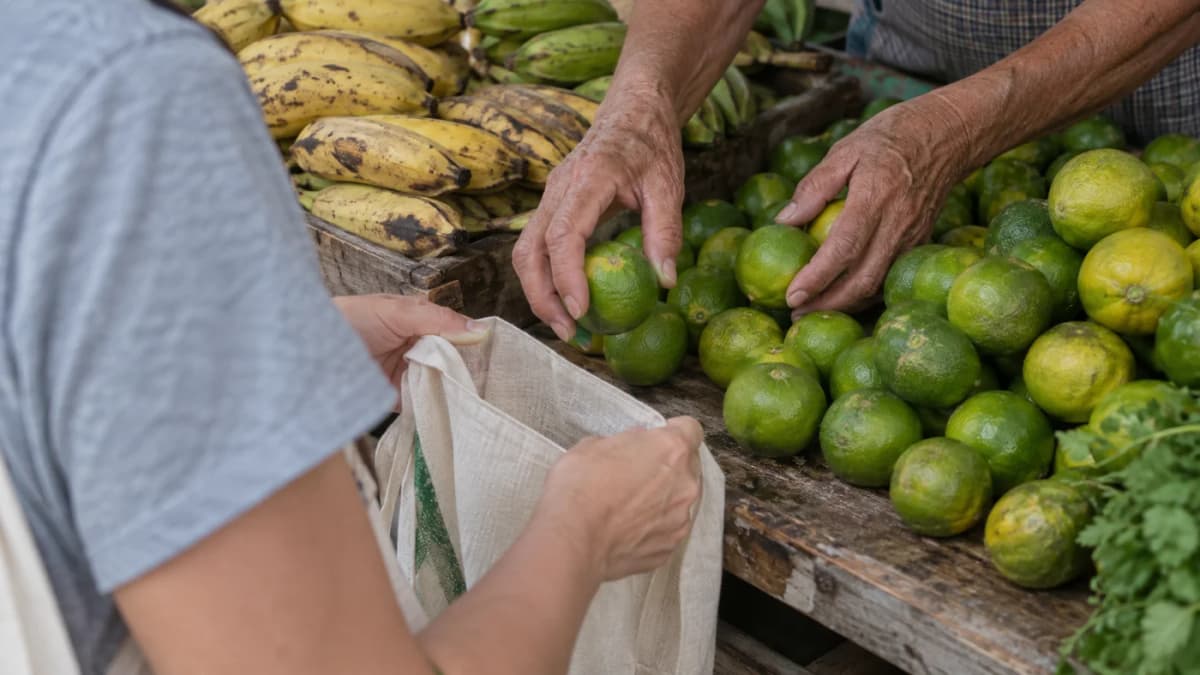
Chatchai Market, also written Chat Chai, is on Phetkasem Road between Hua Hin Soi 72 and Soi 74. Look for its row of seven curved roof sections. It is a fresh market, not another name for Cicada or Tamarind.
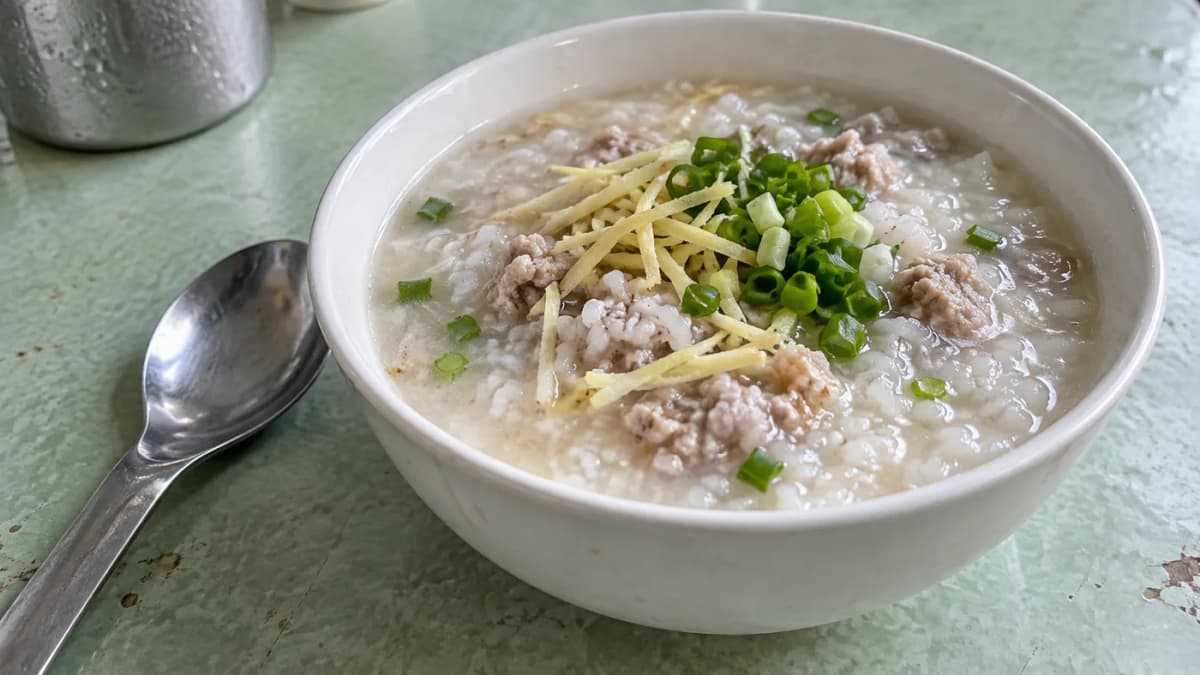
The Prachuap Khiri Khan provincial listing describes breakfast choices including rice porridge, rice with curry, pa thong ko, coffee and soy milk. That gives you a more useful starting point than an unnamed “locals-only” shop with no verifiable address.
Choose the stall by what it is serving that morning. If you want a small breakfast, ask for a bowl of porridge or a modest portion before adding other things. If you are hungry for something more substantial, look at the cooked dishes available with rice and ask what is in them.
Stall hours and selections vary, so do not arrive with a guarantee of one particular dish. Save the Chatchai pin rather than a generic search for “morning market.” A market visit also involves shopping and deliveries; keep passageways clear and ask before photographing a vendor closely.
A sit-down Thai meal: Ko Mark
Ko Mark is a concrete option when you want a table and a Thai or seafood menu. Its official LINE business page gives the address as 6/381 Soi Muban Bo Fai, Hua Hin Soi 30, off Phetkasem Road.
The business lists daily service from 11am–4pm and 5pm–9pm. The afternoon break matters: a late lunch is not the same as arriving at any time before dinner. Check the business page or call ahead for a special trip, a large group or a holiday visit.
For a shared meal, ask how many people a dish serves before ordering several mains. One vegetable dish, a main and rice might be a starting order for a small group, but portion size and appetite should decide. Ask which seafood is available and how it is priced; a business listing does not establish today's menu or catch.
We include Ko Mark because its location and service information can be checked, not because of an invented taste test or a claim that it is the cheapest restaurant in town.
A cafe or mixed-menu stop: Air Space
If your group wants different kinds of food, Air Space offers another format. The Tourism Authority of Thailand describes it as a restaurant and cafe serving Thai and Western food, at 12/399 Hua Dorn, Nong Kae, Hua Hin.
Use that address when planning the day; this is not a substitute for a central-market breakfast a few steps from every hotel. Check the current menu and service times before travelling, especially if you want the restaurant rather than just the cafe.
A mixed menu can be useful when one person wants Thai food and another would prefer something familiar. There is no need to turn lunch into a test of adventurousness. Equally, the presence of Western dishes says nothing by itself about how well the Thai dishes are prepared.
Dinner: choose the right market for your evening
For a central-town evening, start with the Dechanuchit night-market guide. It explains how to check a seafood order and keep souvenir browsing from taking over dinner.
If you are planning a southern Hua Hin outing, compare Cicada and Tamarind's published opening days first. A market recommended for a weekend is not necessarily a Tuesday dinner option.
At any market, take a look before buying. If your group orders separately, agree where you will sit and check the seating rules. Start with less food than you think you need; another small order is easier to manage than several cooling plates.
A short menu guide
These names help with reading menus. Recipes and ingredients vary, and the list does not mean every place above serves every dish.
- Jok: rice porridge with a soft, thick texture. Ask about meat, egg, broth and toppings rather than assuming it is plain rice.
- Khao man gai: chicken with seasoned rice, usually accompanied by sauce and soup. Check the whole serving if you have dietary restrictions.
- Pad krapao: a holy-basil stir-fry, often offered with a choice of protein and rice. Ask about chilli before ordering.
- Som tam: a pounded salad commonly based on green papaya. Ingredients and spice levels vary; it is not automatically vegetarian or seafood-free.
- Pa thong ko: fried dough pieces, often eaten at breakfast. Check accompaniments and preparation if ingredients matter to you.
Spice, allergies and safer choices
Ask for less chilli before cooking, and check whether chilli is already in a prepared sauce or paste. “Mild” is a preference, not a reliable promise of no chilli. A photograph can help identify a dish, but it cannot establish its ingredients.
For a food allergy, explain the actual ingredient and ask about sauces, broth and shared equipment. Use a professionally checked translation if language is a barrier. If the answer is uncertain, choose another place; removing a garnish does not solve an ingredient or cross-contact problem.
The CDC's travel guidance advises avoiding street vendors. If you choose street food, it recommends food cooked and served steaming hot and avoiding raw vegetables. Raw seafood, including seafood dressed with citrus, also carries risk. A popular stall is not a safety certification.
Budget from the menu, not a made-up average
Before ordering, check whether a price covers one plate, one person or a shared portion. For seafood, establish whether the figure is per piece or per weight. Add rice, drinks and any stated service charge or tax to your comparison.
A cheap-looking main can be poor value for you if the portion is too small or the trip requires two car rides. A nearby restaurant with a clear menu may suit the day better. Keep a few options near your accommodation and use our transport guide for meals farther away.
You do not need a different venue for every meal. Find a breakfast you enjoy, keep one dependable sit-down option and leave a little space for something that looks good that evening.
Frequently asked questions
Where can I look for a Thai breakfast in central Hua Hin?
Chatchai Market on Phetkasem Road between Hua Hin Soi 72 and Soi 74 is a practical starting point. The provincial listing describes rice porridge, rice with curry, pa thong ko, coffee and soy milk; individual stalls vary.
Does Ko Mark serve food continuously through the afternoon?
Its official LINE page lists service from 11am to 4pm and 5pm to 9pm daily, with a break between the sessions. Check for changes before a special trip.
Are vegetable dishes in Thailand automatically vegetarian?
No. Ask about broth, sauces, pastes and other ingredients, as well as shared preparation where relevant. The vegetables visible on the plate do not establish the full recipe.
Ananas Premium
Unlock Hua Hin's Best Property & Investment Insights
Enjoying our free content? Get unlimited access to premium articles, local market intelligence, member briefings, and exclusive checklists for ฿290 / $9.95 per month.
Sources & Verification