Weekly Signal

Don't miss the next big opportunity in Thailand. Get our weekly digest.

No spam. Unsubscribe anytime.

Explore

  • Guides
  • Videos
  • Real Estate
  • Business
  • Economics
  • Tech
  • Shopping
  • Life
  • Travel

Legal

  • Privacy Policy (PDPA)
  • Terms of Service
  • Cookie Policy
  • Advertising Disclosure
  • Content Disclaimer
  • Copyright & IP Notice

Ananas Insider

  • About Us
  • Contact Us
  • Become Our Author
  • Advertise With Us
  • About Ananas Premium

Social

Follow us for daily updates from Hua Hin.

Β© 2026 Ananas Insider

About UsAnanas PremiumContact
🍍 Made by AnanasIT.com
Ananas InsiderNot News
Join Ananas Premium
Saved posts
LoginRegister
GuidesVideosReal EstateBusinessEconomicsTechShoppingLifeTravel
FlightsInsuranceCar Rent
Premium
THB/USD36.4836.48
THB/EUR39.7239.72
BTC/THB2,461,8002,461,800
Gold/THB83,42083,420
Hua Hin+32Β°C, Mainly clear+32Β°C, Mainly clear
AQI48 Β· Good48 Β· Good
Life

Expat Relationships in Thailand: Dating, Marriage, and Legal Rights

Thai marriage laws are simple but the consequences are complex. Sin sod, 20-year house registration, property ownership rules, and divorce law β€” what every expat needs to know.

Ananas Editorial
Ananas Editorial

Editorial Team

Jun 29, 2026 Β· 12 min read

Status

Expat Relationships in Thailand: Dating, Marriage, and Legal Rights

Executive Summary

  • Thai marriage requires sin sod (dowry) of 100,000-500,000 THB, which is typically returned to the couple after the ceremony.
  • Marriage visa requires 2 years of marriage AND 20 years of house registration for your Thai spouse β€” a requirement many expats don't know about.
  • Foreigners cannot own land in Thailand; only condos can be owned by foreigners using foreign-sourced funds.
  • Thai divorce law divides assets based on contribution, not automatically 50/50, making records of payments essential.
  • 90-day address reporting to immigration is mandatory and missing it can result in visa cancellation.

James Wheeler moved to Hua Hin in 2023, single and expecting nothing more than beach sunsets and cheap beer. Eighteen months later, he's married to a Thai woman he met at a local market, owns a condo they share, and has discovered that Thai family law has about as much romance as a tax audit. "Nobody told me about the sin sod," he said, referring to the traditional Thai dowry. "Nobody told me about the 20-year house registration requirement for a marriage visa either. I found out the hard way."

James's story isn't rare. Thailand is one of the most popular destinations for Western men seeking relationships, and the country's relatively straightforward marriage laws make it easy to tie the knot. But "easy to get married" and "easy to navigate the legal consequences" are two very different things. Whether you're dating, planning to marry, or already married and trying to understand your rights, Thailand's relationship terrain has traps that catch even the most careful expats.

Couple walking through a tropical Thai garden pathway with lanterns and tropical plants

The Dating Landscape: What You're Actually Getting Into

Thailand's dating scene is nothing like what you've seen in movies or read on internet forums. The reality is more nuanced, more cultural, and more complicated than "Thai women love Western men" or any of the other reductive narratives that dominate online discussions.

Thai dating culture operates on a different set of rules than Western dating. Family involvement is expected, not optional. Financial discussions happen earlier than you'd expect. And the concept of "sin sod" β€” the traditional dowry paid by the groom to the bride's family β€” is a non-negotiable part of the marriage process that catches most Western men completely off guard.

Aspect Western Norm Thai Norm
Family involvement Optional, usually after dating Expected from the start
Financial discussion Often avoided early on Open and expected
Sin sod (dowry) Doesn't exist Expected, amount varies
Timeline to marriage Months to years Often faster (weeks to months)
Divorce 50/50 split common Asset-based, not automatic 50/50

The Sin Sod: Thailand's Dowry tradition

Sin sod is the Thai tradition of the groom paying money or gold to the bride's family before marriage. It's not a bride price in the transactional sense β€” it's a cultural tradition that demonstrates the groom's financial stability and respect for the family. The amount varies widely based on the bride's education, family status, and whether she's been married before.

For a Thai woman with a university degree from a middle-class family, sin sod typically ranges from 100,000 to 500,000 THB ($2,800-14,000). For women from wealthy families or with advanced degrees, it can exceed 1,000,000 THB ($28,000). For women who have been previously divorced, the amount is often reduced or waived entirely.

The critical thing to understand is that sin sod is returned to the couple after the wedding ceremony β€” at least in theory. In practice, the family keeps a portion for ceremony expenses, and the couple gets the rest. The amount returned varies by family. Some expats report getting 70-80% back; others report getting nothing. This is a conversation you must have before you propose.

Common mistake: Refusing to pay sin sod because you think it's archaic or transactional. In Thai culture, refusing sin sod signals that you don't respect the family or the tradition. It can end the relationship before it starts. The negotiation should happen through the bride's family, not through your partner alone.

Getting Married: The Legal Process

Thailand's marriage process is refreshingly simple compared to most countries. You need two witnesses, a translator if you don't speak Thai, and a trip to the local district office (amphoe). The entire process takes about 30 minutes once you have the documents.

The documents you need are straightforward:

Document Details
Passport Original + photocopy
Affidavit of Freedom to Marry From your embassy in Thailand
Translated copy English to Thai, certified translation
Two witnesses Thai or foreign, must have ID
Registration fee 400 THB ($11)

The Affidavit of Freedom to Marry is the trickiest part. Your embassy will issue this document confirming you're not currently married. Most embassies in Bangkok charge 100-200 USD for this service and require an appointment. The document is valid for 90 days, so don't get it too early.

The marriage is registered at the district office where the Thai partner's household registration (tabien baan) is located. You both show up with documents, sign the marriage certificate, and it's done. The entire ceremony takes 30-60 minutes.

Critical detail: Thailand does not recognize common-law marriages. No matter how long you've lived together, you have no legal rights as a couple unless you register the marriage. This matters for visa applications, inheritance, and property ownership.

The Marriage Visa: The 20-Year Trap

One of the main reasons expats marry Thai partners is to qualify for a marriage visa (Non-Immigrant O based on marriage). This visa allows you to stay in Thailand for one year, renewable annually, as long as you meet specific requirements.

Thai woman and European man having coffee at a modern Bangkok cafe in natural conversation

The requirements are strict and catch many expats off guard:

Requirement Details
Marriage duration Minimum 2 years before applying
House registration Thai spouse must have 20+ years on tabien baan
Financial requirement 400,000 THB ($11,400) in Thai bank account
Income requirement 40,000 THB ($1,140) monthly income
Address reporting 90-day reporting at immigration

The 20-year house registration requirement is the dealbreaker that most expats don't know about. Your Thai spouse must have had their name on the household registration (tabien baan) for at least 20 years. If your spouse is young, recently moved, or doesn't have a long registration history, you won't qualify for the marriage visa β€” regardless of how long you've been married.

Many expats discover this requirement after they've already married and moved to Thailand, only to find that they need to use tourist visas or education visas instead. This is a conversation to have before you commit to a marriage-based immigration strategy.

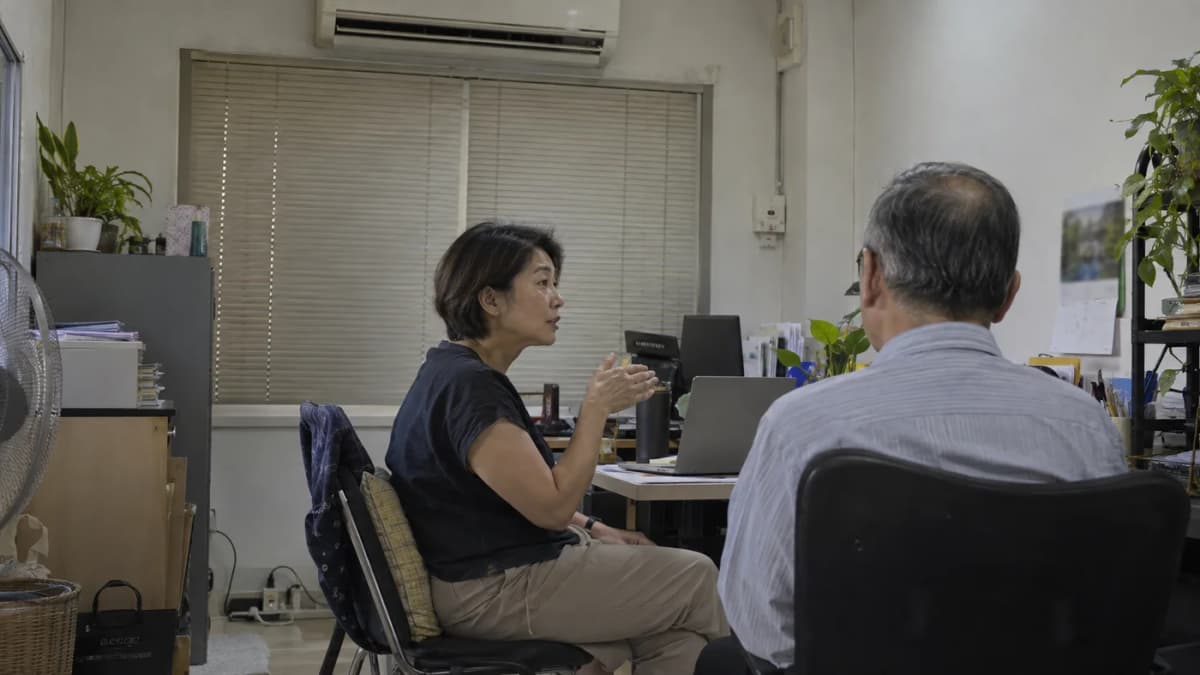
Couple discussing documents at a table in a modern Thai office setting

Property Ownership: The Company Structure Trap

Foreigners cannot own land in Thailand. This is one of the most misunderstood aspects of Thai property law, and it directly impacts married couples. If you marry a Thai citizen and plan to buy a house or condo, you need to understand the rules before you sign anything.

Condos: Foreigners can own up to 49% of units in a condominium building, provided the funds come from abroad and are converted to Thai baht. If you marry a Thai citizen, you can buy a condo in your name alone using foreign-sourced funds. Your spouse has no automatic claim to the condo unless you add them to the title.

Sponsored

Sponsored placement

Sponsored placement

Land and houses: Foreigners cannot own land under any circumstances. If you buy a house on land, the land must be in your Thai spouse's name. This is the arrangement most married expat couples use, and it works β€” but only if you trust your spouse completely. If the marriage ends, the land belongs to your spouse, not to you. You have no legal claim to it.

The company structure: Some expats create a Thai company to own land, with the foreigner holding shares and the company holding the land title. This is technically legal but practically risky. The government has cracked down on these structures, and if the company is found to be a sham (owned primarily by one foreigner for the purpose of circumventing land ownership laws), the land can be seized.

The safest approach: If you're buying property with a Thai spouse, buy a condo in your own name (using foreign-sourced funds) and let the land be in your spouse's name. If you're buying a house, understand that the land is legally your spouse's property. A prenuptial agreement can address what happens to the property in a divorce, but it cannot override Thai land law.

Divorce: What Actually Happens

Thailand allows both consensual and contested divorces. A consensual divorce can be completed in a single day at the district office for 400 THB ($11). A contested divorce β€” where there are disputes about assets, children, or fault β€” goes through the family court and can take 6-18 months.

Thai divorce law is based on the Civil and Commercial Code, which doesn't follow the Western "community property" or "equitable distribution" models. Instead, Thai courts consider:

Factor How It Affects Division
Personal assets Each spouse keeps what they brought into the marriage
Joint assets Divided based on contribution, not automatically 50/50
Adultery Can affect division if proven
Desertion Can affect division if proven
Children Custody typically goes to the mother

The critical thing to understand is that Thai courts look at who paid for what, not who earned what. If you can prove you paid for the condo, the car, and the furniture, you have a strong claim to those assets in a divorce. If you transferred money to your spouse's account and they bought the property in their name, proving your contribution becomes much harder.

Protection strategy: Keep records of all major purchases. Use bank transfers instead of cash. Consider a prenuptial agreement (sincerely recognized in Thailand) that specifies how assets will be divided. And if you're buying property, buy a condo in your own name rather than relying on your spouse's land ownership.

Children and Custody: The Mother Wins

Thai family law strongly favors mothers in custody disputes. Unless the mother is proven to be unfit β€” through criminal behavior, abandonment, or abuse β€” she will almost certainly receive primary custody of children under the age of seven. After seven, the court considers the child's preference, but the mother still has an advantage.

Fathers have visitation rights, but enforcing them can be difficult. Thai courts don't have the same enforcement mechanisms as Western courts, and if the mother moves to a different province, practical access becomes a challenge.

If you have children with a Thai partner and the relationship ends, your best options are:

Option 1: Negotiate a custody agreement directly with the mother. This is cheaper, faster, and less traumatic for everyone involved.

Option 2: Mediation through the family court. This takes 3-6 months but results in a legally binding agreement.

Option 3: Contested custody battle. This takes 12-18 months, costs 100,000-500,000 THB ($2,800-14,000) in legal fees, and the outcome is uncertain. Thai courts will prioritize the child's stability, which usually means keeping them with the mother.

The 90-Day Reporting Requirement

If you're on a marriage visa or any long-term visa, you must report your address to immigration every 90 days. This isn't optional, and missing a report can result in fines, visa cancellation, or deportation.

Young Thai woman and older American man walking along a quiet beach in Hua Hin at sunset

The 90-day report can be done in person at your local immigration office, by mail, or online through the immigration website. The process takes 1-2 weeks by mail, 1 day in person, and 3-5 business days online. Most expats set a calendar reminder and do it online β€” it's the simplest option.

Penalty for missing: 2,000 THB ($57) fine for the first offense. Repeat offenses can result in visa cancellation and a one-year ban from Thailand. Immigration takes this seriously β€” it's not a bureaucratic suggestion, it's a legal requirement.

The Verdict: Is Marriage Worth It?

For expats who genuinely want to build a life in Thailand, marriage offers significant advantages: a clear path to long-term residency, a stable family structure, and integration into Thai society in ways that are impossible as a perpetual tourist. The legal protections β€” while different from Western law β€” exist and can be navigated with proper planning.

For expats who are primarily interested in the visa benefits, marriage is a gamble. The 20-year house registration requirement, the financial obligations, and the property ownership restrictions mean that marriage alone doesn't solve your immigration problems. You still need a backup plan.

The smart approach is to enter marriage with eyes open. Understand the sin sod tradition, negotiate the financial terms before you propose, buy property in your own name where possible, keep records of every major purchase, and accept that Thai family law operates on different principles than what you're used to.

James Wheeler, the expat who discovered sin sod the hard way, eventually figured it out. "It's not about the money," he told me. "It's about understanding that you're playing by a different set of rules. Once you accept that, it actually makes sense."

For more on healthcare options for expats or the complete cost of living breakdown, check our related guides.

Frequently Asked Questions

Can I get a marriage visa without being married for 2 years?

No. The marriage visa (Non-Immigrant O) requires a minimum of 2 years of marriage before you can apply. There's no exception to this rule, even if you have substantial financial resources or own property in Thailand.

What happens to property if my Thai spouse dies?

Under Thai inheritance law, your spouse's property goes to their legal heirs β€” typically their parents and children. As a foreign spouse, you have inheritance rights, but they may be limited depending on whether the property was acquired before or during the marriage. A Thai will is essential to protect your interests.

Can I work on a marriage visa?

No. A marriage visa doesn't grant you the right to work in Thailand. You need a separate work permit, which requires a Thai company to sponsor you. Many expats on marriage visas work illegally, which carries penalties including deportation and a ban from Thailand.

Is a prenuptial agreement enforceable in Thailand?

Yes, Thailand recognizes prenuptial agreements under the Civil and Commercial Code. The agreement must be registered at the same time as the marriage, and it must be fair to both parties. A prenuptial agreement that's heavily one-sided can be challenged in court.

Can I get a divorce without my spouse's consent?

Yes. Thailand allows contested divorces through the family court. Grounds for divorce include adultery, desertion, criminal conviction, and mutual incompatibility. The process takes 6-18 months and requires legal representation.

Do I need to register my marriage in my home country?

It depends on your home country. The US and most European countries recognize Thai marriages if you provide the translated and authenticated marriage certificate. Check with your embassy for specific requirements.

Ananas Premium

Unlock Hua Hin's Best Property & Investment Insights

Enjoying our free content? Get unlimited access to premium articles, local market intelligence, member briefings, and exclusive checklists for just $15/month.

Join PremiumLearn More

Continue reading

healthcare options for expats

related guide on healthcare

complete cost of living breakdown

related guide on expenses

Sources & Verification

  • Foreigners cannot own land in Thailand under any circumstances β€” Thai Civil and Commercial CodeSource
  • Marriage visa requires 2 years of marriage and 20 years of house registration β€” Thai Immigration BureauSource
  • Sin sod tradition is deeply embedded in Thai culture and varies by family status β€” Thai Cultural StudiesSource
  • 90-day reporting requirement applies to all long-term visa holders β€” Thai Immigration BureauSource

Related Articles

  • Guides

    Drone Laws in Thailand 2026: What Foreigners and Tourists Must Know

  • Video Posts

    This Tibetan Monk Proved Mind Control to Harvard Scientists: Ancient Secrets of Bon & Dzogchen

  • Real Estate

    Thailand Property Market Report Q3 2026: Hua Hin Prices and Trends

  • Business

    Thailand's Green Energy Boom: Investment Opportunities in 2026

  • Economics

    Strong Baht, Shrinking Budget: How Currency Changes Affect Expats in 2026

  • Tech

    AI Tools for Expats in Thailand: Banking, Translation, Legal, Daily Life

  • Shop

    Best Laptops for Digital Nomads 2026: 5 Tested Models Compared

  • Ananas Premium

    Premium

    Thailand Tax Optimization Guide for Remote Workers: Legal Strategies to Minimize Your Tax Burden

  • Life

    Pensions in the EU Compared: Where Retirees Get the Most Value in 2026

  • Travel

    Best Coworking Spaces in Hua Hin for Digital Nomads (2026)

Sponsored

Trending Topics 24H

LifePensionsComparedBusinessThailandGreenGuidesDrone

Recommended Reading

  • Smart Mobility in Hua Hin: The Impact of New EV Infrastructure

    Tech

    Smart Mobility in Hua Hin: The Impact of New EV Infrastructure

  • Thailand Health Insurance for Expats: What Actually Covers You

    Guides

    Thailand Health Insurance for Expats: What Actually Covers You

  • Thailand's New Visa Rules 2025-2026: Every Change Explained

    Guides

    Thailand's New Visa Rules 2025-2026: Every Change Explained

  • THB/USD Exchange Rate Forecast 2026: What Expats and Investors Should Know

    Economics

    THB/USD Exchange Rate Forecast 2026: What Expats and Investors Should Know

  • The Ultimate Thailand Visa Decision Matrix (2026): LTR, Elite, DTV, Retirement, SMART β€” Which One Actually Fits Your Situation

    Ananas Premium

    The Ultimate Thailand Visa Decision Matrix (2026): LTR, Elite, DTV, Retirement, SMART β€” Which One Actually Fits Your Situation

  • Hua Hin Weather Guide: Surviving Monsoon, Heat, and Humidity

    Travel

    Hua Hin Weather Guide: Surviving Monsoon, Heat, and Humidity

  • How to Get a Thai Driving License: The Step-by-Step Process

    Guides

    How to Get a Thai Driving License: The Step-by-Step Process

  • Day Trips from Hua Hin: Sam Roi Yot, Cha-Am, and Beyond

    Travel

    Day Trips from Hua Hin: Sam Roi Yot, Cha-Am, and Beyond

  • Hua Hin Property Investment Report: Neighborhood-by-Neighborhood Analysis with Price Data

    Ananas Premium

    Hua Hin Property Investment Report: Neighborhood-by-Neighborhood Analysis with Price Data

  • How Foreigners Can Own Property and Land in Thailand: Every Legal Structure Explained

    Real Estate

    How Foreigners Can Own Property and Land in Thailand: Every Legal Structure Explained

Recommended Videos

The End of Cash? Former Central Bank Advisor Reveals the Truth About CBDCs

Videos

The End of Cash? Former Central Bank Advisor Reveals the Truth About CBDCs

This Tibetan Monk Proved Mind Control to Harvard Scientists: Ancient Secrets of Bon & Dzogchen

Videos

This Tibetan Monk Proved Mind Control to Harvard Scientists: Ancient Secrets of Bon & Dzogchen

Palliative Care: It’s Not About Dying, It’s About Living Fully

Videos

Palliative Care: It’s Not About Dying, It’s About Living Fully

Recommended for you

More stories to read next

The Ultimate Thailand Visa Decision Matrix (2026): LTR, Elite, DTV, Retirement, SMART β€” Which One Actually Fits Your SituationPremium

Ananas Premium

The Ultimate Thailand Visa Decision Matrix (2026): LTR, Elite, DTV, Retirement, SMART β€” Which One Actually Fits Your Situation

Every visa guide recommends one option. This matrix maps ALL options to YOUR situation β€” with real costs, timelines, and tax implications.

Thailand Health Insurance for Expats: What Actually Covers You

Guides

Thailand Health Insurance for Expats: What Actually Covers You

David paid THB 200 for a doctor visit then received a THB 480,000 bill his insurance denied. Here is what actually covers you.

Navigating Thailand's New Long-Term Resident (LTR) Visa Rules for 2026

Guides

Navigating Thailand's New Long-Term Resident (LTR) Visa Rules for 2026

Thailand's Long-Term Resident visa is now more accessible in 2026. The $80k income requirement is gone for wealthy global citizens, processing takes 2-4 months, and approved applicants get 17% flat tax rates. Here's everything you need to know.

Emergency Services in Hua Hin: Hospitals, Ambulance, Police β€” What Actually Works

Life

Emergency Services in Hua Hin: Hospitals, Ambulance, Police β€” What Actually Works

When an emergency happens in Hua Hin, the difference between a smooth experience and a nightmare comes down to knowing which hospital to call, which number to dial, and what your insurance actually covers.

Moving to Thailand: The First 30 Days Checklist

Guides

Moving to Thailand: The First 30 Days Checklist

Moving to Thailand is overwhelming β€” but only if you don't have a plan. Here's the day-by-day checklist for your first 30 days as a new expat.

Drone Laws in Thailand 2026: What Foreigners and Tourists Must Know

Guides

Drone Laws in Thailand 2026: What Foreigners and Tourists Must Know

Thailand's drone regulations tightened dramatically in 2025. Dual registration, mandatory pilot licenses, and prison penalties now await unprepared operators. Here's the full guide for tourists and foreign residents.

Bangkok to Hua Hin: Best Transport Options Compared

Travel

Bangkok to Hua Hin: Best Transport Options Compared

The 200km journey costs THB 200-5,000 depending on transport. Here is the honest comparison of all five options.

Thailand's Green Energy Boom: Investment Opportunities in 2026

Business

Thailand's Green Energy Boom: Investment Opportunities in 2026

Thailand's energy transition is hitting warp speed in 2026. With 24 GW of solar planned, THB 1 trillion in projected economic impact, and Direct PPAs opening to foreign investors, the Kingdom is becoming Southeast Asia's clean energy frontier. Here's what you need to know before allocating capital.

Partner Spotlight

Elder Blossom Resort

A peaceful Hua Hin senior living community with private accommodation, gardens, wellness activities, and professional care support.

Ananas Video Studio

Hua Hin's professional podcast and video production studio for creators, real estate, hospitality, and business content.

Hua Hin Events

A local events platform for classical music, jazz, theatre, cabaret, and cultural performances around Hua Hin.

Ananas IT

Website, app, AI automation, hosting, and domain services for businesses that need reliable digital infrastructure.