Thailand’s Green Energy Boom: Investment Opportunities in 2026
An analysis of Thailand's rapid renewable energy expansion, examining solar infrastructure, government incentives, and key sectors for foreign direct investment.

Editorial Team
Jun 2, 2026 · 2 min read
Status
Executive Summary
- Solar energy capacity in Thailand has expanded due to liberalized corporate power purchase agreements.
- The Board of Investment (BOI) offers extensive tax exemptions for clean energy projects.
- Smart grid modernization presents high-growth opportunities for technology providers.
A Regional Leader in Renewable Integration
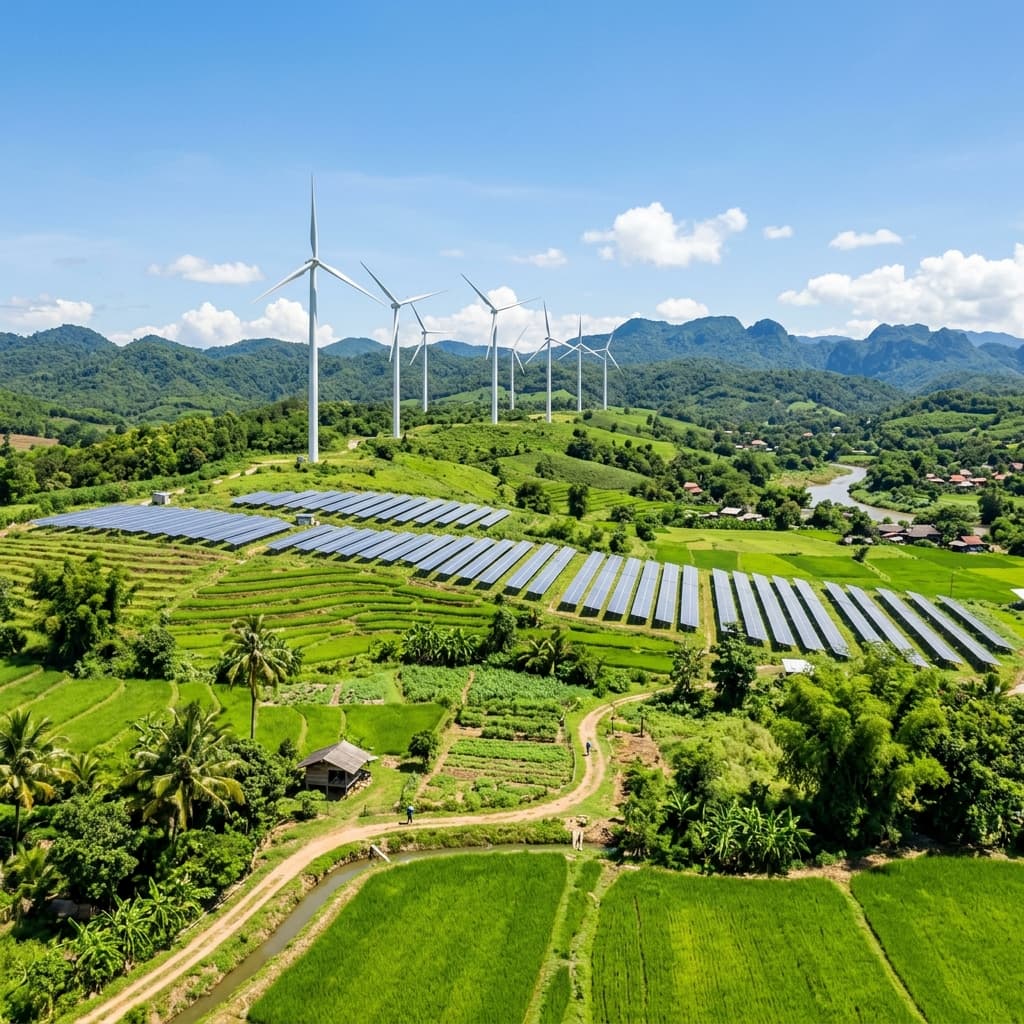
Thailand has established itself as a primary hub for green energy development within Southeast Asia. Backed by the updated Power Development Plan, the nation has accelerated its transition toward solar, wind, and bioenergy technologies. For global investors and clean energy developers, this transition represents one of the most stable and heavily subsidized infrastructure opportunities in the region.
Solar Expansion and Corporate PPAs
The liberalization of corporate Power Purchase Agreements (PPAs) has enabled private businesses to purchase green energy directly from independent developers. This policy shift has driven a massive surge in commercial and industrial solar installations. Factories, warehouse facilities, and luxury residential developments are increasingly seeking solar partnerships to hedge against volatile grid electricity prices.
"The decentralization of Thailand's energy market has created a highly competitive environment for foreign capital, particularly in utility-scale solar projects."
Government Incentives and Tax Breaks
The Thai government, through the Board of Investment (BOI), offers attractive incentives to attract foreign clean energy tech. Promoted projects can qualify for corporate income tax exemptions of up to eight years, duty-free importation of machinery, and simplified visa procedures for specialized technical engineers. These measures have reduced the initial capital expenditure barrier for international developers entering the market.
Modernizing the Grid
As renewable sources contribute a larger share to the national grid, emphasis is moving toward smart grids and grid energy storage systems. Investments in high-capacity battery storage and microgrid technology are crucial to manage the intermittent nature of solar and wind generation. This infrastructure modernization opens secondary markets for international tech partners specialized in grid management software and energy storage systems.