The Expat Guide to Sustainable Living in Hua Hin
Can you really live sustainably in a Thai beach town? Our 2026 guide to Hua Hin's neighborhoods, eco-housing, and daily green living tells you what's real and what's hype.

Editors
Jun 16, 2026 · 11 min read
Status

Executive Summary
- Hua Hin's microclimate makes sustainable living genuinely feasible, with lower rainfall and better air quality than other Thai destinations.
- Each neighborhood offers a distinct lifestyle: city-center walkability, Khao Takiab surf vibes, Pranburi farm culture, or Black Mountain golf communities.
- Solar installations, EV infrastructure, and organic markets exist but require pragmatic hybrid solutions rather than idealistic purity.
- A couple can live sustainably for 35,000–50,000 baht/month, with solar setups paying off in approximately 4 years.
- The real challenge isn't technology — it's humidity, visa paperwork, and bridging cultural gaps in waste management expectations.
A Day in the Life: What Sustainable Living Actually Looks Like
At 6:15am, Sarah Waters steps barefoot onto the reclaimed teak deck of her solar-powered villa, the morning sea breeze carrying the scent of jasmine from her permaculture garden. By the time her homemade almond milk latte cools to drinking temperature, her home battery system shows 78% charge from yesterday's solar surplus – enough to run her aircon during peak afternoon heat without tapping the grid.
This rhythm defines sustainable living in Hua Hin more than any brochure-ready eco-resort. The reality? You'll spend mornings checking rainwater catchment levels before brushing teeth (tap water here tests at 280ppm dissolved solids – drinkable but better filtered). Evenings mean biking to Talad Rot Fai night market with reusable containers for zero-waste curry takeout. Weekends involve negotiating with local contractors about bamboo scaffolding versus steel.
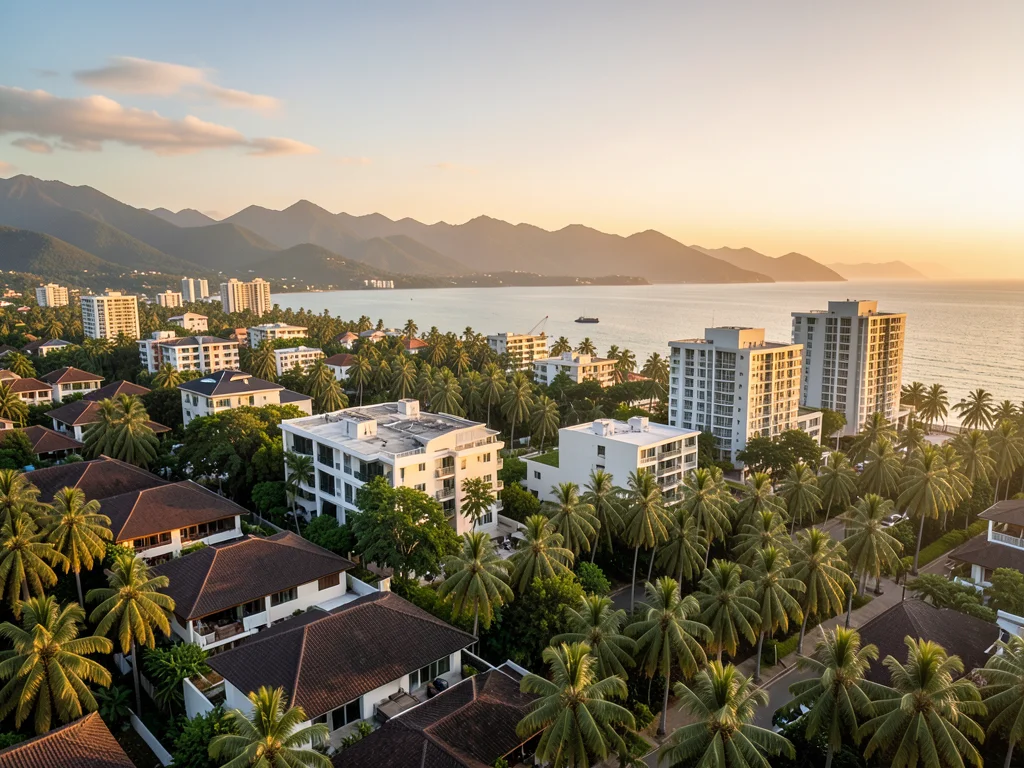
The town's sustainability lies in its scale. Unlike Bangkok's concrete sprawl or Phuket's overdevelopment, Hua Hin operates at human speed. The municipal wastewater treatment plant actually works (a rarity in Thailand), processing 85% of the city's sewage. Farmers markets like Hua Hin Organic Market move 3.2 tons of chemical-free produce weekly. It's not perfect – you'll still find 7-Eleven plastic bags floating in storm drains – but the infrastructure for low-impact living exists.
What newcomers often miss: sustainability here requires hybrid solutions. Your German-engineered solar inverter will need Thai-made surge protectors. That LEED-certified villa still needs old-school moobaan security guards. The sweet spot? Leveraging Thai craftsmanship with selective Western tech imports.
Why Hua Hin? The Geography No One Talks About
Hua Hin's microclimate defies Thailand's tropes. While Chiang Mai chokes on burning season smoke and Phuket drowns in monsoon rains, Hua Hin's unique position on the Gulf of Thailand's northern curve creates a Goldilocks zone. Annual rainfall averages 1,200mm versus 2,200mm in Phuket – enough for lush greenery without constant flooding. The prevailing southwest winds keep air quality 30% better than Bangkok year-round.
The overlooked secret? Underwater geography. The continental shelf drops steeply just 3km offshore, creating cooler ocean currents that moderate temperatures. Summer highs rarely exceed 34°C versus Bangkok's 38°C+. Nighttime sea breezes make sleeping without aircon feasible from November to March.
Water access separates Hua Hin from pretenders. The Petchaburi River watershed feeds a network of reservoirs and underground aquifers. While Koh Samui trucks in drinking water during drought seasons, Hua Hin's tap water remains stable at 15-20 baht per cubic meter. The city's desalination plant (opened 2024) now covers 40% of peak demand.
Coastal erosion patterns tell another story. Satellite analysis shows Hua Hin's beaches growing 1-2 meters annually due to sediment deposition from the north, while Pattaya loses 3 meters yearly. The royal family's long presence here prevented the destructive shoreline development plaguing other resorts. Smart money notices these details.
The Neighborhood Breakdown: Where to Live
Hua Hin City Center
The urban heartbeat where Thai and expat lives collide. Narrow sois hide century-old teak houses next to minimalist cafés roasting Chiang Rai beans. You'll pay 5-8 million baht for a restored shophouse with original shutters, or 3-5 million for a condo at Vivo Beach where the infinity pool looks over passing fishing boats. At dawn, monks collect alms along Phetkasem Road while delivery trucks unload fresh crab at the wet market. Best for digital nomads who need fiber-optic speeds and third-wave coffee within 500 meters. Just know your peaceful morning swim turns into a Instagram-frenzy after 10AM when tour buses arrive.
Khao Takiab
Where the jungle still whispers. This wedge between mountain and sea hosts Hua Hin's most international crowd – Belgian chocolatiers, Japanese surf instructors, German retirees tending bonsai gardens. Villas here have names like "Sea Gypsy" and "Monkey Palace," their infinity pools blending into horizon lines (15-25 million baht). The paradox? You're minutes from Makro wholesalers but geckos still dart across your breakfast table. Weekends mean beach barbecues with neighbors who actually remember your name. Downside? That chic oceanfront view comes with 4 months of seaweed blooms turning the shore into compost-scented soup.
Cha-am
The unpolished little sister 25km north. Bangkok weekenders pack seafood shacks along the 5km sandbar, while year-rounders occupy gated estates like Palm Hills (5-8 million baht golf villas). At dusk, kiteboarders ride the thermal winds as street vendors grill maeng da (giant river prawns) coated in fermented crab paste. Perfect for families craving space without isolation – there's an international school and decent hospital. Just don't expect the cosmopolitan buzz of Hua Hin proper. The train station still smells of diesel and dried squid.
Pranburi
Where sustainable dreams take root. Former pineapple plantations now hold rammed-earth homes surrounded by dragonfruit orchards (6-12 million baht for 3-5 rai). The local morning ritual involves checking soil moisture sensors before coffee. Highlights include Vietnam-vintage fishing piers converted into sunset bars, and the Saturday farmers market where growers haggle in southern Thai dialect. You'll need patience – hospital runs take 40 minutes, and that artisanal sourdough requires a 20km roundtrip. Ideal for off-grid types who think wifi is negotiable but rainwater harvesting capacity isn't.
Black Mountain (Hin Lek Fai)
A gated universe of manicured fairways and German SUVs. Strict CC&Rs enforce architectural harmony – think terracotta roofs against the jagged karst backdrop. Properties range from 140 sq m villas (10-12 million baht) to 5-bedroom compounds with private putting greens (35 million+). The social scene revolves around golf cart meetups and wine tastings where the French vintner flew in for the event. Surprisingly eco-conscious – most estates now mandate solar arrays. Don't expect walkability; even the 7-Eleven requires a drive.
Sam Roi Yot
Where limestone cliffs tower over shrimp farms turned ecotourism hubs. National park proximity means no high-rises – just a smattering of beachfront bungalows (3-5 million baht) and the occasional ultra-luxe villa tucked into limestone grottoes. The rhythm here follows fishing trawlers returning at dawn and Buddhist monks hiking to Thousand Buddha Peak. Best for artists and solitude-seekers willing to trade convenience for views straight off a Thai postage stamp. Roadside stalls sell bananas roasted in coconut syrup, eaten warm as egrets swoop over the marshes.
Distance isn't just measured in kilometers here. Takiab's surf break sits 9km south of Hua Hin center – close on a map, yet feels a world apart when monks bless fishing boats at sunrise. Black Mountain, just 5km inland, sees enough microclimate variation to grow temperate fruits (unthinkable along the coast). Every area whispers its own version of Thai coastal living – whether that's vineyard sunsets in Pranburi or a leasehold loft above a night market stall. Choose based on whether you crave the smell of salt or frangipani at dawn.
Housing That Works: Sustainable Home Options
The villa versus condo debate hinges on water rights. Freehold villas let you install rainwater harvesting (50,000L tank systems run 150,000-200,000 baht), while condo boards often block solar modifications. That said, newer projects like Baan Pomphet use shared solar microgrids with Tesla Powerwalls – the maintenance-free alternative.
Construction materials matter more than aesthetics. Traditional brick-and-plaster homes need 30% more energy cooling than modern insulated concrete forms (ICFs). The sweet spot? Thai-style elevated designs with ICF lower floors and breathable bamboo upper levels. Local builders now offer these hybrid packages for 25,000-35,000 baht/sq m.
Gated communities provide security but kill walkability. Standalone properties in organic neighborhoods like Soi 112 offer better street life but require investing in relationships with local shop owners as informal security networks. Either way, budget 15-20% extra for proper drainage – Hua Hin's clay soil turns into slip-n-slide during heavy rains.
Getting Around Without a Car
Hua Hin's EV infrastructure outpaces Bangkok's. The city installed 37 fast chargers in 2025 alone, concentrated along Phetkasem Road. A used Nissan Leaf costs 400,000-600,000 baht with 150km real-world range – enough for daily needs. Just avoid Chinese-brand EVs; service wait times exceed 3 weeks.
Biking works better here than tourists realize. Dedicated bicycle lanes now stretch 18km along the beach road and royal gardens. Dutch-style cargo bikes (85,000 baht imported) handle grocery runs. The real game-changer? The new bike-sharing system with 45 stations – 50 baht/day unlocks electric-assist models perfect for hilly Khao Takiab.
Traditional options still dominate. Songthaews run fixed routes every 12-15 minutes (15 baht fare), while Grab taxis average 60-80 baht for short hops. Smart expats negotiate monthly rates with reliable drivers (4,000-6,000 baht for school runs and weekly markets).
Food, Health, and Daily Sustainable Living
Hua Hin's organic scene punches above its weight. Beyond the touristy Cicada Market, the true gems are growers like Pranburi Farm Direct (chemical-free eggs at 12 baht each) and Hua Hin Fishing Cooperative's day-boat catches. A family of four can eat 90% local for 15,000 baht/month – half what imported groceries cost.
Healthcare access surprises newcomers. Bangkok Hospital Hua Hin offers cardiology and oncology services rivaling their flagship, at 40% lower prices. For daily needs, the municipal clinic near the night market provides competent care for 200 baht/visit. Just bring a Thai speaker for paperwork.
Waste management remains the weak link. While municipal trash pickup costs just 300 baht/month, recycling requires DIY effort. The best solution? Partner with resorts like Aleenta that operate commercial-scale composting – they accept household food waste for 500 baht/month.
The Cost Equation: What Sustainability Actually Costs
Breaking down a realistic monthly budget for two:
| Category | Basic | Comfortable | Premium |
|---|---|---|---|
| Housing (2BR) | 15,000 (older condo) | 30,000 (new villa) | 70,000 (beachfront) |
| Utilities | 2,500 (no solar) | 1,200 (with solar) | 800 (off-grid) |
| Transport | 3,000 (bike/songthaew) | 8,000 (EV+charging) | 15,000 (new EV) |
| Food | 12,000 (local markets) | 25,000 (mixed sources) | 40,000 (imports) |
| Healthcare | 1,500 (clinic) | 5,000 (private) | 15,000 (executive) |
The savings come from smart substitutions. A 100,000 baht solar setup pays off in 4 years versus Bangkok electricity rates. Local healthcare beats international insurance premiums. The trap? Overpaying for "luxury" imports when Thai alternatives work better in this climate.
The Hidden Challenges No One Warns You About
Humidity doesn't care about your sustainable ideals. From April to June, 85% RH levels turn untreated wood into mold farms. Budget 20,000 baht/year for professional dehumidifying unless you enjoy respiratory issues. Even "breathable" natural fibers mildew within weeks – technical fabrics outperform linen here.
Visa complications multiply post-retirement. The LTR visa requires 50,000 baht/month health insurance that often rejects applicants over 60. Many end up on education visas for Thai language or muay thai classes (18,000-25,000 baht/year).
Infrastructure gaps appear during crises. When a 2025 transformer fire knocked out power for 12 hours, homes without battery backups lost refrigerated goods worth thousands. Smart expats keep a propane fridge as backup.
Building a Sustainable Community
The Hua Hin Green Network (1,200 members) organizes beach cleanups and solar co-ops. More valuable are their member forums detailing which contractors actually honor warranties (spoiler: not many). The group's bulk-purchase program gets 30% discounts on items like Tesla Powerwalls.
Integration requires effort beyond the expat bubble. Joining a local moobaan committee or volunteering at Wat Khao Takiap's food bank builds trust. The payoff? Neighbors who'll watch your property during visa runs, or tip you off about upcoming land deals.
Cultural friction points exist. Thai notions of "jai yen yen" (cool heart) often clash with Western sustainability urgency. Pushing too hard on recycling systems can backfire – better to model behavior and let curiosity do the work.
Is Hua Hin Right for Your Sustainable Life?
Hua Hin works best for pragmatists, not purists. If you need 100% organic everything or carbon-neutral perfection, you'll burn out fighting local realities. But if you want a base where thoughtful choices compound into real impact, this might be Thailand's sweet spot.
The town rewards those who embrace hybrid solutions – solar panels above a rain-fed herb garden, EV charging from a coconut-shaded carport. Come for the royal-approved beaches, stay for the chance to prove sustainability can work in the real tropics.
Watch the horizon: By 2027, the high-speed rail link to Bangkok will test Hua Hin's delicate balance. For now, it remains one of few places where you can surf at dawn, attend a permaculture workshop by noon, and debate microgrid politics over craft beer at sunset – all without sacrificing basic livability.
Ananas Premium
Unlock Hua Hin's Best Property & Investment Insights
Enjoying our free content? Get unlimited access to premium articles, local market intelligence, member briefings, and exclusive checklists for ฿290 / $9.95 per month.
Continue reading
Thailand's Long-Term Resident visa rules
Navigating visa requirements is essential before committing to long-term sustainable living in Thailand.
coworking spaces in Hua Hin
Remote workers need reliable workspaces alongside their sustainable lifestyle choices.
property buying options in Hua Hin
Understanding freehold vs leasehold structures is crucial before signing any property contract.
Bangkok vs coastal hubs property comparison
Context on how Hua Hin compares to Bangkok for property investment and livability.
Hua Hin's boutique hospitality scene
The local hospitality sector reflects broader trends shaping the expat experience.
Sources & Verification
- Hua Hin receives approximately 1,200mm of annual rainfall compared to 2,200mm in Phuket. — Thai Meteorological Department Climate DataSource
- Thailand's LTR visa requires specific health insurance coverage for applicants. — Thailand Board of Investment LTR Visa GuidelinesSource
- Foreign ownership of Thai condominiums is capped at 49% of total floor area per building. — Thailand Condominium Act B.E. 2522 (1979)Source


