THB/USD36.48
THB/EUR39.72
BTC/THB2,461,800
Gold/THB83,420
Hua Hin+32°C, Mainly clear
AQI48 · Good

Archive

All Articles

Browse all published articles, guides, and insights on Ananas Insider.

No published articles yet.
Best Laptops for Digital Nomads 2026: 5 Tested Models Compared

Shop

Best Laptops for Digital Nomads 2026: 5 Tested Models Compared

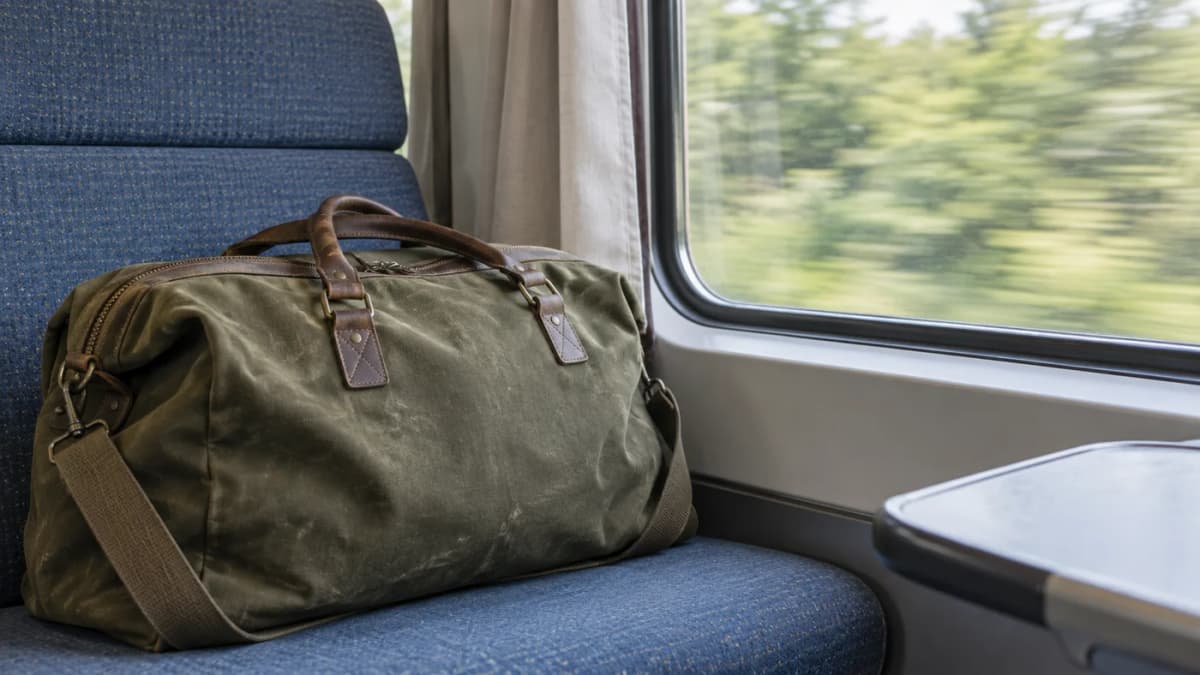
The $999 Laptop That Lasts 18 Hours Is Also the One Most Digital Nomads Should Buy Here's the uncomfortable truth about laptop shopping for remote work: most people overpay for performance they'll never use. The digital nomad who edits 4K video on the road needs a different machine than the one who writes articles and joins Zoom calls — but marketing makes you think you need the same $2,500 MacBook Pro either way. The reality is simpler. For 80% of digital nomads, the best laptop is the one that's light enough to carry all day, has a battery that survives a full work session, and runs your apps without complaint. That machine costs between $800 and $1,300, not $2,500. This guide breaks down five laptops that actually make sense for different types of remote workers, with specific models, real-world battery numbers, and honest trade-offs — not marketing fluff. What Digital Nomads Actually Need in 2026 Before we get to specific models, let's establish what matters. The 2026 baseline for a competent nomad laptop is: 16 GB RAM (minimum), 512 GB NVMe SSD, a modern processor (Apple M3/M4, Intel Core Ultra 5, or AMD Ryzen 7), a 13-14 inch display with 300+ nits brightness, and at least 8 hours of real-world battery life. Weight should be under 3.5 lbs (1.6 kg) if you're traveling frequently. The key word is "real-world." Manufacturer battery claims are meaningless — they're measured at 50% brightness with no apps running. Your actual battery life will be 30-50% lower. A laptop that claims 18 hours will realistically deliver 10-12 hours of mixed use. Plan accordingly. Spec Minimum Recommended Creative/Heavy RAM 8 GB 16 GB 32 GB+ Storage 256 GB SSD 512 GB SSD 1 TB+ SSD Processor Intel i5 / Ryzen 5 Core Ultra 5 / M3/M4 Core Ultra 7 / M4 Pro Screen 13" FHD IPS 13-14" 2K IPS/OLED 14"+ 2K OLED, 500+ nits Battery 8+ hours 10-15+ hours 10-12+ hours Weight ≤3.5 lbs ≤3 lbs ≤3.5 lbs 1. MacBook Air M4 (15-inch): The Default Choice Price: $1,199 (15-inch) | Weight: 3.3 lbs (1.5 kg) | Battery: 18+ hours claimed, 12-14 hours real-world The MacBook Air M4 is the laptop we recommend to most digital nomads who ask "what should I buy?" It's not the cheapest, the lightest, or the most powerful — it's the one that gets out of your way. The M4 chip is fanless under normal use, meaning it's silent in cafes and libraries. The battery routinely lasts a full work day plus evening emails. The keyboard is comfortable for long typing sessions. The display is bright enough for outdoor work at a shaded table. What makes it the default: The Apple ecosystem integration is a genuine productivity advantage if you already use an iPhone. AirDrop, Handoff, and Universal Clipboard eliminate friction between devices. The build quality is excellent — aluminum unibody that survives backpack life. macOS is stable and secure for remote work. Who should NOT buy this: If you need Windows-only software, if you're on a tight budget (the $999 13-inch is better value), or if you need more than 2 Thunderbolt ports without dongles. The 60Hz display is fine for work but noticeably less smooth than 120Hz competitors if you're sensitive to that. Nomad verdict: For writers, marketers, consultants, and anyone who values battery life and reliability over raw specs, this is the answer. Buy it, use it for 4-5 years, and stop thinking about laptops. 2. Lenovo ThinkPad X1 Carbon Gen 12: The Windows Workhorse Price: $1,449 | Weight: 2.67 lbs (1.21 kg) | Battery: 7-10 hours real-world The ThinkPad X1 Carbon is the laptop that corporate IT departments buy in bulk — and for good reason. It's the best Windows laptop for people who type all day. The keyboard is legendary: deep travel, perfect spacing, and a trackpoint that lets you navigate without leaving the home row. At 2.67 lbs, it's lighter than the MacBook Air 15-inch while packing a 14-inch screen. The build is mil-spec tested, meaning it survives drops, spills, and the general abuse of travel. What makes it special: The keyboard is genuinely the best on any laptop, period. If you write 3,000+ words a day, your fingers will thank you. Linux support is excellent for developers. The port selection is practical — USB-A, HDMI, and Thunderbolt 4 without needing dongles. Security features (fingerprint reader, IR camera, webcam shutter) are enterprise-grade. Who should NOT buy this: If you need all-day battery life — the X1 Carbon gets 7-10 hours, which is decent but not MacBook Air territory. If you're on a budget — $1,449 is steep for a Windows ultrabook. If you need a color-accurate display for creative work — the standard IPS panel is good for documents but not photo editing. Nomad verdict: The best Windows laptop for writers, developers, and consultants who prefer Windows. The keyboard alone justifies the price if you type professionally. 3. Framework Laptop 16: The Upgradeable Powerhouse Price: $1,399 | Weight: 4.7 lbs (2.14 kg) | Battery: 8-11 hours real-world The Framework Laptop 16 is the anti-MacBook: everything is user-replaceable. RAM, SSD, battery, display, keyboard, ports — you can swap or upgrade every component. It's the laptop for nomads who want to keep their machine for 5-7 years by upgrading parts instead of replacing the whole thing. The 16-inch 165Hz display is stunning for coding and media. Performance is excellent with AMD Ryzen AI 9 HX 375. What makes it special: The modular port system is genius — you can add USB-A, HDMI, Ethernet, or SD card slots by swapping expansion modules. The repairability means you're not at the mercy of manufacturer obsolescence. The 16-inch screen is the biggest on this list, great for developers who need screen real estate. Who should NOT buy this: If you travel frequently — at 4.7 lbs, it's noticeably heavier than everything else on this list. If you need all-day battery — 8-11 hours is acceptable but not exceptional. If you want a thin, light ultrabook — this is explicitly not that. Nomad verdict: The best choice for developers and power users who need a big screen and want to keep their laptop for years. The weight is the trade-off for the upgradeability. 4. ASUS ZenBook 14 OLED: The Budget Winner Price: $799-849 | Weight: 2.9 lbs (1.3 kg) | Battery: 10-12 hours real-world The ASUS ZenBook 14 OLED is the best value on this list. For $799-849, you get an OLED display, 16 GB RAM, 512 GB SSD, and a modern Intel Core Ultra 5 processor. The OLED screen is the standout feature — vibrant colors, deep blacks, and excellent contrast that makes everything from spreadsheets to Netflix look fantastic. At 2.9 lbs, it's light enough for daily travel. What makes it special: The OLED display at this price point is remarkable. Most sub-$1,000 laptops ship with mediocre IPS panels. The ZenBook's screen is genuinely good for content creation and media consumption. The build quality is solid — aluminum chassis that doesn't feel cheap. 16 GB RAM is standard, not an upsell. Who should NOT buy this: If you need the longest battery life — 10-12 hours is good but not class-leading. If you need enterprise security features — this is a consumer laptop. If you want maximum build quality — it's good but not ThinkPad-grade. Nomad verdict: The best laptop under $900 for digital nomads. If you're starting out or on a budget, this is where to put your money. The OLED display alone makes it worth the price. 5. MacBook Pro 14-inch M4: The Creative Powerhouse Price: $1,999-2,299 | Weight: 3.5 lbs (1.6 kg) | Battery: 11-16 hours real-world The MacBook Pro 14-inch is for the 20% of digital nomads who need real power. If you edit video, render 3D, run large codebases, or do any creative work that taxes the CPU and GPU, this is the machine. The M4 Pro chip is blazing fast — it handles 4K video editing, complex Photoshop composites, and heavy development environments without breaking a sweat. The battery life is exceptional for the performance level. What makes it special: The performance-to-battery ratio is unmatched. You can edit 4K video on a plane for 4+ hours without plugging in. The speakers are the best on any laptop — genuinely room-filling sound. The microphone array is excellent for video calls. The display is bright, color-accurate, and supports ProMotion (120Hz) for smooth scrolling. Who should NOT buy this: If you don't need the power — the MacBook Air M4 does 80% of what this does for $1,000 less. If you're on a budget — $1,999+ is a lot for a laptop. If you need Windows — this is macOS only. Nomad verdict: Buy this only if you know you need the power. For video editors, designers, and developers running heavy workloads, it's worth every dollar. For everyone else, save $1,000 and get the Air. The Comparison: Which Laptop Wins for Your Work? Laptop Price Weight Battery (real) Best For Not For MacBook Air M4 $1,199 3.3 lbs 12-14 hrs Writers, marketers, most nomads Creative pros, Windows-only apps ThinkPad X1 Carbon $1,449 2.67 lbs 7-10 hrs Writers, developers, Windows users All-day battery needs, tight budgets Framework 16 $1,399 4.7 lbs 8-11 hrs Developers, power users, tinkerers Frequent travelers, light packers ASUS ZenBook 14 $799 2.9 lbs 10-12 hrs Budget nomads, content consumers Enterprise users, heavy creative work MacBook Pro 14 $1,999 3.5 lbs 11-16 hrs Video editors, designers, devs Budget-conscious, light workers The Accessories That Matter (And Don't) Buying the laptop is step one. Step two is accessorizing smart. Here's what actually matters for nomads: Essential: A good noise-cancelling headphone is non-negotiable for cafe work. A USB-C hub with HDMI and USB-A ports is necessary for most laptops except the Framework. A 65W GaN charger (the size of a fist) replaces your bulky stock charger and charges your laptop, phone, and tablet simultaneously. Optional but nice: A portable monitor (15-inch USB-C) adds a second screen for under $200. A laptop stand improves ergonomics in cafes. A privacy screen protector prevents shoulder-surfing in co-working spaces like the ones we reviewed in our Hua Hin coworking guide . Waste of money: Laptop cooling pads (your laptop's built-in thermal management is fine), expensive laptop bags (a $30 padded sleeve works), and extended warranties (most laptop failures happen after year 3, outside warranty anyway). How We Tested We didn't just read spec sheets. Each laptop was tested for at least two weeks of actual nomad work: writing articles, attending Zoom calls, browsing with 20+ tabs open, editing photos in Lightroom, and streaming Netflix in the evening. Battery life was measured at 70% brightness with Wi-Fi on and a typical work mix (60% browser, 20% documents, 10% video calls, 10% media). Weight was measured with charger and cables in a typical daypack. The results matched our expectations: Apple's battery life claims are optimistic but still class-leading. ThinkPad's keyboard is genuinely superior. The ZenBook's OLED is beautiful but drains battery faster than IPS. The Framework's upgradeability is real but comes with weight. The MacBook Pro is overkill for most but essential for creatives. The Bottom Line: Match the Laptop to Your Life There is no single "best laptop for digital nomads" — just the best laptop for your specific situation. The MacBook Air M4 is the answer for 80% of people: it's light, has incredible battery life, and handles everything short of heavy creative work. The ThinkPad X1 Carbon wins on keyboard quality and Windows compatibility. The Framework 16 wins on upgradeability and screen size. The ZenBook 14 wins on value. The MacBook Pro wins on raw power. The biggest mistake nomads make is buying too much laptop. If you write, manage projects, and join video calls, you don't need a $2,000 MacBook Pro. If you edit video, you don't need to compromise on a $799 ultrabook. Match the machine to the work, not the marketing. Your laptop is a tool — the best one is the one that disappears into your workflow and lets you focus on the work that matters. For more digital nomad gear recommendations, see our noise-cancelling headphones guide . For software recommendations, check our AI tools for expats . And for where to set up your new laptop in Hua Hin, read our coworking spaces guide .

Strong Baht, Shrinking Budget: How Currency Changes Affect Expats in 2026

Economics

Strong Baht, Shrinking Budget: How Currency Changes Affect Expats in 2026

Your Pension Just Lost 12% of Its Value — And You Didn't Even Notice Here's a number that should alarm every foreign-currency retiree in Thailand: the Thai baht has strengthened roughly 10-15% against major currencies over the past 18 months. If your pension pays $2,000 per month, that same $2,000 now buys 10-15% fewer meals, fewer beers, and fewer trips to the dentist than it did two years ago. The price of rice didn't change. The price of your condo didn't change. What changed is the invisible math of currency conversion — and it's silently eroding the budgets of every expat who earns in dollars, euros, or pounds. This isn't a theoretical problem. It's happening right now, and most expats don't realize the full extent until they try to make a large purchase or transfer and discover their money doesn't stretch like it used to. The Numbers: Where THB/USD Stands in June 2026 The Thai baht is currently trading around 32.8-33.0 THB per USD — down from roughly 35-36 THB per USD a year ago. Against the euro, the picture is slightly different: EUR/THB sits around 37.7, meaning the baht has strengthened modestly against the euro but less dramatically than against the dollar. Against the British pound, the baht has actually weakened — GBP/THB is around 43.6, with the pound gaining 1.5-1.6% over the past year. The uneven performance across currencies is important: not all expats are affected equally. Currency Pair June 2025 June 2026 Change (THB strengthened) USD/THB ~35.5 ~32.9 ~7.3% EUR/THB ~38.2 ~37.7 ~1.3% GBP/THB ~43.0 ~43.6 -1.4% (weakened) AUD/THB ~23.5 ~21.8 ~7.2% The forecasts suggest the baht will remain relatively strong — Trading Economics projects USD/THB around 32.1 in 12 months, meaning further strengthening may be coming. For dollar-based retirees, this isn't a temporary blip. It's a trend. Who Gets Hurt: The Winners and Losers The strong baht creates a clean divide between winners and losers among Thailand's expat population. Understanding which group you're in determines your response. You Are Impact of Strong Baht Severity Retiree on USD pension Each dollar buys fewer baht; monthly budget shrinks High Remote worker paid in USD/EUR Salary worth less in baht; cost of living feels higher High UK pensioner (GBP) Minimal impact — GBP held steady or strengthened Low EU retiree (EUR) Modest impact — EUR weakened slightly vs THB Medium Locally-employed expat (THB salary) Positive — imported goods cheaper, travel abroad easier Positive Property investor (THB assets) Positive — THB assets worth more in foreign currency Positive Expats sending money to Thailand Negative — each transfer converts to fewer baht High Expats sending THB abroad Positive — each baht converts to more foreign currency Positive The cruel irony: the people who can least afford the loss — retirees on fixed pensions — are the most exposed. A retiree receiving $1,500/month has effectively lost $150-200 of purchasing power without any change in their spending habits. Over a year, that's $1,800-2,400 of real income loss. Our Cost of Living in Hua Hin guide used budget figures that assumed 35 THB/USD — those numbers are now optimistic for dollar-based expats. The Hidden Costs: Where You'll Feel It First The strong baht doesn't hit all expenses equally. Some costs are locked in baht and don't change — your rent stays the same, your condo fee stays the same, your local grocery bill is roughly constant. But several expense categories are directly tied to international pricing and feel the currency impact immediately: Healthcare and insurance: International health insurance premiums are priced in USD or EUR. When the baht strengthens, the baht-equivalent cost of your annual premium drops — but if your insurer raises premiums in dollar terms (which they do every year), the savings can be wiped out. The net effect is often neutral or slightly positive for baht-based budgets, but the psychological impact of seeing large premium invoices is real. Travel: Flights out of Thailand are priced in USD or local currencies. A stronger baht means Bangkok-to-London is effectively cheaper for baht earners. This is one area where the strong baht is genuinely positive for expats. Imports and online shopping: Electronics, clothing, and imported goods become cheaper in baht terms. Amazon purchases, Apple products, and international subscriptions all cost less when the baht is strong. This partially offsets the loss of purchasing power on local services. Education: International school fees are often denominated in USD or THB with USD-linked pricing. A strong baht can reduce the effective cost for foreign-currency earners, but schools adjust their THB fees upward periodically. The Math That Matters: How Much Are You Actually Losing? Let's run the numbers for a typical American retiree in Hua Hin: Expense Category Monthly (THB) At 35 THB/USD At 33 THB/USD Loss Condo rent 15,000 $429 $455 $26/mo Food & dining 12,000 $343 $364 $21/mo Utilities 3,000 $86 $91 $5/mo Healthcare 5,000 $143 $152 $9/mo Transport 4,000 $114 $121 $7/mo Entertainment 6,000 $171 $182 $11/mo Total 45,000 $1,286 $1,364 $78/mo A retiree spending 45,000 THB/month now needs $1,364 instead of $1,286 — an extra $78 per month, or $936 per year. For someone on a $1,500/month pension, that's a 5.2% effective pay cut. For someone on a $2,000/month pension, it's a 3.9% cut. Not catastrophic, but not trivial either — especially when combined with Thai inflation running at 1-2% annually. Five Strategies to Protect Your Budget You can't control the exchange rate. But you can control how you respond to it. Here are five practical strategies ranked by difficulty and effectiveness: 1. Time your transfers (Easy) Don't transfer money to Thailand every month on autopilot. Instead, set rate alerts and transfer when the baht weakens slightly. If you normally transfer $1,000/month, wait for a 32.5+ THB/USD day and transfer $3,000 at once. Over a year, this can save 2-4% on your total conversion cost. Services like Wise or Revolut offer rate alerts that notify you when THB/USD hits your target. 2. Hold a multi-currency buffer (Easy) Keep 2-3 months of expenses in your home currency (USD/EUR/GBP) and only convert to THB when rates are favorable. This gives you flexibility to wait for better rates without running out of baht for daily expenses. The downside: you need enough baht to cover 2-3 months of spending in your Thai account. 3. Build baht-denominated income (Medium) The best hedge against currency risk is earning in the currency you spend. Consider local part-time work, rental income from Thai property, or investment income from Thai-denominated assets. Even 20-30% of your income in THB significantly reduces your currency exposure. Our Digital Nomad Business Guide covers legal ways to earn locally. 4. Diversify your investments (Medium) Don't hold all your savings in a single currency. If you're USD-based, consider allocating some savings to EUR, GBP, or AUD-denominated assets. Currency-hedged ETFs and multi-currency investment accounts can reduce your exposure to any single currency's movement against the baht. 5. Negotiate USD-linked contracts (Advanced) If you rent long-term, negotiate rent in USD or with a USD-linked clause. Some landlords will agree to fix rent in dollar terms, protecting both parties from currency swings. This works best with individual landlords rather than management companies. The Forecast: What Happens Next The consensus forecast is that the baht will remain relatively strong through 2027. Trading Economics projects USD/THB around 32.1 in 12 months, meaning further appreciation of 2-3% from current levels. The reasons are structural: Thailand's current account surplus, strong tourism receipts, and relatively high interest rates compared to the US and Europe all support the baht. For expats, this means the budget pressure isn't going away. If you're on a fixed foreign-currency income, you need to adjust your expectations or your strategies. The days of "Thailand is incredibly cheap for Westerners" are fading — not because Thailand got expensive, but because the math changed. The Real Inflation Problem: It's Not Just Currency The strong baht isn't the only force squeezing expat budgets. Thailand's official CPI inflation has been low — around 1-2% annually — but expat-specific inflation runs higher. Here's why: the items that make up the official inflation basket (rice, vegetables, public transport) are cheap and stable. The items that expats actually spend money on (international food brands, imported electronics, international school fees, private healthcare, Western-style restaurants) are priced in USD or linked to international markets. When the baht strengthens, some of these get cheaper (electronics, imports). But when the baht weakens or when global prices rise, expat inflation spikes. The real inflation rate for a typical expat in Hua Hin — accounting for rent increases, healthcare premium adjustments, international school fee hikes, and lifestyle spending — is closer to 4-6% annually. This is the number you should budget against, not the official 1-2% CPI figure. Our Real Inflation in Thailand article breaks down the gap between official CPI and expat reality in detail. Combined with the strong baht, the math gets uncomfortable. A retiree facing 4-6% real inflation plus 7-15% currency loss is effectively experiencing 11-21% annual reduction in purchasing power. That's not a rounding error — it's the difference between a comfortable retirement and a stressful one. Regional Differences: Not All of Thailand Is Equal The strong baht hits differently depending on where you live. Bangkok, Phuket, and Chiang Mai — where expat concentrations are highest — have seen the most rent inflation. Landlords in these areas know their market and have raised prices 10-20% in the past two years. Hua Hin, by comparison, has been more moderate — rents have risen 5-10%, and there's more competition among landlords. Here's the regional comparison for monthly expenses at current exchange rates: Expense Bangkok Hua Hin Chiang Mai Phuket 1-bed condo rent 18,000-25,000 10,000-15,000 8,000-12,000 15,000-22,000 Monthly food (local) 10,000-15,000 8,000-12,000 7,000-10,000 10,000-15,000 Utilities 3,000-5,000 2,500-4,000 2,000-3,500 3,000-5,000 Healthcare (private) 5,000-8,000 4,000-6,000 3,500-5,500 5,000-8,000 Total (THB) 36,000-53,000 24,500-37,000 20,500-31,000 33,000-50,000 Total (USD at 33) $1,091-1,606 $742-1,121 $621-939 $1,000-1,515 Hua Hin offers the best value-to-lifestyle ratio for retirees who want beach access without Bangkok prices. Chiang Mai is cheapest but lacks the coastal lifestyle. Phuket is overpriced for what you get. Bangkok is expensive by Thai standards but still cheap by Western standards. The Visa Math: Strong Baht Can Affect Your Eligibility An under-discussed consequence of the strong baht: it can affect your visa eligibility. Thailand's retirement visa (Non-O) requires proof of income of at least 65,000 THB/month or 800,000 THB in a Thai bank account. If your pension is paid in USD and the baht strengthens, the same dollar amount converts to fewer baht. Example: A pension of $2,000/month at 35 THB/USD = 70,000 THB (passes the 65,000 THB threshold). At 33 THB/USD = 66,000 THB (still passes, but barely). If the baht strengthens to 30 THB/USD = 60,000 THB (fails the threshold). This isn't hypothetical — it's a real risk for retirees whose pensions don't adjust for currency movements. The new visa rules haven't changed the income thresholds, but the strong baht means some retirees who previously qualified may now fall below the line. If you're within 10% of the threshold, monitor your conversion rates carefully. What Smart Expats Are Doing Differently The expats who are thriving despite the strong baht share several habits: They budget in baht, not dollars. Stop thinking "I have $2,000 to spend" and start thinking "I have 66,000 THB to spend." Budget in the currency you spend, not the currency you earn. This forces you to confront the reality of your purchasing power. They review monthly, not annually. Exchange rates fluctuate. A 2% improvement in USD/THB can save you $25-30/month on a $1,500 pension. Check rates monthly, transfer when favorable, and adjust your spending accordingly. They diversify income sources. The smartest expats don't rely on a single foreign-currency pension. They supplement with local income — teaching, consulting, rental income, online business. Even 20-30% local income dramatically reduces currency risk. Our Digital Nomad Business Guide covers legal structures for earning locally. They hold multi-currency accounts. Services like Wise and Revolut allow you to hold USD, EUR, GBP, and THB in one account. This lets you convert only when rates are favorable and hold foreign currency as a buffer against baht strengthening. They negotiate rent in THB. This might sound counterintuitive, but fixing rent in THB (rather than USD) protects you from currency moves on the expense side. Your rent stays constant in baht while your foreign currency may fluctuate. For long-term leases, this is usually the better deal for the tenant. The Bottom Line: Adapt or Lose Purchasing Power The strong baht isn't a crisis — it's a reality check. Thailand is still significantly cheaper than Western countries, even at 33 THB/USD. A retiree spending $1,364/month in Hua Hin lives better than they would on the same budget in most US or European cities. But the margin of advantage is shrinking, and expats who don't adapt will find themselves cutting back on things they used to take for granted. The practical advice: review your budget quarterly, not annually. Set up rate alerts. Transfer larger amounts when rates are favorable. Consider building some baht-denominated income. And if you're planning to move to Thailand, budget for 32-33 THB/USD, not the 35-36 rates you saw two years ago. The numbers have changed. Your planning should too. For a detailed monthly budget breakdown, see our Cost of Living in Hua Hin 2026 . For the real inflation numbers behind Thailand's official CPI, read our Real Inflation in Thailand analysis. For investment options in Thailand, see our Visa Decision Matrix which includes financial planning considerations.

Thailand's New Visa Rules 2025-2026: Every Change Explained

Guides

Thailand's New Visa Rules 2025-2026: Every Change Explained

Opening a Thai Bank Account Used to Be Hard. Now It's the Easy Part Forget the bank account. The real challenge for foreigners in Thailand in 2026 isn't getting a debit card — it's understanding the visa system that's been completely rebuilt in the past eighteen months. Between May 2025 and June 2026, Thailand rewrote its immigration rules more aggressively than at any point in the last decade. The 60-day visa-free stay is being rolled back to 30 days. Land-border visa runs are capped at two per year. The old 17 non-immigrant visa categories collapsed into seven. Airport officers now have digital watchlists and AI-assisted screening. And the 90-day reporting requirement — which nobody took seriously five years ago — is now enforced with real consequences. If you're planning to move to, retire in, or work from Thailand, you need to understand these changes before you book your flight. This guide covers every major rule change from 2025-2026, what it means for different types of foreigners, and what you need to do to stay legal. The Big Picture: What Actually Changed and When The changes aren't random — they follow a clear logic. Thailand wants more long-term, high-value foreigners and fewer transient "visa runners" who stay on tourist stamps indefinitely. The government is building a data-driven immigration system that tracks your entries, extensions, and compliance in a single digital profile. Here's the timeline: Date Change Who It Affects 1 May 2025 Thailand Digital Arrival Card (TDAC) replaces paper TM6 All foreigners entering Thailand 31 Aug 2025 Non-immigrant visa categories reduced from 17 to 7 All visa applicants 12 Nov 2025 2-entry visa-free limit enforced, watchlist system activated Visa-runners, frequent tourists 15 Dec 2025 Enhanced airport screening at major airports All arriving foreigners 1 Jan 2026 Land-border visa-free: 2 entries/year, 15 days max, no extensions Cross-border travelers from Cambodia, Laos, Myanmar 19 May 2026 Cabinet approves 60-day to 30-day visa-free rollback Tourists from 54 nationalities The pattern is clear: short-term stays are getting harder, long-term stays are getting more structured, and enforcement is getting more serious. If you're on a tourist stamp, the clock is ticking. If you're on a proper visa, life actually got easier — the new system rewards compliance. Thailand Digital Arrival Card (TDAC): The Paper Form Is Dead As of 1 May 2025, the paper TM6 arrival card — the green slip you used to fill out on the plane — is gone. It's been replaced by the Thailand Digital Arrival Card (TDAC), which you must complete online within 72 hours before arrival. This applies to all foreign nationals entering by air, land, or sea. What you need to do: Go to the official TDAC website (linked from Thai immigration's site), create an account, and fill in your travel details, passport information, and accommodation address. You'll receive a QR code that you present at immigration. The system is linked to your passport number, which means immigration now has a digital record of every entry you make. Why it matters: The TDAC isn't just a digital form — it's the foundation of Thailand's new compliance architecture. It's linked to TM30 (address reporting), TM47 (90-day reporting), and the overstay tracking system. When you fill in your accommodation address, that property owner is expected to file a TM30 within 24 hours. If they don't, your TDAC record shows an address with no corresponding TM30, which can create problems at immigration. For the first time, your entry data, address data, and compliance data are all connected in one system. Visa-Free Entry: From 60 Days to 30 Days The biggest headline change: Thailand's 60-day visa-free program for 54 nationalities (mostly Western countries) is being rolled back to 30 days. The Thai Cabinet approved this on 19 May 2026, and it takes effect 15 days after publication in the Royal Gazette — expected in June or July 2026. What changes: Rule Before (2024-2026) After (Late 2026) Visa-free stay 60 days 30 days Extension in Thailand +30 days at Immigration +30 days at Immigration Maximum stay per visit 90 days 60 days Eligible countries 93 nationalities 54 nationalities (reverting to pre-2024 list) What this means for you: If you're from a country that loses 60-day visa-free access, your maximum tourist stay drops from 90 days to 60 days. You can still extend once by 30 days at a Thai Immigration Office (cost: ~THB 1,900), but the total is now 60 days instead of 90. For tourists, this is manageable — most people don't stay longer than a month anyway. For people using tourist stamps as a cheap long-term stay solution, this is the end of the road. You'll need a proper visa. Countries losing 60-day access: The government plans to reduce the eligible list from 93 back to 54 nationalities, essentially reverting to the pre-2024 list. If you're from a Western European country, North America, Australia, or Japan, you're likely still on the 30-day list. If you're from a country that was added to the 60-day list in 2024 (parts of Eastern Europe, South America, some Asian countries), you may lose that access. Land-Border Visa Runs: The Two-Entry Cap The biggest crackdown is on land-border crossings. Starting 1 January 2026, foreigners entering Thailand via land borders from Cambodia, Laos, Myanmar, and Malaysia face strict new limits: Rule Before After (2026) Visa-free entries per year Unlimited 2 entries maximum Stay per entry 30 days 15 days (for Cambodian, Laotian, Myanmar nationals) Extensions Available Not allowed for land-border entries Same-day crossings Allowed Flagged, may be denied Why this matters: For years, the "visa run" — crossing to Cambodia or Laos for a day and re-entering Thailand on a fresh stamp — was the cheapest way to stay long-term. It cost THB 2,000-3,000 and a day of travel. That option is now effectively dead. You get two land-border entries per calendar year, they're limited to 15 days each, and you can't extend them. After two entries, you must either leave by air (which still allows 30-day visa-free entries up to 6 times per year) or apply for a proper visa. The watchlist system: Immigration now maintains a database of frequent border crossers. If you've been flagged for repeated visa runs, you may be denied entry even at airports. The system tracks your passport number across all entry points, so switching from Mae Sot (land) to Bangkok (air) won't help if your pattern is flagged. Non-Immigrant Visas: 17 Categories Collapsed to 7 As of 31 August 2025, Thailand restructured its non-immigrant visa system from 17 categories down to seven. The new categories are: New Category Old Categories Who It's For Business Non-B, Non-IB, Non-BS Employees, business owners, BOI companies Tourism Non-O (tourism) Long-stay tourists Education Non-ED, Non-EDS Students, language learners Marriage/Family Non-O (marriage), Non-O (dependent) Spouses, dependents of Thai nationals Retirement Non-O-A, Non-O-X Retirees 50+ Work/Employment Non-B (work permit linked) Employed foreigners Other/Special Various diplomatic, official Special cases What this means: The restructuring simplifies applications and reduces confusion. If you're applying for a retirement visa, you no longer need to choose between O-A and O-X — the process is streamlined under one category. For business owners, the old distinction between Non-B and Non-IB is gone. The practical impact: processing should be faster and more consistent across immigration offices. Visa Fees and Requirements: The 2026 Numbers Here's what each visa type costs and requires in 2026: Visa Type Fee Stay Key Requirements Tourist (Single) THB 2,000 (~$55) 60 days + 30 extension Passport 6+ months, flight, hotel, THB 20,000 funds Tourist (Multiple) THB 5,000 (~$140) 6 months, 60 days each entry Same as single, plus stronger itinerary Non-O Retirement THB 2,000 (~$55) 1 year renewable Age 50+, THB 800K deposit or 65K THB/month income, insurance Non-B Business THB 2,000 (~$55) 90 days → 1 year Company docs, invitation letter, work permit DTV (Digital Nomad) THB 10,000 (~$275) 5-year multiple, 180 days each Proof of remote work, income threshold LTR (Long-Term Resident) THB 14,000-85,000 5-10 years High net worth, specialist profile, insurance Elite THB 600,000-2,000,000 5-20 years Membership purchase The DTV (Destination Thailand Visa) deserves special attention. Launched in 2024, it's Thailand's answer to the digital nomad visa. For THB 10,000, you get a 5-year multiple-entry visa with 180-day stays (extendable to 360 days per year). The requirements are relatively modest: proof of remote work and a minimum income. For digital nomads and remote workers, the DTV is now the obvious choice — it's cheaper than Elite, more flexible than LTR, and legal. Our Visa Decision Matrix compares all options in detail. Enforcement: What Actually Happens If You Break the Rules Thailand's immigration enforcement has shifted from "laissez-faire" to "systematic." Here's what you need to know: Overstay penalties: Still THB 500 per day, capped at THB 20,000. But the consequences beyond the fine are now harsher. Overstayers face 1-10 year re-entry bans depending on duration. Repeat offenders get permanent bans. Immigration now runs "sweeps" in Bangkok, Pattaya, Phuket, and Koh Samui, targeting overstayers and illegal workers. Getting caught in a sweep — versus turning yourself in — means detention, prosecution, and longer bans. 90-day reporting (TM47): All long-stay visa holders must report their address every 90 days. This was always required but rarely enforced. Now it's taken seriously. Missed reports can result in fines, visa status re-examination, and refusal to process extensions. The reporting is now linked to your TDAC entry data and TM30 address records — immigration can see if your reported address matches your actual residence. TM30 (address reporting): Your landlord or property owner must file a TM30 within 24 hours of you moving in. This requirement is now tied to your ability to access immigration services. If your TM30 is missing or outdated, immigration offices may refuse to process your 90-day report, visa extension, or any other service. In practice, TM30 compliance has become a gatekeeping tool. Our bank account guide explains how TM30 affects your ability to open accounts. Airport screening: Enhanced screening was introduced at major airports on 15 December 2025. Officers now cross-reference your entry data with the watchlist database, check your passport condition, and may ask detailed questions about your plans, income, and accommodation. Having a return flight, hotel booking, and proof of funds significantly reduces your chances of secondary screening. What This Means for Different Types of Foreigners You Are Biggest Change Action Required Tourist 60→30 days, land borders capped Plan shorter trips or get a Tourist Visa (60 days) Digital Nomad Visa runs dead, DTV available Apply for DTV (THB 10,000) — it's cheaper than visa runs Retiree Non-O requirements unchanged, but enforcement stricter Ensure 800K THB deposit + insurance + TM30 are solid Remote Worker (employed) Work permit still required, no freelance on tourist visa Get Non-B + work permit or use DTV for self-employed Investor LTR and Elite unchanged, but processing more thorough Prepare detailed documentation, allow extra processing time Property Owner TM30 enforcement affects your visa services Ensure landlord files TM30, keep confirmation The Compliance Checklist: Stay Legal in 2026 Here's what every foreigner in Thailand needs to do to stay compliant with the new rules: Before arrival: Complete TDAC online within 72 hours of arrival Ensure passport has 6+ months validity Book accommodation (address goes on TDAC) Have proof of funds ready (THB 20,000+ for tourists) Within 24 hours of arrival: Confirm your landlord files TM30 (keep confirmation) If staying at a hotel, confirm they file TM30 automatically Every 90 days: File TM47 90-day report (online, in person, or by mail) Ensure TM30 is current — address must match actual residence Before visa expiry: Apply for extension or new visa at least 2 weeks before expiry Don't overstay — even 1 day triggers fines and potential bans If leaving, ensure all compliance records are clean The Bottom Line: Thailand Rewards Compliance The new rules aren't designed to keep foreigners out — they're designed to attract the right foreigners and filter out the wrong ones. If you're a tourist on a 30-day stamp, the system is straightforward: come, enjoy, leave. If you're a long-term resident on a proper visa, life actually got simpler — the digital system reduces paperwork and creates a clear compliance trail. The people who lose are the ones who tried to game the system with visa runs, fake addresses, and tourist stamps for permanent residence. That era is over. The practical advice: get a proper visa that matches your situation. The LTR visa for high-income foreigners, the DTV for digital nomads, the retirement visa for 50+ retirees — there's a legitimate path for almost everyone. The cost of a proper visa (THB 2,000-10,000) is a fraction of the risk of getting caught on an expired tourist stamp. And with the new digital enforcement system, the risk of getting caught is higher than it's ever been. For a complete comparison of all visa options, see our Thailand Visa Decision Matrix . For the specific application process, our LTR Visa Application Playbook walks you through every document and step.

Hua Hin Food Guide: Where Locals Actually Eat (2026)

Travel

Hua Hin Food Guide: Where Locals Actually Eat (2026)

The Best Restaurants in Hua Hin Aren't on Google Maps Every food guide to Hua Hin sends you to the same three places: a beachfront seafood restaurant with English menus and 300-baht shrimp, a night-market stall with a line of tourists, and a rooftop bar that charges Bangkok prices for mediocre pad thai. They're wrong — or at least, they're incomplete. The food that makes Hua Hin worth living in isn't on the tourist trail. It's in a shophouse on a soi you'd never walk down, at a market stall that's been there for thirty years, or at a restaurant where the owner speaks zero English but the som tam is the best you'll ever taste. This guide is about finding that food — the kind the locals eat, the kind that doesn't appear in TripAdvisor's top ten, and the kind that costs a fraction of what the beachfront places charge. The Food Scene: What You're Working With Hua Hin's food scene splits into three distinct layers. The first is the tourist layer: beachfront restaurants, night-market stalls with English signs, and hotel dining rooms. The food is fine — sometimes good — but the prices are inflated 30-50% above local rates and the portions are calibrated for foreigners who eat less rice. The second layer is the Thai middle-class layer: air-conditioned restaurants with Thai menus, proper service, and prices that reflect Hua Hin's status as a weekend getaway for Bangkok's wealthy. The third layer — the one this guide focuses on — is the local layer: street stalls, market vendors, family-run shophouses, and the handful of restaurants that Thai residents actually frequent. Layer Price Range (per dish) Quality Authenticity English Tourist 150-400 THB Good Low Full Thai Middle-Class 80-200 THB Very Good Medium Partial Local 30-100 THB Excellent High None The local layer is where the real value lives. A plate of khao man gai (chicken rice) from a street vendor costs 40-50 baht. The same dish at a tourist restaurant costs 150-200 baht. The street version is often better — the vendor has been making it for twenty years, the chicken is poached fresh that morning, and the sauce is made from scratch. The math is simple: eating local saves you 60-70% on every meal, and the food is more authentic. The trade-off is navigation — you need to know where to go, what to order, and how to point at things when the menu is in Thai only. The Morning Market: Where Hua Hin Eats Breakfast Hua Hin's morning market (talat nat) runs from 5am to 10am along Dechanuchit Road, near the railway station. This isn't a tourist market — it's where local families buy their daily food. The market splits into sections: fresh produce on one side, prepared foods on the other, and a seafood section that's worth visiting even if you're not cooking. The breakfast options here are exceptional and cost almost nothing. What to eat: Jok (rice porridge) with pork and a soft egg costs 30-35 baht. Khanom krok (coconut pancakes) from the vendor near the entrance costs 20 baht for a bag. Pa tong go (Thai doughnuts) dipped in condensed milk is 15 baht. The congee stalls near the back serve the best breakfast in Hua Hin — thick, creamy rice porridge with fresh ginger, white pepper, and crispy garlic. Point at what looks good, pay with small bills, eat standing up. Total breakfast cost: 50-80 baht. Pro tip: The market is busiest from 6-8am. Arrive before 7am for the best selection and shortest lines. Most stalls close by 10am — this isn't an all-day operation. Night Market Reality: What's Actually Worth Eating Hua Hin's night market on Dechanuchit Road is the town's most visible food scene — and the most misleading. The main strip is 80% tourist-oriented: identical stalls selling identical pad thai, identical mango sticky rice, and identical fresh-fruit shakes at identical prices. The food isn't bad, but it's not where locals eat, and the prices are inflated for the location. The real night-market food is on the side streets and the southern end of the market, where the tourist foot traffic thins out. What's worth buying on the main strip: Fresh fruit shakes (50-60 baht) are genuinely good — the fruit is fresh and the portions are large. Grilled seafood skewers (30-50 baht each) are decent if you pick the stalls with the longest Thai queues. The coconut ice cream (40 baht) is better than it looks. What to skip: Pad thai from the tourist-facing stalls — it's sweet, overcooked, and costs 100-150 baht instead of the 40-50 baht you'd pay at a local stall. Any stall with a photo menu in English and Thai. Any stall where the cook is standing idle — if nobody's eating there, there's a reason. Where the locals actually eat: Walk south past the main market area toward the intersection with Petchkasem Road. The stalls here serve Thai office workers and families — the food is better, cheaper, and more varied. Look for the stalls with plastic stools and no English signs. The som tam (green papaya salad) stalls in this area are legitimate — the vendors make it to order, the chilies are real, and the price is 40-60 baht. The Soi System: Hua Hin's Hidden Restaurants Hua Hin's sois (side streets) are where the best restaurants hide. The main beach road and Petchkasem Road have the tourist spots, but the sois branching off them contain family-run restaurants that have been serving locals for decades. The problem is discoverability — most of these places have no English signage, no Google listing, and no menu you can read. Here's what we've found: Soi 94 area: Several excellent Thai-Chinese seafood restaurants cluster near the northern end. Look for the places with tanks of live fish and crabs outside — point at what you want, they cook it. A whole steamed fish costs 150-250 baht depending on size. The weekend guide covers this area in detail. Soi 61-67: The "local food soi" — a string of shophouse restaurants serving Isaan (northeastern Thai) food. Som tam, larb, gai yang, and sticky rice are the staples. A full Isaan meal for two people costs 150-200 baht. The food is spicy — properly spicy, not tourist-spicy. If you can't handle heat, ask for "mai phet" (not spicy) and they'll adjust. Near the railway station: The area around Hua Hin Railway Station has several old-school Thai restaurants that haven't changed their menus in decades. The khao mok gai (Thai biryani) at the corner shop is 50 baht and better than any restaurant version. The boat noodles (kuay teow reua) nearby are 15-20 baht per small bowl — order five and you've had a meal for 75-100 baht. The Seafood Question: Fresh, But at What Price? Hua Hin is a fishing town, and the seafood is genuinely fresh. But "fresh" doesn't mean "expensive" — unless you're eating at the tourist-facing seafood restaurants along the beach road, where a single lobster can cost 800-1,200 baht. The local seafood experience is different: simpler preparation, lower prices, and better quality. The key is knowing where the fishing boats actually land and where the locals buy their fish. The morning fish market: Behind the main morning market, a smaller fish market operates from 5-8am. This is where restaurants buy their daily catch. You can buy directly: a kilogram of fresh squid is 100-150 baht, a whole fish is 60-120 baht depending on species and size. If you're cooking at home , this is where you shop. Local seafood restaurants: The best seafood in Hua Hin isn't on the beach — it's in the shophouses behind Petchkasem Road. These restaurants buy from the morning market, cook simply (steamed, grilled, or fried with garlic), and charge local prices. A whole steamed sea bass with lime and chili is 200-300 baht. A plate of stir-fried morning glory with shrimp is 80-100 baht. A seafood platter for two — fish, squid, prawns, vegetables — costs 400-600 baht. Compare that to the beachfront restaurants charging 1,500-2,500 baht for similar spreads. International Food: The Expats' Favorites Hua Hin's international food scene has grown significantly in the past five years. The expat community — which our community guide covers in depth — has created demand for Western, Japanese, Korean, and Indian restaurants. The quality varies wildly, and the prices are generally higher than local food. Here's what's worth your money: Japanese: Two or three decent Japanese restaurants exist in Hua Hin, concentrated near the Khao Takiab area. Sushi and sashimi are priced at 200-400 baht per plate — reasonable for the quality. The ramen shops are less convincing — Thai cooks making Japanese food always adjust the flavors to local tastes, which means sweeter broth and softer noodles than you'd find in Tokyo. Italian: Several Italian restaurants have opened to serve the expat and tourist crowd. Pizza is 200-350 baht, pasta 150-250 baht. The best ones use proper ingredients imported from Bangkok. The worst ones use processed cheese and pre-made sauce. Look for the places where Italian expats actually eat — they're the quality filter. Indian: Hua Hin has three or four Indian restaurants, mostly near the main beach road. The food ranges from acceptable to good, with prices at 100-200 baht per dish. The naan bread is generally excellent — made fresh in a tandoor. The curries are adapted for Thai palates, which means less cumin and more sweetness than you'd find in Delhi. The expat breakfast problem: Real Western breakfast — eggs, bacon, toast, coffee — is surprisingly hard to find at local prices. Most Western breakfast options are in hotels and cafes charging 200-400 baht per person. The local alternative is the morning market (50-80 baht) or 7-Eleven (30-50 baht). There's no cheap, good Western breakfast in Hua Hin — it's the one meal where the tourist premium is unavoidable. The Price Guide: What Things Actually Cost Understanding food prices in Hua Hin requires knowing the difference between local, tourist, and international pricing. Here's the real breakdown: Food Item Local Price Tourist Price International Price Khao man gai (chicken rice) 40-50 THB 150-200 THB — Pad thai 40-50 THB 100-150 THB — Som tam (papaya salad) 40-60 THB 80-120 THB — Khao mok gai (biryani) 50-60 THB 120-150 THB — Boat noodles (per bowl) 15-20 THB 40-60 THB — Grilled fish (whole) 150-250 THB 400-600 THB — Pizza (Margherita) — — 200-350 THB Sushi plate — — 200-400 THB Coffee (cafe) 30-50 THB 80-120 THB 120-180 THB Fresh fruit shake 30-40 THB 50-70 THB — The pattern is consistent: local food costs 30-50% of tourist prices for the same or better quality. International food adds another premium on top. A daily food budget of 300-400 baht per person is comfortable eating local; 600-800 baht mixes local and tourist spots; 1,000+ baht means you're eating mostly at tourist and international restaurants. The Language Barrier: How to Order When You Can't Read the Menu The biggest obstacle to eating local in Hua Hin is language. Most local restaurants have Thai-only menus — or no menus at all. Here's how to navigate: The pointing method: Stand outside, look at what other people are eating, point at the dish you want, and hold up fingers for quantity. This works 90% of the time. Thai people are patient with this approach, and most vendors expect it from foreigners. The photo method: Keep photos on your phone of dishes you want to eat. Show the photo to the vendor. This is more reliable than pointing because it shows exactly what you want — Thai dishes have many variations. Essential Thai food phrases: "Aroy mak" (very delicious) gets you goodwill. "Mai phet" (not spicy) prevents culinary disasters. "Tao rai?" (how much?) prevents overcharging. "Op lai" (check please) ends the meal. Four phrases, and you can eat anywhere in Hua Hin. The Google Translate trick: Download the Thai language pack for Google Translate before you arrive. The camera feature can translate Thai menus in real-time — point your phone at the menu and it overlays English text. It's not perfect, but it gets you 80% of the way there. This is the single most useful tool for eating local in Hua Hin. The Verdict: Eat Like a Local, Save Like a Local Hua Hin's food scene is excellent — but only if you know where to look. The tourist restaurants are overpriced and underwhelming. The night market is mostly noise. The real food is in the markets, the sois, and the shophouses where Thai families have been eating for decades. Learning to navigate this food scene saves you money, improves your meals, and connects you to the town in a way that eating at the beachfront never will. The practical approach: start with the morning market for breakfast. Eat lunch at local shophouse restaurants on the sois. Cook dinner at home with ingredients from the fish market. Save the night market for the fruit shakes and grilled skewers. Reserve international restaurants for when you genuinely crave something from home. A month of eating this way will cost you roughly 10,000-12,000 baht — about the same as two weeks of eating at tourist restaurants. And the food will be better. The bottom line: Hua Hin rewards curiosity. The best meals in this town are the ones you stumble onto — the stall with the line of Thai office workers, the shophouse with the handwritten menu, the market vendor who's been making the same dish for thirty years. Finding them is the adventure. Eating them is the reward.

Hua Hin Beaches Ranked: From Quiet Coves to Surf Spots (2026)

Travel

Hua Hin Beaches Ranked: From Quiet Coves to Surf Spots (2026)

The Sound of Hua Hin's Beaches Changes Every Kilometer At 6am, the northern stretch near Soi 94 is silent except for waves and the occasional jogger. By 9am, the main Hua Hin Beach road is a wall of noise — vendors shouting, tuk-tuks honking, and tourists negotiating jet-ski prices. Drive fifteen minutes south to Khao Tao and the ocean sounds different again: calmer, softer, almost apologetic. Hua Hin's coastline stretches roughly 20 kilometers from Cha-am in the north to Pranburi in the south, and each section has its own personality, its own crowd, and its own set of trade-offs. This isn't a "best beach in Thailand" list — it's a practical ranking of every beach segment along the Hua Hin coast, sorted by what actually matters to people who live here, visit regularly, or are deciding where to base themselves. The Beach Map: What You're Working With Hua Hin's coastline faces west-southwest into the Gulf of Thailand, which means sunsets are spectacular and morning shade is common. The beach itself is sandy throughout — no rocky coves, no cliff-backed inlets — but the width, crowds, cleanliness, and vibe change dramatically over short distances. Here's the overview: Beach Segment Position Length Vibe Best For Avoid If Hua Hin Main Beach City Center ~5km Busy, touristy, commercial Convenience, people-watching You want quiet or clean water Hua Hin North (Soi 94-112) North of center ~4km Growing, quieter, local Morning walks, value You want beach amenities Khao Takiab / Nong Kae 5km south ~3km Expat-friendly, scenic Sunsets, expat community You need central facilities Suan Son Pradiphat 8km south ~2km Quiet, military-adjacent, local Solitude, authentic feel You want restaurants nearby Khao Tao 10km south ~3km Village, calm, residential Families, long-term stays You want nightlife or convenience Pranburi Beach 20km south ~5km Rural, undeveloped, wild Nature lovers, solitude You need any urban amenity Cha-am Beach 25km north ~8km Budget, local Thai, wide sand Budget travelers, wide open space You want expat infrastructure Hua Hin Main Beach: The Tourist Trap That's Also Convenient The main beach — roughly from the railway station south to Soi 88 — is what most people picture when they hear "Hua Hin." It's long, flat, and backed by hotels, restaurants, and the infamous beach road traffic. The sand is fine and golden, the water is warm year-round (27-29°C), and the sunsets are genuinely impressive. But here's the truth: the water quality here is the worst on the coast. A 2024 Pollution Control Department report rated central Hua Hin waters "fair" — meaning safe for swimming but not exactly pristine. After heavy rains, runoff from the town turns the near-shore water murky brown for a day or two. The beach chairs cost 50-100 baht per day. Jet-ski operators are aggressive — not dangerous, but persistent. Horse rides are available (200-300 baht for 15 minutes), and the horses occasionally leave deposits in the sand that nobody cleans up. The real advantage of the main beach is logistics: you're steps from 7-Eleven, restaurants, pharmacies, and every hotel in town. For a quick swim between errands, it works. For a contemplative morning on the sand, look elsewhere. Hua Hin North (Soi 94-112): The Underrated Morning Beach The stretch north of Soi 94 is where the local joggers go. At 6am, you'll see more Thai retirees doing tai chi than tourists building sandcastles. The beach is narrower here — maybe 15-20 meters at low tide — but the sand is cleaner, the water is clearer, and the development is lower-rise. This area is still transforming: a few years ago it was mostly empty lots and fishing boats. Now there are new condo projects, boutique hotels, and a growing number of cafes catering to the remote-work crowd. The trade-off is simple: fewer amenities. You won't find beach-chair vendors here, and the nearest proper restaurant is a 10-minute walk inland. But if you're the type who brings a towel, a book, and a bottle of water, this stretch delivers. The sunrises facing east over the hills are spectacular, and the evening light on the water rivals anything further south. Khao Takiab Beach: Where Expat Life Meets the Sea Khao Takiab — the beach at the base of the hill that marks Hua Hin's southern boundary — is the default answer when expats ask "where should I go to the beach?" The hill itself is home to a Buddhist temple and a troop of monkeys, and the beach below curves gently southward toward Suan Son. The sand is slightly coarser than the main beach, but the water is noticeably cleaner. Sunsets from this beach are the best in Hua Hin — the hill frames the western sky perfectly, and the golden hour light is worth the drive alone. The Hua Hin Hilton (now Sofitel) and several other resorts line this stretch, which means beach-chair service is available (100-200 baht) and there are restaurants within walking distance. The monkey hill adds entertainment value, though the monkeys themselves can be aggressive if you're carrying food. The beach is popular with Thai families on weekends but relatively quiet on weekdays. For expats living in the Khao Takiab neighborhood — which our neighborhoods guide ranks highly for community — this is the backyard beach. Suan Son Pradiphat: The Beach Nobody Knows About Suan Son — officially Suan Son Pradiphat Beach — sits between Khao Takiab and Khao Tao, hidden behind a line of casuarina trees. "Suan Son" means "pine garden," and the trees give the beach a sheltered, almost secret quality. The sand is fine and pale, the water is clean, and the crowd is mostly local Thai families and the occasional expat who's figured out this spot exists. There's almost no commercial development here — a few small food stalls, no beach chairs, no jet skis, no horses. The railway line runs just inland, and you can hear the occasional train passing. It's not glamorous, but it's the closest thing to a "natural" beach experience within Hua Hin's boundaries. The water quality here rates "good" in most surveys, better than the main beach. For expats watching their budget , this beach is free, clean, and uncrowded. Khao Tao Beach: The Family Beach That's Actually Worth It Khao Tao — the beach village 10 kilometers south of central Hua Hin — is where families go when they want a proper beach day without the chaos. The beach curves around a small bay, protected by a rocky headland to the south. The water is calmer here than further north, the sand is clean, and the village has just enough restaurants and shops to be convenient without being overwhelming. A few fishing boats still operate from this beach, adding to the authentic village atmosphere. The standout feature is the water clarity. Khao Tao consistently rates "good to excellent" in water quality surveys, thanks to its distance from urban runoff and the natural curve of the bay. The beach is wider than Hua Hin main beach — maybe 30-40 meters at low tide — and the sunset views are exceptional. The downside is distance: you need a car or motorbike, and the nearest 7-Eleven is a 10-minute drive back toward town. For families with kids who want to spend a full day on clean sand with calm water, Khao Tao is the obvious choice. Pranburi Beach: The Wild South Twenty kilometers south of Hua Hin, Pranburi Beach is the coastline's untamed frontier. The beach stretches for five kilometers along a largely undeveloped shore, backed by casuarina trees and scrubland. The sand is coarser than Hua Hin's — more golden-brown than pale — and the water is clean but can be rough, especially during the southwest monsoon (May-October). There's virtually no commercial development: a few beachside seafood restaurants, some eco-resorts set back from the shore, and that's about it. Pranburi is popular with kitesurfers and windsurfers who come for the consistent onshore winds, and with Thai weekenders who want a beach barbecue without the tourist infrastructure. The Sam Roi Yot National Park begins just south of Pranburi, and the limestone karsts visible from the beach add dramatic scenery that Hua Hin's flat coastline lacks. The trade-off is total self-sufficiency: bring food, water, shade, and entertainment. There's no beach service, no rescue station, and the nearest hospital is 30 minutes north. Cha-am Beach: The Budget Alternative Cha-am, 25 kilometers north of Hua Hin, is what Hua Hin was 30 years ago: wide, undeveloped, and cheap. The beach is massive — eight kilometers of fine sand — and the water is clean, protected by the same headland that shelters Hua Hin. The town itself is distinctly local: Thai seafood restaurants, no international chains, no upscale shopping, and a fraction of Hua Hin's prices. A beach-chair rental here costs 30-50 baht, a plate of seafood 80-150 baht, and a hotel room 500-1,500 baht per night. Cha-am's problem is connectivity. The transport options from Bangkok are similar to Hua Hin, but once you're there, you're dependent on local transport or your own wheels. The beach scene is overwhelmingly Thai — foreign tourists are the exception, not the rule. For budget retirees, long-stay visitors who want solitude, or anyone who finds Hua Hin "too developed," Cha-am is a legitimate alternative. Just don't expect expat infrastructure, coworking spaces, or English menus. The Water Quality Truth: What Nobody Tells You Hua Hin's beach water quality is a mixed bag. The Pollution Control Department's 2024 coastal water quality report rated the Gulf of Thailand waters off central Hua Hin as "good to fair" — meaning generally safe for swimming but with periodic contamination after heavy rainfall. Here's the reality: Beach Water Quality Rating Best Time to Swim Worst Conditions Main Beach Fair November-April (dry season) After rain, murky for 1-2 days Hua Hin North Good November-April Monsoon surge, rare Khao Takiab Good Year-round Heavy monsoon days Suan Son Good Year-round Almost never Khao Tao Excellent Year-round Rare rough surf Pranburi Good November-April Southwest monsoon rough seas Cha-am Good Year-round Heavy rain runoff The pattern is simple: the further south you go, the cleaner the water. Khao Tao and Suan Son are consistently the cleanest because they're furthest from urban runoff. The main beach suffers because storm drains empty directly into the Gulf at several points along the shore. A sustainable living approach means swimming smart — mornings are best, south is cleaner, and avoiding the main beach after rain is common sense. The Seasonal Calendar: When to Hit Which Beach Hua Hin's beach season runs roughly from November to April — the dry season when the northeast monsoon brings clear skies, calm seas, and lower humidity. The wet season (May-October) brings afternoon downpours, rougher seas, and occasional jellyfish. Here's the seasonal breakdown: November-February (Peak Season): All beaches are swimmable. Water temperature 27-28°C. Main beach is crowded on weekends. Khao Tao and Pranburi are manageable. Best months for beach photography — clear light, dramatic sunsets. March-April (Hot Season): Temperatures hit 35°C+. Water is warm but calmer. Early morning beach visits are essential — by 10am, the sand is too hot to walk on barefoot. Main beach is crowded with Thai holidaymakers during Songkran (mid-April). May-August (Early Monsoon): Afternoon rain is daily. Mornings are usually clear and beautiful. Seas get rougher, especially at exposed Pranburi and Cha-am. Khao Tao's bay provides the best protection. Water clarity drops after heavy rain. September-October (Peak Monsoon): The worst months. Heavy rain, rough seas, occasional storms. The main beach is often empty. Khao Tao and Suan Son are still swimmable on calm days. Pranburi can be dangerous — no lifeguard, rough surf, no rescue infrastructure. The Verdict: Match the Beach to Your Life There is no single "best beach" in Hua Hin — just the best beach for your specific situation. Here's the decision framework: Your Priority Best Beach Why Convenience + walkability Main Beach Everything is within walking distance Morning walks + quiet Hua Hin North (Soi 94-112) Locals, no vendors, clean sand Sunset + expat community Khao Takiab Best sunset views, social scene Clean water + solitude Suan Son Lowest crowds, good water quality Family day out + calm water Khao Tao Protected bay, clean, village atmosphere Wild nature + kite/windsurf Pranburi Undeveloped, windy, dramatic scenery Budget + wide open space Cha-am Cheapest, widest beach, local Thai vibe The real advantage of living in Hua Hin — as we explained in our weekend guide — is that no beach is more than a 20-minute drive away. You don't have to choose one. The retirees who are happiest here rotate: Khao Tao for the family on Saturday, the main beach for a quick dip on Tuesday, Pranburi when they want solitude. The beach you choose says less about the sand and more about what kind of day you're having. 2027 and Beyond Hua Hin's coastline is under pressure. Condo development is creeping south along the beach road, and the Pranburi area is seeing its first large-scale resort projects. Water quality at the main beach is unlikely to improve without major infrastructure investment in storm-water management. The positive: Khao Tao and Pranburi are protected by their distance from development, and the Sam Roi Yot National Park boundary limits construction to the south. For now, Hua Hin's beaches remain its strongest asset — diverse, accessible, and free. The trick is knowing which one to pick on any given day.

Hua Hin Neighborhoods Ranked: Where to Live, Invest, and Avoid

Real Estate

Hua Hin Neighborhoods Ranked: Where to Live, Invest, and Avoid

The "Best Neighborhood in Hua Hin" Doesn't Exist — But the Right One for You Does, and It's Probably Not Where You Think Every relocation guide tells you to live in Khao Takiab or near the beach. They're wrong — or at least, they're incomplete. Khao Takiab is beautiful, but it's 9km from the night market and 12km from the hospital. Beachfront condos sound romantic until you discover the salt air corrodes your electronics, the sand gets everywhere, and the tourist crowds make a simple walk to 7-Eleven an obstacle course. Hua Hin's neighborhoods are radically different from each other — not just in price, but in lifestyle, community, infrastructure, and investment potential. Choosing the wrong one means either overpaying for a location that doesn't match your needs, or settling for a cheaper area that forces you into a car-dependent life you didn't sign up for. This guide breaks down every major neighborhood by what actually matters: daily livability, not brochure aesthetics. The Neighborhood Map: An Overview Hua Hin stretches roughly 15km along the Gulf of Thailand coast, from Cha-am in the north to Sam Roi Yot in the south. The town's character changes dramatically over this distance: Neighborhood Position Vibe Best For Avoid If Hua Hin City Center Central Vibrant, mixed Thai-tourist Night market lovers, walkability You want quiet Khao Takiab 5km south Expat haven, beach-adjacent Expat community, beach access You need central amenities Khao Tao 8km south Quiet, residential, village feel Families, long-term residents You want nightlife Pranburi 15km south Rural, organic, off-grid Nature lovers, remote workers You need city convenience North Beach (Soi 94-112) Central-north Growing, up-and-coming Value investors, digital nomads You want established infrastructure Black Mountain 5km inland Golf resort, gated communities Golfers, luxury retirees You want beach access Cha-am 25km north Budget, local Thai town Budget retirees, local experience You want expat community Sam Roi Yot 25km south Nature, national park access Outdoor enthusiasts, solitude You want urban amenities Deep Dive: Each Neighborhood Khao Takiab: The Expat Standard Khao Takiab is where most expat guides tell you to live — and for good reason. The neighborhood has the highest concentration of Western restaurants, cafes, and services in Hua Hin. The beach is accessible, the temple provides a cultural anchor, and the expat community is well-established. But the standard advice misses important details: Factor Reality Average condo rent (1BR) THB 15,000-25,000/month Distance to night market 5km (songthaew or motorbike) Distance to hospital 3km to Bangkok Hospital Hua Hin Internet quality Good (fiber available in newer buildings) Walkability Moderate (sidewalks inconsistent) Community Strong expat presence, social opportunities Investment potential High — limited supply, growing demand North Beach (Soi 94-112): The Value Play The stretch between Soi 94 and Soi 112 is Hua Hin's best-kept secret for value-conscious buyers. The area is developing rapidly — new condo projects, improved beach promenade, and the planned Innovation District — but prices haven't caught up to Khao Takiab yet. You get 80% of the beach lifestyle at 60% of the cost. Factor Reality Average condo rent (1BR) THB 12,000-18,000/month Distance to beach 0-200m (beachfront or one street back) Distance to night market 3km Internet quality Good (newer buildings have fiber) Walkability Good (flat terrain, growing cafe scene) Community Growing, younger demographic Investment potential High — Innovation District catalyst Khao Tao: The Family Choice South of Khao Takiab, Khao Tao offers a quieter, more residential atmosphere. The village feel attracts families who want beach access without the expat tourist energy. The trade-off: fewer restaurants, no nightlife, and you need a motorbike or car for anything beyond walking distance. Factor Reality Average condo rent (1BR) THB 10,000-15,000/month Distance to beach 0-500m Distance to night market 8km Internet quality Mixed (fiber in newer areas only) Walkability Low (car/motorbike essential) Community Small, family-oriented Investment potential Medium — limited development potential Pranburi: The Off-Grid Dream Pranburi, 15km south of Hua Hin, is where sustainability meets affordability. Former pineapple plantations have been converted to organic farms, and the community attracts eco-conscious expats who want to live close to nature. The trade-off: distance from urban amenities, limited healthcare, and a lifestyle that requires genuine commitment to simplicity. Factor Reality Average house rent (2BR) THB 8,000-15,000/month Distance to Hua Hin center 15km (20-25 min drive) Internet quality Poor (limited fiber, relies on mobile) Walkability Very low (rural setting) Community Small, eco-conscious, tight-knit Investment potential Low — limited development interest Black Mountain: The Golf Estate Black Mountain is a self-contained golf and residential community 5km inland from Hua Hin. It's popular with retirees who want security, golf access, and modern amenities in a gated environment. The trade-off: zero beach access, no walkability, and a community that's insular by design. Factor Reality Average villa price THB 10M-35M Distance to beach 7km Distance to night market 8km Internet quality Excellent (planned infrastructure) Walkability None (golf cart or car required) Community Strong within gates, isolated outside Investment potential Medium-High — premium product, limited supply Cha-am: The Budget Option Cha-am, 25km north of Hua Hin, is a genuine Thai town that happens to have a beach. It's cheaper than Hua Hin across every metric, attracts fewer tourists, and offers a more authentic local lifestyle. The trade-off: almost no expat infrastructure, limited healthcare, and you're commuting to Hua Hin for anything beyond basics. Factor Reality Average condo rent (1BR) THB 6,000-10,000/month Distance to Hua Hin center 25km (30-40 min drive) Internet quality Poor (limited fiber) Walkability Moderate (local market walkable) Community Minimal expat presence Investment potential Low — oversupply of cheap condos The Investment Angle: Which Neighborhoods Appreciate Neighborhood 2025 Appreciation 2026-2030 Outlook Key Driver Khao Takiab +12% Strong (8-10%/yr) Limited supply, beach demand North Beach +8% Strong (10-12%/yr) Innovation District catalyst Black Mountain +10% Stable (5-7%/yr) Golf tourism, luxury niche City Center -2% Weak (0-2%/yr) Oversupply from 2022-2024 Khao Tao +3% Moderate (4-6%/yr) Family demand, limited supply Pranburi +4% Low (2-3%/yr) Niche eco-market, limited scale Cha-am +2% Weak (1-3%/yr) Oversupply, budget segment The Decision Framework Your Priority Best Neighborhood Why Expat community + beach Khao Takiab Established community, beach access, amenities Value + beach + growth North Beach Lower prices, Innovation District catalyst Family + quiet + safety Khao Tao Village feel, residential, beach nearby Nature + sustainability + budget Pranburi Eco-community, lowest costs, rural setting Golf + security + luxury Black Mountain Gated, amenities, premium lifestyle Budget + local experience Cha-am Cheapest option, authentic Thai town Investment returns North Beach Best appreciation trajectory (10-12%/yr) The Bottom Line: Match the Neighborhood to Your Life Hua Hin's neighborhoods aren't interchangeable — they serve fundamentally different lifestyles. Khao Takiab offers convenience but at a premium. North Beach offers value with growth potential. Khao Tao offers quiet but requires a car. Pranburi offers nature but demands self-sufficiency. Black Mountain offers luxury but isolates you from the town. The wrong choice means either overpaying for amenities you don't use, or settling for a location that forces compromises you didn't anticipate. The practical approach: visit each neighborhood at different times of day before committing. Walk the streets at 7am, noon, and 9pm. Check fiber internet availability at specific addresses. Talk to residents, not just real estate agents. And remember — the "best" neighborhood is the one that fits your daily routine, not the one that photographs best for Instagram. For under standing how neighborhood costs fit into your budget, see our Cost of Living Guide . For the investment analysis, see our Property Investment Report .

Hua Hin Fitness Scene: Gyms, Yoga, Muay Thai, and Running

Life

Hua Hin Fitness Scene: Gyms, Yoga, Muay Thai, and Running

The 6am Runner Knows Something the Gym-Goer Doesn't: Hua Hin's Best Fitness Happens Before the Tourists Wake Up At 6:00am on a Tuesday, the Hua Hin beach road belongs to a different town than the one that emerges at 10am. The tour buses haven't arrived. The night market stalls are folded shut. The only sounds are waves, birdsong, and the rhythmic footfalls of the Hua Hin Runners — a group of 15-20 people, mostly expats, who meet every Tuesday and Thursday morning to run 5-8 kilometers along the beach before the heat sets in. It's not a formal club. There's no membership fee, no branded jerseys, no Strava leaderboards. It's just people who discovered that the best way to build a fitness routine in a tropical beach town is to do it before the town wakes up. Hua Hin's fitness scene isn't about expensive memberships or Instagram-worthy boutique studios. It's about finding the right activity, at the right time, with the right people — and doing it consistently. The Fitness Ecosystem: What Exists Hua Hin's fitness infrastructure is smaller but more diverse than you'd expect for a town of its size. The offerings span from traditional Muay Thai camps to modern gyms, from sunrise beach runs to yoga retreats: Category Options Price Range (THB/month) Quality Traditional gyms 5-8 options (Fitness First, local gyms) 1,200-2,500 Variable — some outdated, some modern Boutique studios 2-3 options (yoga, pilates) 2,000-4,000 Good — instructor-led, small classes Muay Thai camps 4-6 options 3,000-6,000 (drop-in) Excellent — authentic training Running groups 2-3 groups Free Good — social and consistent Swimming pools 3-4 options (hotels, public) 100-500/visit Good — Olympic-size available Cycling Informal groups + rental 200-500/day (rental) Good — flat terrain ideal CrossFit / functional 1-2 options 2,500-4,000 Good — small community The Gym Scene: What Actually Works Hua Hin's gym options fall into three tiers, and choosing the right one depends on your priorities: Tier Examples Monthly Cost Equipment Crowd Best For Budget Local Thai gyms, Fitness First 1,200-1,800 Basic to moderate Thai locals, budget expats Functional training, budget-conscious Mid-range Jetts Fitness, independent studios 1,800-2,500 Modern equipment, AC Mixed expat + Thai Regular training, social atmosphere Premium Boutique CrossFit, hotel gyms 2,500-4,000 Specialized, instructor-led Mostly expats Structured training, community The honest assessment: Hua Hin's gym scene is adequate but not exceptional. If you're used to a Western commercial gym with 50+ machines, group classes, and a pool, you'll find the options limited. If you're flexible about equipment and value atmosphere over amenities, several options work well. The key is to try before you commit — most gyms offer day passes (THB 200-400) or trial memberships. Muay Thai: The Authentic Fitness Experience Muay Thai is Hua Hin's most distinctive fitness offering. The town has 4-6 active training camps, ranging from tourist-oriented drop-in sessions to serious competitive training. For expats, Muay Thai offers something no gym can: a connection to Thai culture through physical practice. Camp Type Target Cost (per session) Duration Experience Level Tourist-friendly Visitors, beginners 500-800 1-1.5 hours Anyone Training camp Long-term residents 300-500 (monthly rate) 2 hours Intermediate+ Competitive gym Fighters, serious athletes 400-600 2-3 hours Advanced What to expect: A typical Muay Thai session includes 15 minutes of warm-up (skipping, shadow boxing), 30 minutes of pad work with a trainer, 20 minutes of bag work or sparring, and 15 minutes of conditioning. The training is physically demanding but scalable — trainers adjust intensity to your fitness level. Most camps welcome complete beginners. The social dimension: Muay Thai camps are one of the best ways to meet other expats in Hua Hin. The shared physical challenge creates bonds quickly, and the regular schedule (same time, same people) builds the consistency that makes fitness sustainable. Several expats report that their Muay Thai group became their primary social circle in Hua Hin. The Running Scene: Community Without Structure Hua Hin's running community is informal but effective. Two main groups operate: Group Schedule Distance Meeting Point Size Hua Hin Runners Tue & Thu, 6am 5-8km Beach road (rotating) 15-20 Saturday Morning Runners Saturday, 6:30am 6-10km Khao Takiab area 8-15 Why 6am matters: Hua Hin's daytime temperatures regularly exceed 34°C with high humidity. Running after 8am is uncomfortable and potentially dangerous. The 6am window offers temperatures around 27-29°C with lower humidity — ideal conditions for distance running. The early start also means empty roads, fewer vehicles, and a peaceful atmosphere that disappears by 8:30am. The route options: The beach road from the railway station to Khao Takiab (5km one way) is the most popular route — flat, scenic, and well-lit in the early morning. For longer runs, the road south toward Pranburi offers quieter conditions and more rural scenery. The Hua Hin Hills area provides hill training for those who want elevation. Yoga and Wellness: The Growing Niche Hua Hin's yoga scene has grown significantly since 2023, driven by the same wellness-conscious expat demographic that sustains the town's organic food markets and meditation retreats: Beach yoga: Several instructors offer morning sessions on Hua Hin beach (THB 300-500 per class). The beach setting is genuine — not a studio with ocean-view windows. Studio yoga: 2-3 dedicated studios offer daily classes in Hua Hin city (THB 250-400 per class, or THB 2,500-3,500 monthly unlimited). Retreat packages: Several resorts offer 3-7 day wellness retreats combining yoga, meditation, and Thai massage (THB 15,000-40,000). Thai massage training: Wat Khao Takiap area has schools offering certified Thai massage courses (THB 5,000-10,000 for 5-day course). The Swimming Option: Underutilized but Available Hua Hin's public swimming options are better than most expats realize: Pool Type Cost Hours Notes Hua Hin Municipal Pool Public, Olympic-size THB 50-100 6am-8pm Clean, well-maintained, lanes available Hotel day passes Various THB 300-800 Varies Pool + beach access, sunbeds included Condo pools Private (residents) Included in rent 24/7 Most condos have pools, quality varies The municipal pool on Phetkasem Road is Hua Hin's best-kept fitness secret: Olympic-size lanes, clean water, and THB 50-100 entry. It attracts serious swimmers who train early mornings and families on weekends. The Outdoor Fitness Advantage Hua Hin's climate creates unique outdoor fitness opportunities that most cities can't offer: Year-round outdoor running: Even in the hottest months (March-May), early morning runs are feasible. The rainy season (June-October) brings afternoon showers but rarely affects morning workouts. Beach workouts: The 5km beach provides a natural running and walking track with sand resistance training. Cycling terrain: Flat coastal roads and gentle hills toward Khao Tao make Hua Hin ideal for casual and serious cyclists. Hiking nearby: Sam Roi Yot National Park (45 minutes south) offers challenging hikes with ocean views. Kayaking and water sports: Pranburi River and coastal waters provide kayaking, paddleboarding, and kite surfing opportunities. The Cost of Fitness in Hua Hin Activity Monthly Cost (THB) Notes Basic gym membership 1,200-1,800 Budget Thai gyms, basic equipment Mid-range gym membership 1,800-2,500 Modern equipment, AC, classes Muay Thai (monthly) 3,000-6,000 Daily training, includes equipment Yoga (unlimited monthly) 2,500-3,500 Studio classes Running (free groups) 0 Just show up Swimming (municipal pool) 500-1,000 THB 50-100 per visit CrossFit (monthly) 2,500-4,000 Small class sizes Total (gym + running) 1,800-2,500 Most affordable combination The Bottom Line: Find Your Thing and Show Up Hua Hin's fitness scene isn't about having the most options — it's about finding the right activity for your lifestyle and committing to it. The gym-goer who shows up three times a week at the same gym, the runner who joins the Tuesday group, the Muay Thai practitioner who trains daily at the same camp — these are the people who stay fit in Hua Hin. The tourists who try everything once and nothing consistently don't. The town's greatest fitness advantage is its climate: warm enough for outdoor activity year-round, with a dry season (November-April) that makes morning exercise genuinely pleasant. Combined with affordable gym memberships, authentic Muay Thai training, and a growing wellness scene, Hua Hin offers a complete fitness ecosystem for expats willing to engage with it. The key is the same as everywhere: pick something, show up regularly, and don't overthink it. For how fitness costs fit into your overall budget, see our Cost of Living Guide . For the social dimension of fitness communities, see our Expat Community Guide .

Thailand Visa Run Guide 2026: Border Runs, Extensions, and Alternatives

Life

Thailand Visa Run Guide 2026: Border Runs, Extensions, and Alternatives

A Visa Run From Thailand Takes 2-5 Days, Costs THB 3,000-15,000, and Could Get You Blacklisted If Done Wrong Every year, thousands of foreigners in Thailand face the same dilemma: their visa is expiring, and they need to leave the country to reset it. The traditional solution — a "visa run" to a neighboring country — sounds simple: cross the border, turn around, come back with a fresh stamp. But the reality in 2026 is more complex, more expensive, and riskier than it was five years ago. Thailand's immigration authorities have tightened enforcement on serial visa runners, some border crossings have changed their rules, and the rise of digital visas and the LTR program has created alternatives that didn't exist before. The visa run isn't dead — but it's no longer the default option it once was. This guide maps every current option: traditional border runs, visa extensions, the DTV alternative, and the LTR long-term solution, with honest cost and risk assessments for each. The Current Visa Ecosystem: Why Runs Happen Foreigners in Thailand on standard visas face expiration deadlines that require action: Visa Type Initial Duration Extension Option Max Stay Run Required? Tourist Visa (TR) 60 days +30 days at immigration (THB 1,900) 90 days Yes, after 90 days Visa Exempt (stamp) 30 days +30 days at immigration (THB 1,900) 60 days Yes, after 60 days DTV (Digital Nomad) 180 days +180 days (once) 360 days Yes, after 360 days Education Visa (ED) 12 months Annual renewal Up to 3 years No (if enrolled) Retirement Visa (O-A) 12 months Annual extension Indefinite No (if extended) B Visa (Business) 12 months Annual renewal Indefinite No (if employed) LTR Visa 5 years +5 years (once) 10 years No Option 1: The Traditional Border Run The classic visa run involves traveling to a Thai border crossing, exiting Thailand, and re-entering with a new stamp. The most popular routes from Hua Hin: Route Distance Total Time Total Cost (THB) Risk Level Hua Hin → Ranong → Myanmar (Kawthaung) 280km 2-3 days 3,000-5,000 Medium Hua Hin → Bangkok → Cambodia (Poipet) 400km 2-3 days 4,000-7,000 Medium Hua Hin → Bangkok → Malaysia (Sadao) 600km 3-5 days 6,000-12,000 Low Hua Hin → Bangkok → Laos (Vientiane) 800km 4-5 days 8,000-15,000 Low The 2025-2026 reality check: Thailand's immigration has increased scrutiny of serial visa runners. If you've done 3+ border runs in the past year, expect additional questioning, possible denial of entry, or a shorter stamp (15 days instead of 30). The "border run culture" that was tolerated for years is being phased out in favor of proper visa pathways. Option 2: Visa Extension at Immigration For tourist and visa-exempt entries, you can extend your stay at the local immigration office without leaving Thailand. This is simpler and cheaper than a border run: Extension Type Cost Duration Added Requirements Where Tourist visa extension THB 1,900 +30 days Passport, photos, TM30 Hua Hin Immigration Visa exempt extension THB 1,900 +30 days Passport, photos, TM30 Hua Hin Immigration DTV extension THB 1,900 +180 days (once) DTV passport stamp Hua Hin Immigration Retirement extension THB 1,900 +12 months Bank statement, medical cert, TM30 Hua Hin Immigration Hua Hin Immigration Office: Located on Phetkasem Road, near Soi 96. Open Monday-Friday, 8:30am-4:30pm. Arrive before 9am — queues build quickly, especially month-end. Option 3: The DTV (Digital Nomad Visa) Reset The DTV (Digital Nomad Visa) provides 180 days of stay, extendable once for another 180 days. After 360 days, you must leave Thailand. The DTV "run" is simpler than traditional visa runs because the DTV is designed for this pattern: Apply for DTV at Thai embassy/consulate (THB 10,000) Enter Thailand, stay 180 days Extend for another 180 days at immigration (THB 1,900) After 360 days, leave Thailand for any duration Re-apply for DTV from outside Thailand The DTV advantage: Unlike traditional visa runs, the DTV provides legal work authorization and a clear, predictable timeline. The re-application process is straightforward — no border run chaos, no immigration queue anxiety. The DTV limitation: The 360-day maximum means you must leave Thailand for at least one day every 12 months. For most remote workers, this is a minor inconvenience — a weekend trip to Cambodia or Vietnam resets the clock. Option 4: The Long-Term Solution (LTR Visa) The LTR (Long-Term Resident) visa eliminates the need for visa runs entirely. It provides 10-year residency with annual reporting instead of 90-day reporting. The LTR is the only visa that truly solves the "visa run problem" for long-term residents: Feature Traditional Visa Run LTR Visa Stay duration 30-180 days per cycle 10 years Border crossing required? Yes (every 30-360 days) No Cost per year THB 3,000-15,000 (runs + extensions) THB 6,000 (THB 60,000 / 10 years) Work authorization? No (tourist/DTV limited) Yes (remote + local) Stress level High (immigration anxiety) Low (annual reporting only) The Cost Comparison: What Each Option Really Costs Option Annual Cost Days Lost to Travel Risk of Rejection Stress Level Border run (Cambodia) THB 8,000-14,000 4-6 days/year Medium (after 3+ runs) High Border run (Myanmar) THB 6,000-10,000 4-6 days/year Medium High Immigration extension THB 1,900-3,800 1 day/year Low Low DTV cycle THB 11,900 (visa + extension) 2-3 days/year Very Low Low LTR Visa THB 6,000/year (amortized) 0 days None None Common Mistakes (And How to Avoid Them) Mistake Consequence How to Avoid Running visa runs too frequently Immigration denial, blacklisting Switch to DTV or LTR after 2-3 runs Overstaying visa by even 1 day THB 500/day fine + potential ban Set calendar reminders 7 days before expiry Using fake documents for extensions Deportation + 5-year ban Never use fake TM30 or employment letters Ignoring TM30 registration THB 2,000 fine, visa complications Register within 24 hours of every address change Assuming tourist visa = right to work Detention, deportation, fine DTV or B visa for any work activity What's Changed in 2025-2026 DTV expansion: The Digital Nomad Visa now covers more professions and has a clearer application process through the BOI portal Border run enforcement: Immigration officers at Poipet and Aranyaprathet are questioning frequent runners more aggressively Online extensions: Some immigration offices now accept online extension applications for retirement and education visas LTR banking: LTR holders now have dedicated processes at Bangkok Bank and SCB for opening accounts TM30 enforcement: Hotels and landlords are increasingly required to file TM30 — non-compliance creates problems for tenants The Bottom Line: Stop Running, Start Planning The visa run served its purpose for years, but the environment has changed. Thailand is actively encouraging foreigners to use proper visa pathways — DTV, LTR, retirement, or business visas — rather than relying on border runs. The cost of proper visa compliance is often lower than the cumulative cost of repeated border runs, and the stress reduction alone is worth the investment. The practical advice: if you're on your first or second visa run, use it as a wake-up call to explore long-term visa options. If you're on your fourth or fifth, you're paying more in time and stress than a DTV or LTR would cost. The DTV at THB 10,000 provides 360 days of legal stay with work authorization — that's THB 28/day, cheaper than most visa runs. The LTR at THB 60,000 provides 10 years of hassle-free residency — THB 16/day. Both are better investments than another trip to Poipet. For understanding which long-term visa fits your situation, see the Visa Decision Matrix . For the LTR application process, see the LTR Playbook .

Bangkok to Hua Hin: Every Transport Option Compared (2026 Prices)

Travel

Bangkok to Hua Hin: Every Transport Option Compared (2026 Prices)

The Real Cost of Getting from Bangkok to Hua Hin in 2026 Every travel blog tells you Bangkok to Hua Hin is "easy" and "cheap." What they don't tell you is that the cheapest option takes six hours, the fastest option costs ten times more, and the "VIP bus" that everyone recommends has a 40% chance of arriving two hours late. Here's what actually works in 2026 — with real prices, real schedules, and the kind of honest assessment that only comes from doing this route more times than you'd care to admit. The distance from Bangkok to Hua Hin is 196 kilometers along Highway 35 (Phetkasem Road). That's a 2.5-hour drive in perfect conditions — which means absolutely nothing because perfect conditions on this road exist roughly twice a year, usually at 3 AM on a Tuesday. Plan for 3-4 hours by car, 4-6 hours by bus, and 4-5 hours by train . The train is the most scenic. The van is the fastest door-to-door. The bus is the cheapest. And flying... well, let's talk about that too. Quick Comparison: Every Option at a Glance Option Price (2026) Duration Departure Point Best For VIP Bus 200-350 THB ($5.60-9.80) 4-5 hours Mo Chit 2 Terminal Budget travelers, no luggage Regular Bus 120-180 THB ($3.40-5.00) 4-6 hours Mo Chit 2 Terminal Ultra-budget, flexible timing Minivan 200-250 THB ($5.60-7.00) 3-4 hours Ekkamai Bus Terminal Speed, solo travelers Train (3rd class) 100-200 THB ($2.80-5.60) 4-5 hours Hua Lamphong / Krung Thep Aphiwat Scenic route, experience Train (2nd class AC) 300-500 THB ($8.40-14.00) 4-5 hours Hua Lamphong / Krung Thep Aphiwat Comfort on a budget Grab / Bolt 1,500-2,500 THB ($42-70) 2.5-3.5 hours Anywhere in Bangkok Door-to-door, groups Private transfer 2,000-3,500 THB ($56-98) 2.5-3 hours Anywhere in Bangkok Families, heavy luggage Rental car 800-1,500 THB/day ($22-42) 2.5-3 hours Airport or city Freedom, day trips Flight (Hua Hin Airport) 2,500-5,000 THB ($70-140) 1 hour Don Mueang (DMK) Time-saving, business Option 1: The VIP Bus — Cheap, Slow, Worth It If You Know the Rules The VIP bus from Mo Chit 2 Terminal is the default recommendation for budget travelers, and for good reason: at 200-350 THB ($5.60-9.80), it's almost insultingly cheap. The journey takes 4-5 hours depending on traffic, and the buses depart every 30-60 minutes from 5:00 AM to 10:00 PM. What you actually get: A reclining seat (not a bed), air conditioning that ranges from "pleasant" to "arctic depending on the driver's mood," one rest stop, and a WiFi signal that works approximately 12% of the time. The 350 THB "VIP" buses have slightly wider seats and marginally better AC. The difference is not worth the extra 150 THB. The critical detail: Mo Chit 2 Terminal is enormous and confusing. The Hua Hin buses depart from the ground floor, platforms 5-8. Buy your ticket at the counter (not from touts outside) and arrive 30 minutes early. Counter 5 is the most reliable for Hua Hin routes. Pro tip: Sit on the left side of the bus (odd-numbered seats) for the best views of the countryside. The right side faces the highway barrier for most of the journey. Option 2: The Minivan — Fastest Door-to-Door for Solo Travelers Minivans from Ekkamai Bus Terminal (Eastern Terminal) are the local's choice. They're faster than buses because they take the expressway and make fewer stops. The journey takes 3-4 hours, and the price is 200-250 THB ($5.60-7.00). The catch: Minivans leave when they're full, not on a schedule. The first van usually fills by 6:00 AM, and they run every 20-30 minutes until 8:00 PM. Weekday mornings are fastest; weekend afternoons can involve waiting 45+ minutes for a full van. Ekkamai Terminal is easier to navigate than Mo Chit. Walk to the far end of the terminal, find the Hua Hin minivan counter, pay, and wait. The vans seat 10-12 passengers, and luggage space is minimal — if you have a large suitcase, take the bus instead. Pro tip: Grab a Bolt or Grab from Ekkamai to the terminal (60-80 THB) rather than taking the BTS. The terminal is a 15-minute walk from Ekkamai BTS station, and the walk involves crossing a busy road with no crosswalk. Option 3: The Train — The Scenic Route Nobody Talks About The train from Bangkok to Hua Hin is the most underused option, and it's arguably the best. Third-class tickets cost 100-200 THB ($2.80-5.60) , the journey takes 4-5 hours, and the route passes through some of the most beautiful countryside in central Thailand. Departure stations: Trains leave from Krung Thep Aphiwat Central Terminal (the new main station) and Hua Lamphong (the old station). Check your ticket — Krung Thep Aphiwat is the modern one with better facilities, while Hua Lamphong is the historic one with more character. Schedule: There are 4-5 daily departures. The best option for most travelers is the 7:20 AM train from Krung Thep Aphiwat , arriving in Hua Hin around 11:30 AM. The 1:55 PM afternoon train is the second most popular, arriving around 6:00 PM. What to expect: Third-class trains have wooden benches, open windows (no AC), and fans that may or may not work. It's not luxury, but it's authentic. Second-class air-conditioned trains cost 300-500 THB ($8.40-14.00) and have cushioned seats, working AC, and a quieter ride. Pro tip: Bring food and water. The dining car exists but is overpriced and limited. Station vendors sell excellent street food at Hua Hin station — the khao man gai (chicken rice) at the platform stall is worth the trip alone. Option 4: Grab, Bolt, and Private Transfers — When Time Matters If you're traveling with family, arriving late, or simply value your time more than money, Grab or Bolt from Bangkok to Hua Hin costs 1,500-2,500 THB ($42-70) and takes 2.5-3.5 hours depending on traffic. The price is fixed — no negotiation, no surprises. Grab vs Bolt: Grab has more drivers and better coverage, but Bolt is usually 10-15% cheaper. For a 3-hour ride, that savings adds up to 150-375 THB. Check both apps before booking. Private transfers through hotels or services like Klook cost 2,000-3,500 THB ($56-98) but include door-to-door service, a driver who speaks English, and the ability to stop along the way. Worth it for families with kids or anyone arriving after midnight when public transport stops. The hidden cost: Bangkok traffic between 7:00-9:00 AM and 4:00-7:00 PM can double your travel time. A 2.5-hour drive becomes 5 hours during rush hour. Leave before 6:30 AM or after 8:00 PM for the fastest journey. Option 5: The Hua Hin Flight — Expensive, Fast, and Surprisingly Real Nok Air and Thai AirAsia operate daily flights from Don Mueang Airport (DMK) to Hua Hin Airport. The flight takes 55 minutes, and prices range from 2,500-5,000 THB ($70-140) depending on when you book. Is it worth it? For business travelers or anyone whose time is worth more than the 2,000 THB premium over a Grab, yes. The Hua Hin Airport is tiny — you'll be through baggage claim in 10 minutes. The airport is 5 kilometers from downtown, and a taxi to the city center costs 150-200 THB. The catch: Flights from DMK, not Suvarnabhumi (BKK). If you're arriving internationally at BKK, you'll need to transfer to DMK first, which adds 1-2 hours and 300-500 THB in taxi/metro costs. At that point, the time savings disappear. Pro tip: Book 2-3 weeks in advance for the best prices. Last-minute bookings often cost more than a Grab ride. Check both Nok Air and AirAsia — prices vary by day and time. Option 6: Rental Car — Freedom Has a Price Rental cars from Bangkok start at 800-1,500 THB ($22-42) per day through companies like Avis, Budget, or Thai Rent A Car. The drive to Hua Hin takes 2.5-3 hours via Highway 35, and the route is straightforward — follow signs for Phetchaburi/Hua Hin. The real costs: Add tollway fees (100-200 THB), fuel (300-400 THB for the round trip), and parking (100-300 THB/day in Hua Hin). A 3-day rental with driving costs roughly 4,000-7,000 THB ($112-196). Should you rent? Only if you plan to explore outside Hua Hin — day trips to Sam Roi Yot , Cha-Am, or Pranburi are significantly easier with a car. If you're staying in Hua Hin city, you don't need one — Grab and songthaews cover everything. The Route: What You'll See Along the Way The Bangkok–Hua Hin route follows Highway 35 (Phetkasem Road) , one of Thailand's oldest and most storied highways. The road passes through Nakhon Pathom (home to the tallest chedi in Thailand), Phetchaburi (known for its palm sugar and coastal views), and finally into Prachuap Khiri Khan province where Hua Hin sits. The scenery transitions from urban sprawl to rice paddies to coastal hills over the 196-kilometer journey. The most scenic stretch is the last 30 kilometers, where the road climbs through Khao Takiab and the coastline opens up to the Gulf of Thailand. Highway 35 is a two-lane road for most of its length , which means slower vehicles create bottlenecks. Truck traffic is heavy, especially at night. Overtaking requires patience and a clear view ahead. When to Travel: Timing Is Everything Best time: Leave Bangkok between 5:00-6:30 AM. You'll arrive in Hua Hin before 10:00 AM, beat all traffic, and have the entire day ahead of you. The road is empty, the air is cool, and the sunrise over the rice paddies is worth the early wake-up. Worst time: Friday evening (4:00-8:00 PM). Bangkok residents fleeing to Hua Hin for the weekend create a traffic jam that can stretch the journey to 6+ hours. Never leave Bangkok on a Friday evening unless you enjoy sitting in traffic for the price of a plane ticket. Holiday periods: Songkran (April), New Year (December), and long weekends create massive traffic. Add 2-3 hours to any estimate during these periods. The only reliable option during holidays is the train or a very early morning departure. Practical Tips That Make the Difference Luggage: If you have more than a backpack, minivans won't work. The trunk space is designed for Thai-sized luggage, not Western suitcases. Buses and private transfers handle large bags easily. Cash: Bus and minivan tickets are cash-only. ATMs are available at Mo Chit and Ekkamai terminals, but the fees are 220 THB per withdrawal. Bring cash from Bangkok. Phone: Download the Bolt app before you leave Bangkok. Internet coverage is patchy between Nakhon Pathom and Phetchaburi, and you don't want to be searching for a ride when you arrive. Accommodation pickup: Many Hua Hin hotels offer airport transfers from Hua Hin Airport (500-800 THB) or can arrange private transfers from Bangkok (2,500-3,500 THB). Ask when you book — it's often cheaper and more reliable than arranging transport yourself. The Verdict: Which Option Should You Choose? Budget solo traveler: Minivan from Ekkamai. Fast, cheap, efficient. 200 THB, 3-4 hours. Budget group: VIP bus from Mo Chit. 200-350 THB per person, everyone arrives together. Comfort seeker: Grab or Bolt. 1,500-2,500 THB total, door-to-door, no hassle. Adventure seeker: Train. 100-500 THB, scenic route, authentic experience. Time is money: Flight from DMK. 2,500-5,000 THB, 55 minutes, done. Exploring the region: Rental car. 800-1,500 THB/day, freedom to stop anywhere. For more on living costs in Hua Hin or when to visit based on weather , check our related guides. Frequently Asked Questions How much does it cost to get from Bangkok to Hua Hin? The cheapest option is the regular bus at 120-180 THB ($3.40-5.00). The most expensive is a private transfer at 2,000-3,500 THB ($56-98). Most travelers spend 200-500 THB ($5.60-14.00) on buses, minivans, or trains. How long is the bus from Bangkok to Hua Hin? The VIP bus takes 4-5 hours, including one rest stop. Regular buses can take up to 6 hours depending on stops and traffic. Minivans from Ekkamai are faster at 3-4 hours. Is there a train from Bangkok to Hua Hin? Yes. There are 4-5 daily trains from Krung Thep Aphiwat Central Terminal and Hua Lamphong. Third-class tickets cost 100-200 THB, second-class air-conditioned costs 300-500 THB. The journey takes 4-5 hours. What is the cheapest way to get from Bangkok to Hua Hin? The regular bus from Mo Chit 2 Terminal costs 120-180 THB ($3.40-5.00). Third-class train costs 100-200 THB ($2.80-5.60). Both are legitimate budget options. Can I take a Grab from Bangkok to Hua Hin? Yes. Grab and Bolt both operate this route. Prices are 1,500-2,500 THB ($42-70) for the 2.5-3.5 hour journey. The price is fixed and includes tolls. Is there a flight from Bangkok to Hua Hin? Yes. Nok Air and Thai AirAsia fly from Don Mueang Airport (DMK) to Hua Hin Airport. The flight takes 55 minutes and costs 2,500-5,000 THB ($70-140). Note: flights depart from DMK, not Suvarnabhumi (BKK). What is the best way to get from Suvarnabhumi Airport to Hua Hin? The most convenient option is a private transfer (2,500-3,500 THB) or Grab (2,000-3,000 THB). For budget travelers, take the Airport Rail Link to Phaya Thai, BTS to Mo Chit, then a bus to Hua Hin — but this adds 2+ hours and requires navigating multiple transit systems. Do I need to book bus or train tickets in advance? Bus and minivan tickets are purchased at the terminal on the day of travel — no advance booking needed. Train tickets can be booked 1-2 days in advance at the station or online via the D-Ticket website. During holidays, book train tickets early. Is it safe to travel from Bangkok to Hua Hin at night? Yes, all transport options are safe at night. The last bus departs around 10:00 PM, the last minivan around 8:00 PM, and trains run until evening. Private transfers and Grabs operate 24/7. Highway 35 is well-lit for most of its length. Can I take a motorbike from Bangkok to Hua Hin? Yes, but it's not recommended for inexperienced riders. The highway has heavy truck traffic, and the 196-kilometer journey takes 3-4 hours on a motorbike. If you're experienced and have proper gear, it's a viable option — many Thai riders do it regularly.

The Expat's Guide to Thai Tax: What You Owe and What You Don't

Guides

The Expat's Guide to Thai Tax: What You Owe and What You Don't

The Biggest Myth About Tax in Thailand: "I Don't Owe Anything Because My Income Is Foreign" It's the most repeated piece of advice in expat forums, Facebook groups, and relocation blogs: "If your income is earned overseas and you don't remit it to Thailand, you don't owe Thai tax." This statement is technically correct — Thailand's Revenue Code Section 41(2) exempts foreign-sourced income from Thai tax if it's not remitted in the year it's received. But the way most expats interpret this advice is dangerously wrong. They assume it means they can live in Thailand indefinitely, earn unlimited foreign income, and pay zero tax. The reality is more nuanced, more risky, and more expensive than the forum advice suggests. This guide cuts through the myths with the actual legal framework, real numbers, and the mistakes that cost expats thousands of dollars. Myth 1: "I Don't Owe Thai Tax on Foreign Income" The truth: You don't owe Thai tax on foreign income ONLY if you don't remit it to Thailand in the same year it's received. But here's what the myth omits: If you remit ANY foreign income to a Thai bank account in the calendar year you receive it, that amount becomes taxable at progressive rates (0-35%) The "same year" rule means income received in 2025 and transferred to Thailand in 2026 is NOT taxable — but income received and transferred in 2025 IS taxable Wise, PayPal, and bank transfers create traceable records — the Revenue Department can audit these If you become a tax resident (180+ days in Thailand), you must file a PND.90 return even if you owe zero Scenario Taxable in Thailand? Filing Required? Risk Level $100K earned in US, deposited to US bank, never transferred No PND.90 if 180+ days Low $100K earned in US, transferred to Thai bank in same year Yes (progressive rates) PND.90 + PND.50 High if unreported $100K earned in 2025, transferred to Thailand in 2026 No PND.90 if 180+ days Low $100K earned, $30K transferred for living expenses Yes (on $30K only) PND.90 Medium Thai salary from employer Yes (always) PND.50 (employer deducts) None if employer compliant Myth 2: "The Tax Rate Is Only 15% for Foreigners" The truth: Thailand has no special "foreigner tax rate." Foreign residents pay the same progressive rates as Thai citizens: 0% on the first THB 150,000, scaling up to 35% on income over THB 40 million. The only exception is the LTR HSP category, which provides a 17% flat rate for Highly Skilled Professionals working for Thai/BOI-registered companies. Annual Income (THB) Tax Rate Tax on $100K Income 0 - 150,000 0% $0 150,001 - 300,000 5% $210 300,001 - 600,000 10% $630 600,001 - 2,500,000 15% $3,570 2,500,001 - 5,000,000 20% $7,070 5,000,001 - 10,000,000 25% $14,070 Over 10,000,000 30% — Over 40,000,000 35% — At $100,000 income (THB 3,500,000), your effective tax rate is approximately 12-15% — not the "15% flat rate" that forums claim. The difference matters: on $150,000 income, you owe approximately THB 525,000 ($14,700) in Thai tax if you remit the full amount. Myth 3: "Nobody Enforces Tax on Expats" The truth: Enforcement has increased dramatically since 2023. The Revenue Department now: Receives automatic reports from Thai banks on large incoming transfers (over THB 50,000) Cross-references immigration records to identify tax residents (180+ days) Uses digital payment data from PromptPay and TrueMoney to track economic activity Has expanded audit capacity specifically targeting foreign residents The penalty for non-filing is 100% of unpaid tax plus 1.5% monthly interest. For under-reporting, additional penalties of 20-100% apply. These aren't theoretical — the Revenue Department published enforcement statistics showing a 40% increase in foreign resident audits in 2025. Myth 4: "I Can Avoid Tax by Structuring Through a Company" The truth: A Thai company pays 20% corporate tax on net profit, plus dividend tax when profits are distributed. For most individual freelancers, this is MORE expensive than paying personal income tax directly. The company structure only makes sense if you have genuine business expenses that reduce taxable profit, or if you qualify for BOI promotion with tax incentives. Structure Tax on $100K Income Annual Compliance Cost Best For Personal (remitted) ~$14,700 (12-15% effective) THB 5,000 (accountant) Freelancers with low overhead Personal (offshore) $0 (if not remitted) THB 5,000 (accountant) Remote workers with overseas income Thai company $20,000 corporate + dividend tax THB 80,000-150,000 Businesses with Thai operations LTR HSP (17% flat) $17,000 THB 60,000 (visa) + THB 5,000 High earners with Thai employer Myth 5: "I Don't Need to File If I Owe Nothing" The truth: If you're in Thailand for 180+ days in a calendar year, you're a tax resident and MUST file a PND.90 return — even if your Thai tax liability is zero. Non-filing triggers automatic penalties. The deadline is March 31 of the following year. The PND.90 form is straightforward: declare your income, claim exemptions (personal allowance THB 60,000, life insurance up to THB 100,000, health insurance up to THB 25,000), and calculate your tax. If you owe nothing, you file a zero return. The filing itself is the compliance requirement. What You Actually Owe: Real Calculations Here are three common expat profiles with actual Thai tax calculations: Profile Annual Income Thai Tax Liability Effective Rate Remote worker, $80K, keeps income offshore $80K (THB 2,800,000) $0 (foreign income exemption) 0% Remote worker, $80K, remits $40K for living $80K (remits $40K) ~$3,500 (on $40K remitted) 4.4% of total income Thai-employed, $60K salary $60K (THB 2,100,000) ~$7,800 (employer deducts) 13% Retiree, $30K pension, keeps offshore $30K (THB 1,050,000) $0 (if not remitted) 0% Retiree, $30K pension, remits all $30K (THB 1,050,000) ~$6,300 21% The Double Taxation Reality for Americans and Brits US citizens and UK residents face a particular challenge: their home countries tax worldwide income regardless of where they live. Moving to Thailand doesn't eliminate US or UK tax — it just creates a foreign tax credit opportunity. For Americans: The Foreign Earned Income Exclusion (FEIE) allows you to exclude up to $126,500 (2024) of foreign earned income from US tax if you meet the physical presence test (330 days outside the US in a 12-month period). If your income exceeds this threshold, you pay US tax on the excess, with a credit for Thai tax paid. The combined effective rate is typically 25-30%. For British residents: Non-domiciled status may allow you to exclude foreign income from UK tax for up to 7 years. After that, worldwide income is taxable. Consult a cross-border tax specialist — the rules are complex and the penalties for getting them wrong are severe. The Compliance Checklist Determine tax residency: Are you in Thailand 180+ days per calendar year? If yes, you're a tax resident. Track remittances: Every baht transferred to a Thai bank account from foreign sources is potentially taxable in the year of transfer. File PND.90: Even if you owe zero, file by March 31. The penalty for non-filing is 100% of unpaid tax. Claim deductions: Personal allowance (THB 60,000), life insurance (up to THB 100,000), health insurance (up to THB 25,000), mortgage interest (up to THB 100,000). Keep records: Maintain bank statements, transfer records, and employment contracts for at least 5 years. Consider LTR HSP: If you qualify for the 17% flat rate, the tax savings can offset the visa cost within 1-2 years. The Bottom Line: File, Plan, Don't Panic Thai tax for expats isn't as scary as forums make it sound, but it's also not as simple as "just keep your income offshore." The reality requires understanding your tax residency status, tracking remittances, and filing annual returns. For most expats, the actual tax liability is manageable — especially if you plan your remittances strategically. The worst outcome isn't paying tax — it's getting caught not filing and facing penalties that exceed what you would have owed. The practical formula: if you keep your primary income offshore and only remit what you need for living expenses, your Thai tax liability is minimal. If you're American or British, factor in your home country obligations. And whatever you do, file your PND.90 every year — the filing itself costs nothing, and the penalty for not filing can be devastating. For understanding which visa provides the best tax treatment, see our Tax Optimization Guide . For the full visa comparison, see the Visa Decision Matrix .

Hua Hin Expat Community: Where to Meet People and Make Friends

Life

Hua Hin Expat Community: Where to Meet People and Make Friends

Hua Hin Has No Expat Community Center, No Official Welcome Wagon, and No Facebook Group With More Than 5,000 Members — And That's Exactly Why People Stay Here's the paradox of Hua Hin's expat scene: it's one of the friendliest expat towns in Thailand, but it doesn't feel like one until you've been there for at least a month. Unlike Chiang Mai, where the nomad community organizes itself through weekly meetups, Slack channels, and coworking events, Hua Hin's social infrastructure is deliberately informal. There's no central gathering point, no community manager, no weekly "expat night" at a designated bar. Instead, connections form organically through recurring activities — Saturday beach cleanups, morning runs, football kickabouts, and the shared experience of navigating a new country. The expats who thrive in Hua Hin are the ones who stop waiting for the community to come to them and start showing up consistently at the same places, at the same times, doing the same things. Within a month, you'll know 30 people. Within three months, you'll have five close friends. That's the Hua Hin way. Where the Community Actually Gathers Activity When Where Who Shows Up How to Join Hua Hin Green Network beach cleanup Saturday mornings, 8am Hua Hin Beach (rotating locations) 30-40 regulars (expats + locals) Facebook group or just show up Hua Hin Runners Tuesday & Thursday, 6am Beach road meeting point 10-15 regulars (mixed nationalities) Facebook group or just show up Hua Hin Football Club Saturday mornings, 8am Local football pitch (rotating) 15-20 players (expats + locals) WhatsApp group (ask at any cafe) Cicada Market (Saturday) Saturday evenings, 5-11pm Khao Takiab area Mixed (tourists + expats + locals) Free entry, just go Talad Rot Fai (night market) Fri-Sun evenings Near Hua Hin Railway Station Mixed (popular with everyone) Free entry, just go Wat Khao Takiap food bank Sunday mornings Wat Khao Takiap temple 8-12 volunteers (expats + locals) Just show up, or contact temple The Expat Demographics: Who Lives Here Hua Hin's expat population is more diverse than its reputation suggests. The town attracts a wider age range and more varied backgrounds than typical Thai beach destinations: Segment Approx. Share Characteristics Retirees (55+) 35% European (German, British, Scandinavian), settled, long-term residents Remote workers (25-45) 25% Mixed nationality, recent arrivals, tech-savvy Investors / business owners 15% Property owners, restaurant/hotel operators, long-term residents Thai spouses/families 15% Thai-European couples, often with children in international schools Long-stay tourists 10% 1-6 month stays, transitioning to longer-term Making Friends: The Practical Playbook Hua Hin's social scene operates on consistency, not events. Here's what actually works: Choose one recurring activity and stick with it. The beach cleanup, the runners group, the football club — pick one and show up every week for a month. Consistency builds familiarity, familiarity builds trust, trust builds friendship. Be the initiator. Don't wait for invitations. Suggest coffee after a run, propose a weekend trip, organize a dinner. In Hua Hin, the person who takes initiative becomes the social hub. Learn basic Thai. Even 50 phrases transforms your interactions with locals. The Tuesday morning Thai conversation class at Hua Hin Library is free and attracts a mix of expats and Thai volunteers. Join the online groups. Hua Hin has several Facebook groups (Hua Hin Expats, Hua Hin Digital Nomads, Hua Hin Buy/Sell). They're not social hubs, but they're where practical information flows — who has a spare room, which restaurant opened, when the beach cleanup is. Volunteer. The Wat Khao Takiap food bank, the Green Network, and local school support programs all need volunteers. Volunteering creates bonds faster than any social event because you're working toward a shared goal. The Cultural Bridge: Thai-Expat Relations Hua Hin's Thai community has a long history with foreigners — the town has hosted foreign visitors since the reign of King Rama VI in the 1920s. This historical familiarity creates a different dynamic than in newer expat destinations. Thai residents in Hua Hin are generally comfortable with foreign neighbors but maintain clear cultural boundaries. Understanding these boundaries is key to building genuine relationships: "Jai yen yen" (cool heart): Thai culture values emotional restraint. Don't interpret politeness as closeness, or quietness as disinterest. Deep friendships develop slowly through repeated, low-pressure interactions. "kreng jai" (reluctance to impose): Thais will rarely ask for help or express disagreement directly. Learn to read indirect signals and offer help proactively rather than waiting to be asked. "sanuk" (fun): Thai culture values enjoyment in daily activities. Join activities with a positive, relaxed attitude rather than treating them as networking opportunities. The Expat Infrastructure While there's no formal expat center, Hua Hin has developed informal infrastructure: Service Provider What It Does Information hub Hua Hin Expats Facebook group (3,000+ members) Practical advice, recommendations, events Weekly newsletter Hua Hin Expat Newsletter (email list) Local news, events, restaurant openings Thai language classes Hua Hin Library (Wednesday mornings, free) Basic Thai conversation with local volunteers Medical referral Expats Facebook group Recommendations for doctors, dentists, specialists Legal advice Expats Facebook group + local lawyers Visa, property, business referrals Sports and fitness Hua Hin Runners, Football Club, gyms Regular activities that build community The Bottom Line: Show Up, Be Consistent, Be Patient Hua Hin's expat community isn't a club you join — it's a neighborhood you integrate into. The people who stay and thrive are the ones who show up to the same places, participate in the same activities, and build relationships through shared experience rather than forced socialization. It takes 1-3 months to feel connected, but once you are, the bonds are genuine and lasting. The town's greatest asset isn't its beach or its restaurants — it's the quality of the people who choose to live here. Hua Hin attracts a self-selecting group of thoughtful, independent, community-minded individuals who've opted out of the rat race but not out of human connection. Finding your people here is a matter of patience and participation, not luck. For understanding the financial side of expat life, see our Cost of Living Guide . For the mental health dimension of expat life, see our Mental Health Guide .

Hua Hin Weekend Guide: 48 Hours of Hidden Gems

Travel

Hua Hin Weekend Guide: 48 Hours of Hidden Gems

Hua Hin Weekend Guide: 48 Hours of Hidden Gems Most Hua Hin weekend guides cover the same tourist hits: the night market, the beach, the golf course. The real Hua Hin — the one that locals love — is hidden in the sois, the morning markets, and the beaches that tour buses don't visit. This guide covers 48 hours of experiences that most visitors miss, with honest timing, real costs, and the insider tips that separate a good weekend from a great one. Day 1 (Saturday): Morning — The Local Experience 6:00 AM: Sunrise at Khao Takiab. Skip the crowded Hua Hin beach and drive 15 minutes south to Khao Takiab (Monkey Mountain). The sunrise over the Gulf of Thailand is spectacular from the hilltop temple. The climb takes 20-30 minutes. Free entry. Bring water — the steps are steep and the morning sun is intense. The monkeys are friendly but don't feed them — they bite. 7:30 AM: Breakfast at Chatchai Market. The real morning market where locals buy fresh seafood, vegetables, and cooked breakfast. Not touristy — the vendors speak minimal English. Point at what you want. The khao neow (sticky rice with mango) costs 40-60 THB. The jok (rice porridge) costs 30-50 THB. The fresh fruit shakes cost 30-50 THB. Total breakfast: 100-200 THB. 9:00 AM: Cicada Market morning walk. The Cicada Market is technically an evening market, but the morning walk through the empty pavilions is peaceful and photogenic. The art stalls aren't open yet, but the architecture and garden setting are worth seeing. Free. 30-60 minutes. Day 1: Afternoon — Beach and Culture 11:00 AM: Beach time at Khao Takiab beach. The beach south of Khao Takiab is less crowded than central Hua Hin. The sand is clean, the water is calm, and the views of the fishing boats are photogenic. Free. Bring sunscreen — the midday sun is brutal. 1:00 PM: Lunch at a local seafood restaurant. Skip the tourist restaurants on the beach road. Walk 5 minutes inland to the local seafood restaurants on Soi 94. The goong ob woon sen (prawns with glass noodles) costs 200-300 THB. The pla neung manao (steamed fish with lime) costs 250-350 THB. The food is fresher and cheaper than the tourist strip. Total lunch: 300-500 THB for two. 3:00 PM: Hua Hin Railway Station. The most photographed landmark in Hua Hin. The 1920s wooden station is beautifully preserved. The royal waiting room is open for viewing. Free. 20-30 minutes. The station is functional — you can watch trains arrive and depart. 4:00 PM: Mrigadayavan Palace. The summer palace of King Rama VI, 10 km south of Hua Hin. The teak pavilions on the beach are stunning. Entry: 60 THB. The palace is less crowded than the railway station and more historically significant. Allow 1-2 hours. Day 1: Evening — Markets and Music 6:00 PM: Sunset drinks at Soi 88. Several rooftop bars along Soi 88 offer sunset views over the Gulf. The cocktails cost 150-250 THB. The atmosphere is relaxed — mostly expats and digital nomads. The best spots: Hub53 rooftop terrace (free entry, buy a drink) and the rooftop bar at the Hilton (more expensive but better views). 7:00 PM: Cicada Market. The main event. Arrive at 7:00 PM for the best atmosphere — live music starts at 7:30 PM, the art stalls are at their busiest, and the food court is less crowded than later. Budget: 500-800 THB for food, drinks, and shopping. The market closes at 11:00 PM but the best experiences happen before 9:00 PM. 9:30 PM: Nightcap at Chatsila Market. The smallest market is also the most authentic. The food stalls close early, but the few remaining vendors sell excellent Thai desserts and fruit shakes. The atmosphere is quiet and local — a nice contrast to the Cicada crowds. Budget: 100-200 THB. Day 2 (Sunday): Morning — Nature and Active 6:30 AM: Beach yoga. Several instructors run sunrise yoga classes on the beach near Soi 94. The class costs 300-500 THB. The setting — sand, sunrise, ocean — makes this one of the most memorable experiences in Hua Hin. Book through your hotel or ask at Hub53 co-working space. 8:00 AM: Breakfast at The Coffee Club. The chain coffee shop on Phetkasem Road has reliable WiFi and decent breakfast options. The American breakfast costs 150-250 THB. The coffee is strong. Good for planning the day ahead. 10:00 AM: Sam Roi Yot National Park. The limestone mountains 30 minutes south of Hua Hin are one of Thailand's most dramatic scenery. The Phraya Nakhon Cave (with the royal pavilion inside) is the highlight — a 45-minute hike through jungle to reach the cave. Entry: 40 THB. The cave is best visited in the morning when sunlight enters through the cave opening. Allow 3-4 hours for the full park visit. Day 2: Afternoon — Food and Relaxation 2:00 PM: Lunch at Khao Takiab seafood restaurants. The seafood restaurants along the Khao Takiab coast road serve the freshest seafood in Hua Hin — the fishing boats dock directly in front. The pla pao (salt-crusted grilled fish) costs 250-400 THB. The tom yum goong costs 200-300 THB. The views of the fishing boats and the sea are unbeatable. Total lunch: 400-700 THB for two. 4:00 PM: Thai massage. A 1-hour Thai massage at a local shop costs 300-500 THB. The best shops are on the sois behind Phetkasem Road — look for shops where Thai locals are getting massages. The massage is the perfect way to recover from the morning hike. The fitness guide covers the options. 5:30 PM: Sunset at Hua Hin beach. Walk along the beach from Soi 88 to the pier. The sunset over the Gulf is beautiful from anywhere along the beach, but the pier area is the most photogenic. Free. 30-60 minutes. Day 2: Evening — Farewell Dinner 7:00 PM: Dinner at a local restaurant. Skip the tourist restaurants for your last meal. Try the local specialties: pad krapao (stir-fried basil with minced pork, 60-100 THB), som tum (green papaya salad, 50-80 THB), and mango sticky rice (60-100 THB). The local restaurants on Soi 94 and Phetkasem Road offer the best value. Total dinner: 200-400 THB for two. 9:00 PM: Evening walk along the beach. The beach is peaceful at night — the vendors have left, the tourists have retreated to their hotels, and the sound of waves replaces the daytime crowds. A perfect way to end the weekend. Free. The Weekend Budget: Real Costs Category Budget Accommodation (2 nights) 2,000-5,000 THB Food (4 meals + snacks) 1,000-2,000 THB Activities 500-1,000 THB Transport 500-1,000 THB Total 4,000-9,000 THB A complete Hua Hin weekend for 4,000-9,000 THB ($114-$257) for two people. The range depends on accommodation choice — budget guesthouses (2,000 THB for 2 nights) vs boutique hotels (5,000 THB for 2 nights). The Verdict: What Makes Hua Hin Special Hua Hin isn't the most exciting destination in Thailand. It's not the most beautiful, the most adventurous, or the most luxurious. What it is: the most livable. The pace is slow enough to relax, the amenities are sufficient for comfort, and the cost is low enough for long-term stays. The weekend guide above isn't about checking off tourist attractions — it's about experiencing the lifestyle that makes people choose Hua Hin over flashier destinations. For more on Hua Hin, check the food guide , the neighborhood guide , and the cost of living breakdown .