Could You Manage 72 Hours in Thailand Without Shops or Power?
If power, deliveries or payments fail, what would you eat, drink and use? Build a practical 72-hour emergency kit and go-bag for life in Thailand.

Editorial Team
Nov 3, 2026 · 12 min read
Status
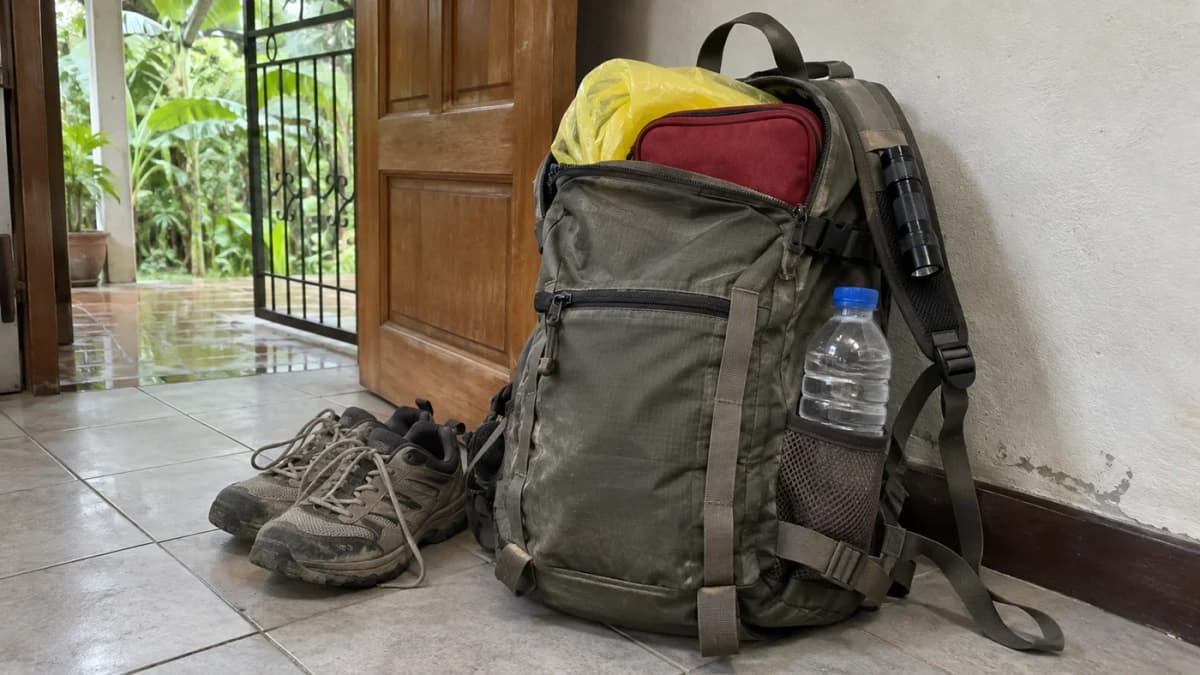
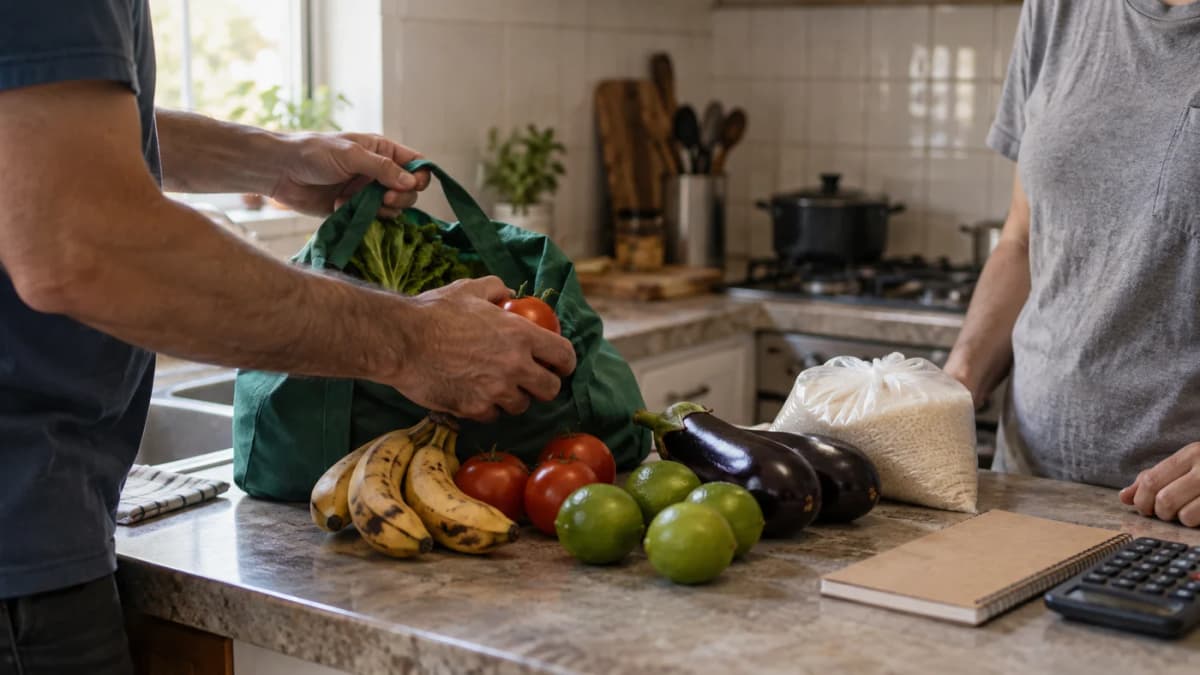
Open your kitchen cupboard, not your shopping app. If the nearest shop was unavailable tonight, could you feed everyone at home for three days without a delivery rider, a working fridge or an electric cooker?
The awkward gaps are usually ordinary: drinking water that has nearly run out, food that needs cooking, a power bank nobody charged. A full freezer and money in a banking app are not the same as supplies you can use without power or a connection.
Build a 72-hour home reserve of safe water, ready-to-eat food and personal essentials, plus a lighter go-bag if you need to leave. The point is to cover a disruption, not predict a disaster or buy a trolley full of things you never use.
If there is immediate danger, leave as instructed. Do not delay an evacuation to finish this checklist or return to an unsafe room for belongings. In Thailand, call 1669 for a medical emergency or 1784 for disaster assistance.
Why 72 hours is a starting point, not a countdown
The Canadian government's emergency-kit guidance uses at least 72 hours as a household preparedness baseline. It is not a prediction that an emergency starts in three days, or a promise that services return after three days. Start there and build a longer reserve where your circumstances allow.
In Thailand, a flooded access road, an outage or a disruption to deliveries can expose the same gaps. Our heavy-rain and flood guide covers building checks and evacuation decisions. This checklist is broader: what still works when your usual way of buying, cooking or paying does not?
What the Iran headlines do—and do not—tell you
The Thai government's clarification of 30 October 2026 says the NSC had not issued a 72-hour stockpiling alert because of the Middle East situation. A separate government statement described energy contingency planning while reassuring people about food supplies.
Khaosod's reporting also attributed monitoring of military deployments and diplomatic movements to Thai intelligence agencies. That is not a confirmed timetable for war, an order to evacuate Thailand or evidence that shops here will close. A modest reserve makes sense without any of those claims being true.
Two kits, not one impossibly heavy bag
The home reserve is for a disruption when staying put remains safe. The go-bag is for your first move to a safer place. Neither replaces an evacuation route, help with transport or medical care.
- Take with you: personal medicines, a small first-aid pouch, protected documents, phone power, a torch, portable drinking water, ready-to-eat food and basic clothing.
- Keep at home: a larger safe-water supply, food that needs no cooking, extra hygiene items, spare batteries and household-specific supplies.
A backpack usually leaves your hands freer than a hard suitcase. That is a practical preference, not a rule: choose something you can manage with your mobility needs. Test the loaded bag. If carrying it leaves you unable to help your child or use your walking aid, rethink the load and arrange assistance.
Water: count bottles before buying gadgets
The CDC recommends at least one US gallon, about 3.8 litres, per person per day for three days, covering drinking and basic uses. Two adults need roughly 23 litres. Allow more for heat, illness, pregnancy, pets and other needs.
That starting reserve weighs about 23 kg before its containers. Store it at home, away from sun and chemicals; do not put it all in one evacuation bag. Keep portable bottles for leaving and plan access to further safe water. Follow storage dates and local water-safety notices rather than assuming the tap or building tank remains usable.
Food: plan meals, not just a pile of packets
Health Canada's emergency food guidance recommends non-perishable supplies, an opener and attention to allergies and other dietary needs. Choose food that is safe to eat without cooking; follow each package's preparation and storage instructions.
Write down what each person would eat for three days. If you normally have three meals a day, that is nine meals each: two adults need 18 meal portions, not necessarily 18 cans. Add snacks and allow for different appetites and medical needs. This is a planning example, not a calorie prescription.
- A simple breakfast: crackers or cereal with an appropriate shelf-stable accompaniment; include milk only if its unopened storage and after-opening use fit your plan.
- Lunch and dinner: familiar canned fish, beans or labelled ready-to-eat meals that do not require heating, with suitable shelf-stable sides.
- Small extras: fruit cups, dried fruit or nut products if appropriate for your household, plus suitable child, medical-diet and pet food.
Dry rice, instant noodles and frozen dumplings are not a no-cooking meal plan. Keep a manual opener and utensils with the food. Buy gradually, rotate what you normally eat, and avoid large opened portions that depend on refrigeration. An emergency shelf should reduce your need to rush to the shop, not help empty its shelves.
If the phone is charged, what else could still fail?
As a planning exercise, assume one familiar service is unavailable. Can you manage without it?
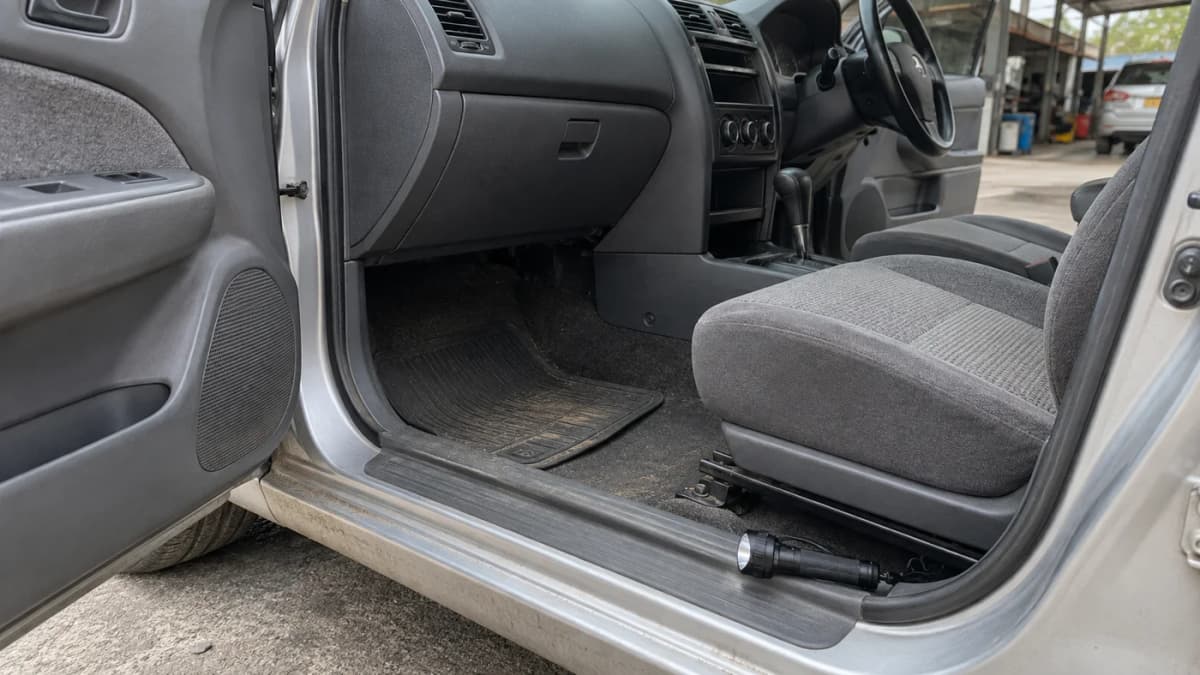
- No electricity: use a separate torch rather than spending the phone battery on lighting. Ask management about the building's lifts, pumps and access gates.
- No connection or app payment: keep important numbers on paper, essential documents offline and some cash in small notes. This is a backup, not a prediction that Thai banks or PromptPay will stop working.
- No usual delivery or ride: have food already at home and agree a backup contact or transport plan, including help for anyone who cannot leave independently.
CDC's carbon-monoxide guidance warns against burning charcoal or using portable gas camp stoves indoors. Do not bring a generator inside or treat a small balcony beside open windows as a safe workaround.
The go-bag packing checklist
The Australian Red Cross packing checklist is a useful starting point. Adapt it to Thailand, your route and the people travelling with you:
- Documents and contacts: passport, essential immigration papers, insurance details and a paper contact sheet, protected in a sealed pouch. Keep usable copies separately; copies do not replace an original passport.
- Light and communication: a working headlamp or torch, spare batteries, a charged power bank and the correct cable. Save your address in Thai and English and an offline map. A small battery radio provides another route to updates.
- Water and food for the journey: sealed drinking water you can carry and food you can open and eat without cooking. Plan where further safe water will come from; one bottle is not a three-day supply.
- Clothes and hygiene: lightweight rain protection, dry underwear and socks, a change of clothes, soap, tissues, sanitary products and rubbish bags. Keep suitable closed shoes ready.
- Money and access: some small-denomination cash, a payment card and spare keys. Do not rely on a phone payment being your only option.
- Personal essentials: medicines, glasses, hearing-aid batteries or other necessary aids. A whistle can help you attract attention without repeatedly shouting.
Put urgent items where you can reach them without emptying the bag. Use smaller waterproof pouches inside it: a backpack's rain cover alone is not a guarantee against water getting in.
Build a first-aid pouch you know how to use
Check a shop-bought kit's actual contents, not its advertised piece count. A large number of tiny plasters does not make up for missing gloves or dressings. The Canadian Red Cross first-aid list supports these useful basics:
- Assorted adhesive plasters and sterile gauze pads in more than one size.
- Absorbent dressings, medical tape and roller or triangular bandages.
- Disposable non-latex gloves; pack more than one pair.
- Antiseptic wipes or soap, blunt-tip scissors and tweezers.
- A digital thermometer and clear first-aid instructions you can read offline.
- A breathing barrier if it forms part of the first-aid training you have taken.
Size the pouch for your household and replace anything used. Keep dressings sealed and dry. Training matters more than adding unfamiliar equipment: a household kit is not a substitute for professional treatment or a reason to attempt procedures you have not learned.
Medicines: make this part personal
Carry your regular medicines in labelled packaging, with a list of generic names, strengths, usual schedules and allergies. Keep prescription copies and your clinician's or pharmacy's contact details. Thailand's Department of Older Persons preparedness guide recommends a 7–14-day reserve for older people and patients. Discuss a suitable, lawful supply with your own pharmacist or clinician rather than changing treatment or stockpiling blindly.
Ask whether pain or fever relief, an appropriate allergy medicine and oral rehydration salts belong in your personal kit. Children's products and measuring devices need their own check. Do not make antibiotics, sedatives or someone else's prescription medicines part of a generic checklist.
For oral rehydration salts, use safe water and the exact volume printed on that packet, following IFRC preparation guidance. Do not guess the dilution or substitute a sports drink powder.
One Thailand-relevant caution: if dengue is suspected, CDC advises medical assessment and avoiding aspirin and ibuprofen. Do not treat a new fever as a diagnosis you can settle from a packing list.
Follow each medicine's storage label. For refrigerated products or powered medical equipment, make a specific outage and transport plan with the care team. The US FDA's disaster guidance explains why heat, floodwater and lost refrigeration can make medicines unsafe or less effective. Do not assume a cooler full of ice is suitable for every medicine. If an essential supply is damaged, seek urgent professional advice about replacement; do not guess whether to use it or interrupt treatment.
Children, older relatives and pets change the list
Pack nappies, suitable feeding supplies and a small comfort item where relevant. For a child, include a contact card and agree what to do if separated. Do not expect children to carry the household's heavy supplies.
For someone with limited mobility, identify who assists them and who carries the bag. Check the actual exit route with building staff in advance. A medicine pouch is not enough if nobody can help its owner leave.
Keep a pet carrier or lead ready, along with food, water, medicines and relevant records. Confirm that the intended destination accepts your animal. The CDC's flood-preparation guidance also stresses planning routes and shelter arrangements before evacuation becomes urgent.
Make a last-minute card, then practise once
Some things stay in daily use: your phone, passport, refrigerated medicine or glasses. Write a short “take now” card for the bag. The card is a reminder for when it is safe to collect them, not permission to delay leaving.
Include the building name, Thai address, floor, nearest useful landmark, emergency contacts and a meeting point. Test that important document copies really open without internet access. Our travel-document organisation guide explains that offline check.
Choose a routine you will remember. Review the first-aid pouch at least every six months, as the Canadian Red Cross advises, and check supplies after using anything. Recharge the power bank, test the torch, review medicines and replace expired or damaged items. Keep the bag dry, accessible and clear of exit routes, not buried in a storeroom or baking in a parked car.
When to leave the bag behind
If retrieving it means going back into smoke, an unsafe building or floodwater, leave it. Follow local responders and evacuation instructions. The CDC advises against walking or driving across flooded roads; boots do not make that safe.
Save 1669 for emergency medical help, 1784 for disaster assistance, 191 for police emergencies and 199 for fire, as listed by the Thai Department of Older Persons. Give your location and any urgent medical or mobility needs. Our Hua Hin emergency-help guide explains what information to have ready.
If you later return to a flood-damaged home, use the separate safe-return checklist. Packing well helps you leave. It does not establish that a building is safe to re-enter.
Frequently asked questions
Does a 72-hour emergency kit mean war with Iran is expected?
No. A kit is not a war forecast. Thailand's NSC denied issuing a Middle East-related 72-hour stockpiling alert in the government's clarification of 30 October 2026. Monitoring risks and preparing contingency plans do not establish that conflict or shortages in Thailand are imminent.
How much emergency food should I keep at home?
Plan at least three days of suitable ready-to-eat meals for everyone in your household, plus snacks and any special dietary needs. If each adult normally eats three meals daily, two adults need 18 meal portions for three days. Follow package storage instructions and keep an opener.
What should be in an emergency go-bag in Thailand?
Prioritise personal medicines, a first-aid pouch, protected documents, contacts, a torch, phone power, portable water, ready-to-eat food and basic clothes. Adapt the bag to the route and the household; keep larger reserves separately.
How much emergency water should I keep at home?
CDC's starting recommendation is about 3.8 litres per person per day for at least three days. Two adults need roughly 23 litres, with more for additional needs. That reserve is not a practical load for one evacuation backpack.
Which medicines should I pack?
Start with your prescribed medicines, labelled packaging, a current medicine list and prescription copies. Ask a pharmacist about suitable non-prescription items, reserve quantities and storage. Do not use a generic checklist to choose antibiotics or change treatment.
Is a backpack better than a suitcase?
A backpack can leave your hands free, but the right choice depends on mobility, assistance and the actual route. Test the packed bag and choose something you can manage safely, rather than aiming for a particular size or weight.
Should I finish packing after an evacuation order?
No. Leave promptly as instructed. Do not delay for missing supplies or return to unsafe areas for a bag. Preparation is meant to make departure easier, not create another reason to stay.
Sources checked on 3 November 2026. This is general preparedness information, not a live warning service or individual medical advice. Local emergency instructions and your care team's directions take priority.
Continue reading
heavy-rain and flood guide
Relevant published safety or document-preparation guide.
travel-document organisation guide
Relevant published safety or document-preparation guide.
Hua Hin emergency-help guide
Relevant published safety or document-preparation guide.
safe-return checklist
Relevant published safety or document-preparation guide.
Sources & Verification
- Official clarification dated30October2026: NSC had not issued a MiddleEast-related72-hour stockpiling alert. Distinguishes a routine household reserve from an official war/shortage warning. — Thai Government — NSC clarification on72-hour stockpiling claimsSource
- Government statement dated30October2026: food-security reassurance, energy contingency planning and monitoring of MiddleEast developments, not a domestic evacuation or shortage announcement. — Thai Government — food and energy security statementSource
- Reporting attributed military-deployment/diplomatic-movement monitoring to Thai intelligence agencies; no classified material reviewed or confirmed war timetable inferred. — Khaosod English — public reporting on NSC contingency planningSource
- At least72hours as a general household-preparedness baseline, with accessible portable supplies. Not an announcement about Thailand or an imminent war. — Government of Canada — Emergency kitsSource
- Non-perishable food, manual opener, dietary needs and package/storage instructions. Nine meals per person/18for two adults are explicitly conditional editorial arithmetic, not an official portion/calorie standard. — Health Canada — Emergency food and drinking-water safetySource
- Survival and recovery packing categories; clothing, lighting, phone power, food, cash, documents and household-specific supplies. Adapted without copying the checklist verbatim. — Australian Red Cross — Get packingSource
- First-aid materials, gloves, dressings, tools, thermometer, instructions and maintenance; no transplanted overseas emergency number or universal drug prescription. — Canadian Red Cross — First Aid Kit ContentsSource
- 27 September 2026 Thai guidance for older people/patients: 7–14-day personal-medicine reserve, documents, mobility support and household evacuation roles; official 1669/1784/191/199 purposes. — Thailand Department of Older Persons — disaster preparedness for older people and patientsSource
- Use the packet's specified amount of safe water when preparing oral rehydration salts; no generic one-litre recipe or dosing instruction given. — IFRC — Preparing oral rehydration solutionSource
- Seek care for suspected dengue; avoid aspirin and ibuprofen. — CDC — Manage DengueSource
- Medication lists, prescription copies, pharmacist-led reserve planning, watertight storage, cold-chain plans and damage from heat/floodwater; seek professional help for essential replacement, not a blanket stop-treatment instruction. — US FDA — Safe Drug Use After a Natural DisasterSource
- One US gallon (about 3.8 litres) per person daily for at least three days, extra for heat and additional needs; two-adult quantity and weight are transparent arithmetic. — CDC — How to Create an Emergency Water SupplySource
- No charcoal or portable gas camp stove indoors and no generator indoors/near openings; no unsafe balcony workaround. — CDC — Carbon Monoxide Poisoning BasicsSource
- Prepare evacuation routes and pet shelter arrangements, obey evacuation instructions and do not walk or drive through flooded roads. — CDC — Preparing for FloodsSource